











How to Treat Mange in Cats at Home
Treat cat mange at home with vet‑approved dips, medicated baths, hygiene and nutrition while monitoring for complications.
By True Impact Health Editorial Team

Dr. Hannah Silvanus, DVMVeterinary Reviewer, True Impact Health
Doctor of Veterinary Medicine (DVM) who reviews the pet and animal health articles on True Impact Health.
Reviewed this article on October 10, 2026.
View profile How we reviewUpdated on October 10, 2026 10 min read
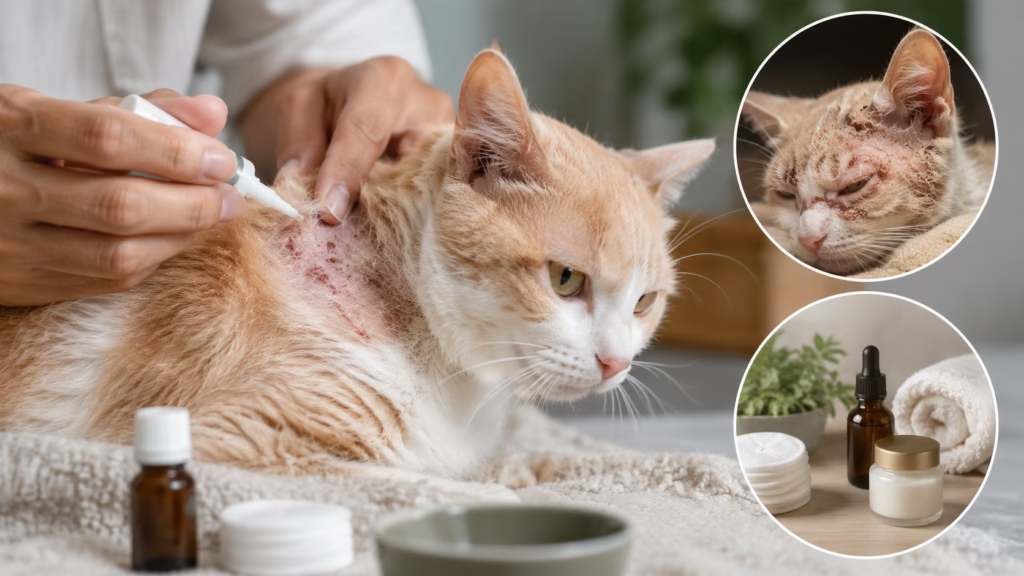
Table of Contents
Quick answer
Mange in cats is treated with veterinarian‑prescribed topical or dip medications, regular medicated baths, and strict hygiene. At home you can support recovery by applying the prescribed treatment, keeping the environment clean, providing a balanced diet and monitoring for secondary infections, but always follow the vet’s instructions.
Introduction
Mange is a distressing skin condition that can cause significant discomfort for cats. Caused by microscopic mites that burrow into or live on the skin, mange often leads to intense itching, hair loss, inflammation, scabbing, and skin irritation. While some forms of mange are relatively uncommon in cats, they can quickly become serious if left untreated. In severe cases, mange can lead to secondary bacterial infections, weight loss, and a decline in overall health.
Although veterinary diagnosis and treatment remain essential for managing mange, there are several supportive measures that cat owners can safely implement at home to help their pets recover more comfortably. A combination of veterinarian-approved medications, proper hygiene, nutritional support, and environmental management can significantly improve treatment outcomes.
This comprehensive guide explains the different types of mange in cats, how to recognize the symptoms, effective home-care strategies, and important steps for preventing future infestations.
Understanding Mange in Cats
Before beginning any treatment plan, it is important to understand exactly what mange is and how it affects your cat.
Mange is a skin disease caused by parasitic mites. These microscopic organisms either burrow beneath the skin or live within hair follicles and skin surfaces. As they reproduce and spread, they trigger inflammation, irritation, and an immune response that causes many of the symptoms associated with the condition.
The severity of mange varies depending on the type of mite involved, the cat’s immune system, and how quickly treatment begins. Some cats develop only mild skin irritation, while others may experience extensive hair loss and severe discomfort.
Because the symptoms of mange can resemble other skin conditions such as allergies, fungal infections, or bacterial dermatitis, obtaining an accurate diagnosis from a veterinarian is strongly recommended before beginning treatment.
Common Types of Mange in Cats
Several different mite species can cause mange in cats. Understanding the type involved helps determine the most effective treatment approach.
Sarcoptic Mange
Sarcoptic mange, commonly known as scabies, is caused by Sarcoptes mites. Although more common in dogs, cats can occasionally become infected. This form of mange is highly contagious and causes intense itching due to mites burrowing beneath the skin.
Affected cats often scratch continuously, leading to skin damage, scabs, and hair loss. Because the condition is contagious, prompt treatment and environmental cleaning are essential.
Demodectic Mange
Demodectic mange is caused by Demodex mites, which naturally live in small numbers on healthy skin. Problems occur when the immune system becomes weakened, allowing mite populations to grow excessively.
This form of mange is relatively rare in cats but can occur in animals suffering from immune disorders, chronic illness, stress, or advanced age.
Notoedric Mange
Notoedric mange, also known as feline scabies, is one of the most common forms of mange seen in cats. It is caused by Notoedres cati mites and is highly contagious among cats.
The condition typically begins around the ears, face, and neck before spreading to other parts of the body. Thick crusts, severe itching, and extensive hair loss are common features of this type of mange.
Recognizing the Signs and Symptoms
Early recognition is one of the most important factors in successful treatment. The sooner mange is identified, the easier it is to control and eliminate.
Cats suffering from mange frequently exhibit excessive scratching, licking, chewing, or rubbing of affected areas. These behaviors are often a response to intense irritation caused by the mites.
Hair loss is another common symptom. Bald patches may develop around the ears, face, neck, legs, or body. In many cases, the skin underneath appears red, inflamed, thickened, or scabbed.
Some cats develop crusty lesions, particularly around the ears and head. The skin may appear flaky, dry, or covered with grayish scales.
Behavioral changes may also occur. Affected cats often become restless, irritable, or withdrawn due to persistent discomfort. In severe infestations, reduced appetite and weight loss may develop.
Any combination of these symptoms warrants prompt veterinary evaluation.
Preparing for Home Treatment
Creating a safe and comfortable treatment environment helps reduce stress for both you and your cat.
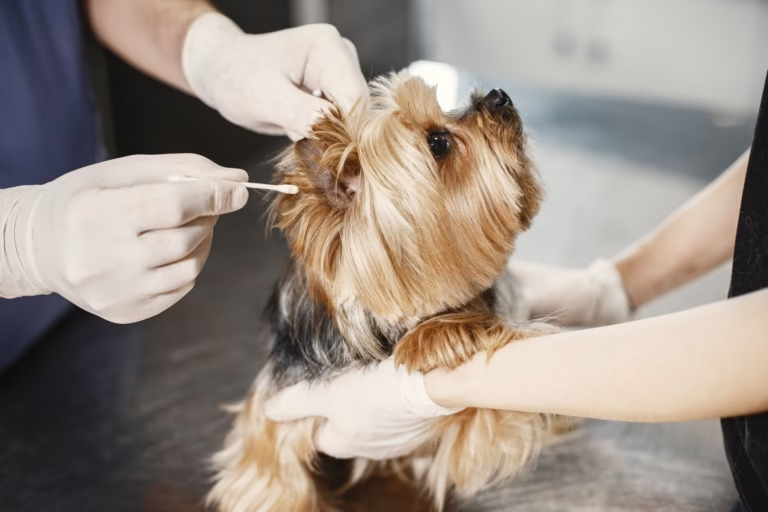
Begin by gathering all necessary supplies before starting treatment. Depending on your veterinarian’s recommendations, these may include medicated shampoos, prescription topical treatments, gloves, soft towels, brushes, and cleaning supplies.
Designate a quiet room where your cat can rest comfortably during treatment. This area should be warm, clean, and free from excessive noise or activity. Providing a calm environment helps reduce stress, which can support immune function and recovery.
If you have other pets in the household, it may be necessary to temporarily separate the affected cat until treatment is well underway, particularly if the type of mange involved is contagious.
Medicated Baths and Dips
Medicated bathing is one of the most common supportive treatments used in mange management.
Lime Sulfur Dips
Lime sulfur dips are frequently prescribed by veterinarians because they are effective against many types of mites. The solution is typically diluted according to label instructions and applied to the cat’s coat.
The treatment works by killing mites and reducing the severity of skin lesions. Most treatment protocols involve weekly applications for several weeks.
While effective, lime sulfur has a strong odor and may temporarily stain light-colored fur. Nevertheless, it remains one of the safest and most reliable options available.
Medicated Shampoos
Veterinary shampoos containing benzoyl peroxide or other therapeutic ingredients can help remove crusts, scales, and excess oils from the skin. This cleansing action improves the effectiveness of other topical treatments and promotes healthier skin.
When bathing your cat, use lukewarm water and handle them gently to minimize stress. Thorough rinsing is important to prevent skin irritation.
Prescription Topical and Oral Treatments
Home care should always complement veterinary treatment rather than replace it.
Several prescription medications are highly effective at eliminating mange mites. Spot-on treatments containing selamectin or moxidectin are commonly used and are often highly successful in resolving infestations.
In more severe cases, veterinarians may prescribe ivermectin or similar medications. These drugs are powerful antiparasitic agents but should only be administered under professional supervision due to the risk of side effects.
Following the prescribed treatment schedule exactly as directed is critical. Stopping treatment too early can allow surviving mites to reproduce and restart the infestation.
Natural and Supportive Remedies
Certain natural remedies may help soothe irritated skin and improve comfort during recovery. However, they should never replace veterinary treatment.
Coconut Oil
Coconut oil can help moisturize dry skin and reduce irritation. A thin layer applied to affected areas may soothe itching and help soften crusts.
Neem Oil
Neem oil possesses natural antiparasitic and anti-inflammatory properties. When properly diluted with a carrier oil, it may provide additional support during treatment.
Because some cats are sensitive to essential oils and plant extracts, always consult your veterinarian before using neem oil or any herbal product.
Oatmeal Treatments
Colloidal oatmeal can help calm inflamed skin and reduce itching. Oatmeal compresses or veterinarian-approved oatmeal shampoos may offer temporary relief for irritated skin.
Strengthening Your Cat’s Immune System
A healthy immune system plays a critical role in fighting mite infestations and preventing recurrence.
Providing high-quality nutrition is one of the most effective ways to support recovery. Choose a balanced diet rich in animal-based proteins, essential fatty acids, vitamins, and minerals.
Omega-3 fatty acids found in fish oil supplements may help reduce inflammation and support skin healing. Probiotics can also contribute to overall health by supporting digestive and immune function.
Vitamins such as vitamin E and minerals such as zinc play important roles in skin repair and maintenance. Before adding supplements, consult your veterinarian to ensure they are appropriate for your cat’s specific needs.
Cleaning and Managing the Home Environment
Successful mange treatment requires attention not only to the cat but also to the surrounding environment.
Although many mites survive only briefly away from their host, environmental contamination can contribute to reinfestation.
Wash bedding, blankets, toys, and washable surfaces regularly using hot water. Vacuum carpets, upholstery, and cat furniture thoroughly and frequently during treatment.
Pay particular attention to areas where your cat spends most of its time. Cleaning these locations helps reduce the number of mites present in the environment.
If multiple pets live in the household, your veterinarian may recommend preventive treatment for all animals to eliminate hidden infestations.
When to Contact Your Veterinarian
Home care can be highly beneficial, but professional guidance remains essential throughout the treatment process.
Contact your veterinarian immediately if your cat develops worsening skin lesions, severe redness, swelling, pus, foul-smelling discharge, or signs of infection.
Additional warning signs include fever, lethargy, loss of appetite, weight loss, or worsening symptoms despite treatment.
If noticeable improvement has not occurred within two weeks, a follow-up examination may be necessary to reassess the diagnosis and treatment plan.
Preventing Future Mange Outbreaks
Once your cat has recovered, preventive measures can help reduce the likelihood of recurrence.
Regular veterinary checkups are an important part of preventive care. Routine examinations allow potential health problems to be identified before they become serious.
Maintaining good hygiene practices is equally important. Regular grooming allows you to inspect your cat’s skin and coat for early signs of irritation, parasites, or hair loss.
Avoid allowing your cat to interact with stray animals or unknown pets that may carry mites. Newly adopted animals should be examined by a veterinarian and quarantined if necessary before being introduced to other household pets.
Providing a balanced diet, minimizing stress, and addressing underlying health conditions can also strengthen immune function and reduce susceptibility to mange.
Conclusion
Mange can be an uncomfortable and frustrating condition for both cats and their owners, but it is highly manageable with prompt diagnosis and consistent treatment. A successful recovery plan combines veterinary-prescribed medications with supportive home care, proper nutrition, environmental cleaning, and ongoing monitoring.
Medicated treatments help eliminate mites, while supportive measures such as skin care, immune support, and hygiene management improve comfort and promote healing. Consistency is the key to success, as incomplete treatment can allow infestations to return.
By working closely with your veterinarian and maintaining a structured home-care routine, you can help your cat recover fully and enjoy healthy, comfortable skin once again. With patience, dedication, and proper care, most cats affected by mange can make an excellent recovery and return to their normal happy lives.
Disclaimer
This article is for educational purposes only and does not replace professional medical advice, diagnosis, or treatment. Seizures, severe headache, confusion, visual changes, or blood pressure readings in the hypertensive crisis range require urgent medical evaluation.
When to see a vet
- Severe itching or constant scratching that leads to open wounds
- Rapid hair loss or large crusted lesions spreading quickly
- Signs of secondary infection such as pus, foul odor or fever
- Your cat becomes lethargic, stops eating or loses weight
- If multiple pets show similar skin problems
- Any sudden worsening after starting treatment
If your pet collapses, struggles to breathe or is in severe pain, contact an emergency vet straight away.
Frequently asked questions
How often should I apply a lime sulfur dip for my cat?
Follow the schedule your veterinarian gives, usually once a week for several weeks. Over‑application can irritate the skin, so stick to the prescribed frequency and concentration.
Can I use over‑the‑counter flea shampoos for mange?
Most flea shampoos do not kill mange mites. Use only products specifically recommended by your vet for mange, such as lime sulfur or prescription‑strength shampoos.
Is it safe to let my cat roam outside while being treated?
Limit outdoor access until treatment is complete and the environment is cleaned, especially for contagious forms like notoedric mange, to prevent re‑infection or spread to other animals.
What nutritional support helps a cat recover from mange?
A balanced, high‑protein diet rich in omega‑3 fatty acids can support skin health and immune function. Discuss any supplements with your veterinarian before adding them.
Sources and further reading
Was this page helpful?
Thanks for your feedback! What could we improve?
Thank you! Your feedback helps us improve our articles.
Veterinary reviewed by
Dr. Hannah Silvanus, DVMDoctor of Veterinary Medicine (DVM) who reviews the pet and animal health articles on True Impact Health.
True Impact Health articles are written by our editorial team and based on reliable sources such as public health agencies, clinical guidelines and peer-reviewed research. This article has been checked by a veterinarian on our review panel. Read our editorial process.
This content is for general information and is not a substitute for professional medical advice, diagnosis or treatment.