


















Understanding Health Assessment: Key Steps for Your Well-Being
Explore the importance of health assessments, their types, and how they contribute to better health management and disease prevention.
By True Impact Health Editorial Team

Physician with experience in patient care and preventive medicine, focused on early detection, disease prevention and long-term wellness.
Reviewed this article on November 11, 2026.
View profile How we reviewUpdated on November 8, 2026 12 min read

Table of Contents
Key Takeaways
- Health assessments identify health risks early.
- Different assessments focus on various health aspects.
- Regular assessments can improve overall health outcomes.
- Consulting professionals ensures accurate evaluations.
A health assessment is a systematic approach to evaluating a person’s health status. This process is essential for identifying potential health risks and determining the most suitable interventions. Regular health assessments empower individuals to take control of their health by understanding their current conditions and making informed decisions about their well-being.
Health assessments can vary in scope and purpose, encompassing physical examinations, laboratory tests, and health history evaluations. The primary goal is to detect any health issues early, allowing for timely intervention and management. In this article, we will explore the various types of health assessments, their importance, and how they can significantly improve your overall health.
What is a Health Assessment?
A health assessment is a comprehensive evaluation of an individual’s health status, typically conducted by healthcare professionals. It includes a variety of components such as:
- Physical Examination: A thorough check of the body to assess general health, identify any abnormalities, and evaluate specific health concerns.
- Medical History: A detailed account of past medical conditions, surgeries, medications, and family medical history that could impact current health.
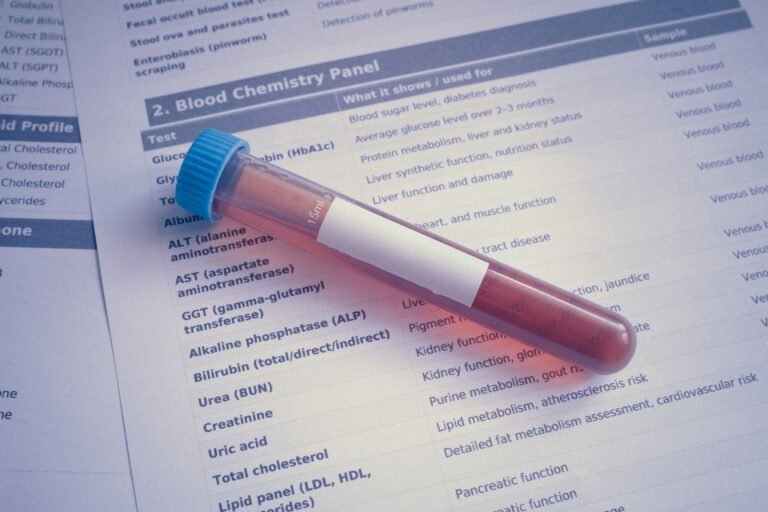
- Laboratory Tests: Blood tests, urine tests, and other diagnostic procedures that provide insight into various health markers.
These components work together to give a holistic view of an individual’s health, allowing healthcare providers to make informed recommendations and interventions.
Types of Health Assessments
Health assessments can be categorized into several types, each serving a specific purpose. Understanding these types can help you determine what assessments may be beneficial for you.
1. Comprehensive Health Assessment
A comprehensive health assessment is often performed during annual check-ups. It includes a full physical examination, a review of medical history, and any necessary laboratory tests. This assessment is essential for identifying chronic diseases early, such as diabetes, hypertension, or heart disease.
2. Focused Health Assessment
When specific health concerns arise, a focused health assessment is performed. This type zeroes in on particular symptoms or issues, allowing healthcare providers to gather detailed information relevant to the problem at hand. For example, if a patient presents with respiratory issues, the assessment will focus on lung function and associated symptoms.
3. Routine Health Screenings
Routine screenings are preventive measures aimed at detecting diseases before symptoms appear. Common screenings include cholesterol checks, blood pressure measurements, and cancer screenings like mammograms or colonoscopies. These assessments are crucial for early detection and management of potential health issues.

The Importance of Health Assessments
Health assessments play a vital role in maintaining and improving overall health. Here are several reasons why they are important:
1. Early Detection of Health Issues
One of the primary benefits of health assessments is early detection. Many diseases, such as hypertension and diabetes, can develop without noticeable symptoms. Regular assessments can uncover these issues early, allowing for timely intervention and reducing the risk of complications.
2. Personalized Health Management
Health assessments provide healthcare providers with valuable information about an individual’s health status, preferences, and needs. This data enables tailored health management plans that consider personal goals and lifestyle factors, promoting more effective health interventions.
3. Health Education and Awareness
During health assessments, individuals receive education about their health, including risk factors and preventive measures. This knowledge empowers them to make informed decisions about their health, adopt healthier lifestyles, and seek timely medical attention when necessary.
How to Prepare for a Health Assessment
Preparation can enhance the effectiveness of your health assessment. Here are some practical steps to consider:
1. Gather Medical Information
Before your appointment, collect relevant medical history, including past illnesses, surgeries, and medications. This information will help healthcare providers understand your health background and make informed decisions.
2. List Your Concerns
Prepare a list of any symptoms or health concerns you want to address during the assessment. This ensures that you do not forget to discuss important issues that may impact your health.
3. Follow Pre-Assessment Instructions
Some assessments may require fasting or specific preparations (like avoiding certain medications). Follow any instructions given by your healthcare provider to ensure accurate results.

Real-Life Example of a Health Assessment
Consider the case of Alex, a 45-year-old man who regularly participates in health assessments. During his annual check-up, his healthcare provider conducted a comprehensive health assessment, including blood tests. The results indicated elevated cholesterol levels, which Alex was unaware of. Thanks to the early detection, Alex was able to implement dietary changes and exercise regularly, which helped lower his cholesterol and improve his overall health.
Common Components of Health Assessments
A thorough health assessment usually includes various components to ensure a holistic evaluation. Here are some common elements:
- Vital Signs: Measurement of blood pressure, heart rate, respiratory rate, and temperature.
- Body Mass Index (BMI): Calculation of BMI to determine body weight relative to height, aiding in assessing obesity and related health risks.
- Lab Tests: Blood work and other tests to evaluate organ function, glucose levels, and cholesterol.
- Physical Examination: Assessment of different body systems, including cardiovascular, respiratory, and musculoskeletal systems.
These components provide a comprehensive picture of an individual’s health, allowing for precise diagnosis and treatment planning.

Understanding the Role of Technology in Health Assessments
Wearable Health Technology
Wearable health technology has revolutionized how individuals monitor their health on a daily basis. Devices such as fitness trackers and smartwatches allow users to keep track of vital statistics like heart rate, sleep patterns, and physical activity levels. These devices often sync with mobile applications, providing a comprehensive overview of one’s health over time.
The data collected from these wearables can be instrumental during health assessments. For instance, if you are due for a health check-up, sharing your activity and sleep data can give healthcare providers a clearer picture of your lifestyle habits. This information can lead to more personalized recommendations and interventions.
- Heart Rate Monitoring
- Sleep Quality Tracking
- Step Counting and Activity Tracking
Telehealth and Remote Assessments
Telehealth services have gained popularity, especially in the wake of the COVID-19 pandemic. Remote health assessments via video calls or phone consultations allow for flexibility and convenience. Patients can access healthcare professionals without the need for an in-person visit, which is particularly beneficial for those with mobility issues or those living in remote areas.
During a remote health assessment, healthcare providers can evaluate symptoms, review medical history, and even provide immediate recommendations. This method not only saves time but can also reduce the anxiety associated with traditional office visits. It is important to ensure that your technology is up to date and that you have a reliable internet connection for the best experience.
- Increased Accessibility
- Reduced Travel Time
- Immediate Follow-Up Options
Integrating Lifestyle Factors into Health Assessments
Nutrition and Dietary Habits
Nutritional assessments are a critical component of a comprehensive health evaluation. Understanding your dietary habits can help healthcare providers identify potential risks related to weight management, chronic diseases, and overall well-being. A detailed food diary or dietary recall can be used to assess nutrient intake and identify any deficiencies.
It is important to discuss not only what you eat but also how you eat. Factors like meal timing, portion sizes, and emotional eating can impact health. This information allows healthcare providers to create tailored nutrition plans, enhancing the effectiveness of health guidance.
- Daily Caloric Intake
- Macronutrient Distribution
- Meal Timing and Frequency
Physical Activity and Exercise Habits
Another key lifestyle factor that should be assessed is physical activity. Understanding your exercise routine, frequency, and the types of activities you engage in can provide insights into your overall fitness level. During a health assessment, you may be asked about your preferred types of exercise, barriers to staying active, and any recent changes in your activity levels.
Physical activity assessments can help identify areas where you may need to improve or adjust your routine. For example, if a health professional notes that your activity levels are low, they might recommend an increase in daily movement or suggest specific exercises that suit your preferences and abilities. This personalized approach can lead to better adherence and improved health outcomes.
- Types of Physical Activities Engaged In
- Frequency and Duration of Exercise
- Barriers to Physical Activity

Understanding the Psychological Aspects of Health Assessments
Mental Health Screenings
Mental health is a crucial aspect of overall health that is often overlooked during standard health assessments. Assessing mental health involves screening for conditions such as anxiety, depression, and stress. Various standardized questionnaires can be utilized to evaluate your mental state and its impact on your physical health.
These screenings can help identify individuals who may benefit from further psychological support or therapy. It is essential to communicate openly with healthcare providers about any mental health concerns, as these can significantly affect your well-being and health management.
- Common Screening Tools (e.g., PHQ-9, GAD-7)
- Signs of Mental Health Issues
- Importance of Follow-Up Care
Stress Management Techniques
Understanding and managing stress is vital for maintaining good health. During a health assessment, discussions around stress levels and coping mechanisms can provide insight into how stress affects your health. High stress can lead to various health issues, including hypertension, obesity, and weakened immune function.
Healthcare providers may suggest various stress management techniques tailored to your lifestyle. Techniques such as mindfulness meditation, yoga, and deep breathing exercises can be beneficial. It is important to make stress management a part of your daily routine, as it can improve both mental and physical health outcomes.
- Mindfulness and Meditation Practices
- Physical Activity for Stress Relief
- Time Management and Organization Skills
Evaluating Your Health History
Importance of a Comprehensive Health History
A thorough review of your health history is crucial during a health assessment. It serves as a foundational element that informs healthcare providers about your past medical conditions, surgeries, and family health history. This information can help identify potential health risks and tailor preventive measures specifically for you.
In many cases, your health history may reveal patterns that could indicate a predisposition to certain diseases. For instance, a family history of heart disease may prompt your healthcare provider to recommend more frequent cardiovascular screenings. Understanding your past health challenges can also guide discussions about lifestyle modifications to mitigate future risks.
Key Components of Your Health History
- Personal Medical History: Details about past illnesses and surgeries.
- Family Medical History: Diseases that run in your family.
- Medication History: Current and past medications, including supplements.
- Allergies: Any known allergies or adverse reactions to medications.
- Lifestyle Factors: Information about exercise, diet, and substance use.
How to Document Your Health History
It’s beneficial to keep a detailed record of your health history, which can be updated regularly. Start by gathering relevant documents such as old medical records, test results, and vaccination history. Next, create a timeline of significant health events, including dates of diagnoses or treatments. This organized approach not only aids your healthcare provider but also empowers you to take an active role in your health management.
Consider using digital tools or apps designed for health tracking to simplify this process. Many of these tools provide templates that can help you log important information easily, making it accessible during future health assessments.

Understanding Risk Factors and Preventive Measures
Identifying Personal Risk Factors
Every individual has unique risk factors that can impact their health. These can be categorized into modifiable and non-modifiable factors. Non-modifiable factors include age, gender, and genetics, which cannot be changed. Modifiable factors, on the other hand, involve lifestyle choices such as diet, exercise, and smoking.
During a health assessment, your provider will likely discuss these risk factors in detail. This conversation is critical as it can lead to tailored preventive strategies aimed at reducing your risk of developing chronic diseases.
Preventive Strategies for Common Health Risks
- Heart Disease: Regular cardiovascular screenings, adopting a heart-healthy diet, and engaging in physical activity.
- Diabetes: Monitoring blood sugar levels, maintaining a balanced diet, and regular exercise.
- Cancer: Routine screenings based on age and family history, avoiding tobacco, and limiting alcohol consumption.
Creating a Personalized Risk Reduction Plan
After identifying your risk factors, work with your healthcare provider to develop a personalized risk reduction plan. This plan should include specific actions you can take to mitigate risks, such as dietary changes, exercise regimens, and regular check-ups. Setting realistic goals and timelines can enhance your motivation and commitment to your health.
Moreover, consider involving family members in your health journey. Their support can be invaluable in maintaining lifestyle changes and encouraging positive health behaviors.
The Role of Follow-Up Assessments
Why Follow-Up Assessments Matter
Follow-up assessments are essential for monitoring your health over time. They allow healthcare providers to evaluate the effectiveness of any interventions or lifestyle changes implemented after the initial assessment. Regular follow-ups can lead to early detection of any emerging health issues, which is crucial for effective management.
Additionally, follow-up assessments provide an opportunity to adjust treatment plans based on your evolving health status. This dynamic approach ensures that your healthcare remains relevant and tailored to your needs.
Scheduling and Frequency of Follow-Ups
- Annual Check-Ups: Recommended for most adults to monitor overall health.
- Chronic Conditions: More frequent visits as needed for conditions such as diabetes or hypertension.
- Post-Surgery: Follow-up appointments to monitor recovery and address complications.
How to Prepare for a Follow-Up Assessment
Preparation for follow-up assessments is similar to that of initial assessments but can focus more on changes since your last visit. Make a list of symptoms, medications, or lifestyle changes that have occurred. Bringing this information can enhance the quality of your discussion with your healthcare provider.
Also, consider preparing questions about any health concerns or treatment options you wish to explore further. This proactive approach ensures that your follow-up assessment is as productive and informative as possible.
For more information, see Cleveland Clinic.
Frequently Asked Questions
What is involved in a health assessment?
A health assessment typically includes a physical examination, medical history review, and laboratory tests to evaluate an individual’s overall health and identify potential health issues.
How often should I have a health assessment?
Most adults should have a comprehensive health assessment at least once a year, but the frequency can vary based on individual health needs and risk factors. Consult with your healthcare provider for personalized recommendations.
Are health assessments only for sick individuals?
No, health assessments are essential for everyone, regardless of current health status. They help in early detection of potential health problems and are crucial for preventive care.
Can I perform a health assessment at home?
While some aspects of health assessments can be monitored at home, such as measuring blood pressure or tracking weight, comprehensive assessments should be conducted by healthcare professionals for accurate evaluation and diagnosis.
The Bottom Line
Health assessments are a vital tool in maintaining and improving health. By identifying potential health risks early, providing personalized health management, and educating individuals about their health, these assessments play a crucial role in overall well-being. Regular health assessments empower individuals to take proactive steps towards a healthier future.
Was this page helpful?
Thanks for your feedback! What could we improve?
Thank you! Your feedback helps us improve our articles.
Medically reviewed by
Dr. Bernard ReynoldsPhysician with experience in patient care and preventive medicine, focused on early detection, disease prevention and long-term wellness.
True Impact Health articles are written by our editorial team and based on reliable sources such as public health agencies, clinical guidelines and peer-reviewed research. This article has been checked by a doctor on our review panel. Read our editorial process.
This content is for general information and is not a substitute for professional medical advice, diagnosis or treatment.