
Introduction
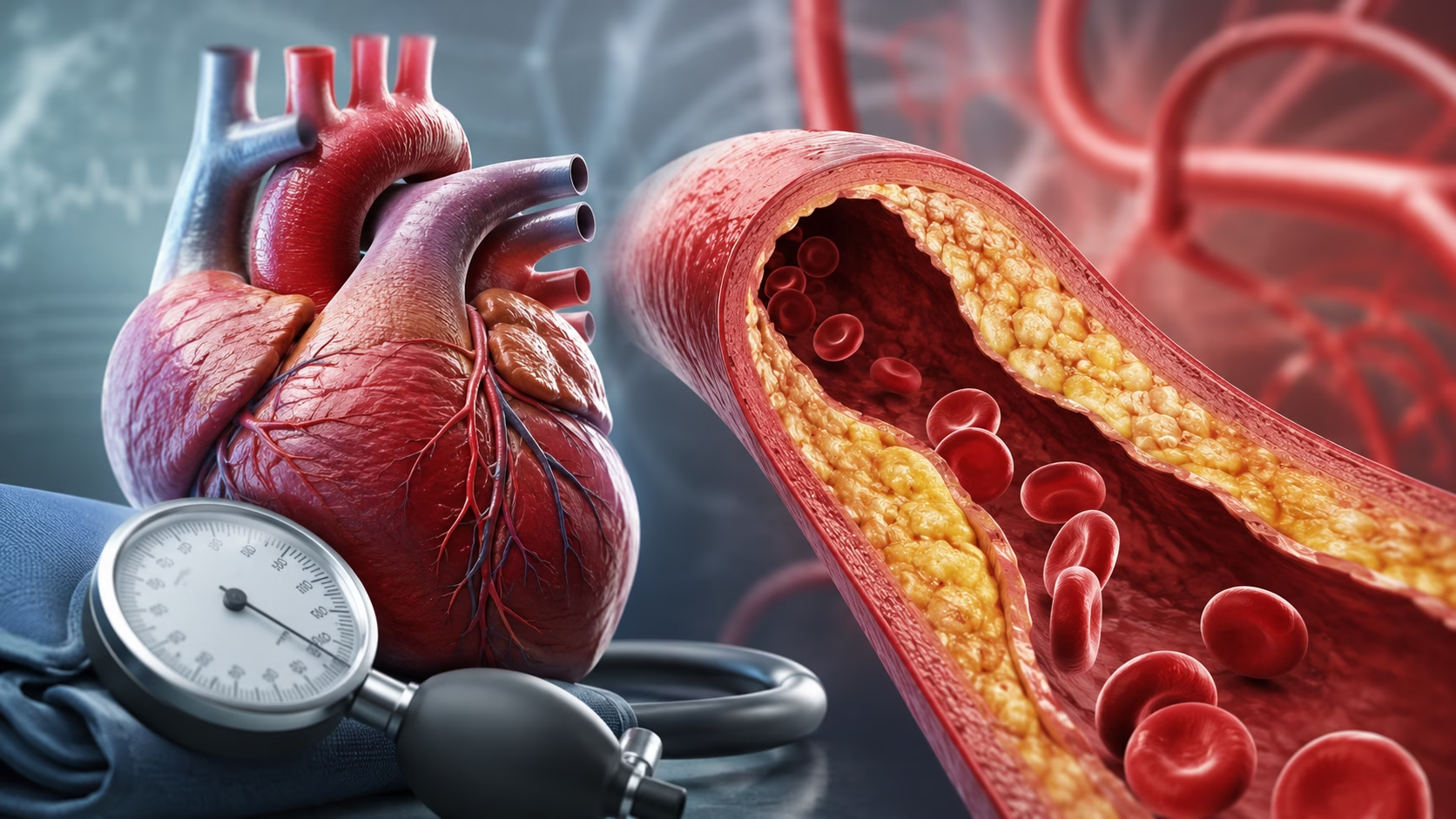
Cardiovascular disease remains the leading cause of death worldwide, accounting for millions of deaths each year. Among the numerous risk factors that contribute to heart disease, hypertension and coronary artery calcification stand out as two of the most important predictors of future cardiovascular events. Individually, each condition significantly increases the likelihood of heart attacks, strokes, heart failure, and premature death. When they occur together, the risk becomes even greater.
- CACI provides a direct, CT based Agatston score reflecting coronary calcium and underlying atherosclerotic plaque burden for individualized risk assessment.
- Chronic hypertension injures endothelium, promotes inflammation, vascular smooth muscle cell bone like transformation, and oxidative stress that accelerate arterial calcification.
- Blood pressure control, heart healthy lifestyle, statin therapy, and regular monitoring reduce progression and guide treatment for patients with elevated CACI.
High blood pressure, also known as hypertension, affects more than one billion people globally. Often referred to as the “silent killer,” hypertension can damage blood vessels and organs for years without causing noticeable symptoms. At the same time, advances in cardiac imaging have enabled healthcare providers to detect early signs of coronary artery disease through the Coronary Artery Calcium Index (CACI), a measurement of calcium buildup within the coronary arteries.
A growing body of research has demonstrated a strong relationship between hypertension and coronary artery calcification. Elevated blood pressure contributes to arterial injury and plaque formation, while increased calcium deposits indicate advanced atherosclerosis and heightened cardiovascular risk.
Understanding how these conditions interact can help patients and healthcare providers make informed decisions regarding prevention, monitoring, and treatment. This article explores what CACI is, how it is measured, its relationship with hypertension, and practical strategies for reducing cardiovascular risk.
Understanding CACI
What Is the Coronary Artery Calcium Index?
The Coronary Artery Calcium Index, commonly abbreviated as CACI, is a diagnostic measurement used to assess the amount of calcium present within the walls of the coronary arteries. These arteries are responsible for supplying oxygen-rich blood to the heart muscle.
Calcium deposits within the arteries develop as part of a process known as atherosclerosis. During atherosclerosis, cholesterol, inflammatory cells, and other substances accumulate within artery walls, forming plaques. Over time, these plaques may become hardened by calcium deposits.
The presence of calcium in coronary arteries serves as a marker of coronary artery disease. Because healthy coronary arteries typically contain little or no calcium, increasing amounts of calcification often indicate increasing plaque burden and cardiovascular risk.
Unlike many traditional cardiovascular risk factors that estimate future risk indirectly, CACI provides direct evidence of existing coronary artery disease.
Understanding the CACI Scoring Scale
The CACI score is expressed as an Agatston score, which quantifies the extent of calcified plaque detected during a CT scan.
Score of 0
A score of zero indicates that no detectable coronary artery calcium is present.
This is generally considered the lowest-risk category and suggests a very low likelihood of significant coronary artery disease. Individuals with a score of zero typically have a lower risk of heart attack during the following several years, although risk is not completely eliminated.
Score of 1 to 100
Scores within this range indicate mild coronary artery calcification.
Although the amount of plaque is relatively small, its presence confirms that atherosclerosis has begun. Individuals in this category often benefit from aggressive lifestyle modifications and careful management of cardiovascular risk factors.
Score of 101 to 400
This range indicates moderate plaque burden.
At this stage, atherosclerosis is more advanced, and the risk of future cardiovascular events increases substantially. Healthcare providers may recommend additional testing, closer monitoring, and more intensive treatment strategies.
Score Above 400
A score greater than 400 indicates extensive coronary artery calcification.
This category is associated with a significantly elevated risk of heart attack, coronary artery disease, and other cardiovascular complications. Patients with very high scores often require comprehensive cardiovascular evaluation and aggressive risk reduction measures.
Why Calcium Matters
Many people assume that calcium itself causes cardiovascular problems. In reality, calcium is primarily a marker of underlying plaque formation.
As atherosclerotic plaques age and evolve, calcium becomes incorporated into the plaque structure. Therefore, higher calcium scores generally indicate greater plaque burden.
The significance of calcium lies in what it reveals about the health of the arteries. Extensive calcification suggests that atherosclerosis has been developing over many years and may already be affecting blood flow to the heart.
How Is CACI Measured?
Non-Contrast Cardiac CT Scan
CACI is measured using a specialized computed tomography (CT) scan of the heart.
The procedure is non-invasive and typically requires only a few minutes to complete. Unlike many other imaging tests, no intravenous contrast dye is required.
During the scan, the patient lies on a table while the CT scanner captures detailed images of the coronary arteries.
Because the scan is quick and painless, it is often used as a screening tool for individuals at intermediate cardiovascular risk.
The Agatston Scoring Method
The Agatston scoring method is the most widely used technique for calculating coronary calcium scores.
The method considers both:
- The total area of calcified plaque
- The density of calcium deposits
More extensive and denser calcium deposits receive higher scores, reflecting greater plaque burden.
Interpretation of Results
CACI scores are often interpreted in relation to a person’s:
- Age
- Sex
- Ethnicity
- Cardiovascular risk profile
For example, a score of 100 may carry different implications for a 40-year-old individual compared with an 80-year-old individual.
Healthcare providers often combine CACI results with other risk factors to create a comprehensive assessment of cardiovascular health.
The Hypertension-CACI Connection
Why High Blood Pressure Promotes Calcification
One of the most important discoveries in cardiovascular medicine is the strong relationship between hypertension and arterial calcification.
Persistent high blood pressure damages blood vessels through several interconnected mechanisms.
Shear Stress and Arterial Injury
Blood vessels are designed to withstand normal blood pressure levels. However, chronic hypertension exposes artery walls to excessive mechanical stress.
This constant pressure can injure the inner lining of blood vessels, known as the endothelium.
When endothelial cells become damaged, inflammation develops within the artery wall. This inflammatory environment promotes plaque formation and subsequent calcification.
Over time, repeated injury and repair cycles accelerate the progression of atherosclerosis.
Transformation of Vascular Smooth Muscle Cells
The walls of arteries contain specialized cells known as vascular smooth muscle cells.
Under normal conditions, these cells help regulate blood vessel function. However, chronic hypertension can trigger a transformation process in which these cells begin behaving similarly to bone-forming cells.
As a result, calcium is deposited within arterial walls, contributing to vascular calcification.
This process helps explain why prolonged hypertension is strongly associated with elevated calcium scores.
Oxidative Stress
Hypertension also increases oxidative stress throughout the cardiovascular system.
Oxidative stress occurs when the production of harmful molecules known as free radicals exceeds the body’s antioxidant defenses.
Free radicals damage endothelial cells, promote inflammation, and accelerate plaque development.
Over time, this environment encourages further calcium deposition within arterial walls.
Evidence from Clinical Studies
Study Findings on Hypertension and CACI
Numerous clinical studies have confirmed the relationship between elevated blood pressure and coronary artery calcification.
One study involving approximately 2,000 adults found that individuals with uncontrolled hypertension had coronary calcium scores that were, on average, 2.5 times higher than those of individuals with normal blood pressure.
These findings suggest that prolonged exposure to elevated blood pressure significantly accelerates plaque development and calcification.
Multiethnic Cohort Research
Large multiethnic studies have also demonstrated a dose-response relationship between blood pressure and coronary calcium.
Researchers observed that for every 10 mmHg increase in systolic blood pressure, the likelihood of having an Agatston score greater than 100 increased by approximately 15%.
This finding indicates that even modest increases in blood pressure can contribute to progressive arterial calcification over time.
A Vicious Cycle of Cardiovascular Risk
Hypertension and coronary artery calcification often reinforce one another.
Elevated blood pressure accelerates plaque formation and calcification. As arteries become increasingly stiff and calcified, they lose their ability to expand and contract normally.
This reduced elasticity can contribute to further increases in blood pressure, creating a vicious cycle that elevates cardiovascular risk.
Interpreting Your CACI Score in the Context of Hypertension
Low Calcium and Controlled Blood Pressure
This is generally considered the most favorable scenario.
A low calcium score combined with well-controlled blood pressure suggests that cardiovascular risk is relatively low.
Individuals in this category should continue healthy lifestyle habits, including:
- Following a balanced diet
- Exercising regularly
- Maintaining a healthy weight
- Avoiding tobacco products
- Managing stress effectively
Routine monitoring remains important because cardiovascular risk factors can change over time.
Elevated Calcium and Uncontrolled Blood Pressure
This combination represents a particularly high-risk situation.
The presence of substantial calcification indicates existing coronary artery disease, while uncontrolled hypertension continues to damage blood vessels and accelerate disease progression.
Patients in this category often require:
- Medication adjustments
- Intensive lifestyle modifications
- Cardiologist evaluation
- Additional cardiovascular testing
Prompt intervention can significantly reduce the likelihood of future complications.
High Calcium and Controlled Blood Pressure
Even when blood pressure is well controlled, a high calcium score indicates underlying atherosclerosis.
In these cases, blood pressure management remains important, but additional interventions may also be necessary.
Healthcare providers may recommend:
- Statin therapy
- Cholesterol management
- Continued cardiovascular monitoring
- Repeat calcium scoring
The goal is to slow disease progression and reduce future cardiovascular events.
Strategies to Reduce Cardiovascular Risk
Adopt a Heart-Healthy Diet
Diet plays a critical role in both blood pressure control and cardiovascular health.
A heart-healthy diet should emphasize:
- Fruits
- Vegetables
- Whole grains
- Lean proteins
- Legumes
- Nuts and seeds
Limiting processed foods, saturated fats, and excessive sodium can significantly improve cardiovascular outcomes.
The DASH Diet
The Dietary Approaches to Stop Hypertension (DASH) diet was specifically developed to lower blood pressure.
Research consistently shows that DASH can reduce blood pressure while improving overall cardiovascular health.
The Mediterranean Diet
The Mediterranean diet emphasizes:
- Olive oil
- Fish
- Fruits
- Vegetables
- Whole grains
Numerous studies have linked this dietary pattern to reduced cardiovascular risk and improved arterial health.
Engage in Regular Physical Activity
Exercise helps lower blood pressure, improve cholesterol levels, enhance insulin sensitivity, and support healthy body weight.
Most guidelines recommend at least 150 minutes of moderate-intensity exercise per week.
Examples include:
- Brisk walking
- Cycling
- Swimming
- Dancing
Smoking Cessation
Smoking accelerates atherosclerosis and increases arterial calcification.
Quitting smoking is one of the most powerful interventions for improving cardiovascular health.
Stress Management
Chronic stress contributes to elevated blood pressure and unhealthy lifestyle behaviors.
Effective stress-management techniques include:
- Meditation
- Yoga
- Deep breathing exercises
- Mindfulness practices
- Adequate sleep
Medical Management
Antihypertensive Medications
Many patients require medication to achieve adequate blood pressure control.
Common medication classes include:
ACE Inhibitors and ARBs
These medications help relax blood vessels and reduce strain on the cardiovascular system.
Calcium Channel Blockers
These drugs improve blood vessel relaxation and lower blood pressure.
Thiazide Diuretics
These medications help remove excess sodium and fluid from the body.
Statin Therapy
Statins lower LDL cholesterol and help stabilize atherosclerotic plaques.
Many individuals with elevated calcium scores benefit from statin therapy, even when cholesterol levels appear relatively normal.
Aspirin Therapy
Low-dose aspirin may be appropriate for selected high-risk individuals.
However, aspirin therapy should only be initiated under medical supervision because of potential bleeding risks.
Emerging Therapies
Researchers continue exploring anti-inflammatory therapies, including colchicine, as potential tools for reducing cardiovascular risk.
Although promising, these treatments remain an area of ongoing investigation.
Monitoring and Follow-Up
Regular Medical Visits
Individuals with hypertension or elevated calcium scores should undergo regular medical evaluations.
Routine visits allow healthcare providers to monitor:
- Blood pressure
- Cholesterol levels
- Medication effectiveness
- Lifestyle changes
Repeat Calcium Scoring
Repeat CACI testing may be recommended every two to five years depending on risk profile and initial results.
These follow-up scans help evaluate disease progression.
Home Blood Pressure Monitoring
Home blood pressure monitoring provides valuable information regarding daily blood pressure patterns.
Regular monitoring can:
- Improve treatment adherence
- Detect uncontrolled hypertension
- Help guide treatment adjustments
Conclusion
The Coronary Artery Calcium Index and hypertension are closely interconnected markers of cardiovascular health. High blood pressure accelerates the development of arterial calcification, while elevated calcium scores provide direct evidence of underlying coronary artery disease. Together, they identify individuals at significantly increased risk of heart attack, stroke, and other cardiovascular complications.
Fortunately, understanding this relationship provides an opportunity for early intervention. Through healthy lifestyle choices, appropriate medical treatment, regular monitoring, and proactive cardiovascular care, individuals can reduce their risk and improve long-term outcomes.
By working closely with healthcare providers and taking a comprehensive approach to prevention and treatment, it is possible to slow the progression of arterial disease and protect heart health for years to come.