Introduction
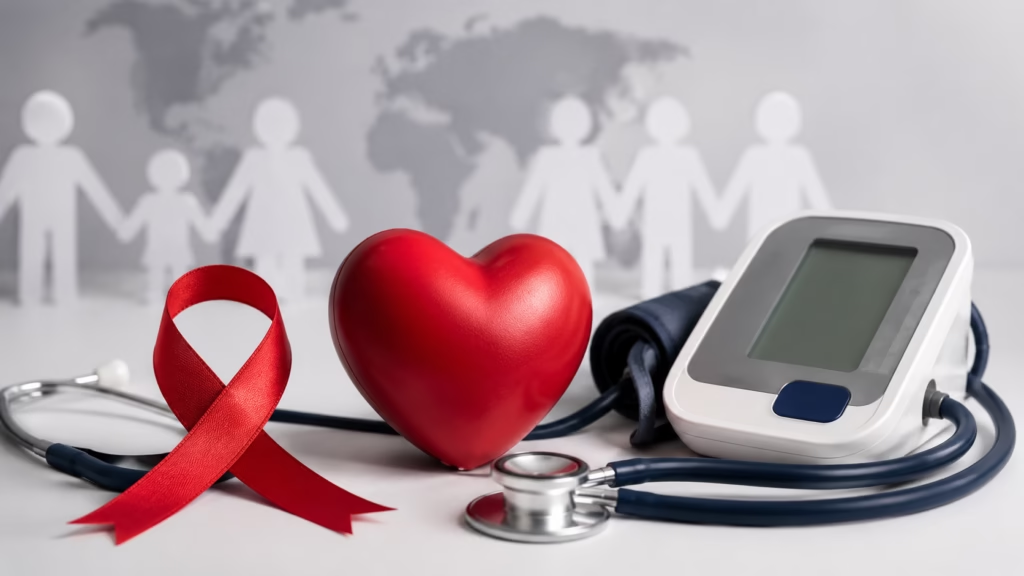
Every year, healthcare organizations, medical professionals, community groups, and public health advocates come together to observe Hypertension Awareness Month. This important health campaign is dedicated to raising awareness about high blood pressure, one of the most common yet frequently overlooked health conditions worldwide. Despite affecting more than one billion people globally, hypertension often develops silently without obvious symptoms, allowing it to cause significant damage to the heart, blood vessels, kidneys, brain, and eyes before it is detected.
Because of its ability to progress unnoticed, hypertension has earned the nickname “the silent killer.” Many individuals discover they have high blood pressure only after experiencing a serious health event such as a heart attack, stroke, or kidney complication. Hypertension Awareness Month serves as a reminder that early detection, regular monitoring, and healthy lifestyle choices can significantly reduce these risks and improve long-term health outcomes.
This annual observance encourages people of all ages to learn more about blood pressure, understand their personal risk factors, participate in screening programs, and take proactive steps toward maintaining cardiovascular health. Whether you have recently been diagnosed with hypertension, have been managing the condition for years, or simply want to protect your future health, understanding the importance of blood pressure control is one of the most valuable investments you can make in your well-being.
Understanding Hypertension
Hypertension, commonly known as high blood pressure, occurs when the force exerted by blood against the walls of the arteries remains consistently elevated over time. Blood pressure is measured using two numbers. The first number, known as systolic pressure, represents the pressure inside the arteries when the heart contracts and pumps blood. The second number, known as diastolic pressure, represents the pressure when the heart relaxes between beats.
According to current medical guidelines, hypertension is generally defined as blood pressure readings that consistently measure 130/80 mm Hg or higher. Blood pressure naturally fluctuates throughout the day depending on physical activity, stress levels, sleep patterns, and other factors. However, when readings remain persistently elevated, the heart and blood vessels experience increased strain that can eventually lead to serious health complications.
What makes hypertension particularly dangerous is that it rarely causes noticeable symptoms during its early stages. Many individuals feel completely healthy while damage is quietly occurring within their cardiovascular system. This is why regular blood pressure screening is so important. Detecting hypertension early allows for timely intervention and can significantly reduce the likelihood of developing life-threatening complications.
Why Hypertension Awareness Month Matters
Hypertension Awareness Month plays a critical role in improving public understanding of high blood pressure and encouraging preventive healthcare behaviors.
One of its primary objectives is to educate the public about the risks associated with uncontrolled hypertension. Through educational campaigns, healthcare organizations provide information about the causes of high blood pressure, available treatment options, and lifestyle strategies that can help individuals reduce their risk. Educational materials are distributed through community events, social media campaigns, health fairs, webinars, schools, workplaces, and healthcare facilities.
The awareness campaign also promotes blood pressure screening initiatives. Many healthcare providers, pharmacies, hospitals, and community organizations offer free or low-cost blood pressure checks during this period. These screening programs help identify individuals who may have hypertension but are unaware of their condition. Early detection remains one of the most effective ways to prevent complications associated with uncontrolled blood pressure.
In addition, Hypertension Awareness Month empowers individuals to take ownership of their health. By increasing awareness and encouraging regular monitoring, people become more engaged in understanding their blood pressure readings and making informed decisions about their lifestyle and healthcare.
The Global Impact of Hypertension
Hypertension represents one of the leading causes of preventable illness and death worldwide. According to international health organizations, elevated blood pressure contributes significantly to cardiovascular diseases, strokes, kidney failure, and premature mortality.
The economic burden associated with hypertension is also substantial. Healthcare systems spend billions of dollars annually treating complications related to uncontrolled blood pressure. These costs include hospitalizations, medications, surgical procedures, rehabilitation services, and long-term management of chronic diseases.
Beyond the financial impact, hypertension affects quality of life. Individuals with poorly controlled blood pressure may experience limitations in physical activity, increased healthcare visits, medication side effects, and anxiety related to their condition. Raising awareness about prevention and management can help reduce both personal and societal burdens associated with hypertension.
Risk Factors for Hypertension
Several factors increase the likelihood of developing high blood pressure. Some of these factors cannot be changed, while others can be modified through lifestyle adjustments.
Age is one of the strongest risk factors. As people grow older, blood vessels naturally become less flexible, increasing the likelihood of elevated blood pressure. Family history also plays a significant role. Individuals with parents or close relatives who have hypertension are more likely to develop the condition themselves.
Certain ethnic populations experience higher rates of hypertension and related complications. Research has shown that African, Hispanic, and South Asian populations often face increased risks, highlighting the importance of targeted awareness and prevention efforts.
While some risk factors are beyond individual control, many are directly influenced by lifestyle choices. Diets high in sodium, processed foods, and saturated fats can contribute to elevated blood pressure. Physical inactivity, excess body weight, smoking, excessive alcohol consumption, and chronic stress are also major contributors.
Recognizing these risk factors allows individuals to make informed decisions that may reduce their chances of developing hypertension or improve blood pressure control if the condition is already present.
Prevention Strategies
One of the most encouraging aspects of hypertension is that it is often preventable. Even individuals with a family history of high blood pressure can substantially lower their risk through healthy lifestyle practices.
A nutritious diet is one of the most effective preventive tools. The Dietary Approaches to Stop Hypertension, commonly known as the DASH diet, has been extensively studied and shown to lower blood pressure. This eating plan emphasizes fruits, vegetables, whole grains, lean proteins, legumes, nuts, and low-fat dairy products while limiting sodium, added sugars, and unhealthy fats.
Regular physical activity is equally important. Exercise helps strengthen the heart, improve circulation, maintain healthy body weight, and reduce stress. Health experts generally recommend at least 150 minutes of moderate-intensity aerobic activity each week. Activities such as brisk walking, cycling, swimming, dancing, and jogging can all contribute to better blood pressure control.
Reducing sodium intake is another key preventive measure. Excess sodium causes the body to retain water, increasing blood volume and placing additional strain on blood vessels. Limiting sodium consumption to less than 2,300 milligrams per day, and ideally closer to 1,500 milligrams for those at risk, can significantly improve blood pressure levels.
Managing stress is also beneficial. Chronic stress may contribute to elevated blood pressure through hormonal changes and unhealthy coping behaviors. Relaxation techniques such as meditation, deep breathing exercises, yoga, mindfulness practices, and spending time in nature can help reduce stress and support cardiovascular health.
Recognizing Symptoms and Complications
One of the greatest challenges associated with hypertension is its lack of obvious symptoms. Many individuals live with elevated blood pressure for years without realizing it.
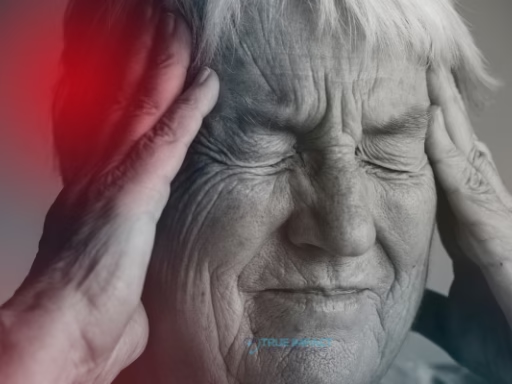
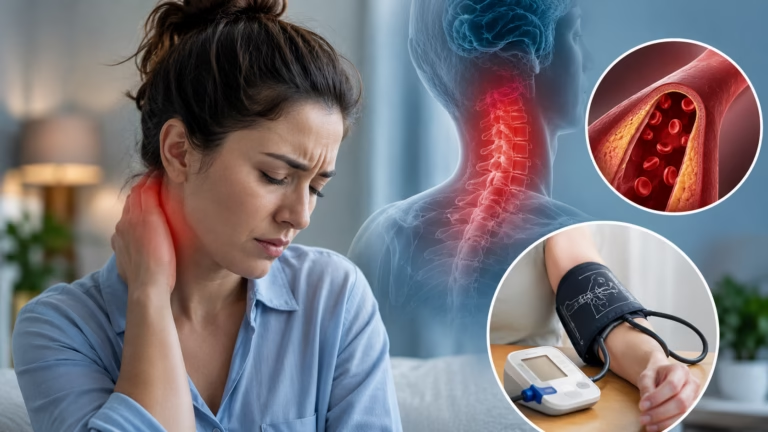
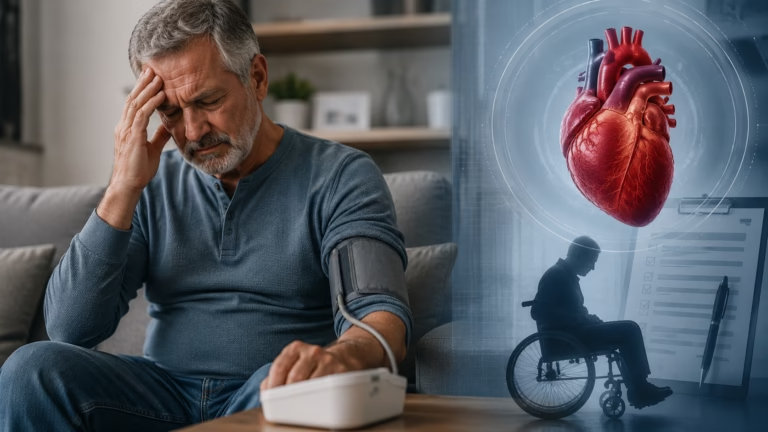
In some cases, severely elevated blood pressure may cause symptoms such as headaches, dizziness, blurred vision, nosebleeds, shortness of breath, or chest discomfort. However, these symptoms typically occur when blood pressure has already reached dangerous levels or when complications have begun to develop.
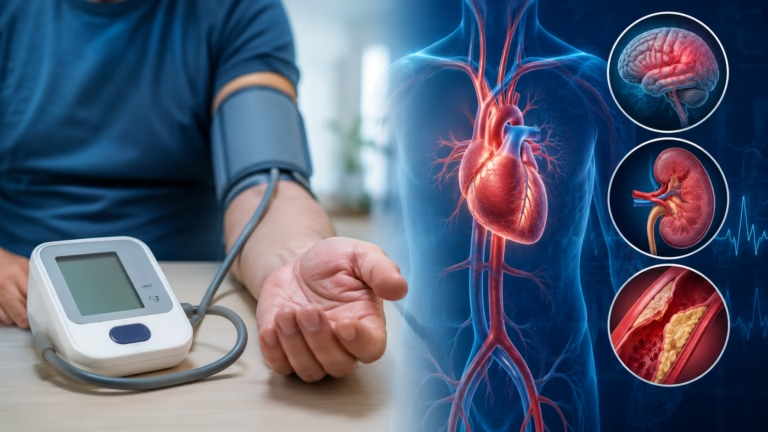
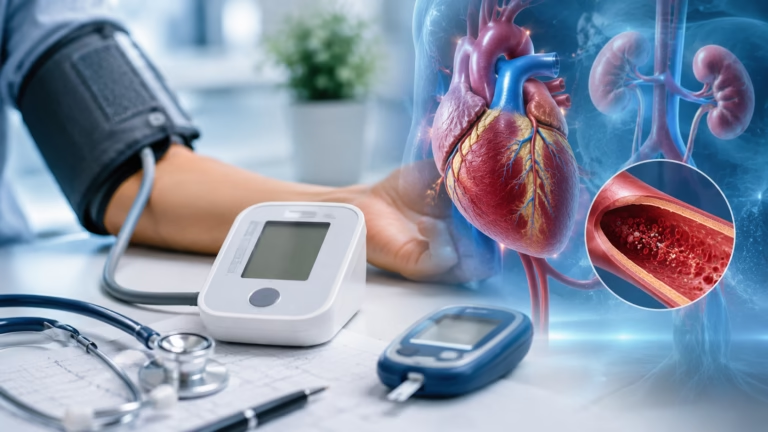
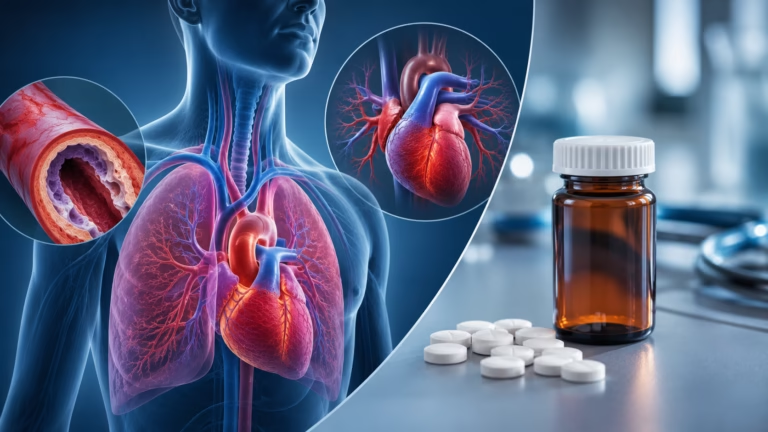
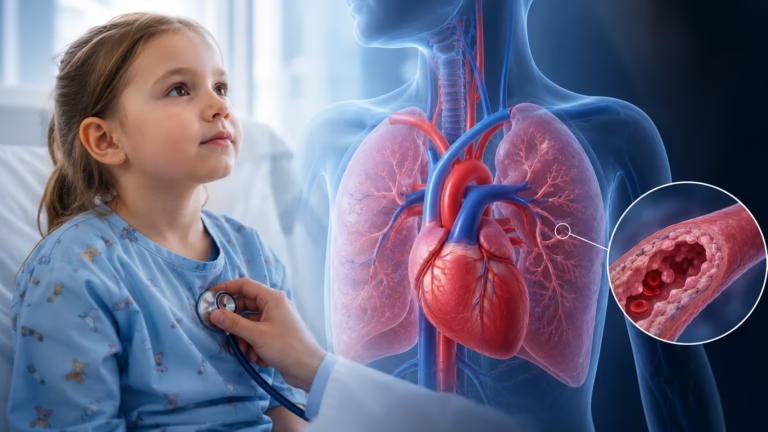
If left untreated, hypertension can damage virtually every organ system in the body. Persistent high blood pressure accelerates the development of coronary artery disease, increasing the risk of heart attacks and heart failure. It can weaken and damage blood vessels in the brain, leading to strokes and transient ischemic attacks.
The kidneys are particularly vulnerable because they rely on healthy blood vessels to filter waste from the bloodstream. Over time, uncontrolled hypertension can lead to chronic kidney disease and even kidney failure. The eyes may also suffer damage, resulting in vision problems and hypertensive retinopathy.
These serious complications underscore the importance of regular blood pressure monitoring and early intervention.
Monitoring and Managing Blood Pressure
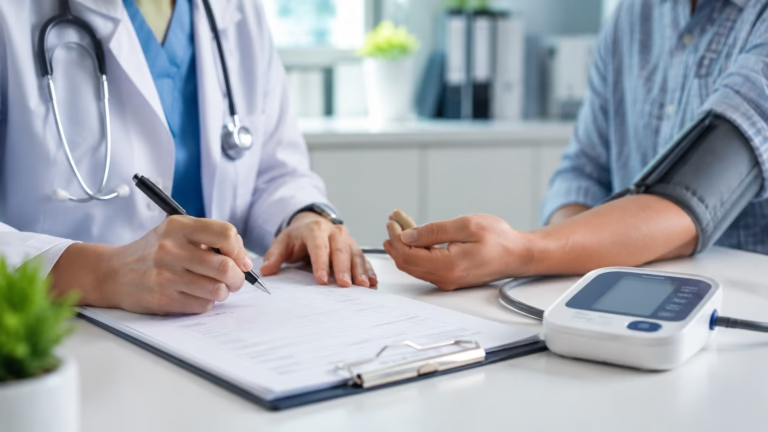
Effective blood pressure management begins with consistent monitoring. Home blood pressure monitors have become increasingly accessible and allow individuals to track their readings outside the clinical setting.
For accurate measurements, individuals should use validated upper-arm blood pressure monitors. Readings should be taken at approximately the same times each day, ideally in the morning and evening. Before measuring, it is important to sit quietly for several minutes, avoid caffeine or smoking, and maintain proper positioning with feet flat on the floor and the arm supported at heart level.
Recording readings in a journal or mobile application can help identify patterns and provide valuable information to healthcare providers. These records assist physicians in evaluating treatment effectiveness and making informed decisions regarding medication adjustments.
For many individuals, lifestyle modifications alone may not be sufficient to achieve target blood pressure levels. In such cases, medications may be prescribed. These medications work through various mechanisms to reduce blood pressure and protect against complications. Following medication instructions carefully and attending regular follow-up appointments are essential components of successful management.
Lifestyle Changes That Make a Difference
Small, consistent lifestyle changes often produce significant improvements in blood pressure control.
A heart-healthy diet remains one of the most powerful tools available. Increasing the intake of fresh fruits, vegetables, whole grains, and lean proteins provides essential nutrients that support vascular health. Reducing consumption of processed foods, sugary beverages, and high-sodium snacks can further enhance blood pressure control.
Regular exercise strengthens the cardiovascular system and improves the body’s ability to regulate blood pressure. The key is choosing activities that are enjoyable and sustainable. Walking, swimming, cycling, dancing, and recreational sports can all contribute to long-term success.
Stress management should not be overlooked. Emotional well-being plays an important role in overall cardiovascular health. Spending time with supportive friends and family, pursuing hobbies, engaging in relaxation techniques, and seeking professional counseling when necessary can all contribute to better blood pressure management.
Community Involvement During Hypertension Awareness Month
Hypertension Awareness Month provides an excellent opportunity for individuals and communities to become actively involved in promoting cardiovascular health.
Participating in local blood pressure screening events helps increase awareness and may identify individuals who require further evaluation. Sharing educational materials through social media platforms can extend the reach of awareness campaigns and encourage others to learn about hypertension.
Volunteering with healthcare organizations, community health programs, or support groups can also make a meaningful impact. Educational workshops, wellness fairs, and public health initiatives often rely on community involvement to succeed.
By working together, communities can help reduce the burden of hypertension and create healthier environments that support long-term cardiovascular wellness.
Conclusion
Hypertension Awareness Month serves as an important reminder that high blood pressure is both common and potentially dangerous, yet highly manageable when detected early and treated appropriately. Through education, screening, lifestyle improvements, and ongoing medical care, individuals can significantly reduce their risk of serious complications and improve their overall quality of life.
The message of this awareness campaign is simple but powerful: know your numbers, understand your risk factors, and take proactive steps to protect your heart health. Regular blood pressure monitoring, healthy lifestyle choices, and collaboration with healthcare professionals can make a profound difference in preventing disease and promoting long-term wellness.
This Hypertension Awareness Month, take the opportunity to check your blood pressure, encourage loved ones to do the same, and become an advocate for cardiovascular health within your community. Increased awareness today can lead to healthier lives tomorrow.
Disclaimer
This article is for educational purposes only and does not replace professional medical advice, diagnosis, or treatment. Seizures, severe headache, confusion, visual changes, or blood pressure readings in the hypertensive crisis range require urgent medical evaluation.