














Best Ear Cleaner for Dogs with Yeast Infection
Learn how to manage dog ear yeast infections with safe cleaning practices and understand when it is time to seek professional veterinary medical attention.
By True Impact Health Editorial Team

Doctor of Veterinary Medicine (DVM) who reviews the pet and animal health articles on True Impact Health.
Reviewed this article on October 10, 2026.
View profile How we reviewUpdated on October 10, 2026 9 min read

Table of Contents
Quick answer
The best ear cleaner for a dog with a yeast infection is a veterinarian-recommended, pH-balanced solution designed to dissolve wax and debris. Avoid harsh ingredients like alcohol or vinegar if the skin is inflamed or broken. Always consult your vet first, as true yeast infections typically require antifungal medication rather than just cleaning to resolve the underlying issue.
Today we will be talking about ear cleaners for dogs, specifically focusing on those with yeast infections. Yeast infections in dogs are caused by an overgrowth of yeast, which can lead to various issues, especially in the ear canal. Yeast thrives in moist environments and can result in symptoms such as itching, inflammation, and a foul odor. These infections are more common in certain breeds and can be exacerbated by factors such as allergies, skin conditions, or hormonal imbalances. It’s essential to address these infections promptly to prevent further complications and provide your furry friend with comfort.
Understanding Yeast Infections in Dogs
Yeast infections happen when the natural balance of bacteria and yeast in the dog’s body gets disturbed. The most common type of yeast affecting dogs is Malassezia pachydermatis, a fungus commonly found on the skin and in ears. When conditions allow this yeast to proliferate, it leads to an infection characterized by symptoms such as excessive scratching, inflammation, redness, and discharge from the ears. Yeast infections can often develop alongside allergies, resulting in an itchy dog that may scratch or rub their ears excessively.
Several factors can contribute to the development of yeast infections. These include a wet environment, inadequate cleaning, allergies to food or environment, and issues with the immune system. For instance, dogs with floppy ears may experience more frequent infections since their ear canals retain moisture, leading to an environment ripe for yeast growth. Consequently, it’s important to recognize the signs early and seek treatment, which may include proper cleaning of the affected area and potentially antifungal medications.
The Importance of Regular Ear Cleaning
Regular ear cleaning is essential in preventing yeast infections in dogs. Cleaning helps to remove wax, dirt, and debris that can contribute to the growth of yeast and bacteria. The frequency of ear cleaning varies by breed, lifestyle, and any existing health issues, but it is generally advisable to check and clean your dog’s ears at least once a month. Dogs with floppy ears, those who swim often, or those that are prone to ear infections should have their ears cleaned more frequently.
Using the right ear cleaner is vital, as some solutions may do more harm than good. Products containing alcohol or harsh chemicals can irritate the sensitive skin inside the ear canal. Therefore, choosing a gentle, pH-balanced ear cleaner specifically formulated for dogs is crucial. Regular ear cleaning not only prevents infections but also allows pet owners to monitor their dog’s ear health, catching any symptoms early on.
Choosing the Best Ear Cleaner for Dogs
When selecting the best ear cleaner for dogs with a yeast infection, it’s important to look for products that are designed to specifically target yeast and factors contributing to ear infections. Opt for a cleaner that contains natural antifungal ingredients and has soothing properties to help alleviate discomfort. Ingredients like aloe vera, witch hazel, or tea tree oil are often beneficial, but it’s essential to confirm that these are safe for your pet.
Before applying a cleaner, review the product’s instructions carefully to ensure it’s appropriate for your dog’s age, breed, and health status. Some products come with a dropper for easy application; others may require a cotton ball for cleaning. Always assess your dog’s comfort and check for any adverse reactions after cleaning to determine the effectiveness and tolerance of the product.
Homemade Ear Cleaning Solutions
For those who prefer a natural approach, homemade ear cleaning solutions can be made from ingredients that are typically safe and effective. A common recipe involves diluting a mixture of white vinegar and water (50/50 ratio). The acidity of vinegar can help eliminate yeast and bacteria. However, it should only be used if there are no open wounds, as vinegar can irritate raw skin.
Another option is to make a saline solution using distilled water and salt, which can help soothe inflammation. It’s crucial to ensure that any homemade solution is safe and appropriate for your dog, as some essential oils can be toxic to pets. Before using any homemade recipe, it is always best to consult with a veterinarian to maximize safety and effectiveness.
How to Apply Ear Cleaner Safely
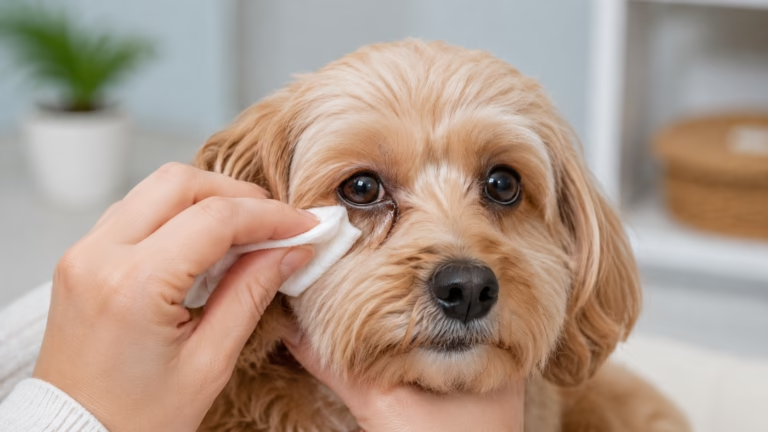
Applying ear cleaner to your dog’s ears requires a delicate approach to ensure safety and effectiveness. Start by selecting a comfortable spot where your dog feels secure. Hold your dog’s head gently but firmly to prevent sudden movements. Administer the ear cleaner as directed, ensuring it reaches the ear canal without being overly forceful.
After applying the cleaner, gently massage the base of the ear for about 20-30 seconds to help distribute the solution and break up any debris within the ear canal. Afterward, allow your dog to shake their head, which helps dislodge any debris. Use a clean cotton ball or gauze to wipe away excess fluid and contaminants. Avoid inserting cotton swabs deep into the ear canal, as this could cause damage or push debris further in.
Recognizing the Symptoms of Yeast Infections
Being aware of the typical symptoms of yeast infections can help pet owners act promptly. Itching and scratching are the most prevalent signs, often accompanied by redness, swelling, and a strong, unpleasant odor emanating from the ear. In more severe cases, discharge that appears brown or yellow may be present, and dogs may shake their heads or tilt them to one side in discomfort.
Additionally, inflammation may cause the ears to feel warm to the touch, and there may be signs of discomfort when the ear area is touched. Dogs with yeast infections often become more irritable due to the pain or itchiness associated with the infection. If you notice any of these symptoms, consulting a veterinarian promptly is advisable for proper diagnosis and treatment.
Vet Visits and What to Expect
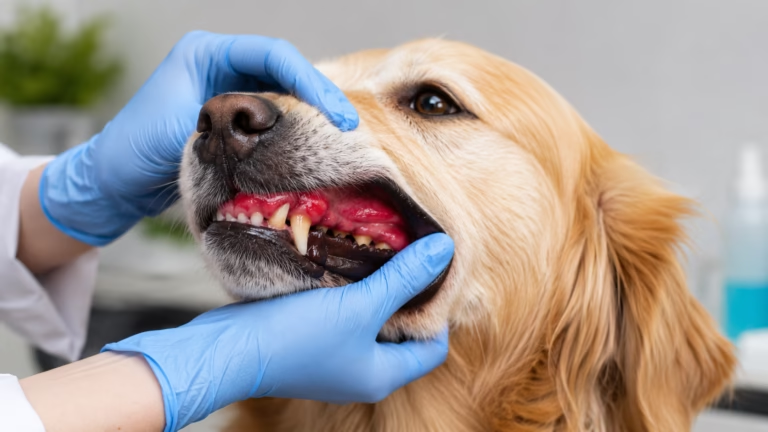
If your dog exhibits signs of a yeast infection or you’re unsure about the proper cleaning procedure, visiting the veterinarian is wise. During the consultation, a veterinarian will examine your dog’s ears and may take samples for laboratory testing. This will help determine whether the issue is due to yeast, bacteria, or other underlying conditions.
The vet may prescribe antifungal medications or recommend a specific ear cleaning solution tailored to your dog’s specific needs. Additionally, they may provide guidance on home care, including how frequently to clean the ears and signs to watch for. Ensuring regular checkups and following your veterinarian’s recommendations can help maintain your dog’s ear health and prevent future infections.
Preventive Care for Ear Health
Prevention is always better than cure, especially regarding ear infections. Maintaining good ear hygiene is essential. Always dry your dog’s ears thoroughly after swimming or bath time. Monitoring your dog’s diet is also important, as food allergies can contribute to skin and ear infections. A balance of nutrients promotes overall well-being and a healthy immune system.
Regular grooming and bathing help reduce the buildup of dirt and allergens that could lead to yeast infections. If your dog has a history of yeast infections, consult your vet about the best preventive measures, such as specialized shampoos or dietary adjustments. By being proactive about ear care and overall health, you can significantly reduce the likelihood of future problems.
When to Seek Professional Help
If home cleaning solutions are not effectively controlling your dog’s yeast infection, it’s important to seek professional help. Persistent infections can lead to more severe health issues, such as chronic ear problems or a condition known as ear hematoma. Additionally, if your dog exhibits extreme discomfort, lethargy, or a noticeable change in behavior, these may signal more serious health concerns that require veterinary treatment.
Veterinary intervention can provide guided treatment, medications, and a tailored plan to ensure your dog’s recovery. Always err on the side of caution when dealing with your pet’s health—early intervention can result in easier treatment and a quick return to your dog’s happy self.
In conclusion, caring for your dog with a yeast infection requires dedication to cleanliness, a keen eye for symptoms, and the proper ear care techniques. Choosing the right ear cleaning solution is paramount, whether over-the-counter or homemade, to ensure the comfort and health of your furry friend. Regular vet visits, maintaining good ear hygiene, and knowing when to seek professional help are crucial steps every dog owner should take. By being proactive and attentive, you can greatly enhance your dog’s quality of life and reduce the likelihood of disruption caused by yeast infections.
Frequently Asked Questions
Q: How can I tell if my dog has a yeast infection?
A: Symptoms of a yeast infection include itching, redness, a foul odor, excessive ear scratching, and discharge from the ears. If you notice these signs, consult a vet.
Q: Can I use regular ear cleaners on my dog?
A: Not all ear cleaners are safe for dogs. It’s essential to use products specifically formulated for canine ears, especially when dealing with infections.
Q: How often should I clean my dog’s ears?
A: For most dogs, ear cleaning should be done monthly. However, dogs prone to infections or with floppy ears may require more frequent cleaning.
Q: Are there any home remedies for yeast infections in dogs?
A: Some home remedies, like diluted vinegar or saline solutions, can be effective. However, it’s best to consult your vet before trying any home treatments.
Q: What should I do if my dog’s yeast infection does not improve?
A: If symptoms persist despite at-home care, it’s essential to consult a veterinarian for further examination and appropriate treatment.
For more information, see the NIH.
When to see a vet
- Visible discharge that is thick, yellow, green, or bloody.
- Persistent head tilting, circling, or loss of balance.
- Extreme pain, swelling, or heat around the ear base.
- Signs of hearing loss or lack of response to sounds.
- If symptoms do not improve after two days of cleaning.
- Call your local emergency vet if your dog is in acute distress.
If your pet collapses, struggles to breathe or is in severe pain, contact an emergency vet straight away.
Frequently asked questions
Can I use hydrogen peroxide to clean my dog's ears?
No, hydrogen peroxide is generally not recommended for routine ear cleaning. It can be irritating to the delicate skin inside the ear canal and may damage healthy tissue, potentially worsening inflammation or delaying the healing process. Always use a gentle, vet-approved ear cleanser instead of harsh household chemicals.
Why does my dog's ear smell like yeast?
A yeasty or musty odor is a classic sign of a Malassezia overgrowth. This fungus thrives in warm, moist environments, such as the ear canal. While cleaning can remove surface debris, the smell usually indicates an active infection that requires a professional diagnosis and appropriate antifungal treatment from your veterinarian.
How deep should I put the cotton ball in the ear?
You should only wipe the visible parts of the ear flap and the very entrance of the ear canal. Never insert cotton swabs or any object deep into the ear canal, as this can push debris further down or cause permanent damage to the eardrum. Let your dog shake their head to bring debris up.
Are ear infections in dogs contagious to humans?
Most yeast infections in dogs are caused by Malassezia, which is a normal inhabitant of canine skin. These infections are not typically contagious to humans or other pets. However, if your dog has an ear infection, it is important to address it to prevent your pet from experiencing chronic pain or secondary bacterial infections.
Sources and further reading
Was this page helpful?
Thanks for your feedback! What could we improve?
Thank you! Your feedback helps us improve our articles.
Veterinary reviewed by
Dr. Hannah Silvanus, DVMDoctor of Veterinary Medicine (DVM) who reviews the pet and animal health articles on True Impact Health.
True Impact Health articles are written by our editorial team and based on reliable sources such as public health agencies, clinical guidelines and peer-reviewed research. This article has been checked by a veterinarian on our review panel. Read our editorial process.
This content is for general information and is not a substitute for professional medical advice, diagnosis or treatment.