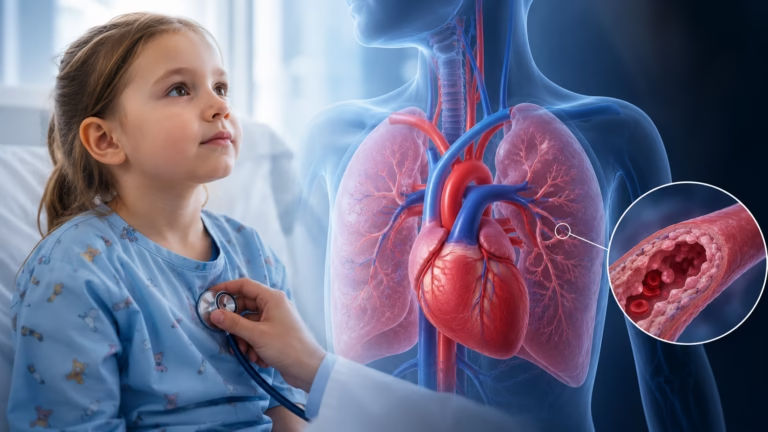













Pulmonary Hypertension Clinic
Pulmonary hypertension (PH) is a complex and potentially life-threatening condition characterized by elevated blood pressure within the arteries that...
Table of Contents
Introduction
Pulmonary hypertension (PH) is a complex and potentially life-threatening condition characterized by elevated blood pressure within the arteries that carry blood from the heart to the lungs. Although pulmonary hypertension is relatively uncommon compared to systemic hypertension, its impact on health can be profound. Without proper diagnosis and treatment, the condition can progressively strain the heart, reduce exercise capacity, impair quality of life, and eventually lead to heart failure.
One of the challenges of pulmonary hypertension is that its symptoms often develop gradually and may resemble those of more common conditions such as asthma, chronic obstructive pulmonary disease (COPD), anxiety, or general deconditioning. As a result, many patients experience delays in diagnosis, sometimes for months or even years after symptoms first appear.
This is where specialized pulmonary hypertension clinics play a crucial role. These centers are specifically designed to diagnose, treat, and monitor patients with pulmonary hypertension using a multidisciplinary approach that combines advanced diagnostics, evidence-based therapies, and comprehensive patient support. Understanding what these clinics offer and what to expect during your first visit can help you feel more prepared and confident as you begin your treatment journey.
Understanding Pulmonary Hypertension
Pulmonary hypertension occurs when pressure within the pulmonary arteries becomes abnormally elevated. These arteries transport blood from the right side of the heart to the lungs, where oxygen exchange occurs. When the vessels become narrowed, blocked, stiffened, or damaged, blood flow becomes more difficult, forcing the heart to work harder to pump blood through the lungs.
Over time, this increased workload can cause enlargement and weakening of the right ventricle, eventually leading to right-sided heart failure if the condition remains untreated.
Classification of Pulmonary Hypertension
The World Health Organization classifies pulmonary hypertension into five major groups based on the underlying cause.
Group 1: Pulmonary Arterial Hypertension (PAH)
This group includes conditions that directly affect the pulmonary arteries themselves. Pulmonary arterial hypertension may be idiopathic, hereditary, drug-induced, or associated with connective tissue diseases, congenital heart disease, or other disorders.
Group 2: Pulmonary Hypertension Due to Left Heart Disease
This is the most common form of pulmonary hypertension. It develops when conditions affecting the left side of the heart cause blood to back up into the pulmonary circulation.
Group 3: Pulmonary Hypertension Due to Lung Disease or Hypoxia
Chronic lung diseases such as COPD, interstitial lung disease, and sleep apnea can lead to elevated pulmonary artery pressures through chronic oxygen deprivation.
Group 4: Chronic Thromboembolic Pulmonary Hypertension (CTEPH)
This form results from chronic blood clots that obstruct pulmonary arteries and increase vascular resistance.
Group 5: Pulmonary Hypertension with Multifactorial or Unclear Mechanisms
This category includes less common conditions in which pulmonary hypertension develops through complex or poorly understood mechanisms.
Accurately identifying the type of pulmonary hypertension is essential because treatment strategies vary significantly among these groups.
Common Symptoms of Pulmonary Hypertension
Many individuals with pulmonary hypertension experience nonspecific symptoms that gradually worsen over time.
Shortness of breath is often the earliest and most noticeable symptom. Initially, breathing difficulties may occur only during physical activity, but as the disease progresses, symptoms can develop during routine daily activities or even at rest.
Fatigue is another common complaint. Reduced oxygen delivery throughout the body can leave patients feeling exhausted despite adequate rest.
Some individuals experience chest pain, chest pressure, dizziness, or episodes of fainting, particularly during exertion. These symptoms occur because the heart struggles to deliver sufficient blood flow during increased activity.
Swelling of the ankles, legs, feet, or abdomen may develop as right-sided heart function becomes impaired. Palpitations and rapid heartbeat are also common.
Because these symptoms overlap with many other conditions, specialized evaluation is often necessary to establish an accurate diagnosis.
The Role of a Pulmonary Hypertension Clinic
A pulmonary hypertension clinic provides specialized care that extends far beyond what is typically available in a general cardiology or pulmonology practice.
These centers focus exclusively on the diagnosis and management of pulmonary hypertension and often serve as regional referral centers for complex cases.
One of the greatest advantages of a specialized clinic is access to a multidisciplinary team of healthcare professionals who possess extensive experience in pulmonary hypertension management.
Rather than treating only one aspect of the disease, the clinic coordinates care across multiple specialties to address the physical, emotional, and practical challenges associated with living with pulmonary hypertension.
The Multidisciplinary Care Team
Patients receiving care at a pulmonary hypertension clinic often work with a diverse team of specialists.
Pulmonologists specialize in diseases affecting the lungs and respiratory system and play a central role in evaluating pulmonary causes of elevated pressures.
Cardiologists, particularly those with expertise in heart failure and pulmonary vascular disease, help assess the impact of PH on cardiac function.
Specialized nurse practitioners and physician assistants frequently provide ongoing patient education, symptom monitoring, and treatment coordination.
Clinical pharmacists assist with medication management, particularly because many pulmonary hypertension medications require careful monitoring and dose adjustments.
Dietitians help patients develop nutritional plans that support cardiovascular health and fluid management.
Physical therapists and pulmonary rehabilitation specialists guide patients through safe exercise programs designed to improve endurance and quality of life.
Mental health professionals and social workers provide emotional support, counseling, and assistance with navigating insurance, disability services, and financial concerns.
This collaborative approach ensures comprehensive care tailored to each patient’s unique circumstances.
Advanced Diagnostic Services
One of the defining features of a pulmonary hypertension clinic is access to advanced diagnostic testing.
Right Heart Catheterization
Right heart catheterization remains the gold standard for diagnosing pulmonary hypertension. During this procedure, a thin catheter is inserted into the heart and pulmonary arteries to directly measure pressure levels and assess blood flow.
This test provides definitive confirmation of pulmonary hypertension and helps determine disease severity.
Echocardiography
An echocardiogram uses ultrasound technology to evaluate heart structure and function. It can estimate pulmonary artery pressures, assess right ventricular function, and identify potential cardiac causes of pulmonary hypertension.
Pulmonary Function Testing
Pulmonary function tests measure lung capacity and airflow. These studies help determine whether underlying lung disease is contributing to elevated pulmonary pressures.
Imaging Studies
High-resolution CT scans provide detailed images of the lungs and pulmonary vessels, helping identify structural abnormalities, interstitial lung disease, or other contributing factors.
Ventilation-perfusion (V/Q) scans are particularly important when chronic thromboembolic pulmonary hypertension is suspected because they help identify chronic blood clots obstructing the pulmonary circulation.
These sophisticated diagnostic tools allow clinicians to accurately classify the condition and develop targeted treatment plans.
Personalized Treatment Planning
Treatment at a pulmonary hypertension clinic is highly individualized and depends on the underlying cause, disease severity, symptoms, and overall health status of the patient.
Following diagnosis, the healthcare team develops a comprehensive treatment plan designed to improve symptoms, slow disease progression, and enhance quality of life.
For patients with pulmonary arterial hypertension, treatment may include medications specifically designed to relax pulmonary blood vessels and reduce vascular resistance.
Common medication classes include endothelin receptor antagonists, phosphodiesterase-5 inhibitors, prostacyclin analogs, and soluble guanylate cyclase stimulators.
Patients with pulmonary hypertension caused by other underlying conditions may require targeted treatment of heart disease, lung disease, sleep apnea, or chronic blood clots.
Treatment plans often include oxygen therapy, supervised exercise programs, nutritional counseling, and lifestyle modifications.
For advanced cases, referral for surgical interventions or lung transplantation evaluation may be considered.
Additional Services Offered by Pulmonary Hypertension Clinics
Specialized pulmonary hypertension clinics frequently provide numerous supportive services designed to improve overall patient well-being.
Medication management programs help patients understand complex treatment regimens and identify potential side effects early.
Patient education sessions provide valuable information about disease progression, symptom monitoring, and self-management strategies.
Home oxygen evaluations ensure that patients receive appropriate oxygen support when needed.
Pulmonary rehabilitation programs combine supervised exercise training, breathing techniques, and education to improve physical functioning and confidence.
Support groups offer opportunities to connect with others facing similar challenges, reducing feelings of isolation and promoting emotional resilience.
Many clinics also participate in clinical research studies, giving eligible patients access to emerging therapies and innovative treatment approaches.
Benefits of Receiving Care at a Specialized PH Clinic
Research consistently demonstrates that patients managed at specialized pulmonary hypertension centers experience better outcomes compared to those receiving care in non-specialized settings.
Early diagnosis often leads to earlier intervention, which can significantly slow disease progression.
Specialized clinics have extensive experience interpreting complex diagnostic findings and selecting the most appropriate therapies.
Regular monitoring allows treatment plans to be adjusted promptly when disease progression occurs or new symptoms develop.
The coordinated multidisciplinary approach helps address all aspects of patient health, including physical symptoms, emotional well-being, and quality of life.
Many studies have shown that patients treated at specialized PH centers experience fewer hospitalizations, improved functional status, and better long-term survival.
What to Expect During Your First Visit
Your first appointment at a pulmonary hypertension clinic is often comprehensive and may take several hours.
The visit typically begins with a detailed review of your medical history, including previous diagnoses, medications, symptoms, family history, and prior testing results.
A thorough physical examination follows, focusing on cardiovascular and respiratory findings.
The healthcare team may review previous imaging studies, laboratory results, echocardiograms, pulmonary function tests, and catheterization reports. Additional testing may be ordered if necessary.
Many patients also meet with nurse educators, pharmacists, or other team members who provide information about pulmonary hypertension and discuss treatment options.
Following the evaluation, your specialist will explain the diagnosis, discuss treatment recommendations, answer questions, and establish a follow-up plan.
Most patients return for regular monitoring every three to six months, although follow-up frequency depends on disease severity and treatment response.
Tips for Patients and Caregivers
Preparing for your first visit can improve the quality of the consultation and help you feel more comfortable.
Bring copies of previous medical records, imaging reports, medication lists, and laboratory results whenever possible.
Keep a symptom journal documenting shortness of breath, fatigue, swelling, chest discomfort, and activity limitations.
Prepare a list of questions in advance so you do not forget important concerns during the appointment.
If possible, bring a family member or caregiver who can help take notes and provide additional support.
Most importantly, remember that pulmonary hypertension management is a partnership between you and your healthcare team. Active participation in your care can significantly improve outcomes and quality of life.
Conclusion
A pulmonary hypertension clinic provides specialized expertise, advanced diagnostic capabilities, and comprehensive multidisciplinary care for individuals living with this complex condition. From accurate diagnosis and personalized treatment planning to ongoing monitoring and supportive services, these clinics offer resources specifically designed to improve patient outcomes and quality of life.
Although receiving a diagnosis of pulmonary hypertension can feel overwhelming, specialized PH clinics provide the knowledge, experience, and support necessary to navigate the journey with confidence. Early referral and expert management can slow disease progression, reduce symptoms, improve daily functioning, and help patients live fuller and more active lives.
If you or a loved one experiences unexplained shortness of breath, fatigue, chest discomfort, or other symptoms suggestive of pulmonary hypertension, seeking evaluation at a specialized pulmonary hypertension clinic may be one of the most important steps toward better health and long-term well-being.
Disclaimer
This article is for educational purposes only and does not replace professional medical advice, diagnosis, or treatment. Seizures, severe headache, confusion, visual changes, or blood pressure readings in the hypertensive crisis range require urgent medical evaluation.
Was this page helpful?
Thanks for your feedback! What could we improve?
Thank you! Your feedback helps us improve our articles.
True Impact Health articles are written by our editorial team and based on reliable sources such as public health agencies, clinical guidelines and peer-reviewed research. This article has not yet been medically reviewed. Read our editorial process.
This content is for general information and is not a substitute for professional medical advice, diagnosis or treatment.