











How to Treat an Itchy Mole
Discover why moles itch and learn how to distinguish harmless irritation from concerning symptoms that require a professional evaluation by a dermatologist.
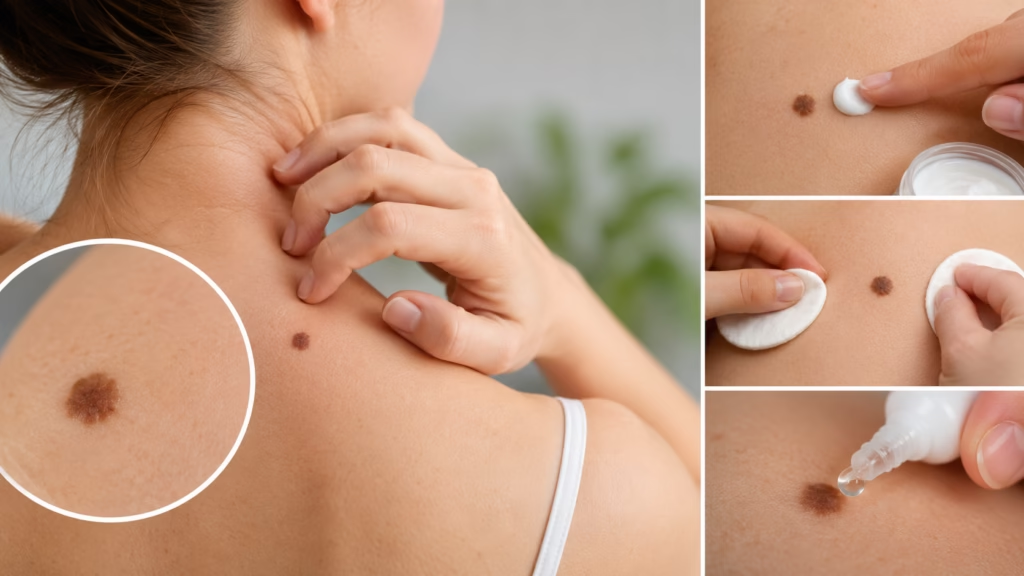
Table of Contents
Quick answer
An itchy mole is often caused by minor issues like dry skin, friction from clothing, or mild irritation. However, because persistent itching can occasionally be a sign of skin cancer, it is important to monitor the area closely. If the itching does not resolve quickly or if you notice changes in the mole's shape, size, or color, consult a dermatologist for a professional evaluation.
Introduction
Discovering an itchy mole can be unsettling. While many people assume that occasional itching is simply caused by dry skin or minor irritation, persistent itching around a mole should never be ignored. In most cases, an itchy mole is harmless and results from common factors such as friction, skin dryness, or mild inflammation. However, because changes in a mole can occasionally signal a more serious skin condition, including skin cancer, it is important to understand what may be causing the itching and how to respond appropriately.
Moles are common skin growths that most people develop throughout childhood and early adulthood. The majority remain stable and cause no symptoms. However, when a mole begins to itch, become irritated, or undergo visible changes, it often prompts concern and raises questions about whether medical attention is needed.
This comprehensive guide explains the causes of itchy moles, outlines effective home treatments, discusses warning signs that require professional evaluation, and provides practical prevention strategies to help maintain healthy skin.
Understanding Itchy Moles
To properly treat an itchy mole, it is first important to understand what a mole is and why itching may occur.
A mole, medically known as a nevus, is a collection of pigment-producing cells called melanocytes. These cells cluster together and create a spot on the skin that is usually brown, black, tan, or flesh-colored. Moles can vary in size, shape, and appearance and may occur anywhere on the body.
Most moles are completely benign and remain unchanged for many years. However, because moles contain living skin cells, they can respond to irritation and inflammation just like the surrounding skin. As a result, itching can develop for a variety of reasons that are not necessarily dangerous.
The challenge is distinguishing harmless irritation from symptoms that may indicate a more serious condition. Understanding the possible causes of itching is therefore an essential first step.
Common Causes of an Itchy Mole
Friction and Mechanical Irritation
One of the most common causes of an itchy mole is repeated friction. Moles located in areas that frequently rub against clothing, belts, bra straps, jewelry, backpacks, or shaving equipment can become irritated over time.
This constant rubbing creates mild inflammation in the surrounding skin and may stimulate nerve endings that trigger itching. Moles located on the neck, waistline, underarms, or scalp are particularly prone to this type of irritation.
In many cases, removing the source of friction allows the itching to gradually resolve on its own.
Dry Skin
Dry skin is another frequent cause of itching around moles. When the skin loses moisture, it can become rough, flaky, and irritated. The itching may seem to originate from the mole itself when, in reality, the surrounding skin is the source of discomfort.
Environmental factors such as cold weather, low humidity, excessive bathing, harsh soaps, and inadequate moisturization can contribute to skin dryness. Individuals with naturally dry or sensitive skin may be particularly susceptible.
Restoring moisture to the affected area often provides significant relief.
Allergic Reactions and Skin Irritants
Certain products that come into contact with the skin can trigger allergic reactions or irritation around a mole. These may include soaps, detergents, fragrances, cosmetics, lotions, sunscreens, or laundry products.
Even a mild allergic reaction can cause redness, itching, and inflammation around an otherwise normal mole. Insect bites occurring near a mole can also create localized itching that may be mistaken for a mole problem.
Identifying and eliminating the irritant often resolves symptoms quickly.
Hormonal Changes
Hormonal fluctuations can affect the appearance and sensitivity of moles. Pregnancy, puberty, menopause, and certain hormonal medications may cause moles to become slightly darker, larger, or more sensitive.
These hormonal influences can occasionally result in temporary itching. Although such changes are often benign, any significant or persistent alteration in a mole should still be evaluated by a healthcare professional.
Skin Conditions
Certain skin disorders can involve or surround moles, leading to itching and irritation. Conditions such as eczema, psoriasis, seborrheic dermatitis, and contact dermatitis can affect the skin around a mole and create symptoms that seem to originate from the mole itself.
In these situations, treating the underlying skin condition often relieves the itching.
Sun Damage
Excessive exposure to ultraviolet radiation can irritate both normal skin and moles. Sunburn causes inflammation, dryness, and itching, which may be particularly noticeable in areas where moles are present.
Repeated sun exposure can also contribute to long-term changes in moles and increase the risk of skin cancer. Protecting moles from ultraviolet damage is therefore an important aspect of prevention.
Potentially Concerning Changes
Although less common, persistent itching can sometimes be associated with abnormal changes within a mole. Certain atypical moles and skin cancers, including melanoma, may produce symptoms such as itching, tenderness, burning, or pain.
For this reason, ongoing itching that does not improve or is accompanied by visible changes should never be dismissed.
When to See a Dermatologist
While many itchy moles are harmless, some situations require professional evaluation. Dermatologists use several criteria to identify potentially dangerous moles.
A useful tool is the ABCDE rule.
Asymmetry
A healthy mole is usually symmetrical, meaning both halves look similar. If one side appears different from the other, further evaluation may be necessary.
Border
Benign moles typically have smooth, clearly defined borders. Irregular, jagged, blurred, or uneven edges may indicate abnormal growth.
Color
Normal moles usually maintain a consistent color. Multiple shades of brown, black, red, blue, white, or uneven pigmentation can be concerning.
Diameter
Although melanomas can be smaller, moles larger than six millimeters in diameter deserve closer monitoring.
Evolving
Any mole that changes in size, shape, color, texture, or symptoms over time should be evaluated by a dermatologist.
Additional warning signs include persistent itching, pain, bleeding, crusting, ulceration, swelling, or redness around the mole. These symptoms do not necessarily indicate cancer, but they warrant prompt medical assessment.
Home Remedies for Mildly Itchy Moles
If a mole appears normal and there are no warning signs, several home treatments may help relieve itching and irritation.
Apply a Cool Compress
A cool compress can provide immediate relief from itching and inflammation. Wrap an ice pack or cold pack in a soft cloth and place it on the affected area for five to ten minutes at a time.
The cooling effect helps calm irritated nerve endings and reduces local inflammation. This treatment can be repeated several times daily as needed.
Keep the Area Moisturized
Dry skin is a common contributor to itching. Applying a fragrance-free moisturizer can help restore the skin barrier and reduce irritation.
Products containing ceramides, glycerin, hyaluronic acid, or colloidal oatmeal are particularly beneficial. Moisturizers should be applied immediately after bathing to help lock moisture into the skin.
Use Oatmeal-Based Treatments
Colloidal oatmeal has well-established anti-inflammatory and soothing properties. Adding oatmeal preparations to a lukewarm bath can help calm itchy skin and reduce discomfort.
After soaking for ten to fifteen minutes, gently pat the skin dry and apply moisturizer.
Over-the-Counter Hydrocortisone Cream
A low-strength hydrocortisone cream may help reduce itching caused by mild inflammation or irritation. A thin layer can be applied once or twice daily for a short period.
Hydrocortisone should not be used indefinitely without medical supervision, particularly if symptoms persist or worsen.
Calamine Lotion
Calamine lotion provides a cooling sensation that can temporarily relieve itching. It is especially useful when irritation results from minor allergic reactions or insect bites near a mole.
Avoid Scratching
Although scratching may provide temporary relief, it often worsens irritation and can damage the skin. Repeated scratching increases inflammation and may introduce bacteria into the area.
Keeping fingernails short and avoiding direct contact with the mole can help prevent further irritation.
Professional Treatments for Itchy Moles
When symptoms persist or the mole appears suspicious, a dermatologist may recommend medical treatment.
Excisional Biopsy
An excisional biopsy involves completely removing the mole and sending it to a laboratory for microscopic examination. This procedure is considered the gold standard for evaluating suspicious moles.
The biopsy allows the dermatologist to determine whether the mole is benign, atypical, or cancerous.
Shave Removal
For raised benign moles that are frequently irritated, a shave removal procedure may be performed. During this treatment, the dermatologist carefully removes the protruding portion of the mole using a specialized blade.
This procedure is relatively quick and often performed under local anesthesia.
Cryotherapy
Certain benign skin lesions can be treated using liquid nitrogen. Cryotherapy freezes the affected tissue, causing it to gradually detach from the skin.
However, cryotherapy is generally not used for suspicious pigmented moles without proper evaluation.
Prescription Medications
If itching is caused by an underlying skin condition such as eczema or dermatitis, prescription-strength topical medications may be prescribed.
These treatments target inflammation and help relieve symptoms while protecting the surrounding skin.
Laser Therapy
Laser treatments may occasionally be used for cosmetic mole removal. However, laser therapy is not generally recommended for suspicious moles because it does not provide tissue for pathological examination.
Preventing Future Mole Irritation
Preventive measures can reduce the likelihood of future itching and help maintain healthy skin.
Practice Sun Protection
Ultraviolet radiation is one of the most significant risk factors for skin damage and skin cancer. Applying a broad-spectrum sunscreen with an SPF of at least 30 every day helps protect both moles and surrounding skin.
Protective clothing, wide-brimmed hats, and seeking shade during peak sunlight hours offer additional protection.
Perform Regular Skin Checks
Monthly self-examinations help identify new or changing moles early. Becoming familiar with your normal skin pattern makes it easier to notice unusual changes.
Individuals with numerous moles or a family history of skin cancer should also schedule regular dermatology examinations.
Use Gentle Skin Care Products
Harsh soaps, scrubs, and exfoliating treatments can irritate the skin and contribute to itching. Gentle, fragrance-free products are generally better tolerated, particularly for individuals with sensitive skin.
Stay Hydrated
Adequate hydration supports overall skin health. Drinking sufficient water and maintaining a healthy diet rich in fruits, vegetables, and healthy fats can help preserve skin moisture and resilience.
Manage Stress
Stress can worsen many skin conditions and contribute to itching. Incorporating relaxation techniques such as exercise, meditation, yoga, or adequate sleep may help support skin health and overall well-being.
Conclusion
An itchy mole is often caused by common and harmless factors such as dry skin, friction, allergies, sun exposure, or minor irritation. In many cases, symptoms can be effectively managed with simple home remedies such as cool compresses, moisturizers, oatmeal treatments, and avoidance of irritants.
However, vigilance remains essential. Persistent itching, changes in size or color, irregular borders, bleeding, crusting, or pain should never be ignored. These symptoms may indicate an atypical mole or, in rare cases, skin cancer that requires prompt medical attention.
Regular skin examinations, sun protection, and timely consultation with a dermatologist provide the best strategy for maintaining healthy skin and ensuring that any concerning changes are identified early. When it comes to moles, early detection and professional evaluation can provide both peace of mind and potentially life-saving intervention.
Disclaimer
This article is for educational purposes only and does not replace professional medical advice, diagnosis, or treatment. Seizures, severe headache, confusion, visual changes, or blood pressure readings in the hypertensive crisis range require urgent medical evaluation.
When to see a doctor
- The mole changes in size, shape, or color over a short period.
- The itching persists for more than two weeks without improvement.
- The mole begins to bleed, crust, ooze, or develop an open sore.
- The mole develops irregular, jagged, or blurred borders.
- You notice multiple colors or shades within a single mole.
- The mole becomes painful, tender, or inflamed without a clear cause.
If symptoms are severe or come on suddenly, call your local emergency number.
Frequently asked questions
Should I try to remove an itchy mole at home?
No, you should never attempt to remove a mole at home. Attempting to cut, burn, or chemically remove a mole can lead to severe infection, scarring, and permanent skin damage. Furthermore, removing a mole yourself prevents a doctor from performing a biopsy, which is the only way to determine if the tissue is cancerous or benign.
Can I use over-the-counter creams to stop the itching?
You may use a gentle, fragrance-free moisturizer if the itching is clearly caused by dry skin. However, avoid applying medicated creams, such as those containing steroids or antihistamines, until a doctor has examined the mole. These treatments could mask symptoms or alter the appearance of the skin, making it more difficult for a dermatologist to provide an accurate diagnosis.
Does an itchy mole always mean I have skin cancer?
No, an itchy mole does not automatically mean you have skin cancer. Most itchy moles are caused by benign factors like friction, sweat, or dry skin. While itching is a potential warning sign of melanoma, it is rarely the only symptom. A professional skin exam is the only reliable way to rule out malignancy and ensure your skin health.
How can I protect my moles from further irritation?
To protect your moles, wear loose-fitting clothing to reduce friction and use broad-spectrum sunscreen with an SPF of 30 or higher on all exposed skin. Avoid harsh soaps or scrubs directly on the mole. If you notice a mole is frequently irritated by jewelry or straps, consider covering it with a soft bandage or adjusting your accessories to prevent mechanical rubbing.
Sources and further reading
Was this page helpful?
Thanks for your feedback! What could we improve?
Thank you! Your feedback helps us improve our articles.
True Impact Health articles are written by our editorial team and based on reliable sources such as public health agencies, clinical guidelines and peer-reviewed research. This article has not yet been medically reviewed. Read our editorial process.
This content is for general information and is not a substitute for professional medical advice, diagnosis or treatment.