Introduction
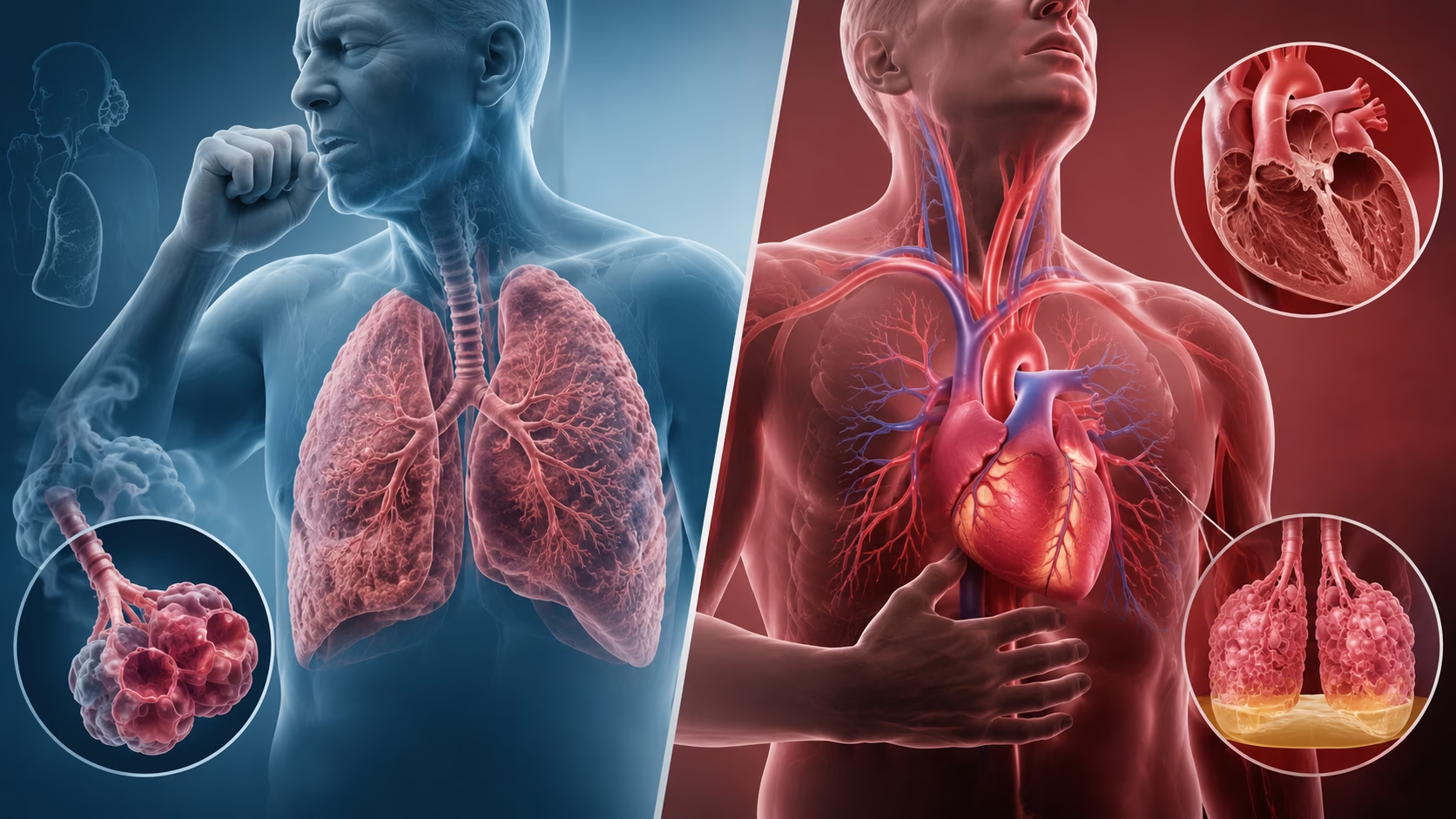
Shortness of breath, fatigue, and reduced physical stamina are symptoms that can significantly affect a person’s quality of life. These symptoms are commonly associated with two serious chronic conditions: chronic obstructive pulmonary disease (COPD) and congestive heart failure (CHF). Because these diseases share several clinical features, many patients find it difficult to understand the difference between them. In some cases, healthcare providers must perform extensive testing to determine which condition is responsible for a patient’s symptoms.
Although COPD and congestive heart failure may appear similar on the surface, they affect different organ systems and develop through different disease processes. COPD primarily affects the lungs and airways, whereas congestive heart failure is a disorder of the heart’s ability to pump blood effectively. Understanding these distinctions is essential for accurate diagnosis, effective treatment, and long-term disease management.
This comprehensive guide explores the causes, symptoms, diagnostic approaches, treatment options, and key differences between COPD and congestive heart failure. It also discusses situations in which both conditions may coexist and how patients can successfully manage them.
What Is COPD?
Chronic obstructive pulmonary disease, commonly known as COPD, is a progressive lung disease that causes airflow obstruction and breathing difficulties. The condition develops gradually over many years and is characterized by chronic inflammation and damage to the lungs and airways.
COPD is not a single disease but rather an umbrella term that primarily includes chronic bronchitis and emphysema. Chronic bronchitis involves long-term inflammation of the bronchial tubes, resulting in excessive mucus production and persistent coughing. Emphysema, on the other hand, damages the air sacs within the lungs, reducing their ability to exchange oxygen and carbon dioxide efficiently.
As the disease progresses, the lungs become less capable of delivering adequate oxygen to the bloodstream. Patients often experience increasing difficulty breathing, especially during physical activity. Because the condition develops slowly, many individuals do not recognize the severity of their symptoms until significant lung damage has already occurred.
Related Posts:

The most common cause of COPD is long-term cigarette smoking. However, exposure to air pollution, occupational dust, chemical fumes, biomass fuel smoke, and certain genetic conditions can also contribute to the development of the disease.
Causes and Risk Factors for COPD
Smoking remains the leading risk factor for COPD worldwide. Tobacco smoke damages the airways and lung tissue, triggering chronic inflammation and gradual destruction of the respiratory system.
Individuals who work in industries involving dust, chemicals, mining, construction, or manufacturing may also face an increased risk due to prolonged exposure to airborne irritants. Long-term exposure to indoor cooking smoke, particularly in poorly ventilated environments, has been linked to COPD in many developing regions.
A less common but important risk factor is alpha-1 antitrypsin deficiency, a genetic disorder that predisposes individuals to early-onset emphysema even in the absence of smoking.
Age also plays a role, as symptoms often become noticeable after years of cumulative lung damage. Most patients receive a diagnosis after the age of forty.
Symptoms of COPD
The symptoms of COPD typically develop gradually and worsen over time. Early signs may be subtle, causing many individuals to attribute them to aging or poor physical fitness.
One of the hallmark symptoms is chronic shortness of breath, particularly during physical activity. As lung function declines, even routine activities such as climbing stairs or walking short distances may become difficult.
A persistent cough is another defining feature. Unlike the occasional cough associated with minor respiratory illnesses, COPD-related coughing often persists for months or years and frequently produces mucus.
Many patients experience wheezing, chest tightness, and recurring respiratory infections. Fatigue is also common because reduced oxygen delivery limits the body’s ability to perform normal activities efficiently.
As the disease advances, individuals may notice unintended weight loss, muscle weakness, and increasing dependence on supplemental oxygen.
What Is Congestive Heart Failure?
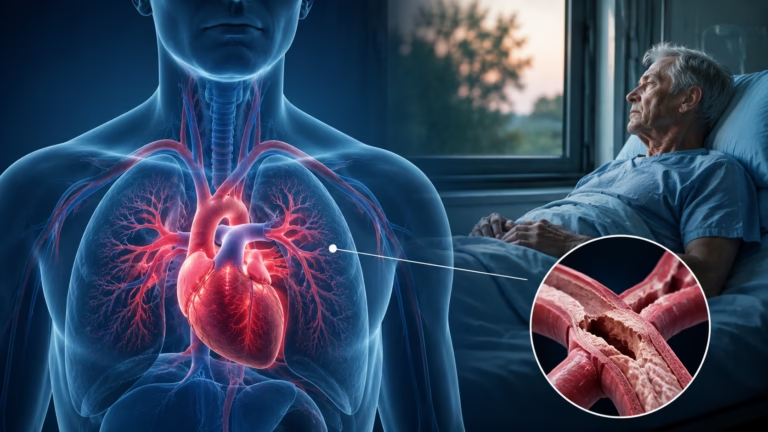
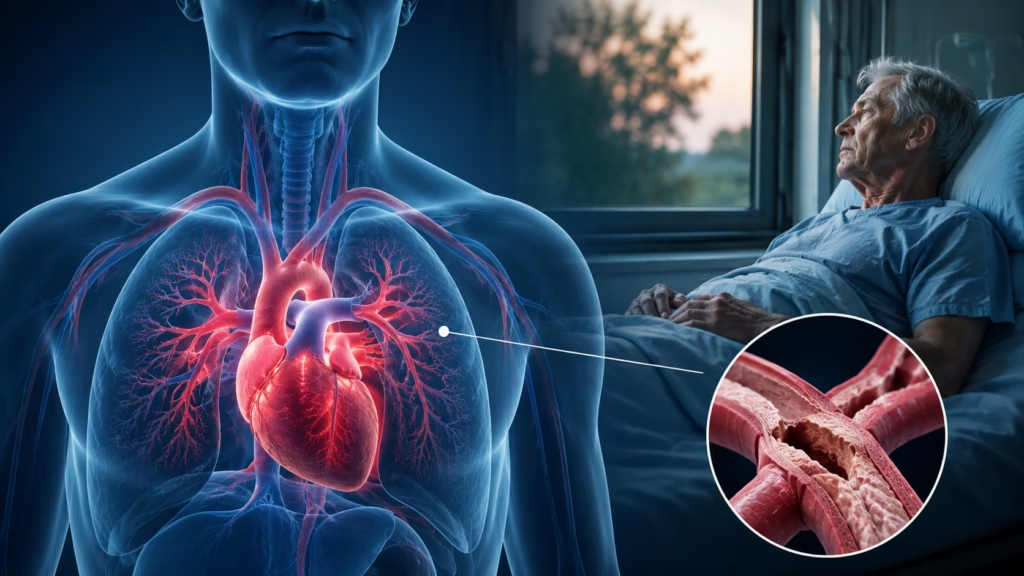
Congestive heart failure is a chronic condition in which the heart is unable to pump blood effectively enough to meet the body’s needs. Despite its name, heart failure does not mean the heart has stopped working. Rather, it means the heart’s pumping ability has become impaired.
When the heart cannot circulate blood efficiently, fluid begins to accumulate in various parts of the body. This fluid buildup often affects the lungs, causing breathing difficulties, and may also collect in the legs, ankles, abdomen, and other tissues.
Heart failure can affect either the left side, the right side, or both sides of the heart. Left-sided heart failure commonly results in fluid accumulation within the lungs, while right-sided heart failure often leads to swelling in the lower extremities and abdomen.
Because the condition affects blood circulation throughout the body, it can impact multiple organ systems and significantly reduce quality of life if not properly managed.
Causes and Risk Factors for Congestive Heart Failure
Several underlying cardiovascular conditions can lead to congestive heart failure.
Coronary artery disease is the most common cause. When blood flow to the heart muscle becomes restricted, portions of the heart may weaken or become permanently damaged following a heart attack.
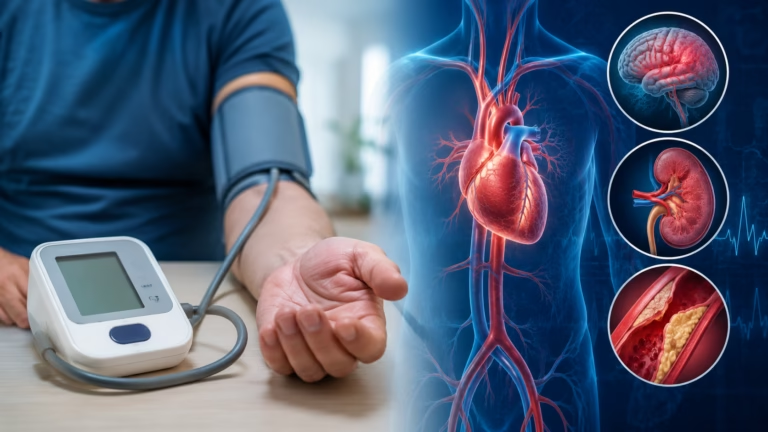
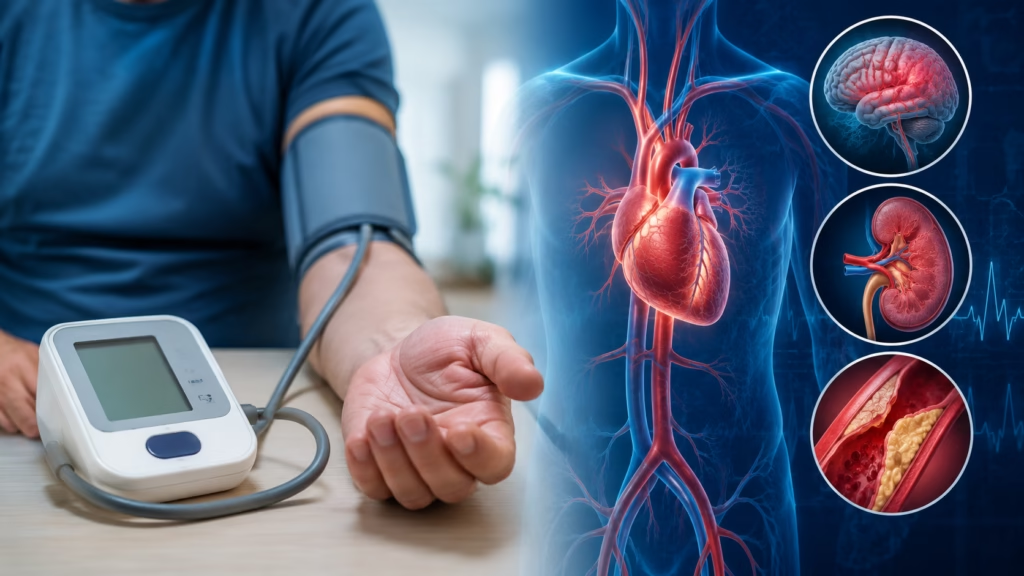
Long-standing hypertension is another major contributor. Elevated blood pressure forces the heart to work harder over many years, eventually causing the heart muscle to enlarge and weaken.
Cardiomyopathy, a disease of the heart muscle itself, can also impair cardiac function. In addition, damaged or malfunctioning heart valves may prevent efficient blood flow and place excessive strain on the heart.
Other contributing factors include diabetes, obesity, chronic kidney disease, excessive alcohol use, and certain viral infections that affect the heart muscle.
Symptoms of Congestive Heart Failure
Shortness of breath is one of the most recognizable symptoms of heart failure. However, the mechanism differs from COPD. In CHF, breathing difficulties occur because fluid accumulates in the lungs, making it harder for oxygen exchange to occur.
Many patients notice that symptoms worsen when lying flat. This condition, known as orthopnea, often forces individuals to sleep with multiple pillows or in a reclined position.
Fatigue and weakness are also common because reduced cardiac output limits oxygen and nutrient delivery to muscles and organs.
Swelling of the feet, ankles, legs, and abdomen frequently develops due to fluid retention. Rapid weight gain may occur as excess fluid accumulates throughout the body.
Some patients experience a persistent cough, especially at night. Unlike COPD, this cough may produce frothy or pink-tinged sputum when significant pulmonary congestion is present.
Heart palpitations, dizziness, and reduced exercise tolerance are also frequently reported.
Key Differences Between COPD and Congestive Heart Failure
Although both conditions commonly cause breathlessness and fatigue, several important differences help distinguish them.
The most fundamental difference lies in the organ system affected. COPD is primarily a lung disease involving airflow obstruction and impaired gas exchange. Congestive heart failure is a cardiovascular disorder involving reduced pumping efficiency and fluid congestion.
The nature of breathing difficulty also differs. In COPD, airflow becomes restricted because of airway narrowing and destruction of lung tissue. In CHF, shortness of breath results from fluid accumulation within the lungs.
Cough characteristics provide another important clue. Patients with COPD often experience a chronic productive cough that generates mucus. In contrast, heart failure may cause a dry cough or one associated with frothy sputum due to pulmonary edema.
Swelling of the ankles and legs is far more characteristic of congestive heart failure. While severe COPD can eventually lead to swelling through secondary complications, peripheral edema is generally considered a hallmark sign of heart failure.
Triggers for symptom worsening also vary. COPD flare-ups commonly occur following respiratory infections, smoking exposure, or environmental irritants. Heart failure exacerbations are more frequently associated with excessive sodium intake, fluid overload, medication non-adherence, or uncontrolled hypertension.
How Doctors Differentiate Between COPD and CHF
Because symptoms overlap considerably, physicians rely on multiple diagnostic tools to distinguish between these conditions.
A detailed medical history often provides important clues. A long history of smoking strongly suggests COPD, whereas a history of heart disease, hypertension, or previous heart attacks may point toward CHF.
Physical examination findings can also be revealing. Wheezing and prolonged expiration often indicate COPD, while swollen legs, elevated neck veins, and abnormal heart sounds may suggest heart failure.
Pulmonary function testing, particularly spirometry, is essential for diagnosing COPD. Patients with COPD typically demonstrate a reduced FEV1/FVC ratio, indicating persistent airflow limitation.
Chest imaging provides additional information. Chest X-rays may reveal hyperinflated lungs and flattened diaphragms in COPD. In contrast, heart failure often produces an enlarged cardiac silhouette and signs of pulmonary vascular congestion.
Echocardiography is one of the most important tests for diagnosing CHF because it evaluates heart structure, valve function, and ejection fraction.
Blood tests measuring BNP or NT-proBNP are particularly useful because elevated levels strongly suggest heart failure rather than primary lung disease.
Treatment of COPD
Treatment for COPD focuses on relieving symptoms, slowing disease progression, and preventing exacerbations.
Smoking cessation is the most effective intervention. Stopping smoking can significantly slow the decline in lung function and improve long-term outcomes.
Bronchodilator medications help relax airway muscles and improve airflow. These medications may be short-acting for immediate symptom relief or long-acting for maintenance therapy.
Inhaled corticosteroids are often prescribed for patients with frequent exacerbations to reduce airway inflammation.
Pulmonary rehabilitation programs combine exercise training, breathing techniques, education, and nutritional counseling to improve functional capacity and quality of life.
For individuals with severe oxygen deficiency, supplemental oxygen therapy may improve survival and daily functioning.
Vaccinations against influenza and pneumonia are strongly recommended because respiratory infections can trigger severe COPD exacerbations.
Treatment of Congestive Heart Failure
The management of congestive heart failure focuses on improving cardiac function, reducing symptoms, and preventing disease progression.
Lifestyle modifications play a crucial role. Patients are often advised to follow a low-sodium diet, limit fluid intake when appropriate, monitor daily weight, and engage in physician-approved physical activity.
Several medication classes form the foundation of heart failure treatment. ACE inhibitors and ARBs help relax blood vessels and reduce cardiac workload. Beta-blockers slow the heart rate and improve long-term heart function.
Diuretics help remove excess fluid from the body, relieving congestion and reducing swelling. Aldosterone antagonists provide additional fluid control while offering protective cardiovascular effects.
Advanced therapies may include implantable cardioverter-defibrillators (ICDs), cardiac resynchronization therapy devices, ventricular assist devices, or heart transplantation in selected patients.
When COPD and Congestive Heart Failure Occur Together
The relationship between COPD and CHF is complex because the two conditions frequently coexist. Studies suggest that a substantial proportion of patients with COPD also have some degree of heart failure.
Shared risk factors such as smoking, aging, hypertension, and cardiovascular disease contribute to this overlap. Additionally, chronic low oxygen levels associated with COPD can place strain on the right side of the heart, increasing the likelihood of heart-related complications.
Managing both conditions simultaneously requires close collaboration among pulmonologists, cardiologists, primary care providers, nurses, and pharmacists. Treatment plans must be carefully balanced because certain medications used for one condition may affect the other.
Regular monitoring, patient education, and coordinated care are essential for optimizing outcomes and reducing hospitalizations.
Conclusion
Although chronic obstructive pulmonary disease and congestive heart failure share several symptoms, they are fundamentally different conditions affecting different organ systems. COPD primarily involves chronic damage to the lungs and airways, while congestive heart failure results from impaired cardiac pumping and fluid congestion.
Understanding these differences is critical for obtaining an accurate diagnosis and receiving appropriate treatment. While COPD often presents with chronic productive cough, wheezing, and airflow obstruction, heart failure is more commonly associated with fluid retention, swelling, and breathing difficulties that worsen when lying down.
Because both conditions can significantly impact quality of life and may even coexist in the same patient, early evaluation by a healthcare professional is essential. With proper diagnosis, evidence-based treatment, lifestyle modifications, and ongoing monitoring, individuals living with COPD, CHF, or both conditions can successfully manage their symptoms and maintain a better quality of life.
Disclaimer
This article is for educational purposes only and does not replace professional medical advice, diagnosis, or treatment. Seizures, severe headache, confusion, visual changes, or blood pressure readings in the hypertensive crisis range require urgent medical evaluation.