The kidneys are among the most essential organs in the human body, performing a wide range of functions necessary for maintaining internal balance and...
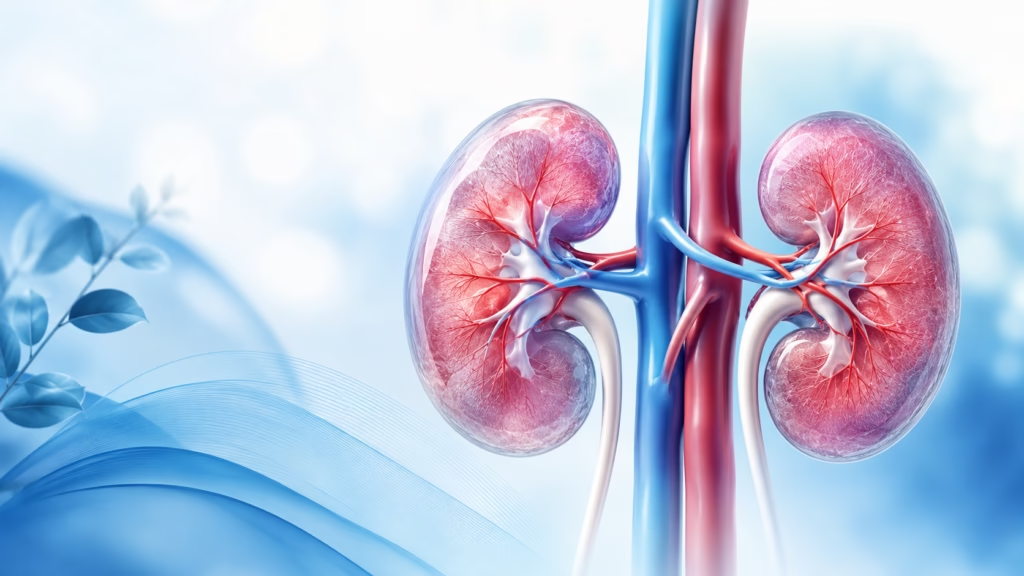
The kidneys are among the most essential organs in the human body, performing a wide range of functions necessary for maintaining internal balance and overall health. These organs continuously filter waste products from the bloodstream, regulate fluid and electrolyte levels, support red blood cell production, and help control blood pressure through complex hormonal mechanisms. When kidney function becomes impaired, the effects can extend throughout the entire body, increasing the risk of cardiovascular disease, metabolic disturbances, and systemic complications.
Key takeaways
Hypertension and kidney disease are closely linked; effective care must manage both conditions simultaneously to prevent progressive damage.
Multidisciplinary team offers coordinated, evidence based care with nephrologists, hypertension specialists, dietitians, and nurse educators for individualized treatment.
Early CKD detection, regular monitoring, and tailored therapies slow progression and protect cardiovascular health.
Lifestyle measures such as low sodium diet, regular exercise, home blood pressure monitoring, stress management, and medication adherence improve outcomes.
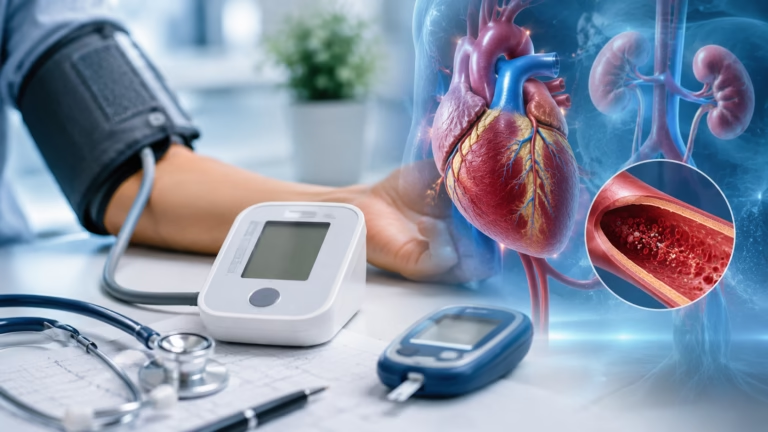
High blood pressure, or hypertension, is closely linked to kidney health. Persistent hypertension can damage the delicate blood vessels within the kidneys, while impaired kidney function can further elevate blood pressure levels. This bidirectional relationship creates a cycle that may accelerate disease progression if left untreated.
At Estrella Nephrology & Hypertension, the focus is on delivering comprehensive and evidence based care that addresses both kidney disease and blood pressure management simultaneously. Through multidisciplinary expertise, personalized treatment strategies, and patient centered education, the practice aims to improve long term health outcomes and quality of life for individuals living with renal and cardiovascular conditions.
Understanding the Relationship Between Nephrology and Hypertension
Nephrology is the branch of medicine dedicated to the diagnosis, treatment, and management of diseases affecting the kidneys. Hypertension, meanwhile, represents one of the most significant risk factors for kidney dysfunction and is also a common consequence of declining renal health.
The kidneys play a central role in blood pressure regulation by controlling sodium and fluid balance within the body. They also produce hormones such as renin, which activates pathways responsible for maintaining vascular tone and circulatory stability. When the kidneys function properly, these mechanisms help keep blood pressure within a healthy range.
However, chronic hypertension places excessive pressure on the small blood vessels within the kidneys. Over time, this damage reduces the kidneys’ ability to filter blood efficiently. As kidney function deteriorates, fluid retention and hormonal imbalances may further increase blood pressure, creating a harmful cycle of progressive cardiovascular and renal damage.
This close physiological relationship explains why effective treatment requires simultaneous management of both conditions. Addressing hypertension without considering kidney health may leave underlying renal issues untreated, while focusing solely on kidney disease without controlling blood pressure can accelerate functional decline.
Meet the Expert Team at Estrella Nephrology & Hypertension
A multidisciplinary healthcare approach is essential for managing complex renal and cardiovascular conditions. Estrella Nephrology & Hypertension brings together professionals with diverse expertise to provide coordinated and comprehensive patient care.
Board certified nephrologists lead the clinical management of chronic kidney disease, dialysis planning, and transplant evaluation. Their role includes interpreting diagnostic findings, monitoring disease progression, and tailoring treatment plans to individual patient needs.
Hypertension specialists focus on identifying and managing difficult or resistant forms of high blood pressure. Through advanced evaluation and medication optimization, these specialists help reduce cardiovascular risk and preserve kidney function.
Registered dietitians provide nutritional counseling designed specifically for patients with kidney disease or hypertension. Dietary modifications play a critical role in controlling sodium intake, managing fluid balance, and supporting overall metabolic health.
Nurse educators and care coordinators ensure continuity of care by helping patients understand their conditions, adhere to treatment plans, and navigate follow up appointments and lifestyle adjustments. This collaborative structure ensures that patients receive integrated support throughout every stage of treatment.
Chronic Kidney Disease Management
Chronic kidney disease, commonly referred to as CKD, involves a gradual decline in kidney function over time. Early detection and intervention are essential because symptoms often remain subtle until significant damage has occurred.
At Estrella Nephrology & Hypertension, comprehensive CKD management begins with accurate staging and ongoing monitoring. Glomerular filtration rate testing is used to assess how effectively the kidneys are filtering waste from the blood. Proteinuria assessment helps identify protein leakage into the urine, which serves as an important marker of kidney damage.
Treatment strategies are individualized and may include medication adjustments, dietary modifications, and blood pressure control measures. Patients also receive counseling regarding lifestyle changes that can slow disease progression and reduce the risk of complications. The goal is not only to preserve kidney function but also to improve overall cardiovascular health and long term quality of life.
Hypertension Evaluation and Treatment
Hypertension management requires careful assessment because elevated blood pressure can arise from multiple underlying causes. Estrella Nephrology & Hypertension provides comprehensive evaluation services for both newly diagnosed and treatment resistant hypertension.
Ambulatory blood pressure monitoring allows clinicians to track blood pressure patterns throughout the day and night, providing more accurate information than isolated office measurements. This approach helps identify conditions such as masked hypertension or abnormal nocturnal blood pressure patterns.
For patients with difficult to control hypertension, further diagnostic investigations may be conducted to identify secondary causes. These evaluations may include assessment for renal artery narrowing, endocrine disorders, or other underlying medical conditions contributing to elevated blood pressure.
Treatment plans are tailored to each individual and may involve combinations of antihypertensive medications, dietary interventions, and lifestyle modifications. Careful monitoring ensures that blood pressure targets are achieved safely while minimizing medication related side effects.
Dialysis Access and Support
Patients approaching end stage renal disease require specialized guidance regarding renal replacement therapy. Estrella Nephrology & Hypertension provides extensive education and support to help patients understand available dialysis options and prepare for treatment transitions.
Vascular access planning is an important aspect of hemodialysis preparation. Surgical creation of fistulas or grafts ensures reliable access for long term treatment. Patients considering peritoneal dialysis receive education and training regarding home based therapy techniques and infection prevention measures.
The practice also assists with coordination of in center dialysis services and ongoing management of dialysis related complications. Emotional support and patient education remain integral components of care during this transition period.
Pre and Post Transplant Care
Kidney transplantation represents a major treatment option for individuals with advanced renal disease. Successful transplantation requires careful evaluation, preparation, and long term follow up.
Estrella Nephrology & Hypertension supports patients throughout the transplant process, beginning with donor compatibility assessment and medical evaluation. Following transplantation, ongoing monitoring is essential to ensure graft function and minimize complications.
Immunosuppressive medication regimens are carefully managed to reduce the risk of organ rejection while minimizing adverse effects. Long term surveillance includes laboratory testing, imaging studies, and regular clinical assessments aimed at preserving transplant health and patient well being.
Lifestyle Strategies for Kidney Health and Blood Pressure Control
Lifestyle modification is a cornerstone of both kidney disease prevention and hypertension management. Patients are encouraged to adopt sustainable habits that support cardiovascular and renal health.
A kidney friendly diet emphasizes nutrient dense foods while limiting sodium intake. Excess sodium contributes to fluid retention and elevated blood pressure, increasing strain on both the cardiovascular system and the kidneys. Lean proteins, whole grains, fruits, and vegetables form the basis of balanced nutritional plans tailored to individual needs.
Regular physical activity improves circulation, supports healthy body weight, and enhances metabolic function. Moderate exercise performed consistently can significantly improve blood pressure control and overall physical resilience.
Home blood pressure monitoring provides valuable insight into daily blood pressure patterns and helps patients participate actively in their care. Recording readings consistently allows healthcare providers to make informed treatment adjustments.
Stress management is also important because chronic stress can contribute to elevated blood pressure and reduced overall well being. Relaxation techniques such as mindfulness, controlled breathing, and yoga may support both emotional and cardiovascular health.
Medication adherence remains critical for achieving treatment goals. Patients are encouraged to use organizational tools and communicate openly with healthcare providers regarding side effects or concerns.
Patient Success Story
Patient centered care often leads to meaningful improvements in health outcomes and quality of life. One example involves Maria, a fifty two year old teacher diagnosed with stage three chronic kidney disease and uncontrolled hypertension.
Through comprehensive evaluation, clinicians identified early renal artery narrowing contributing to her elevated blood pressure. A personalized medication regimen successfully reduced her systolic blood pressure from 160 mmHg to 125 mmHg within several months.
Nutritional counseling helped her transition to a low sodium, plant focused diet, while a structured exercise plan improved her physical endurance and supported healthy weight reduction. As a result, her kidney function stabilized, and she reported significant improvements in daily energy levels and confidence in managing her health.
This example highlights the value of individualized care, patient education, and multidisciplinary collaboration in achieving successful outcomes.
Conclusion
Estrella Nephrology & Hypertension is committed to providing comprehensive, compassionate, and evidence based care for individuals affected by kidney disease and hypertension. By integrating advanced medical expertise with patient education and lifestyle focused strategies, the practice supports long term kidney preservation, cardiovascular health, and overall wellness.
The close relationship between hypertension and kidney disease requires a coordinated treatment approach that addresses both conditions simultaneously. Through early detection, personalized management plans, and continuous support, patients are empowered to take an active role in protecting their health.
For individuals seeking specialized renal and blood pressure care, Estrella Nephrology & Hypertension offers the expertise and resources necessary to guide patients toward improved health outcomes and a better quality of life.
Disclaimer
This article is for educational purposes only and does not replace professional medical advice, diagnosis, or treatment. Seizures, severe headache, confusion, visual changes, or blood pressure readings in the hypertensive crisis range require urgent medical evaluation.
Thank you! Your feedback helps us improve our articles.
True Impact Health articles are written by our editorial team and based on reliable sources such as public health agencies, clinical guidelines and peer-reviewed research. This article has not yet been medically reviewed. Read our editorial process.
This content is for general information and is not a substitute for professional medical advice, diagnosis or treatment.