Introduction
High blood pressure, medically known as hypertension, is a condition that many people associate with human health. However, dogs can also develop hypertension, and the condition can have serious consequences if it goes unnoticed or untreated. Unlike many illnesses that produce obvious symptoms early on, hypertension often develops silently over time. As a result, significant damage may occur before pet owners realize that something is wrong.
In dogs, persistently elevated blood pressure can affect several vital organs, including the kidneys, eyes, heart, and brain. The condition may develop on its own, but more commonly it occurs as a result of another underlying disease. Early diagnosis and proper treatment can significantly reduce the risk of complications and help affected dogs enjoy a better quality of life.
Understanding the causes, symptoms, diagnosis, and treatment of canine hypertension allows dog owners to take proactive steps to protect their pets. Whether your dog is young and healthy or entering its senior years, awareness of hypertension is an important part of responsible pet care.
What Is Hypertension in Dogs?
Hypertension refers to an abnormal increase in blood pressure, which is the force exerted by circulating blood against the walls of the arteries. Every time the heart beats, it pumps blood throughout the body, creating pressure within the blood vessels. This pressure is necessary to deliver oxygen and nutrients to tissues and organs. However, when blood pressure remains consistently elevated, it can place excessive strain on blood vessels and organs.
In healthy dogs, systolic blood pressure generally ranges between 120 and 160 mmHg. When blood pressure repeatedly rises above the normal range, the risk of organ damage increases significantly. Persistent hypertension can damage delicate blood vessels, reduce organ function, and contribute to serious medical complications.
Unlike temporary increases in blood pressure that may occur during excitement, exercise, or stress, hypertension involves sustained elevations that require medical attention and ongoing monitoring.
Understanding the Types of Canine Hypertension
Veterinarians typically classify hypertension into two categories: primary hypertension and secondary hypertension.
Primary Hypertension
Primary hypertension, also called idiopathic hypertension, occurs when high blood pressure develops without an identifiable underlying cause. This form is relatively uncommon in dogs. Researchers believe that genetics, age-related changes, and individual biological factors may contribute to its development. Because no specific disease is responsible, treatment focuses primarily on controlling blood pressure and preventing organ damage.
Secondary Hypertension
Secondary hypertension is much more common in dogs. In these cases, high blood pressure develops as a consequence of another medical condition. Treating the underlying disease often helps improve blood pressure control. Secondary hypertension may result from kidney disease, hormonal disorders, diabetes, or other chronic illnesses.
Identifying whether hypertension is primary or secondary is essential because successful treatment depends on addressing the root cause whenever possible.
Why Hypertension Is Dangerous
Many dog owners are surprised to learn that hypertension can damage multiple organs throughout the body. Elevated blood pressure places constant stress on blood vessels, which can eventually lead to structural changes and reduced blood flow.
Eye Damage
The eyes are among the most vulnerable organs affected by hypertension. High blood pressure can cause retinal hemorrhages, retinal detachment, and damage to delicate blood vessels within the eye. Some dogs may experience sudden vision loss or complete blindness as a result. In many cases, these changes occur rapidly and may be irreversible if treatment is delayed.
Kidney Damage
The kidneys contain thousands of tiny blood vessels that filter waste products from the bloodstream. Elevated blood pressure can damage these vessels, reducing kidney function over time. Unfortunately, kidney disease and hypertension often create a vicious cycle, with each condition worsening the other.
Heart Damage
When blood pressure remains elevated, the heart must work harder to pump blood throughout the body. This increased workload can cause the heart muscle to thicken, particularly the left ventricle. Over time, these changes may impair cardiac function and contribute to heart disease.
Brain Damage
Hypertension can also affect the nervous system. Damage to blood vessels in the brain may result in neurological symptoms, including disorientation, seizures, abnormal behavior, or even stroke-like episodes. These complications can significantly affect a dog’s quality of life and require immediate veterinary attention.
Causes and Risk Factors
Understanding what contributes to hypertension can help dog owners identify potential risks and seek veterinary care early.
Chronic Kidney Disease
Kidney disease is one of the most common causes of hypertension in dogs. Diseased kidneys often lose their ability to regulate blood pressure properly. As kidney function declines, blood pressure may rise, creating further damage to both the kidneys and other organs.
Hyperthyroidism
Although less common in dogs than in cats, excessive thyroid hormone production can increase heart rate and blood vessel activity, contributing to elevated blood pressure. Dogs with thyroid abnormalities require careful monitoring and treatment.
Cushing’s Disease
Cushing’s disease occurs when the body produces excessive amounts of cortisol, a stress hormone. Elevated cortisol levels can increase blood pressure through multiple mechanisms, including sodium retention and changes in blood vessel function.
Diabetes Mellitus
Diabetes affects blood vessels and organ function throughout the body. Dogs with diabetes may develop hypertension as a result of metabolic changes and associated kidney disease.
Breed Predisposition
Certain breeds appear to have a higher tendency toward hypertension. Breeds such as Doberman Pinschers, Greyhounds, and Shih Tzus have been identified as potentially being at increased risk. However, hypertension can occur in dogs of any breed.
Age
Older dogs are more likely to develop hypertension because age increases the likelihood of kidney disease, hormonal disorders, and cardiovascular changes. Senior dogs benefit greatly from routine wellness examinations that include blood pressure screening.
Obesity
Excess body weight places additional strain on the cardiovascular system. Obesity is associated with numerous health problems and may contribute to elevated blood pressure, reduced mobility, and chronic inflammation.
Stress and Anxiety
While stress alone does not typically cause chronic hypertension, ongoing anxiety may contribute to temporary increases in blood pressure. Managing stress can support overall cardiovascular health.
Recognizing the Signs and Symptoms
One of the greatest challenges of hypertension is that many affected dogs show no obvious symptoms during the early stages. For this reason, routine veterinary examinations are essential.
Vision Changes
Eye-related symptoms are among the most common signs of hypertension. Owners may notice cloudy eyes, dilated pupils, bumping into furniture, or sudden blindness. These symptoms often indicate damage to the retina caused by elevated blood pressure.
Neurological Symptoms
Damage to blood vessels in the brain can result in behavioral and neurological changes. Dogs may appear confused, disoriented, restless, or unsteady on their feet. Some may engage in unusual behaviors such as head pressing against walls or furniture.
Cardiovascular Signs
The heart responds to increased blood pressure by working harder. Some dogs may develop rapid heart rates, heart murmurs, or abnormal heart rhythms that can be detected during veterinary examinations.
General Signs
Many dogs with hypertension experience nonspecific symptoms such as lethargy, reduced appetite, increased thirst, or decreased activity levels. Although these signs can occur with many diseases, they should never be ignored.
Because these symptoms overlap with numerous medical conditions, professional evaluation is necessary to determine whether hypertension is present.
Diagnosing Hypertension in Dogs
Accurate diagnosis requires careful blood pressure measurement and investigation of potential underlying diseases.
Blood Pressure Measurement
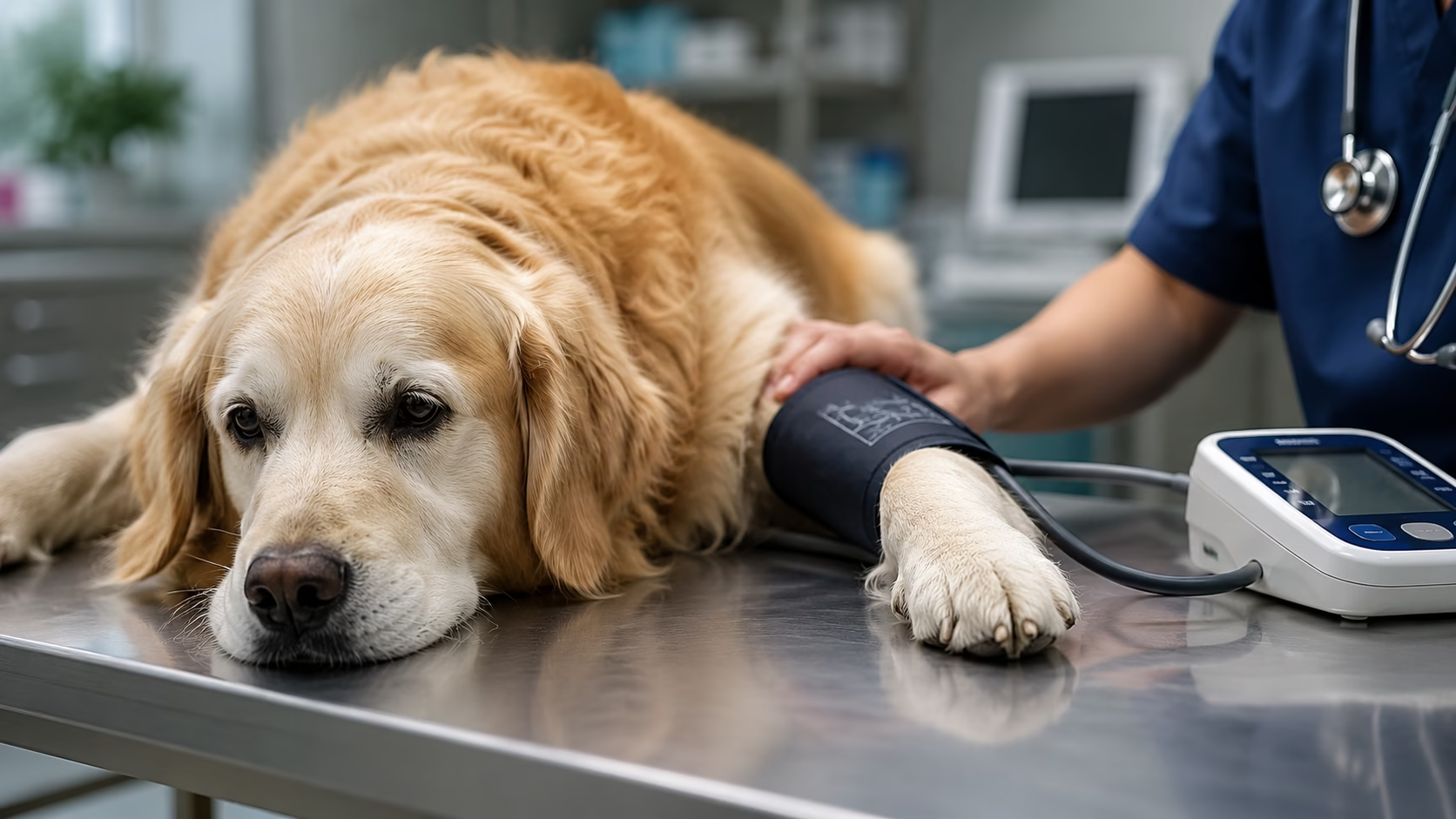
Veterinarians use specialized equipment similar to that used in human medicine. A small cuff is placed around the leg or tail, and blood pressure is measured using Doppler or oscillometric devices.
Because dogs may become anxious during veterinary visits, several readings are usually taken to ensure accuracy. This approach helps distinguish true hypertension from temporary stress-related elevations known as “white coat hypertension.”
Blood Testing
Blood tests provide valuable information about kidney function, liver health, electrolyte balance, and hormonal status. These tests help identify diseases that may be contributing to high blood pressure.
Urinalysis
Examining urine samples allows veterinarians to assess kidney function and detect abnormalities that may indicate underlying disease.
Imaging Studies
Ultrasound examinations and X-rays can reveal changes in the kidneys, adrenal glands, heart, and other organs. These imaging studies often provide important clues regarding the cause of hypertension.
Ophthalmic Examination
Because hypertension frequently affects the eyes, veterinarians may perform a detailed eye examination. Detecting retinal damage early can help prevent permanent vision loss.
Treatment Options for Canine Hypertension
The primary goals of treatment are to lower blood pressure safely, prevent organ damage, and address any underlying diseases.
ACE Inhibitors
Medications such as enalapril and benazepril belong to a group called angiotensin-converting enzyme inhibitors. These drugs help relax blood vessels, reduce blood pressure, and support kidney function.
Calcium Channel Blockers
Amlodipine is one of the most commonly prescribed medications for canine hypertension. It works by relaxing blood vessel walls, allowing blood to flow more easily and reducing pressure within the arteries.
Angiotensin Receptor Blockers
Medications such as telmisartan block the effects of hormones that contribute to elevated blood pressure. These drugs may be particularly useful in dogs with kidney disease.
Treating Underlying Conditions
Successful management often requires addressing the disease responsible for the hypertension. Kidney-supportive diets, hormone-regulating medications, diabetes management, and other therapies can significantly improve blood pressure control.
Monitoring Progress
Regular follow-up appointments are essential. Veterinarians typically recheck blood pressure every two to four weeks initially and then less frequently once the condition is stable. Periodic blood tests help ensure that treatment remains effective and safe.
Lifestyle Modifications and Prevention
Medical treatment works best when combined with healthy lifestyle practices.
Maintaining a Healthy Weight
Keeping your dog at an appropriate weight reduces strain on the heart and blood vessels. Weight management also lowers the risk of other diseases that contribute to hypertension.
Providing a Balanced Diet
Dogs with hypertension may benefit from diets containing controlled sodium levels and high-quality nutrients. Veterinary diets are often recommended for dogs with kidney disease or cardiovascular concerns.
Omega-3 Fatty Acids
Omega-3 fatty acids found in fish oil may help support cardiovascular health by reducing inflammation and improving blood vessel function.
Regular Exercise
Daily physical activity promotes cardiovascular fitness, weight control, and mental well-being. Most dogs benefit from at least thirty minutes of moderate exercise each day, although individual needs vary.
Stress Management
Maintaining consistent routines, providing mental enrichment, and creating a safe environment can help reduce anxiety and support overall health.
Routine Veterinary Care
Regular wellness examinations are among the most effective ways to detect hypertension before serious complications develop. Senior dogs and dogs with chronic illnesses should undergo periodic blood pressure screening.
Conclusion
Hypertension in dogs is a serious but manageable condition that deserves greater awareness among pet owners. Because high blood pressure often develops silently, many dogs show few signs until significant organ damage has already occurred. Fortunately, early detection, appropriate medical treatment, and lifestyle modifications can dramatically improve outcomes.
Understanding the causes, recognizing potential symptoms, and scheduling regular veterinary examinations are essential steps in protecting your dog’s health. By working closely with your veterinarian and maintaining a proactive approach to care, you can help your canine companion enjoy healthier blood pressure levels, improved quality of life, and many more happy years by your side. Every walk, every play session, and every wagging tail is worth protecting through attentive health management and preventive care.