
Introduction
High blood pressure, medically known as hypertension, is a condition that affects not only humans but also dogs. Although many pet owners are unaware that dogs can develop hypertension, it is a potentially serious health problem that can lead to long-term complications if left untreated. High blood pressure places excessive force on the walls of blood vessels, which can gradually damage vital organs such as the kidneys, heart, eyes, and brain. Because hypertension often develops silently without obvious symptoms, many dogs remain undiagnosed until significant organ damage has already occurred.
Fortunately, there are several ways pet owners can support their dog’s cardiovascular health at home. While veterinary care and prescribed medications remain the cornerstone of treatment for moderate to severe hypertension, lifestyle modifications can play a significant role in improving overall health and supporting blood pressure control. Proper nutrition, regular exercise, stress management, weight control, and home monitoring can all contribute to better outcomes.
This comprehensive guide explains what causes high blood pressure in dogs, how to recognize the warning signs, and the most effective home-based strategies for managing canine hypertension alongside veterinary treatment.
Understanding High Blood Pressure in Dogs
Blood pressure refers to the force exerted by circulating blood against the walls of arteries. This pressure is necessary to transport oxygen and nutrients throughout the body. However, when blood pressure becomes consistently elevated, it can place excessive strain on blood vessels and organs.
In dogs, hypertension is typically diagnosed when blood pressure readings remain elevated across multiple veterinary visits. Veterinarians generally become concerned when systolic blood pressure exceeds 160 mmHg, particularly when there is evidence of organ damage.
Unlike humans, where lifestyle factors are often the primary cause of hypertension, most cases of high blood pressure in dogs develop as a secondary condition. This means that an underlying disease process is responsible for raising blood pressure.
Common medical conditions associated with canine hypertension include chronic kidney disease, diabetes mellitus, Cushing’s disease, hyperthyroidism, and certain heart disorders. In a smaller number of cases, no identifiable cause can be found. This condition is known as primary or idiopathic hypertension.
Regardless of the cause, uncontrolled hypertension can have serious consequences. Over time, elevated blood pressure damages delicate blood vessels and tissues throughout the body, leading to complications that may significantly affect a dog’s quality of life.
Why High Blood Pressure Is Dangerous for Dogs
Many owners are surprised to learn that hypertension can damage multiple organ systems simultaneously. Because blood vessels supply every organ in the body, persistently elevated blood pressure can cause widespread injury.
The eyes are particularly vulnerable. Hypertension can cause retinal hemorrhages, retinal detachment, and sudden blindness. Some dogs lose their vision with little warning, making early detection especially important.
The kidneys also suffer when blood pressure remains elevated. Damaged kidney vessels reduce the organ’s ability to filter waste products effectively, potentially accelerating kidney disease and worsening overall health.
The heart must work harder to pump against increased vascular resistance. Over time, this extra workload may contribute to enlargement of the heart muscle and eventually heart failure.
The brain is another target organ. Severe hypertension can increase the risk of neurological complications, including seizures, disorientation, and stroke-like events.
Because these complications can be devastating, controlling blood pressure is essential for protecting a dog’s long-term health.
Recognizing the Signs of Hypertension in Dogs
One of the challenges associated with canine hypertension is that symptoms often remain subtle until the condition becomes advanced.
Many dogs with mild hypertension appear completely normal. As blood pressure rises or organ damage develops, signs may begin to emerge.
Vision changes are among the most common symptoms. Owners may notice that their dog bumps into furniture, hesitates when navigating familiar spaces, or appears confused in dim lighting. Sudden blindness can occur if retinal detachment develops.
Neurological signs may include disorientation, head pressing, seizures, unsteady walking, or unusual behavior changes.
Some dogs experience nosebleeds due to fragile blood vessels. Others may exhibit increased thirst and urination, especially when hypertension is linked to kidney disease or endocrine disorders.
General signs such as lethargy, decreased activity, loss of appetite, or weakness may also occur, although these symptoms are not specific to hypertension.
Because many of these signs overlap with other medical conditions, veterinary evaluation is necessary to determine the underlying cause.
Risk Factors for High Blood Pressure in Dogs
Several factors increase a dog’s likelihood of developing hypertension.
Age is one of the most significant risk factors. Older dogs are more likely to develop chronic illnesses that contribute to elevated blood pressure.
Dogs with chronic kidney disease are particularly susceptible because damaged kidneys play a central role in blood pressure regulation.
Endocrine disorders such as diabetes mellitus, Cushing’s disease, and hyperthyroidism can also disrupt normal cardiovascular function and increase blood pressure.
Obesity contributes to cardiovascular strain and is associated with a higher risk of hypertension.
Additionally, certain medications and chronic stress may influence blood pressure levels in susceptible dogs.
Understanding these risk factors can help owners identify dogs who may benefit from regular blood pressure screening.
Dietary Strategies to Support Healthy Blood Pressure
Nutrition is one of the most important components of managing hypertension at home.
Reduce Sodium Intake
Excess sodium encourages the body to retain water, increasing blood volume and placing additional strain on the cardiovascular system. For dogs with hypertension, reducing dietary sodium can help support healthier blood pressure levels and minimize fluid retention.
Many commercial dog foods contain higher sodium levels than necessary. Veterinary cardiac or renal diets are often formulated with carefully controlled sodium levels and may be recommended for dogs with hypertension.
Owners should avoid feeding table scraps, processed meats, salty snacks, canned soups, chips, and other high-sodium human foods.
Provide High-Quality Protein
Protein is essential for maintaining muscle mass and supporting overall health. Dogs with hypertension benefit from highly digestible protein sources such as chicken, turkey, fish, and eggs.
Unless kidney disease is severe and requires protein restriction, adequate protein intake should be maintained to prevent muscle loss and support normal body functions.
Include Omega-3 Fatty Acids
Omega-3 fatty acids provide anti-inflammatory benefits and support cardiovascular health. These healthy fats may improve blood vessel function and help reduce inflammation associated with chronic disease.
Excellent sources include:
- Salmon oil
- Sardine oil
- Fish oil supplements
- Fatty fish approved by your veterinarian
Many veterinary cardiologists recommend omega-3 supplementation as part of a comprehensive treatment plan.
Add Antioxidant-Rich Foods
Antioxidants help protect cells from oxidative stress and may support long-term cardiovascular health.
Dog-safe antioxidant sources include:
- Blueberries
- Spinach
- Carrots
- Pumpkin
- Green beans
These foods should be offered in moderation and only as part of a balanced diet.
Control Portion Sizes
Overfeeding contributes to obesity, which increases cardiovascular strain and can worsen hypertension.
Owners should work with their veterinarian to determine appropriate calorie intake based on the dog’s age, breed, activity level, and medical condition.
Exercise and Weight Management
Regular physical activity supports healthy circulation, improves cardiovascular fitness, and helps maintain a healthy body weight.
Establish a Consistent Exercise Routine
Most dogs benefit from moderate daily exercise. Activities such as walking, swimming, and gentle play can improve overall cardiovascular health without placing excessive strain on the body.
For many dogs, 20 to 30 minutes of moderate activity per day provides significant benefits. However, exercise recommendations should always be tailored to the dog’s overall health status.
Dogs with severe hypertension, heart disease, or other medical complications may require modified exercise plans developed in consultation with a veterinarian.
Achieve and Maintain a Healthy Weight
Excess body fat increases the workload on the heart and can contribute to elevated blood pressure.
Weight loss should be gradual and carefully monitored. Crash diets or excessive calorie restriction can create additional health problems and should be avoided.
Even modest weight reduction often leads to measurable improvements in cardiovascular health.
Stress Reduction and Emotional Well-Being
Stress can influence blood pressure through the release of hormones such as cortisol and adrenaline.
Dogs are highly sensitive to changes in their environment. Loud noises, household conflict, unpredictable routines, and anxiety-provoking situations may contribute to elevated stress levels.
Creating a calm and predictable environment can help support overall well-being.
Establish Consistent Routines
Dogs thrive on routine. Feeding, walking, playtime, and bedtime should occur at approximately the same time each day.
Predictability reduces anxiety and promotes emotional stability.
Create a Safe Resting Area
Providing a quiet area where your dog can retreat and relax is particularly important for anxious pets.
Comfortable bedding, familiar toys, and a calm atmosphere can help reduce stress-related behaviors.
Use Calming Aids
Some dogs benefit from calming pheromone diffusers, anxiety wraps, soothing music, or veterinarian-approved behavioral supplements.
These tools may help reduce anxiety and support healthier blood pressure levels.
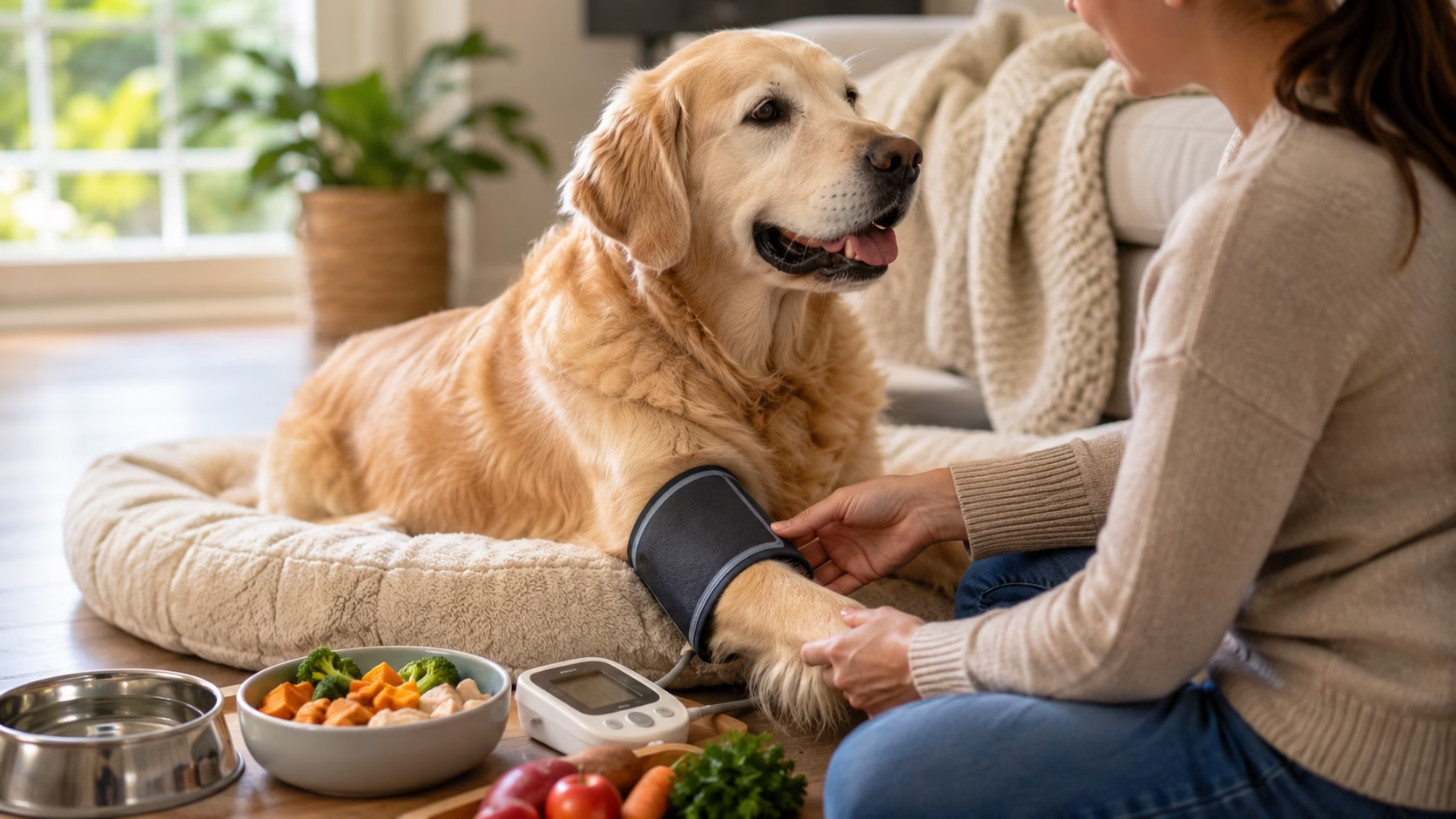
Monitoring Blood Pressure at Home
Home monitoring allows owners and veterinarians to track trends over time and evaluate treatment effectiveness.
Home Blood Pressure Devices
Veterinary-specific Doppler and oscillometric blood pressure monitors are available for home use.
Owners interested in home monitoring should receive proper instruction from their veterinarian to ensure accurate measurements.
Tips for Accurate Readings
Blood pressure should be measured in a quiet environment where the dog feels relaxed.
Allow your dog several minutes to settle before taking measurements.
Take multiple readings during each session and calculate the average value rather than relying on a single measurement.
Consistency in technique improves accuracy and reliability.
Keep Detailed Records
Maintaining a blood pressure log helps identify patterns and provides valuable information during veterinary visits.
Record:
- Date and time
- Blood pressure readings
- Medications administered
- Changes in diet
- Symptoms or behavioral observations
These records help veterinarians make informed treatment decisions.
When Medication and Veterinary Care Are Necessary
Although lifestyle modifications provide important support, many dogs with hypertension require medication to achieve adequate blood pressure control.
Common medications include:
Amlodipine
Amlodipine is often considered the first-line treatment for canine hypertension. It works by relaxing blood vessels and reducing vascular resistance.
ACE Inhibitors
Medications such as enalapril and benazepril help relax blood vessels and may be particularly beneficial for dogs with concurrent kidney disease or heart disease.
Ongoing Monitoring
Medication effectiveness and potential side effects must be monitored regularly. Veterinarians may adjust dosages based on blood pressure readings and overall health status.
Owners should never modify medication schedules without veterinary guidance.
When to Contact Your Veterinarian Immediately
Seek prompt veterinary attention if your dog experiences:
- Sudden blindness
- Seizures
- Collapse
- Severe lethargy
- Difficulty breathing
- Persistent nosebleeds
- Signs of stroke or neurological dysfunction
These symptoms may indicate severe hypertension or complications requiring immediate treatment.
Conclusion
High blood pressure in dogs is a serious but manageable condition. While many cases require veterinary treatment and medication, home-based strategies can play a vital role in supporting cardiovascular health and improving overall quality of life. A balanced low-sodium diet, regular exercise, weight management, stress reduction, and careful monitoring all contribute to better blood pressure control.
Because hypertension is often linked to underlying medical conditions, close collaboration with a veterinarian remains essential. Regular checkups, blood pressure assessments, and individualized treatment plans ensure that problems are detected early and managed effectively.
With proper care, attention, and ongoing veterinary support, many dogs with hypertension can continue to enjoy active, comfortable, and happy lives for years to come.
Disclaimer
This article is for educational purposes only and does not replace professional medical advice, diagnosis, or treatment. Seizures, severe headache, confusion, visual changes, or blood pressure readings in the hypertensive crisis range require urgent medical evaluation.