











Canine Congestive Heart Failure Stages of Dying
Learn the final stages of canine congestive heart failure, signs to watch for, and how to provide comfort and dignified care for your dog.
By True Impact Health Editorial Team

Dr. Hannah Silvanus, DVMVeterinary Reviewer, True Impact Health
Doctor of Veterinary Medicine (DVM) who reviews the pet and animal health articles on True Impact Health.
Reviewed this article on October 10, 2026.
View profile How we reviewUpdated on October 10, 2026 11 min read
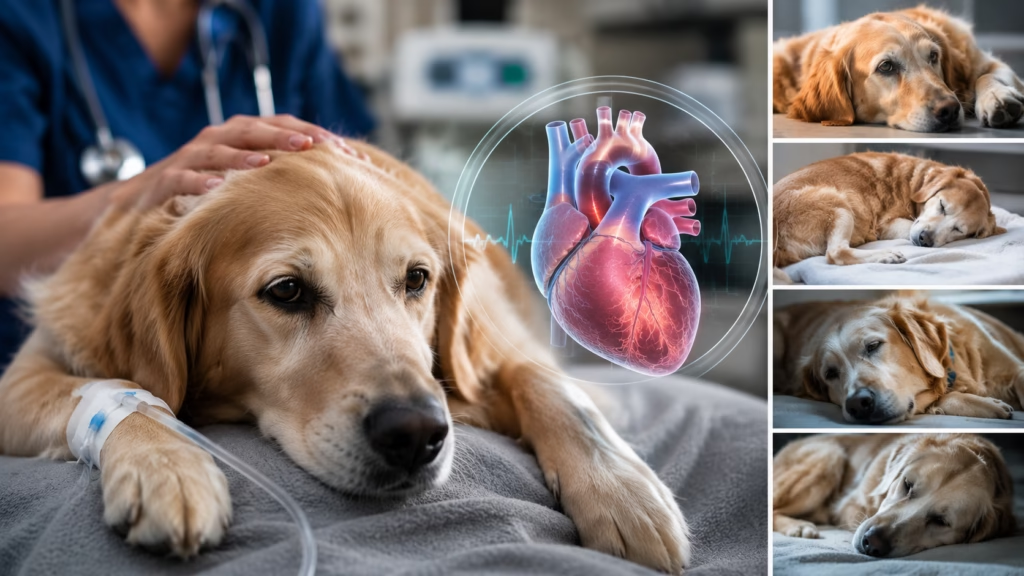
Table of Contents
Quick answer
Canine congestive heart failure progresses through compensatory, early decompensation and advanced stages, ending with severe fluid buildup, extreme fatigue and difficulty breathing. In the final stage dogs become very weak, may stop eating, and rely on upright or supported positions to breathe. Comfort care focuses on easing breathlessness, maintaining hydration and quality of life.
Introduction
Few experiences are more emotionally difficult for a pet owner than watching a beloved dog struggle with a serious illness. Congestive heart failure (CHF) is one of the most common heart conditions affecting older dogs, particularly certain breeds that are genetically predisposed to heart disease. Although advances in veterinary medicine have made it possible for many dogs with congestive heart failure to live longer and more comfortable lives, CHF remains a progressive condition that eventually reaches an end stage.
Understanding what happens during the final stages of congestive heart failure can help pet owners make informed decisions about treatment, comfort care, and quality of life. Recognizing the signs of disease progression allows families to prepare emotionally while ensuring that their dog receives the compassion and support they deserve during their final chapter.
This guide explains how congestive heart failure develops in dogs, the stages of disease progression, the physical and behavioral changes that often occur near the end of life, and practical ways to keep your dog comfortable and maintain their dignity throughout the process.
Understanding Congestive Heart Failure in Dogs
Congestive heart failure occurs when the heart can no longer pump blood efficiently enough to meet the body’s needs. As the heart weakens, blood flow becomes less effective, and fluid begins to accumulate in various parts of the body. Depending on which side of the heart is affected, fluid may collect in the lungs, chest cavity, abdomen, or extremities.
The condition itself is not a disease but rather the result of underlying heart disorders that gradually impair cardiac function. The most common cause of congestive heart failure in small and medium-sized dogs is degenerative mitral valve disease. This condition causes the heart valve between the left atrium and left ventricle to deteriorate over time, allowing blood to flow backward instead of forward efficiently.
In larger breeds, dilated cardiomyopathy is a more frequent cause. This disease weakens the heart muscle, reducing its ability to contract effectively and pump blood throughout the body.
Other potential causes include congenital heart defects, chronic high blood pressure, heartworm disease, and certain rhythm abnormalities.
Although congestive heart failure cannot usually be cured, early diagnosis and appropriate treatment can significantly improve a dog’s comfort, extend survival time, and enhance overall quality of life.
The Progressive Nature of Congestive Heart Failure
Congestive heart failure does not develop overnight. In most dogs, the condition progresses gradually over months or years. During the early stages, the body activates several compensatory mechanisms that temporarily help maintain circulation despite declining heart function.
Eventually, however, these compensatory systems become overwhelmed. Fluid accumulation increases, breathing becomes more difficult, and the heart struggles to meet the body’s demands. Understanding the stages of progression helps pet owners recognize changes and anticipate future needs.
Stage One: Compensation
The earliest stage of congestive heart failure is often referred to as the compensatory stage. During this phase, heart disease may already be present, but the body successfully compensates for the heart’s reduced efficiency.
Many dogs appear completely normal during this period. They continue eating, playing, exercising, and interacting with family members as usual. Some owners may notice only subtle changes, such as slightly reduced stamina during long walks or a tendency to tire more quickly after vigorous activity.
Often, the first indication of a problem comes during a routine veterinary examination when a heart murmur or abnormal rhythm is detected. Diagnostic tests such as chest radiographs, echocardiography, or electrocardiography may reveal underlying heart disease before clinical symptoms become apparent.
Although dogs in this stage generally maintain a good quality of life, regular monitoring becomes increasingly important because progression can occur gradually over time.
Stage Two: Early Decompensation
As heart disease advances, the body’s ability to compensate begins to decline. This stage is often marked by the first noticeable symptoms of congestive heart failure.
One of the earliest signs is a persistent cough, particularly at night or after exercise. The cough develops because fluid begins accumulating within or around the lungs, irritating the airways and reducing respiratory efficiency.
Owners may notice that their dog breathes faster than usual while resting. Some dogs become less enthusiastic about physical activity and may stop playing before becoming fully exhausted. Appetite may begin to fluctuate, and mild weight loss can occur.
At this stage, veterinary intervention often includes medications designed to support heart function and reduce fluid accumulation. Drugs such as pimobendan, ACE inhibitors, and low-dose diuretics may significantly improve symptoms and slow disease progression.
Many dogs continue to enjoy a good quality of life during this period, especially when treatment is initiated promptly.
Stage Three: Advanced Decompensation
As congestive heart failure progresses further, symptoms become more pronounced and begin to interfere significantly with daily activities.
Fluid accumulation becomes increasingly difficult to control. Some dogs develop pulmonary edema, a condition in which fluid collects within the lungs. Others may experience pleural effusion, where fluid accumulates around the lungs, or ascites, where fluid builds up within the abdomen.
Breathing difficulties become more noticeable. Dogs may breathe rapidly even while resting and often struggle to find comfortable sleeping positions. Many prefer sleeping with their neck extended or sitting upright because these positions make breathing easier.
Physical activity becomes severely limited. Climbing stairs, jumping onto furniture, or taking walks may become exhausting. Dogs often spend most of the day resting and may appear weak or lethargic.
Owners frequently notice significant changes in behavior. Previously active dogs may lose interest in favorite activities, social interactions, and play. Eating patterns often become irregular, and weight loss becomes more apparent.
This stage usually requires close veterinary supervision, medication adjustments, and more frequent monitoring of respiratory rate and overall condition.
Stage Four: Terminal or End-Stage Heart Failure
The final stage of congestive heart failure is characterized by severe symptoms that persist despite aggressive medical treatment.
Dogs in end-stage heart failure often experience respiratory distress even while completely at rest. Breathing may become labored, shallow, or unusually rapid. Some dogs develop episodes of open-mouth breathing, which is always a serious concern in dogs and often indicates significant respiratory compromise.
Muscle wasting and weight loss become pronounced as the body struggles to maintain normal function. Appetite frequently declines, and some dogs refuse food altogether.
Many dogs experience episodes of weakness, collapse, or fainting due to inadequate blood flow to vital organs. Mental changes such as confusion, disorientation, restlessness, or altered sleep patterns may also develop.
At this point, the focus of care often shifts from prolonging life to maximizing comfort and minimizing suffering. Quality-of-life assessments become an essential part of ongoing decision-making.
Physical Signs That Death May Be Approaching
Although every dog’s experience is unique, several physical signs commonly appear during the final days or weeks of life.
Breathing difficulties typically become more severe. Dogs may breathe rapidly even while sleeping, and respiratory effort may appear visibly increased. Some develop persistent coughing that no longer responds adequately to medication.
Fluid accumulation often becomes increasingly difficult to manage. Swelling of the abdomen, chest, or limbs may continue despite treatment.
The gums may appear pale, gray, or bluish due to reduced oxygen delivery. Body temperature may gradually decrease, and circulation to the extremities becomes less effective.
Many dogs experience profound weakness and spend most of their time lying down. Standing, walking, or changing positions may require assistance.
Behavioral Changes During the Final Stage
Behavioral changes can be just as significant as physical symptoms.
Many dogs become less interested in social interaction and spend more time resting alone. Others become unusually clingy and seek constant proximity to their owners.
Sleep patterns often change dramatically. Some dogs sleep almost continuously, while others become restless and unable to settle comfortably due to breathing difficulties.
Loss of appetite is common and may progress to complete refusal of food and water. Owners may notice reduced responsiveness to toys, treats, visitors, or previously enjoyable activities.
These changes often reflect the body’s declining ability to sustain normal function and should be viewed within the broader context of overall quality of life.
Providing Comfort Through Palliative Care
Palliative care focuses on maximizing comfort rather than curing disease. For dogs with advanced congestive heart failure, this approach can significantly improve quality of life.
Veterinarians often adjust medications to control fluid accumulation and improve breathing. Diuretics such as furosemide help remove excess fluid, while medications like pimobendan support cardiac function.
Oxygen therapy may be beneficial for dogs experiencing severe respiratory distress. Some veterinary hospitals offer oxygen cages, while portable oxygen systems may be available for home use in certain situations.
Creating a calm and comfortable environment is equally important. Soft bedding, easy access to food and water, and minimizing physical exertion can help reduce stress and discomfort.
Many dogs benefit from smaller, more frequent meals that are easier to consume. Maintaining hydration is also important, although fluid management should always follow veterinary guidance.
Assessing Quality of Life
Determining quality of life becomes increasingly important as congestive heart failure progresses.
Owners should evaluate factors such as appetite, mobility, comfort, breathing effort, interaction with family members, and overall enjoyment of daily activities.
Many veterinarians recommend using structured quality-of-life scales that assess pain, hydration, hygiene, mobility, happiness, and the balance between good days and bad days.
A dog that continues to enjoy eating, interacting, and resting comfortably may still have an acceptable quality of life despite advanced disease. However, persistent suffering, severe breathing difficulties, or loss of interest in all activities may indicate that quality of life has significantly declined.
When to Consider Euthanasia
The decision to pursue euthanasia is deeply personal and often one of the most difficult choices a pet owner will ever face.
There is no single moment that defines the right time. Instead, the decision typically involves evaluating whether treatment continues to provide meaningful comfort and whether the dog can still experience enjoyment and dignity.
Veterinarians can help assess disease progression and provide objective guidance. Many families find comfort in knowing that humane euthanasia can prevent unnecessary suffering when symptoms can no longer be adequately controlled.
Choosing euthanasia is not giving up. Rather, it is often a final act of compassion designed to spare a beloved companion from prolonged distress.
Coping With Anticipatory Grief and Loss
Preparing for the loss of a cherished pet can trigger profound emotions long before death occurs.
Many owners experience anticipatory grief as they watch their dog’s condition decline. Feelings of sadness, guilt, anxiety, and helplessness are entirely normal.
Support from family members, friends, veterinarians, pet-loss support groups, or grief counselors can be invaluable during this time. Creating lasting memories through photographs, paw prints, journals, or special activities may also provide comfort.
Remember that the bond between humans and their pets is deeply meaningful, and grieving that loss is a natural expression of love.
Conclusion
Congestive heart failure is a progressive condition that ultimately reaches a terminal stage, but understanding the journey can help pet owners provide the best possible care along the way. From the early compensatory phase to advanced heart failure, recognizing symptoms and responding appropriately can significantly improve comfort and quality of life.
As the end approaches, focusing on compassionate care, symptom management, and emotional support becomes increasingly important. Whether through palliative treatment, hospice care, or humane euthanasia, the goal remains the same: ensuring that your beloved companion experiences comfort, dignity, and love throughout their final days.
Although saying goodbye is never easy, the care, devotion, and compassion you provide during this difficult time are among the greatest gifts you can offer your faithful friend. Their final chapter may be challenging, but it can also be filled with comfort, peace, and the reassurance of being surrounded by those who love them most.
Disclaimer
This article is for educational purposes only and does not replace professional medical advice, diagnosis, or treatment. Seizures, severe headache, confusion, visual changes, or blood pressure readings in the hypertensive crisis range require urgent medical evaluation.
When to see a vet
- Sudden difficulty breathing or gasping for air
- Rapid weight loss or inability to eat or drink
- Persistent coughing that worsens or occurs at rest
- Visible fluid swelling in the abdomen or chest
- Collapse, fainting or severe lethargy
- Emergency: call your local emergency veterinary number
If your pet collapses, struggles to breathe or is in severe pain, contact an emergency vet straight away.
Frequently asked questions
Can heart failure be cured in dogs?
Heart failure itself is not curable, but underlying heart disease can often be managed with medication, diet and lifestyle changes to improve comfort and extend survival.
When should I consider euthanasia for a dog with CHF?
When the dog is consistently in pain, cannot eat or drink, has uncontrolled breathing, or quality of life is poor despite best care, discuss humane options with your veterinarian.
Are there home care measures that help a dog in the end stage?
Provide a warm, quiet area, keep the dog upright with pillows, offer small frequent meals, monitor fluid intake, and use prescribed diuretics or cough suppressants as directed by the vet.
What medications are typically used in end‑stage CHF?
Veterinarians may use diuretics to reduce fluid, ACE inhibitors or pimobendan to support heart function, and sometimes low‑dose opioids for breathlessness, always tailored to the individual dog.
Was this page helpful?
Thanks for your feedback! What could we improve?
Thank you! Your feedback helps us improve our articles.
Veterinary reviewed by
Dr. Hannah Silvanus, DVMDoctor of Veterinary Medicine (DVM) who reviews the pet and animal health articles on True Impact Health.
True Impact Health articles are written by our editorial team and based on reliable sources such as public health agencies, clinical guidelines and peer-reviewed research. This article has been checked by a veterinarian on our review panel. Read our editorial process.
This content is for general information and is not a substitute for professional medical advice, diagnosis or treatment.