Maintaining healthy kidney function and stable blood pressure is essential for long term health and overall physiological balance. The kidneys play a...
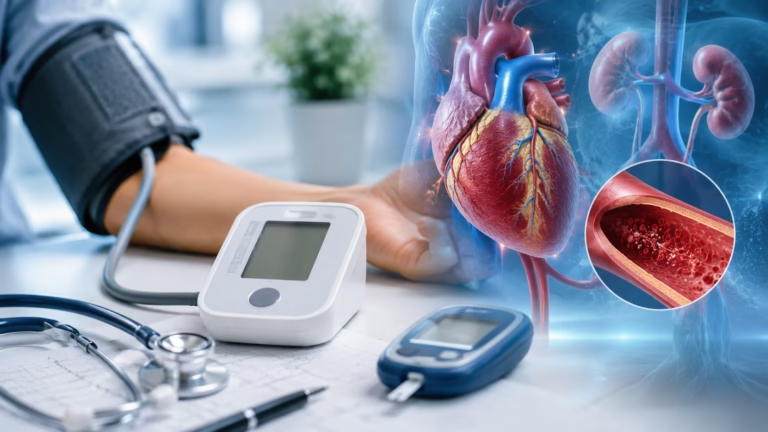
Maintaining healthy kidney function and stable blood pressure is essential for long term health and overall physiological balance. The kidneys play a critical role in filtering waste products, regulating fluid levels, maintaining electrolyte balance, and supporting blood pressure control. At the same time, hypertension remains one of the leading contributors to chronic kidney disease and cardiovascular complications worldwide.
Key takeaways
Multidisciplinary, patient centered clinic with board certified nephrologists, hypertension specialists, nurses, dietitians, and social workers emphasizing early detection and prevention.
State of the art facilities include advanced labs, imaging, on site hemodialysis and peritoneal dialysis, plus telemedicine for remote follow up.
Comprehensive hypertension care offers ambulatory blood pressure monitoring, resistant hypertension evaluation, and individualized medication optimization including newer agents like SGLT2 inhibitors.
Patient education, nutritional counseling, lifestyle modification programs, support groups, shared decision making, continuity of care, and participation in research and community outreach.
Specialized healthcare facilities dedicated to kidney disease and hypertension management provide patients with access to targeted expertise, advanced diagnostic tools, and individualized treatment plans. The Oregon Kidney and Hypertension Clinic represents a model of comprehensive and patient centered care, offering services designed to prevent, diagnose, and manage kidney disorders and high blood pressure. Through multidisciplinary collaboration and evidence based treatment approaches, the clinic aims to improve patient outcomes and quality of life.
About the Oregon Kidney and Hypertension Clinic
A Legacy of Specialized Care
The Oregon Kidney and Hypertension Clinic has established itself as a specialized center focused on nephrology and blood pressure management. Over the years, the clinic has developed a reputation for delivering comprehensive care through a multidisciplinary approach that combines medical expertise with patient education and long term support.
The clinic’s healthcare team includes board certified nephrologists, hypertension specialists, nurses, dietitians, and social workers who collaborate to address the complex needs of patients with kidney disease and hypertension. This integrated model ensures that patients receive coordinated care that addresses not only medical treatment but also nutritional, psychological, and lifestyle related factors.
A major emphasis of the clinic is early detection and prevention. By identifying kidney dysfunction and elevated blood pressure in their early stages, healthcare providers can implement interventions that reduce disease progression and minimize complications. Patient education is also central to the clinic’s philosophy, empowering individuals to actively participate in managing their health.
State of the Art Facilities
Advanced diagnostic and treatment technologies play an essential role in effective kidney and hypertension care. The clinic is equipped with modern laboratory facilities capable of performing blood tests, urine analysis, and imaging studies necessary for evaluating kidney function and cardiovascular risk.
On site dialysis services provide patients with access to hemodialysis and peritoneal dialysis under the supervision of trained medical professionals. These services are designed to support patients with advanced kidney disease in a safe and comfortable environment.
The integration of telemedicine platforms further enhances accessibility by allowing patients to attend follow up appointments remotely. This approach is particularly beneficial for individuals managing chronic conditions who require ongoing monitoring and medication adjustments.
Comprehensive Kidney Care Services
Chronic Kidney Disease Evaluation and Management
Chronic kidney disease, commonly referred to as CKD, involves progressive loss of kidney function over time. Early identification and staging are essential because treatment effectiveness is greatest during the initial phases of the disease.
The clinic provides detailed evaluations that include laboratory testing, imaging studies, and risk assessments to determine the extent of kidney impairment. Management strategies are tailored to the severity of the condition and may involve medication, dietary modifications, and monitoring programs designed to slow disease progression.
Acute Kidney Injury Care
Acute kidney injury represents a sudden decline in kidney function that may occur due to infection, dehydration, medication toxicity, or reduced blood flow to the kidneys. Prompt diagnosis and treatment are essential to prevent permanent damage.
The clinic’s specialists assess the underlying causes of acute kidney injury and implement interventions aimed at restoring kidney function and stabilizing fluid and electrolyte balance.
Electrolyte and Fluid Management
Kidneys regulate essential electrolytes such as sodium, potassium, and calcium. When kidney function declines, imbalances may develop, leading to complications affecting the heart, muscles, and nervous system.
The clinic offers individualized treatment plans to correct electrolyte disturbances and optimize fluid balance, thereby reducing the risk of complications and improving patient stability.
Transplant Consultation and Follow Up
For patients requiring kidney transplantation, the clinic provides both pre transplant evaluation and post transplant monitoring. These services include assessing transplant eligibility, preparing patients for surgery, and ensuring long term graft health through ongoing medical supervision.
Hypertension Management Services
Blood Pressure Monitoring and Assessment
Accurate blood pressure assessment is fundamental for diagnosing and managing hypertension. The clinic offers ambulatory blood pressure monitoring, which records blood pressure continuously over a twenty four hour period. This method provides a more comprehensive understanding of blood pressure patterns and helps identify conditions such as masked or resistant hypertension.
Resistant Hypertension Evaluation
Some patients continue to experience elevated blood pressure despite treatment with multiple medications. In such cases, detailed evaluations are necessary to identify underlying causes, including renal artery abnormalities or hormonal disorders.
The clinic conducts advanced diagnostic assessments to determine contributing factors and optimize treatment strategies for resistant hypertension.
Medication Optimization
Managing hypertension often requires individualized medication regimens. The clinic carefully monitors medication effectiveness and side effects to ensure optimal blood pressure control while minimizing adverse reactions.
Treatment plans may include ACE inhibitors, angiotensin receptor blockers, diuretics, beta blockers, and calcium channel blockers. Newer therapeutic agents, including SGLT2 inhibitors and finerenone, are increasingly incorporated into treatment protocols because of their demonstrated benefits in slowing kidney disease progression.
Lifestyle Modification Programs
Lifestyle factors significantly influence both kidney health and blood pressure regulation. The clinic provides structured programs focused on reducing dietary sodium intake, increasing physical activity, managing stress, and maintaining healthy body weight. These interventions complement medical treatment and improve long term outcomes.
Patient Education and Support
Nutritional Counseling
Diet plays a central role in managing kidney disease and hypertension. Individualized nutritional counseling helps patients understand how to balance protein intake, reduce sodium consumption, and limit foods high in phosphorus and potassium when necessary.
Dietitians work closely with patients to create sustainable meal plans that support both medical needs and personal preferences.
Educational Workshops and Support Groups
The clinic organizes workshops that teach practical skills such as meal planning, interpreting nutrition labels, and preparing kidney friendly meals. These educational initiatives enhance patient confidence and encourage healthier lifestyle choices.
Support groups provide emotional and social support for individuals undergoing dialysis or living with chronic kidney disease. Sharing experiences with others facing similar challenges can reduce stress and improve psychological well being.
Importance of Early Detection
The Silent Progression of Kidney Disease
Kidney disease often develops gradually and without noticeable symptoms. By the time symptoms become apparent, substantial kidney damage may already have occurred. Early screening allows healthcare providers to identify abnormalities before irreversible complications develop.
Timely intervention can slow disease progression, reduce the risk of cardiovascular complications, and delay or prevent the need for dialysis or transplantation.
Hypertension as Both Cause and Consequence
Hypertension and kidney disease are closely interconnected. Elevated blood pressure damages the delicate blood vessels within the kidneys, reducing their ability to filter blood effectively. Conversely, impaired kidney function can contribute to worsening hypertension through disruptions in fluid and hormonal regulation.
Effective blood pressure control therefore serves as both a preventive and therapeutic strategy in kidney care.
Personalized and Patient Centered Care
Shared Decision Making
The clinic emphasizes collaboration between healthcare providers and patients. Treatment decisions are made through open discussion, ensuring that patients understand their diagnosis, available treatment options, and expected outcomes.
This patient centered approach promotes trust, improves adherence to treatment plans, and supports long term health management.
Continuity of Care
Coordinated communication between nephrologists, primary care providers, cardiologists, and transplant teams ensures continuity of care across different stages of treatment. Automated reminders for appointments, laboratory tests, and medication refills further support adherence and disease monitoring.
Access to a twenty four hour nurse support line provides patients with timely guidance for urgent concerns, enhancing safety and reassurance.
Community Outreach and Research
Public Education Initiatives
The clinic actively participates in community education programs aimed at raising awareness about kidney disease and hypertension. Free webinars, health screenings, and educational workshops help individuals understand risk factors and adopt preventive health practices.
Collaborations with local organizations, including fitness centers and community groups, extend the reach of these initiatives and encourage healthier lifestyles throughout the community.
Research and Innovation
Ongoing involvement in clinical research allows the clinic to contribute to the development of new therapies and treatment strategies. Participation in clinical trials provides patients with access to emerging interventions while advancing scientific understanding of kidney disease and hypertension.
The clinic’s commitment to research also supports evidence based practice and continuous improvement in patient care standards.
Conclusion
The Oregon Kidney and Hypertension Clinic provides a comprehensive model of specialized care for individuals affected by kidney disease and high blood pressure. Through advanced diagnostics, personalized treatment plans, patient education, and multidisciplinary collaboration, the clinic addresses both the medical and lifestyle dimensions of chronic disease management.
Early detection, effective blood pressure control, and sustained patient support are central to reducing complications and improving long term outcomes. By combining clinical expertise with compassionate care, the clinic empowers patients to take an active role in protecting their kidney health and overall well being.
Disclaimer
This article is for educational purposes only and does not replace professional medical advice, diagnosis, or treatment. Seizures, severe headache, confusion, visual changes, or blood pressure readings in the hypertensive crisis range require urgent medical evaluation.
Thank you! Your feedback helps us improve our articles.
True Impact Health articles are written by our editorial team and based on reliable sources such as public health agencies, clinical guidelines and peer-reviewed research. This article has not yet been medically reviewed. Read our editorial process.
This content is for general information and is not a substitute for professional medical advice, diagnosis or treatment.