











Is 99.9 a Fever in a Child
Introduction It’s 2 a.m., your little one stirs in bed, and you notice their forehead feels warmer than usual. You grab the thermometer and see 99.9°F....
Table of Contents
Introduction
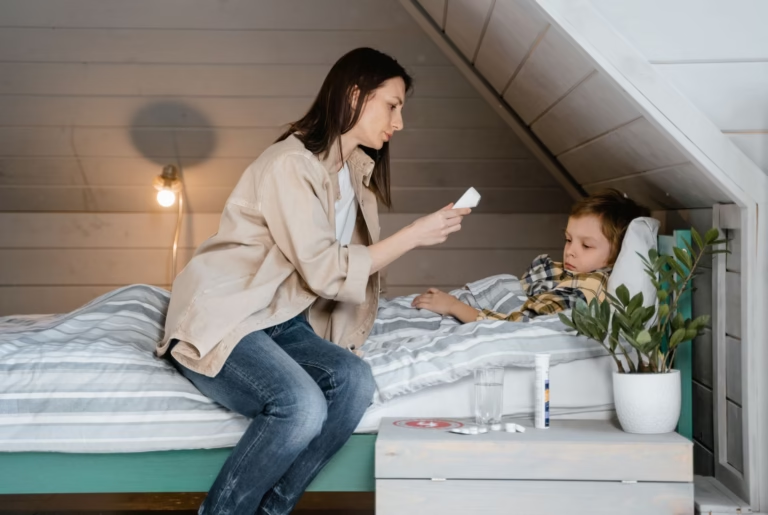
It’s 2 a.m., your little one stirs in bed, and you notice their forehead feels warmer than usual. You grab the thermometer and see 99.9°F. Panic? Not necessarily. In this post, we’ll explore when a 99.9°F reading constitutes a fever in a child, what factors can influence that number, and how—and when—to take action. By the end, you’ll feel empowered to interpret temperature readings with confidence and care for your child effectively.
Understanding Normal Body Temperature
Before labeling 99.9°F as a fever, it helps to know where “normal” lies:
- Average oral temperature: approximately 98.6°F (37°C)
- Normal range: 97°F to 99°F (36.1°C to 37.2°C)
- Variations by time of day: lower in the morning, higher in late afternoon/evening
- Differences by measurement site:
• Rectal: about 0.5°F higher than oral
• Axillary (armpit): about 0.5°F lower than oral
• Tympanic (ear) and temporal (forehead): vary with device accuracy
Is 99.9°F a Fever in a Child?
Pediatric fever thresholds differ slightly from adults. Here’s a quick guide:
- Oral temperature ≥ 100.4°F (38°C) = fever
- Rectal temperature ≥ 100.4°F (38°C) = fever
- Axillary temperature ≥ 99°F (37.2°C) = fever, though less reliable
- Tympanic/temporal temperatures ≥ 100.4°F (38°C) = fever
Putting that into context, a 99.9°F oral reading is just shy of the official fever threshold. However, before you dismiss it entirely, consider these influencing factors:
Factors That Influence Temperature Readings
- Measurement Site and Technique
– Improper placement (ear probe not deep enough) can lower readings.
– Movement, talking, or crying can alter oral readings.
- Age of the Child
– Infants (< 3 months) have less stable temperature regulation.
– Toddlers may resist proper placement, skewing results.
- Recent Activity or Environment
– Bundling in heavy pajamas can raise skin temperature.
– A hot bath or warm room might temporarily elevate the reading.
- Device Accuracy
– Always use a calibrated, age-appropriate thermometer.
– Replace batteries regularly and follow the manufacturer’s instructions.
When Should You Worry? Warning Signs Beyond the Number
A single reading is useful—but symptoms and behavior tell the full story. Watch for:
- Lethargy or unresponsiveness
- Persistent crying or inconsolability
- Difficulty breathing or rapid breathing
- Poor fluid intake, signs of dehydration (dry mouth, fewer wet diapers)
- Rash, stiff neck, or severe headache
- Seizures or convulsions
If any of these appear—even with a temperature under 100.4°F—seek medical attention promptly.
Managing a Low-Grade Fever (99.9°F) at Home
If your child is otherwise active and comfortable, a low-grade temperature can often be managed at home:
Keep Them Hydrated
– Offer frequent, small sips of water, breast milk, or formula.
Choose Lightweight Clothing
– Dress in breathable cotton; avoid over-bundling.
Maintain a Comfortable Room Temperature
– Aim for 68°F to 72°F (20°C to 22°C).
Rest and Comfort Measures
– Encourage quiet activities (reading, storytelling).
– Use a cool, damp washcloth on the forehead if they feel hot.
Over-the-Counter Medications (if advised by your pediatrician)
- Acetaminophen: 10–15 mg/kg every 4–6 hours
- Ibuprofen (≥ 6 months): 5–10 mg/kg every 6–8 hours
– Never exceed recommended dosages.
Monitoring and When to Seek Medical Care
Keep track of your child’s temperature and overall condition:
- Log readings every 4–6 hours for 24 hours.
- Note changes in behavior, appetite, and hydration.
- Call your pediatrician if:
– Fever persists beyond 48 hours in a child over 2 years old.
– Fever lasts more than 24 hours in children under 2.
– Temperature rises above 102.2°F (39°C).
– Warning signs (Section 4) develop.
Preventing Fevers: Practical Tips
While you can’t eliminate every bug, you can reduce risks:
- Handwashing: Teach proper technique and frequency.
- Up-to-Date Vaccinations: Follow the recommended immunization schedule.
- Limit Exposure: Keep sick playmates at home until they’re fever-free for 24 hours.
- Clean Shared Surfaces: Disinfect toys, doorknobs, and high-touch areas.
Conclusion
A 99.9°F reading in a child often falls into the “low-grade fever” category—and in many cases, can be managed at home with rest, fluids, and monitoring. Yet temperature is only one piece of the puzzle. Understanding normal ranges, proper measurement techniques, and the red-flag symptoms that warrant professional care will help you act wisely and confidently. Keep this guide handy, trust your parental instincts, and when in doubt, consult your pediatrician. Your child’s well-being is worth every careful check of the thermometer.
For more information, see the Cleveland Clinic.
Was this page helpful?
Thanks for your feedback! What could we improve?
Thank you! Your feedback helps us improve our articles.
True Impact Health articles are written by our editorial team and based on reliable sources such as public health agencies, clinical guidelines and peer-reviewed research. This article has not yet been medically reviewed. Read our editorial process.
This content is for general information and is not a substitute for professional medical advice, diagnosis or treatment.