



















Digestive Enzymes: Unlocking Your Body’s Digestive Power
Discover how digestive enzymes work, their benefits, and tips for incorporating them into your diet for better digestive health.

Table of Contents
Key Takeaways
- Digestive enzymes help break down food into nutrients.
- They can improve digestion and reduce discomfort.
- Enzymes are found in foods and supplements.
- Consulting a healthcare provider is essential before starting any new regimen.
Understanding digestive enzymes is crucial for anyone looking to improve their digestive health. These proteins play a key role in breaking down food into the nutrients your body needs to function optimally. Whether you experience occasional digestive discomfort or are simply curious about how your body processes food, learning about digestive enzymes can empower you with knowledge that fosters better health.
Digestive enzymes are produced by the body and can also be found in certain foods and supplements. They aid in the digestion of carbohydrates, proteins, and fats, ensuring that your body can absorb and utilize these macronutrients effectively. Without adequate digestive enzymes, you may experience symptoms such as bloating, gas, and indigestion.
In this comprehensive article, we will explore the various types of digestive enzymes, their functions, food sources, and potential benefits for digestive health. Additionally, we will discuss when it might be appropriate to consider enzyme supplementation and provide practical tips for incorporating more digestive enzymes into your diet.
What Are Digestive Enzymes?
Digestive enzymes are biological catalysts that facilitate the breakdown of complex food molecules into simpler ones, enabling nutrient absorption. They are classified into three main categories:
- Proteases: Enzymes that break down proteins into amino acids.
- Carbohydrases: Enzymes that convert carbohydrates into simple sugars.
- Lipases: Enzymes that help digest fats into fatty acids and glycerol.
Each type of enzyme acts on specific food components, ensuring that your digestive system can efficiently process what you eat. For example, proteases are essential for breaking down meat and dairy products, while lipases are vital for digesting oils and fats found in various foods.
These enzymes are naturally produced in the salivary glands, stomach, pancreas, and small intestine. However, their production can be influenced by factors such as age, diet, and overall health. As we age, our bodies may produce fewer enzymes, leading to potential digestive issues.
How Digestive Enzymes Work
The digestive process begins in the mouth, where salivary enzymes start breaking down carbohydrates. Once food reaches the stomach, gastric juices containing pepsin (a type of protease) further digest proteins. The majority of enzyme activity occurs in the small intestine, where the pancreas releases a mix of enzymes for comprehensive digestion.
Here’s a closer look at how each type of enzyme functions:
Proteases
Proteases target proteins, breaking them into smaller peptides and amino acids. This process is crucial for muscle repair, hormone production, and overall cellular function. Foods high in protein, such as meat, fish, eggs, and dairy, stimulate protease production in the body.
Carbohydrases
Carbohydrases, including amylases, convert starches and sugars into glucose. This function is essential for providing energy to the body. Foods like grains, fruits, and vegetables are rich in carbohydrates, promoting the need for these enzymes.
Lipases
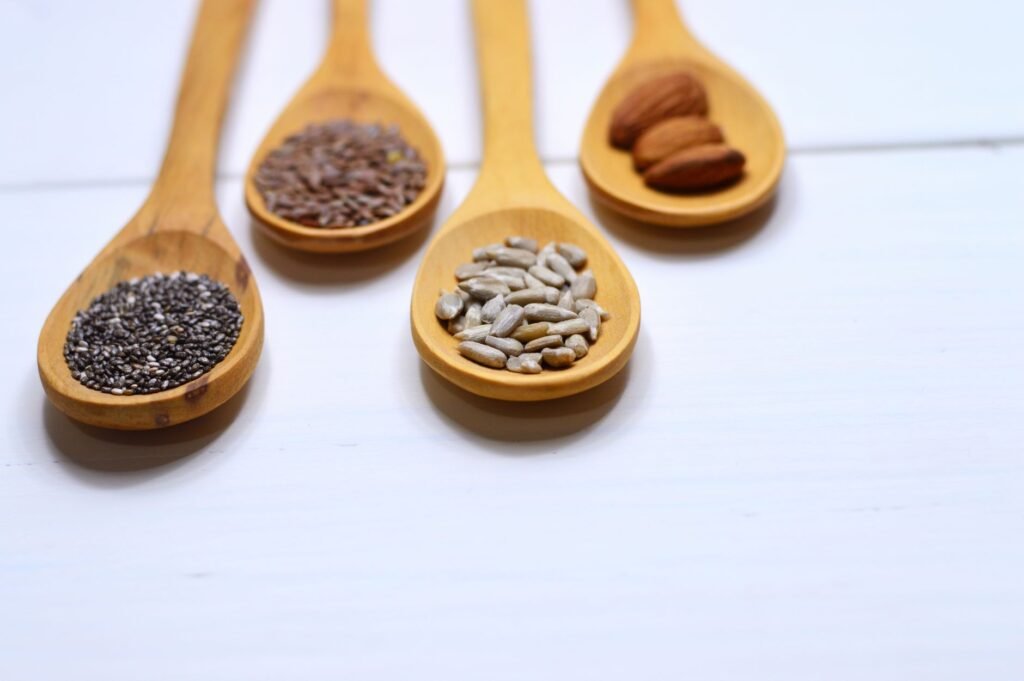
Lipases break down fats into fatty acids and glycerol, which are vital for hormone production and absorbing fat-soluble vitamins (A, D, E, K). Foods containing healthy fats, such as avocados, nuts, and olive oil, require adequate lipase activity for optimal digestion.
Benefits of Digestive Enzymes
Incorporating digestive enzymes into your routine can offer several health benefits, particularly for those who experience digestive discomfort. Here are some key advantages:
- Improved Digestion: Digestive enzymes can enhance the breakdown of food, leading to better nutrient absorption and less digestive distress.
- Reduced Bloating and Gas: By aiding the digestion of complex carbohydrates and fibers, digestive enzymes can help reduce gas and bloating symptoms.
- Support for Food Intolerances: Individuals with lactose intolerance, for example, may benefit from lactase supplements that help digest lactose found in dairy products.
- Enhanced Nutrient Absorption: Proper digestion ensures that vitamins and minerals are effectively absorbed, contributing to overall health.
Consider the example of someone who frequently experiences bloating after meals. This individual might find that taking a digestive enzyme supplement before eating helps alleviate discomfort by ensuring that their food is broken down more efficiently.
Food Sources of Digestive Enzymes
Many natural food sources contain digestive enzymes that can support your digestive health. Including these foods in your diet can be an excellent way to bolster your enzyme intake:
- Pineapple: Contains bromelain, an enzyme that helps digest proteins.
- Papaya: Rich in papain, another protein-digesting enzyme.
- Mango: Contains amylase, which aids in carbohydrate digestion.
- Kefir and Yogurt: Fermented dairy products that provide beneficial probiotic bacteria and enzymes.
- Fermented Foods: Foods like sauerkraut and kimchi are rich in enzymes due to the fermentation process.
Incorporating these foods into your meals can enhance your body’s natural enzyme production and improve overall digestive function.
Digestive Enzyme Supplements
For some individuals, dietary sources may not provide sufficient digestive enzymes, leading to persistent digestive issues. In such cases, enzyme supplements can be a practical solution. However, it’s essential to approach supplementation with caution:
- Types of Supplements: Enzyme supplements vary in composition. Some are broad-spectrum, containing multiple enzymes, while others target specific digestive issues, such as lactose intolerance.
- Consultation with a Healthcare Provider: Before starting any enzyme supplement, it is advisable to consult a healthcare professional. They can help determine whether supplementation is necessary and identify the appropriate type and dosage.
- Potential Side Effects: While generally safe, some individuals may experience mild side effects such as nausea or diarrhea. Monitoring your body’s response is crucial.
When choosing a supplement, look for reputable brands that provide transparency in their ingredients and enzyme activity levels. This ensures you receive a quality product that can support your digestive health effectively.

When to Consider Digestive Enzyme Supplements
While many people produce enough digestive enzymes to process food effectively, certain conditions and lifestyle factors may lead to enzyme deficiencies. Here are some scenarios where supplementation might be beneficial:
- Chronic Digestive Disorders: Conditions like pancreatitis or cystic fibrosis can impair enzyme production, necessitating supplementation.
- Food Intolerances: Individuals with lactose intolerance or other food sensitivities may find relief with targeted enzyme supplements.
- Aging: As mentioned earlier, enzyme production may decline with age, leading some older adults to consider supplements.
It’s essential to evaluate your symptoms and discuss your options with a healthcare provider, who can guide you on whether enzyme supplementation is appropriate for your circumstances.
Tips for Optimizing Digestive Health
Improving digestive health involves more than just taking enzymes. Here are practical tips to enhance your digestive function:
- Eat Mindfully: Chew your food thoroughly and eat slowly to aid digestion. This practice allows enzymes in your saliva to start breaking down food before it reaches your stomach.
- Stay Hydrated: Drinking plenty of water supports digestion and helps enzymes function optimally.
- Incorporate Fiber: A diet rich in fiber from fruits, vegetables, and whole grains promotes healthy digestion and can enhance enzyme activity.
- Manage Stress: High-stress levels can negatively impact digestion. Techniques like meditation, yoga, or deep breathing can help.
Understanding Digestive Enzyme Deficiencies
Common Causes of Deficiencies
Digestive enzyme deficiencies can arise from various factors, often impacting the body’s ability to break down food effectively. One of the most prevalent causes is aging, as the production of enzymes tends to decrease over time. Additionally, certain medical conditions, such as pancreatitis, cystic fibrosis, or Crohn’s disease, can impair enzyme production and secretion.
Moreover, lifestyle choices, including a diet high in processed foods, can lead to imbalances in gut health, further exacerbating enzyme deficiencies. Chronic stress can also play a role, as it affects the digestive system negatively, potentially hindering enzyme production. Understanding these causes can help individuals take proactive measures to support their digestive health.
Symptoms of Enzyme Deficiency
Identifying symptoms of digestive enzyme deficiencies is crucial for early intervention and management. Common symptoms include bloating, gas, diarrhea, and abdominal pain. These signs often stem from undigested food fermenting in the gut, leading to discomfort and further digestive issues.
Other symptoms may include weight loss or difficulty gaining weight, as the body struggles to absorb essential nutrients. This can lead to malnutrition over time. Fatty stools, known as steatorrhea, can also indicate a deficiency in lipase, a fat-digesting enzyme. Recognizing these symptoms can prompt individuals to seek appropriate dietary adjustments or medical advice.
Testing for Digestive Enzyme Deficiencies
If you suspect a digestive enzyme deficiency, consulting with a healthcare provider is essential. They may recommend specific tests, such as a stool test, which can assess the presence of undigested nutrients, or a breath test, which can measure the absorption of certain sugars. Blood tests can also help evaluate overall digestive health and nutrient levels.
It is important to work closely with a healthcare professional to interpret test results accurately. Based on findings, they might suggest dietary changes, enzyme supplements, or further investigations into underlying health issues. Early detection and tailored treatment can significantly improve digestive health and overall well-being.

Digestive Enzymes and Gut Microbiome Interaction
The Role of Gut Microbiome in Digestion
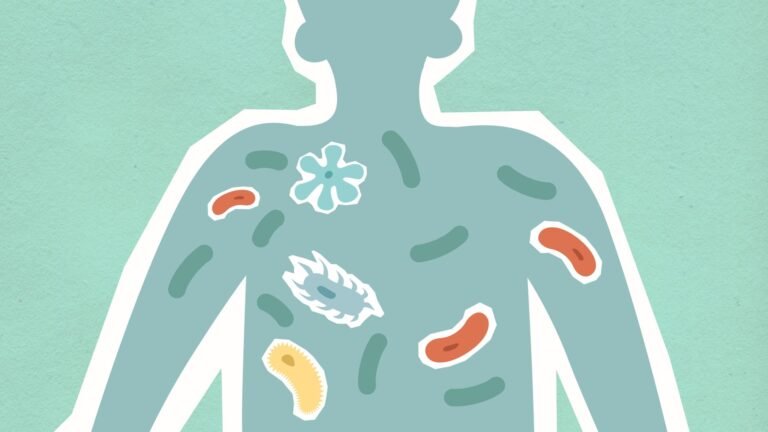
The gut microbiome plays a vital role in digestion, working synergistically with digestive enzymes to enhance nutrient absorption. Comprising trillions of microorganisms, the gut microbiome helps break down complex carbohydrates, fibers, and other substances that human enzymes cannot digest alone. This symbiotic relationship emphasizes the importance of maintaining a healthy microbiome for optimal digestive health.
A diverse microbiome can improve digestion by fermenting undigested food particles, producing short-chain fatty acids (SCFAs) that nourish gut cells and contribute to overall health. Additionally, a balanced microbiome can help regulate inflammation and support immune function, underscoring the interconnectedness of digestive enzymes and gut health.
How Digestive Enzymes Affect Gut Microbiome
Digestive enzymes can influence the composition and function of the gut microbiome. By breaking down food into smaller, more absorbable molecules, enzymes can alter the nutrients available to gut bacteria, potentially promoting the growth of beneficial strains. For instance, providing the right balance of enzymes may help create a favorable environment for probiotics to thrive.
Conversely, an imbalance in digestive enzymes can lead to dysbiosis, where harmful bacteria proliferate at the expense of beneficial ones. This imbalance can result in further digestive issues, such as bloating, gas, and inflammation. Therefore, it is crucial to support both enzyme production and a healthy microbiome through diet and lifestyle choices.
Supporting a Healthy Gut Microbiome
To maintain a healthy gut microbiome and support digestive enzyme function, consider the following strategies:
- Consume a diverse range of fruits and vegetables to provide prebiotic fibers that nourish beneficial bacteria.
- Incorporate fermented foods, such as yogurt, kefir, sauerkraut, and kimchi, to introduce probiotics.
- Avoid excessive intake of processed foods and sugars, which can promote the growth of harmful bacteria.
- Stay hydrated, as water is essential for digestion and maintaining a healthy gut environment.
- Manage stress through mindfulness practices, physical activity, or other relaxation techniques.
Implementing these strategies can foster a balanced gut microbiome, enhancing both digestive enzyme function and overall digestive health.
Integrating Digestive Enzymes into Your Diet
Timing and Pairing of Digestive Enzymes
To maximize the effectiveness of digestive enzymes, consider the timing and pairing of your meals. Taking enzyme supplements shortly before or during meals can help ensure that they are present in the digestive tract when food is consumed. This timing allows enzymes to begin breaking down food as soon as it enters the stomach, optimizing nutrient absorption.
Additionally, pairing enzyme-rich foods with meals can enhance digestive efficiency. For example, consuming pineapple or papaya, which contain natural enzymes bromelain and papain, can aid in the digestion of proteins when included in a meal. Similarly, incorporating foods high in fiber can help promote enzyme activity and support gut health.
Experimenting with Different Enzyme Combinations
Different types of enzymes target specific macronutrients, so experimenting with various enzyme combinations can help individuals tailor their digestive support. For instance, proteases are ideal for protein digestion, while amylases assist in breaking down carbohydrates. Lipases are essential for fat digestion.
When selecting enzyme supplements, consider a broad-spectrum product that contains multiple types of enzymes to cover all aspects of digestion. Alternatively, individuals may choose to focus on specific enzymes that address particular digestive issues, such as lactose intolerance or high-protein diets. Consulting with a healthcare provider can help determine the best approach for individual needs.
Monitoring Your Digestive Health Journey
Keeping a food and symptom journal can be invaluable for monitoring the effectiveness of dietary changes and enzyme supplementation. By recording meals, enzyme intake, and any digestive symptoms experienced, individuals can identify patterns and make informed adjustments to their diets.
Over time, this practice can help individuals understand which foods and enzyme combinations work best for their digestive health, allowing for a more personalized and effective approach. Regular check-ins with a healthcare professional can also provide valuable insights and adjustments to enhance digestive health further.
For more information, see MedlinePlus.
Frequently Asked Questions
What are the signs of enzyme deficiency?
Signs of enzyme deficiency may include bloating, gas, diarrhea, and undigested food in stools. If you experience these symptoms regularly, consulting a healthcare provider is advisable.
Can I get enough digestive enzymes from my diet?
Yes, a well-balanced diet rich in fruits, vegetables, and fermented foods can provide sufficient digestive enzymes for many people. However, some individuals may need supplements.
Are there any risks associated with taking enzyme supplements?
While generally safe, enzyme supplements can cause side effects in some individuals. It’s essential to consult a healthcare provider before starting any new supplement regimen.
How do I know which digestive enzyme supplement to choose?
Choosing the right supplement depends on your specific digestive needs. Look for high-quality products with clear labeling and consider talking to a healthcare professional for personalized recommendations.
The Bottom Line
Digestive enzymes are vital for breaking down food and ensuring your body effectively absorbs essential nutrients. By understanding how these enzymes work and their benefits, you can make informed decisions about your digestive health. Whether through dietary sources or supplements, supporting your enzyme levels can lead to improved digestion and overall well-being. Remember to consult a healthcare provider before making significant changes to your diet or supplement routine.
Was this page helpful?
Thanks for your feedback! What could we improve?
Thank you! Your feedback helps us improve our articles.
True Impact Health articles are written by our editorial team and based on reliable sources such as public health agencies, clinical guidelines and peer-reviewed research. This article has not yet been medically reviewed. Read our editorial process.
This content is for general information and is not a substitute for professional medical advice, diagnosis or treatment.