


















Understanding Blood in Stool Causes: Insights and Guidance
Explore the various blood in stool causes, symptoms, and when to seek medical help for this concerning condition.

Table of Contents
Key Takeaways
- Blood in stool can indicate serious health issues.
- Common causes include hemorrhoids, gastrointestinal bleeding, and infections.
- Immediate medical consultation is crucial if symptoms worsen.
- Lifestyle changes can help manage some underlying causes.
Noticing blood in your stool can be alarming and may lead to worry about potential health issues. This symptom can arise from a variety of causes, ranging from benign conditions to serious medical emergencies. Understanding these causes is crucial for addressing your health concerns effectively.
Blood in stool may be visible as bright red streaks or as dark, tarry stools, depending on the source of the bleeding. This article aims to provide a comprehensive overview of the potential causes of blood in stool, what symptoms to look for, and when to seek medical advice.
By empowering yourself with knowledge, you can take informed steps towards your health and well-being. Let’s explore the various causes of blood in stool and what they might mean for you.
Common Causes of Blood in Stool
There are several common causes of blood in stool, which can often be categorized based on the source of the bleeding. Understanding these can help you determine the seriousness of the situation and when to seek help.
1. Hemorrhoids
Hemorrhoids are swollen veins in the lower rectum or anus that can cause bleeding. They are often associated with straining during bowel movements or increased pressure in the rectal area.
- Symptoms include bright red blood on toilet paper or in the toilet bowl.
- Hemorrhoids can be internal or external, and while they may cause discomfort, they are generally not dangerous.
- Treatment options range from over-the-counter creams to surgical procedures in severe cases.
2. Gastrointestinal Bleeding
Gastrointestinal (GI) bleeding can occur anywhere along the digestive tract, from the esophagus to the rectum. This kind of bleeding can be more serious and requires immediate medical evaluation.
- Causes can include peptic ulcers, diverticulosis, or tumors.
- Symptoms may include dark, tarry stools or blood mixed with stool.
- Diagnosis often involves endoscopic procedures to identify the source of the bleeding.
3. Infections
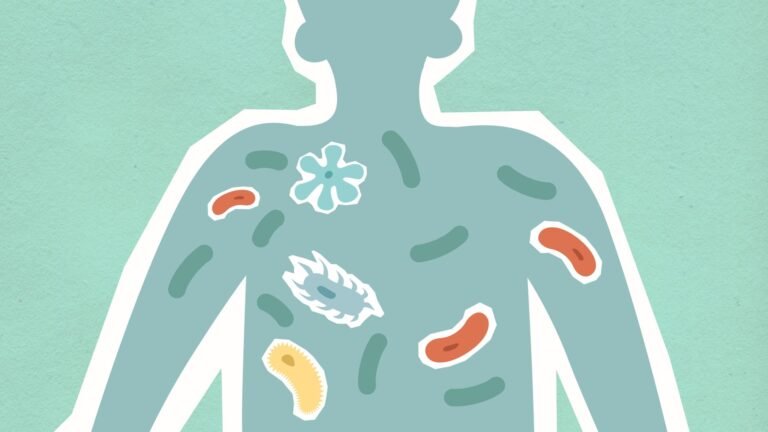
Various infections can lead to blood in stool, particularly those affecting the GI tract. Bacterial, viral, and parasitic infections can all cause inflammation and damage to the intestinal lining.
- Common infectious agents include Salmonella, E. coli, and Shigella.
- Symptoms often accompany blood in stool, such as diarrhea, fever, and abdominal cramps.
- Treatment typically involves hydration and sometimes antibiotics, depending on the infection.
Less Common Causes of Blood in Stool
While many cases of blood in stool are due to common issues, several less frequent but serious conditions can also contribute to this symptom. Knowing about these can help you recognize when to seek further medical advice.
1. Inflammatory Bowel Disease (IBD)
Conditions like Crohn’s disease and ulcerative colitis fall under the umbrella of IBD. These chronic conditions can cause inflammation in the intestines, leading to blood in stool.
- Symptoms may include abdominal pain, cramping, and weight loss, alongside the presence of blood.
- Diagnosis usually involves colonoscopy and imaging studies.
- Treatment often includes anti-inflammatory medications and, in severe cases, surgery.
2. Colorectal Cancer
Colorectal cancer is a more serious cause of blood in stool and is often associated with other symptoms like changes in bowel habits and unexplained weight loss.
- Blood may appear dark or mixed with stool.
- Screening for colorectal cancer is recommended, especially for those over 50 or with risk factors.
- Early detection is crucial for effective treatment.
3. Vascular Malformations
Angiodysplasia is a condition that involves abnormal blood vessels in the gastrointestinal tract. This can lead to intermittent bleeding, sometimes presenting as blood in stool.
- Symptoms may be subtle and include fatigue or shortness of breath due to anemia.
- Diagnosis often requires imaging techniques like angiography.
- Treatment options may include endoscopic procedures to cauterize or remove abnormal vessels.

Understanding Symptoms and When to Seek Help
Recognizing the symptoms associated with blood in stool is essential for determining the urgency of the situation. Some symptoms indicate a need for immediate medical attention.
1. Bright Red vs. Dark Blood
The color of the blood can provide clues about the source of the bleeding. Bright red blood typically indicates bleeding from the lower gastrointestinal tract, while dark, tarry stools often suggest bleeding higher up in the GI tract.
- Bright red blood may point to hemorrhoids or anal fissures.
- Dark blood can indicate a more serious issue, such as a peptic ulcer.
2. Accompanying Symptoms
Other symptoms can help determine the severity of the situation.
- Severe abdominal pain, fever, and vomiting can indicate a serious condition.
- Presence of diarrhea or changes in bowel habits may also warrant immediate attention.
- Symptoms of anemia, such as fatigue and pallor, should not be ignored.
3. When to Consult a Professional
It is advisable to consult a healthcare professional if you notice blood in your stool, especially if it is accompanied by concerning symptoms.
- Immediate consultation is critical in cases of severe pain, dizziness, or large amounts of blood.
- Regular check-ups and screenings are important for those at risk for gastrointestinal conditions.
Diagnosis of Blood in Stool
When you visit a healthcare professional due to blood in stool, a series of diagnostic steps may be taken to determine the cause.
1. Medical History and Physical Examination
Your doctor will likely start with a detailed medical history and a physical examination. This helps identify risk factors and potential sources of bleeding.
- Be prepared to discuss any medications, family history, and recent dietary changes.
- A physical examination may include palpating the abdomen to check for tenderness.
2. Diagnostic Tests
Depending on initial findings, your doctor may recommend further tests.
- Blood tests can evaluate for anemia and liver function.
- Stool tests may help identify infections or blood presence.
- Imaging studies and endoscopic procedures are common for a direct view of the GI tract.
3. Endoscopy Procedures
Endoscopy is a key diagnostic tool for investigating the source of gastrointestinal bleeding.
- Colonoscopy allows for direct visualization of the colon and can be used for treatment.
- Esophagogastroduodenoscopy (EGD) examines the upper GI tract.

Treatment Options for Blood in Stool
Treatment for blood in stool will vary depending on the underlying cause identified during diagnosis. Here’s an overview of common treatment approaches.
1. Dietary Changes
For conditions like hemorrhoids or mild infections, dietary changes can be beneficial.
- Increasing fiber intake can alleviate constipation and reduce straining.
- Staying hydrated is important for overall digestive health.
2. Medications
Medications may be prescribed based on the specific diagnosis.
- Anti-inflammatory drugs for IBD or antibiotics for infections.
- Pain relievers may also be recommended, but consult your doctor before taking any new medications.
3. Surgical Options
In more severe cases, surgical intervention may be necessary.
- Procedures might involve removing polyps, treating ulcers, or repairing damaged tissues.
- Colorectal cancer may require more extensive surgical options depending on the stage.
Dietary Factors That May Influence Blood in Stool
Impact of Fiber Intake
A diet low in fiber can lead to constipation, which may result in straining during bowel movements. This straining can cause hemorrhoids or fissures, leading to blood in the stool. Increasing fiber intake through fruits, vegetables, whole grains, and legumes can help in softening stools and promoting regular bowel movements. A gradual increase in fiber is recommended to avoid gas and bloating.
- Fruits: Apples, pears, and berries.
- Vegetables: Broccoli, carrots, and spinach.
- Whole grains: Oats, brown rice, and quinoa.
- Legumes: Lentils, chickpeas, and black beans.
Hydration and Its Role
Staying properly hydrated is crucial for digestive health. Insufficient water intake can exacerbate constipation, making it harder to pass stool and increasing the risk of rectal and anal injuries. Drinking enough fluids helps dissolve soluble fiber, making it easier for the stool to pass through the digestive tract. Aim for at least eight 8-ounce glasses of water daily, adjusting based on activity level and climate.
Foods to Avoid
Certain foods can irritate the gastrointestinal tract and may contribute to gastrointestinal bleeding. Processed foods, those high in sugar, and excessive alcohol consumption can lead to inflammation and damage in the digestive system. Additionally, spicy foods can trigger symptoms in individuals with pre-existing gastrointestinal conditions. Being mindful of these foods can help mitigate the risk of blood in the stool.
- Processed meats: Bacon, sausages, and deli meats.
- High-sugar snacks: Candy, pastries, and sugary drinks.
- Spicy foods: Hot sauces, chili peppers, and spicy seasonings.
- Excessive alcohol: Beer, wine, and liquor.

Psychological Factors and Blood in Stool
Stress and Its Effects on Digestion
Psychological stress can significantly impact gastrointestinal health. Stress can lead to changes in gut motility, which may manifest as either increased or decreased bowel movements. This can result in conditions like irritable bowel syndrome (IBS) or exacerbate existing gastrointestinal disorders, potentially leading to symptoms such as blood in the stool. Managing stress through relaxation techniques, exercise, or therapy can be beneficial for overall digestive health.
Mind-Gut Connection
The mind-gut connection refers to the complex interactions between the brain and the gastrointestinal tract. Conditions like anxiety and depression can alter gut function and may contribute to gastrointestinal bleeding. Awareness of this connection can help individuals recognize the importance of mental health in managing gastrointestinal symptoms. Techniques such as mindfulness, yoga, and cognitive-behavioral therapy can be effective in addressing these issues.
When Psychological Support is Necessary
If stress or mental health issues are suspected contributors to gastrointestinal problems, seeking support from a mental health professional can be crucial. Therapy can provide coping strategies and emotional support, which may improve both mental and physical health. It is essential to address underlying psychological factors that might exacerbate gastrointestinal symptoms, including blood in stool.
- Professional therapies: Cognitive-behavioral therapy (CBT), mindfulness-based stress reduction (MBSR).
- Support groups: Sharing experiences with others can provide comfort and understanding.
- Self-help strategies: Journaling, meditation, and relaxation exercises.
Preventive Measures for Blood in Stool
Regular Medical Check-ups
Routine medical check-ups are essential for early detection and prevention of potential gastrointestinal issues. Regular screenings, especially for individuals over the age of 50 or those with a family history of gastrointestinal diseases, can help catch problems before they progress. Discussing any changes in bowel habits or presence of blood in stool with a healthcare provider can lead to timely interventions.
Healthy Lifestyle Choices
Adopting a healthy lifestyle can significantly reduce the risk of developing conditions that may lead to blood in the stool. This includes maintaining a balanced diet rich in fiber, staying physically active, managing stress, and avoiding smoking and excessive alcohol consumption. Incorporating regular exercise, such as walking, swimming, or cycling, can improve digestive health and overall well-being.
- Exercise: Aim for at least 150 minutes of moderate aerobic activity each week.
- Balanced diet: Focus on whole foods and limit processed items.
- Avoid smoking: Smoking can worsen gastrointestinal conditions.
- Limit alcohol: Reduce intake to moderate levels.
Education and Awareness
Understanding the signs and symptoms of gastrointestinal issues is a vital preventive measure. Educating oneself about the causes of blood in stool and other related symptoms can empower individuals to seek help promptly. Resources such as healthcare provider consultations, trusted medical websites, and community health programs can provide valuable information and support in managing digestive health.
- Read reputable health articles and literature.
- Attend community health events focused on digestive health.
- Join online forums or groups that discuss gastrointestinal health.
For more information, see NIH.
Frequently Asked Questions
What should I do if I notice blood in my stool?
If you notice blood in your stool, it’s important to consult a healthcare professional for a proper evaluation, especially if accompanied by other symptoms like pain or dizziness.
Can diet affect blood in stool?
Yes, certain dietary choices can contribute to conditions that cause blood in stool, such as hemorrhoids or gastrointestinal infections. A fiber-rich diet can help prevent straining.
Is blood in stool always serious?
Not always, but it should be taken seriously. While some causes like hemorrhoids are less serious, others can indicate more severe conditions requiring immediate attention.
How is blood in stool diagnosed?
Diagnosis typically involves a medical history review, physical examination, blood tests, stool tests, and possibly endoscopic procedures to visualize the GI tract.
The Bottom Line
Blood in stool can arise from a variety of causes, ranging from benign to serious conditions. Understanding these causes, recognizing accompanying symptoms, and knowing when to seek medical advice are crucial steps in managing this concerning symptom. If you notice blood in your stool, don’t hesitate to consult a healthcare professional for an accurate diagnosis and appropriate treatment.
Was this page helpful?
Thanks for your feedback! What could we improve?
Thank you! Your feedback helps us improve our articles.
True Impact Health articles are written by our editorial team and based on reliable sources such as public health agencies, clinical guidelines and peer-reviewed research. This article has not yet been medically reviewed. Read our editorial process.
This content is for general information and is not a substitute for professional medical advice, diagnosis or treatment.