












Understanding Vaginal Dryness: Causes and Solutions
Discover effective solutions for vaginal dryness, its causes, and practical tips to improve comfort and health.
By True Impact Health Editorial Team

Medical graduate of Girne American University with a focus on patient-centred care, clinical assessment and preventive health.
Reviewed this article on November 11, 2026.
View profile How we reviewUpdated on November 8, 2026 11 min read

Table of Contents
Key Takeaways
- Vaginal dryness can affect women of all ages.
- Common causes include hormonal changes and medications.
- Effective treatments range from lifestyle changes to medical options.
- Consulting a healthcare provider is essential for personalized care.
Understanding Vaginal Dryness
Vaginal dryness is a common condition that affects many women at different stages of life. It can lead to discomfort, pain during intercourse, and may even impact emotional well-being. Understanding the causes and treatments available is essential for managing this condition effectively.
This article delves into the various factors that contribute to vaginal dryness, including hormonal changes, lifestyle choices, and medical conditions. Additionally, we will explore practical solutions and treatments that can help alleviate symptoms, improve quality of life, and restore comfort.
Whether you are experiencing vaginal dryness due to menopause, breastfeeding, or other reasons, this guide aims to provide you with the knowledge needed to address this issue confidently.
Common Causes of Vaginal Dryness
Hormonal Changes
One of the primary triggers for vaginal dryness is hormonal fluctuations. Estrogen, a hormone that plays a crucial role in maintaining vaginal moisture, decreases during menopause. This reduction can lead to thinning of the vaginal walls, making them less elastic and drier.
Other phases in a woman’s life, such as pregnancy and breastfeeding, can also result in lower estrogen levels. During these times, women may notice a significant change in vaginal lubrication, which can lead to discomfort.
Additionally, conditions such as polycystic ovary syndrome (PCOS) or premature ovarian failure can also impact hormone levels, resulting in vaginal dryness.
Medications and Medical Treatments
Certain medications are known to contribute to vaginal dryness as a side effect. Antidepressants, antihistamines, and medications for high blood pressure can all affect lubrication. If you suspect that your medication is causing dryness, consult your healthcare provider about potential alternatives.
Medical treatments such as chemotherapy or radiation therapy for cancer can also lead to vaginal dryness. These treatments can cause significant changes in hormone levels and affect the vaginal environment.
It’s essential to discuss any concerns with your doctor, especially if you are undergoing treatment for chronic conditions or illnesses.
Lifestyle Factors
Several lifestyle choices can influence vaginal health. Smoking, for instance, has been linked to decreased blood flow to the vaginal area, which can impair lubrication. Additionally, excessive alcohol consumption can disrupt hormonal balance, leading to dryness.
Stress is another factor that can affect hormonal levels and reduce sexual arousal, contributing to dryness. Engaging in regular physical activity, practicing relaxation techniques, and maintaining a balanced diet can help mitigate these effects.
Personal hygiene products, such as scented soaps or douches, can also disrupt the natural balance of the vaginal flora, leading to irritation and dryness. It’s essential to choose gentle, unscented products to maintain optimal vaginal health.

Symptoms of Vaginal Dryness
The symptoms of vaginal dryness can vary widely from one woman to another. The most common signs include:
- Dryness: A persistent feeling of dryness in the vaginal area.
- Itching or irritation: This can be caused by the lack of moisture.
- Pain during intercourse: Insufficient lubrication can lead to discomfort or pain during sexual activity.
- Frequent urinary tract infections: Dryness can contribute to increased susceptibility to infections.
If you experience any of these symptoms, it may be time to seek advice from a healthcare professional. They can help determine the underlying cause and recommend appropriate treatments.
Treatment Options for Vaginal Dryness
Lifestyle Changes
Making certain lifestyle modifications can significantly improve symptoms of vaginal dryness. Here are some practical steps:
- Stay Hydrated: Drinking plenty of water helps maintain overall body hydration, including vaginal tissues.
- Use Lubricants: Over-the-counter water-based or silicone-based lubricants can enhance comfort during intercourse.
- Maintain a Healthy Diet: A balanced diet rich in omega-3 fatty acids can support hormonal balance and vaginal health.
Incorporating these changes can create a more supportive environment for vaginal health and help alleviate symptoms.
Over-the-Counter Solutions
There are numerous over-the-counter options available to address vaginal dryness. Vaginal moisturizers can be used regularly to provide ongoing relief, while lubricants can be applied during intercourse for immediate comfort. Brands such as Replens and Astroglide offer products specifically designed for this purpose.
It’s important to choose products that do not contain irritating ingredients. Always read labels carefully and opt for those that are hypoallergenic and fragrance-free.
Before trying any new product, consider conducting a patch test on your skin to check for any adverse reactions.
Medical Treatments
For women experiencing moderate to severe vaginal dryness, medical treatments may be necessary. Hormonal therapies, such as estrogen creams or rings, can restore moisture to vaginal tissues. These treatments are particularly effective for those undergoing menopause.
Another option is the use of vaginal DHEA (dehydroepiandrosterone), which is a hormone that can help improve vaginal lubrication and elasticity.
It’s crucial to consult with a healthcare provider before starting any hormonal treatment, as they can provide guidance on the best options for your specific situation.

Real-Life Example
Consider Sarah, a 52-year-old woman who began experiencing vaginal dryness after entering menopause. Initially, she was reluctant to discuss her symptoms with her healthcare provider. However, after learning about the commonality of this issue, she decided to seek help.
Her doctor explained the hormonal changes associated with menopause and recommended a combination of lifestyle changes, including hydration and the use of vaginal moisturizers. Additionally, Sarah was prescribed an estrogen cream to use periodically.
After a few weeks of following her new regimen, Sarah noticed a significant improvement in her comfort and overall quality of life. This experience highlights the importance of open communication with healthcare professionals regarding vaginal health issues.
Psychological Factors Influencing Vaginal Dryness
Stress and Anxiety
Stress and anxiety can significantly impact a woman’s body, including her reproductive health. When a person is stressed, the body releases cortisol, which can interfere with hormonal balance and lead to vaginal dryness. This can create a vicious cycle, as the discomfort from dryness can further increase stress levels. Finding effective stress management techniques is essential for overall well-being.
Some effective methods for managing stress include:
- Practicing mindfulness meditation
- Engaging in regular physical activity
- Utilizing deep-breathing exercises
- Participating in hobbies that bring joy
- Seeking professional counseling or therapy
Body Image and Self-esteem
Body image issues and low self-esteem can also contribute to vaginal dryness. Women who feel uncomfortable with their bodies may experience a decrease in libido, which can lead to less natural lubrication during sexual activity. This emotional distress can exacerbate the physical symptoms of vaginal dryness and create a barrier to seeking help.
It’s important to address body image concerns through:
- Positive affirmations and self-talk
- Engaging in body-positive communities
- Consulting with a therapist specializing in body image
- Focusing on personal strengths and achievements
- Engaging in activities that enhance self-confidence

Diet and Lifestyle Choices Affecting Vaginal Health
The Role of Nutrition
A well-balanced diet plays a critical role in maintaining vaginal health. Certain nutrients can promote hormonal balance and improve overall vaginal moisture. Foods rich in omega-3 fatty acids, for example, can help maintain healthy cell function, which is important for lubrication. Additionally, hydration is key; inadequate fluid intake can lead to dryness in various parts of the body, including the vagina.
Incorporate the following nutrients into your diet for better vaginal health:
- Omega-3 fatty acids (found in fish, flaxseeds, and walnuts)
- Vitamin E (found in nuts, seeds, and green leafy vegetables)
- Phytoestrogens (found in soy products, legumes, and whole grains)
- Hydration (aim for at least 8 glasses of water per day)
- Probiotics (found in yogurt, kefir, and fermented foods)
Impact of Alcohol and Tobacco
Alcohol consumption and smoking can lead to hormonal imbalances and decreased blood flow, which may result in vaginal dryness. Alcohol can dehydrate the body, while smoking can affect circulation and exacerbate dryness. Reducing or eliminating these substances can improve overall health, including vaginal moisture levels.
Consider these strategies to cut back on alcohol and tobacco:
- Set clear limits on alcohol consumption
- Find alcohol-free alternatives for social gatherings
- Join a support group for smoking cessation
- Engage in activities that distract from cravings
- Consult a healthcare professional for personalized strategies
Alternative Therapies for Alleviating Vaginal Dryness
Herbal Remedies
Many women explore herbal remedies as a natural approach to alleviate vaginal dryness. Certain herbs, such as black cohosh and red clover, contain phytoestrogens that may help balance hormone levels. However, it is essential to consult with a healthcare provider before starting any herbal treatment to ensure safety and efficacy.
Common herbal remedies include:
- Black cohosh
- Red clover
- Dong quai
- Evening primrose oil
- Flaxseed oil
Acupuncture and Traditional Chinese Medicine
Acupuncture has been utilized for centuries in Traditional Chinese Medicine to treat various health issues, including hormonal imbalances and vaginal dryness. The practice involves inserting thin needles into specific points on the body to promote energy flow and balance. Many women report improved symptoms after undergoing acupuncture treatments.
Considerations for acupuncture include:
- Finding a licensed and experienced practitioner
- Discussing your specific symptoms and health history
- Tracking your progress and symptoms post-treatment
- Complementing acupuncture with other lifestyle changes
- Being open to multiple sessions for best results

Understanding the Role of Hormones in Vaginal Health
Estrogen’s Impact on Vaginal Moisture
Estrogen is a key hormone in maintaining vaginal health. It helps to keep the vaginal tissues lubricated and elastic. When estrogen levels drop, particularly during menopause or after childbirth, women often experience vaginal dryness. This reduction in moisture can lead to discomfort during intercourse and other daily activities. Understanding how estrogen influences vaginal health can help women recognize the importance of hormonal balance.
To support estrogen levels, consider the following approaches:
- Regular exercise, particularly strength training, which can help balance hormone levels.
- Maintaining a healthy weight, as excess body fat can influence estrogen production.
- Incorporating phytoestrogen-rich foods, such as soy products, flaxseeds, and legumes, into your diet.
Other Hormones Affecting Vaginal Moisture
While estrogen plays a pivotal role, other hormones also influence vaginal health. Progesterone, for instance, can have a drying effect when there is an imbalance. Thyroid hormones are also crucial; hypothyroidism can lead to reduced vaginal lubrication. Understanding the interconnectedness of these hormones is vital for maintaining vaginal health.
Women experiencing symptoms of dryness should consider hormonal evaluations to determine if imbalances are contributing to their condition. Treatment options may include hormone replacement therapy or lifestyle changes to restore balance.
Psychosocial Factors Contributing to Vaginal Dryness
The Impact of Stress on Vaginal Health
Stress is a significant factor that can exacerbate vaginal dryness. Chronic stress triggers the release of cortisol, which can interfere with estrogen production, leading to decreased lubrication. Furthermore, stress can negatively affect libido, compounding the issue of dryness. Understanding stress management techniques becomes crucial for those experiencing vaginal discomfort.
To manage stress effectively, consider implementing these strategies:
- Mindfulness meditation or yoga to promote relaxation.
- Regular physical activity to reduce stress levels.
- Seeking therapy or counseling if stress is overwhelming.
Relationship Dynamics and Intimacy Issues
The dynamics of a relationship can also influence vaginal health. Poor communication with a partner about sexual needs and concerns can lead to increased anxiety and discomfort during intimacy. Addressing relationship issues openly can enhance emotional connection and reduce feelings of stress related to sexual activity.
Engaging in open dialogue and setting aside time for intimacy can help couples reconnect, which may alleviate some of the dryness symptoms. Exploring different forms of intimacy that do not solely focus on sexual intercourse can also be beneficial.

Preventative Measures for Maintaining Vaginal Health
Importance of Regular Gynecological Check-Ups
Regular visits to a gynecologist can ensure that any issues related to vaginal health are identified and addressed early. These check-ups allow for monitoring hormonal levels, assessing changes in vaginal health, and receiving personalized recommendations for prevention and treatment. Women are encouraged to schedule annual exams, especially during significant hormonal transitions.
Hydration and Its Influence on Vaginal Moisture
Staying well-hydrated is essential for overall health, including vaginal health. Dehydration can contribute to dryness, so drinking adequate water daily is vital. Aim for at least eight 8-ounce glasses of water each day, adjusting based on activity levels and climate conditions.
In addition to water, consider consuming hydrating foods such as:
- Cucumbers
- Watermelon
- Strawberries
- Celery
Choosing the Right Products for Vaginal Care
The choice of personal care products can significantly affect vaginal health. Many soaps, lotions, and wipes contain fragrances and chemicals that can irritate sensitive tissues. Opt for hypoallergenic, unscented products when caring for the intimate area. Additionally, consider using water-based lubricants during intercourse to reduce friction and enhance comfort.
Overall, making informed choices about hygiene products and staying hydrated can help maintain vaginal moisture and health over time.
For more information, see NIH.
Frequently Asked Questions
What is vaginal dryness?
Vaginal dryness is a condition that occurs when there is insufficient moisture in the vaginal tissues, leading to discomfort, irritation, and pain during intercourse.
Who is most likely to experience vaginal dryness?
Vaginal dryness can affect women of all ages but is most commonly associated with hormonal changes during menopause, pregnancy, or breastfeeding.
Are there natural remedies for vaginal dryness?
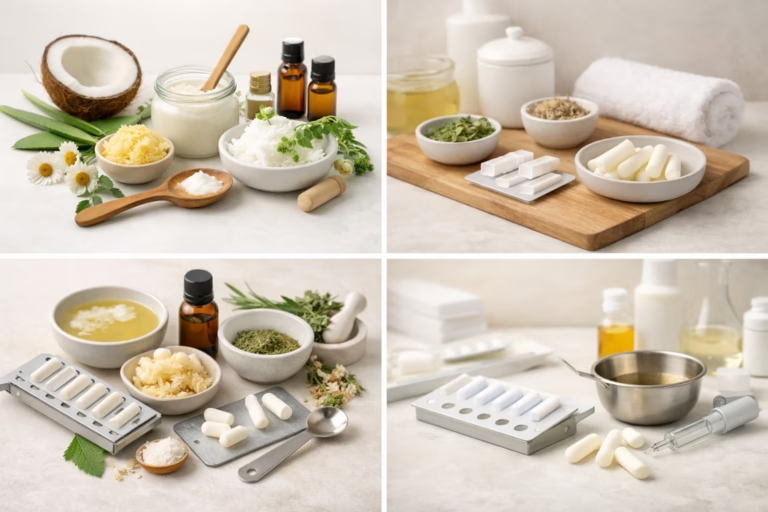
Natural remedies include the use of coconut oil as a lubricant, maintaining hydration, and consuming a balanced diet rich in healthy fats.
When should I see a doctor about vaginal dryness?
It is advisable to consult a healthcare provider if vaginal dryness persists, worsens, or is accompanied by other symptoms such as pain or unusual discharge.
The Bottom Line
Vaginal dryness is a common issue that can significantly affect a woman’s quality of life. Understanding its causes and exploring available treatments can empower women to take control of their sexual health. Whether through lifestyle changes, over-the-counter solutions, or medical treatments, addressing vaginal dryness is possible. Always consult a healthcare professional for personalized advice and treatment options.
Was this page helpful?
Thanks for your feedback! What could we improve?
Thank you! Your feedback helps us improve our articles.
Medically reviewed by
Dr. Oluwabusola Stella OkeMedical graduate of Girne American University with a focus on patient-centred care, clinical assessment and preventive health.
True Impact Health articles are written by our editorial team and based on reliable sources such as public health agencies, clinical guidelines and peer-reviewed research. This article has been checked by a doctor on our review panel. Read our editorial process.
This content is for general information and is not a substitute for professional medical advice, diagnosis or treatment.