










Joint inflammation
Learn what Joint inflammation is, its causes, symptoms, diagnosis, and practical ways to manage pain and swelling safely.

Table of Contents
Key Takeaways
- Joint inflammation often signals an underlying condition such as arthritis or injury.
- Early recognition of symptoms can lead to quicker treatment and less joint damage.
- Lifestyle changes like diet, exercise, and weight management support joint health.
- Professional medical advice is essential for accurate diagnosis and personalized care.
Joint inflammation is a common term that describes swelling, pain, and stiffness in the joints, the places where two bones meet. It can affect anyone, from a teenager who sprains an ankle to an older adult living with arthritis. Understanding why inflammation occurs, how to recognize it, and what steps can help reduce its impact is essential for maintaining mobility and quality of life.
In this guide we will explore the science behind joint inflammation, the most frequent causes, how health professionals diagnose it, and a range of evidence‑based treatments and self‑care strategies. The information is intended for everyday readers and should not replace advice from a qualified health professional.
What Is Joint Inflammation?
Joint inflammation, also known as synovitis, occurs when the synovial membrane that lines the joint capsule becomes irritated and produces excess fluid. This fluid buildup leads to swelling, while inflammatory chemicals cause pain and reduced movement.
The process is part of the body’s natural immune response. When tissue is damaged or a pathogen is present, immune cells release cytokines and prostaglandins to protect the area. In some cases the response becomes excessive or prolonged, resulting in chronic inflammation that can damage cartilage and bone.
While occasional inflammation after a minor injury is normal, persistent joint inflammation may indicate an underlying condition such as rheumatoid arthritis, gout, or an infection. Recognising the pattern and duration of symptoms helps clinicians decide whether further testing is needed.
Common Causes of Joint Inflammation
Many factors can trigger joint inflammation. They can be grouped into three broad categories: mechanical, metabolic, and immune‑mediated.
- Mechanical injuries: Sprains, strains, fractures, or repetitive stress from activities like running or heavy lifting can irritate the joint lining.
- Metabolic disorders: Conditions such as gout (caused by uric acid crystal buildup) or calcium pyrophosphate deposition disease lead to crystal‑induced inflammation.
- Autoimmune diseases: In rheumatoid arthritis, the immune system mistakenly attacks joint tissues, causing chronic inflammation.
Other contributors include infections (bacterial, viral, or fungal), certain medications, and lifestyle factors such as obesity, which adds mechanical load and releases inflammatory hormones from fat tissue.
Identifying the root cause is crucial because treatment differs markedly between, for example, an infection that requires antibiotics and an autoimmune flare that may need disease‑modifying drugs.

Recognising the Symptoms
Joint inflammation typically presents with a combination of the following signs:
- Pain that worsens with movement or at rest, depending on the cause.
- Swelling that may be visible or felt as a tight, warm area around the joint.
- Stiffness, especially after periods of inactivity or in the morning.
- Redness or a feeling of heat over the joint.
- Reduced range of motion, making everyday tasks harder.
Systemic symptoms such as fever, fatigue, or weight loss can accompany inflammatory arthritis or infection. If you notice sudden, severe pain, rapid swelling, or fever, seek medical attention promptly.
Keeping a symptom diary, recording when pain occurs, activities performed, and any dietary changes, can provide valuable clues for your health care provider.
How Joint Inflammation Is Diagnosed
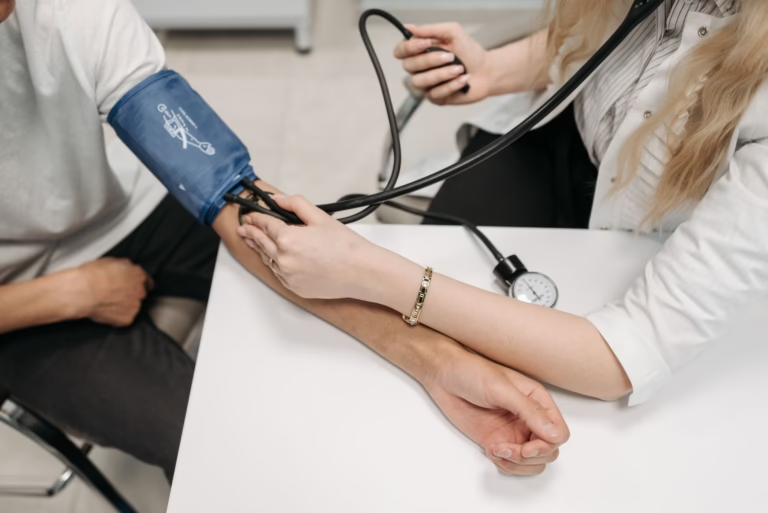
Diagnosis begins with a thorough medical history and physical examination. Your clinician will assess joint swelling, tenderness, and range of motion, and may ask about family history, recent injuries, and lifestyle factors.
Laboratory tests help narrow the cause. Common tests include:
- Complete blood count (CBC) to detect infection or anemia.
- Erythrocyte sedimentation rate (ESR) and C‑reactive protein (CRP) to measure overall inflammation.
- Uric acid level for gout assessment.
- Rheumatoid factor (RF) and anti‑CCP antibodies for rheumatoid arthritis.
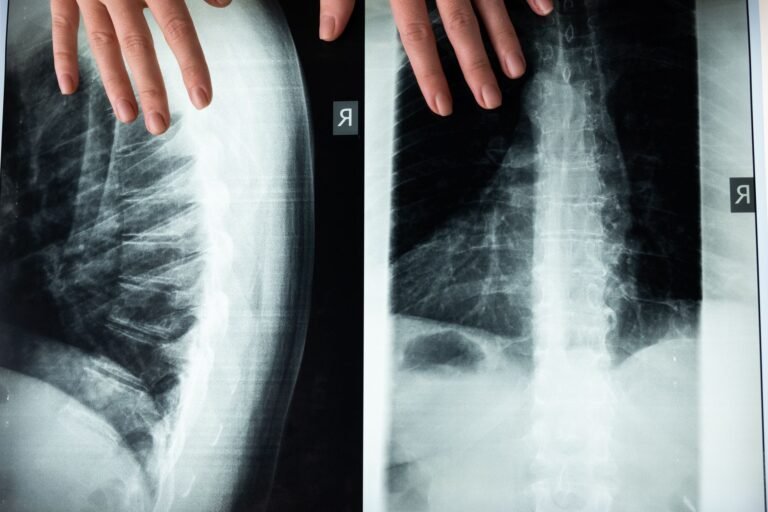
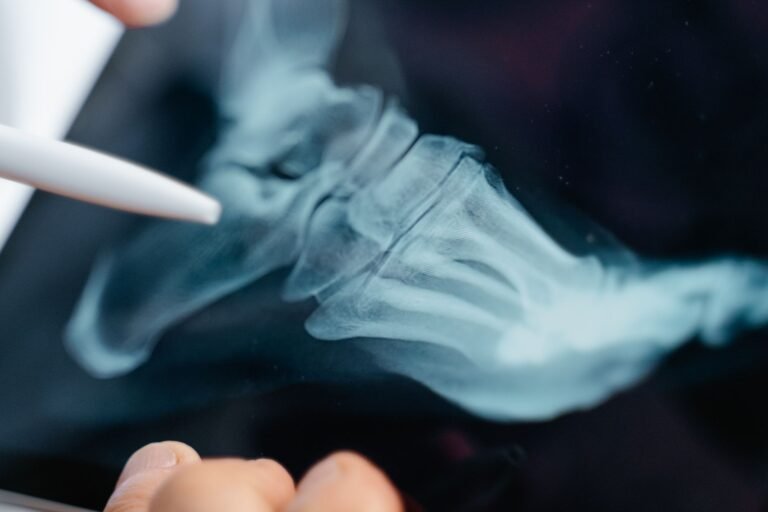
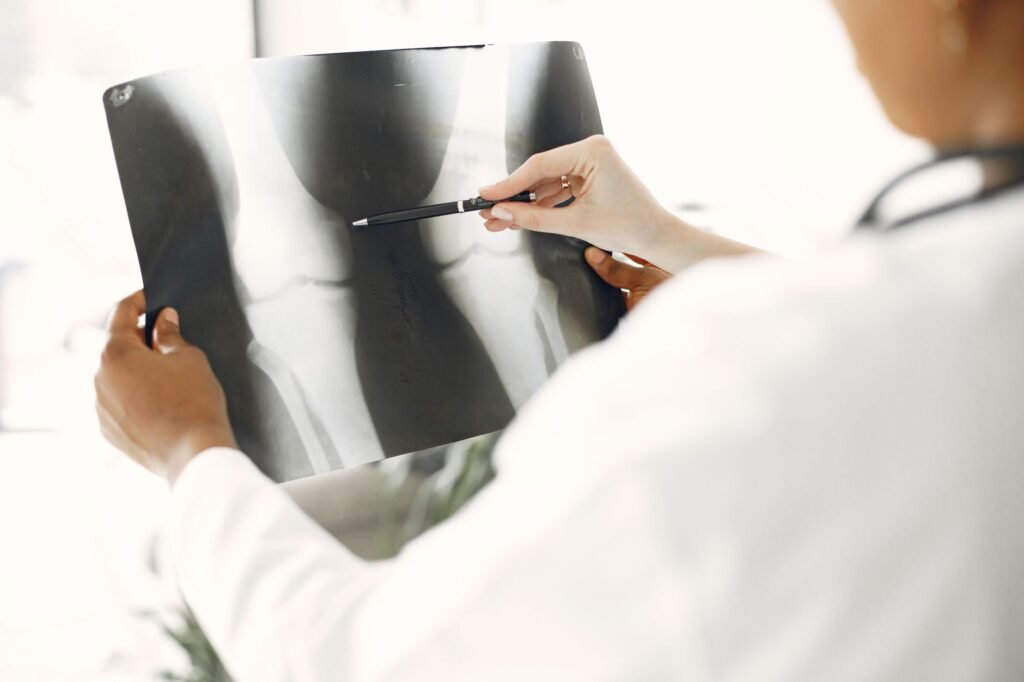
Imaging studies provide visual confirmation. X‑rays reveal bone changes, while ultrasound can detect fluid and early cartilage loss. Magnetic resonance imaging (MRI) offers detailed images of soft tissues, and joint aspiration (drawing fluid from the joint) can identify crystals or infectious agents.
For reliable, up‑to‑date guidance, you can refer to resources such as MedlinePlus which summarises diagnostic pathways for joint pain and inflammation.
Treatment Options
Management of joint inflammation combines medication, physical therapy, and lifestyle modifications. The goal is to relieve pain, reduce swelling, preserve joint function, and prevent long‑term damage.
Medication is often the first line of treatment. Over‑the‑counter non‑steroidal anti‑inflammatory drugs (NSAIDs) such as ibuprofen can reduce pain and swelling for mild cases. Prescription options include:
- Corticosteroid injections directly into the joint for rapid relief.
- Disease‑modifying antirheumatic drugs (DMARDs) for autoimmune arthritis.
- Colchicine for gout attacks.
Physical therapy focuses on restoring strength, flexibility, and joint stability. A therapist may teach gentle range‑of‑motion exercises, strengthening routines, and techniques to protect joints during daily activities.
When medication and therapy are insufficient, surgical options such as joint replacement or arthroscopy may be considered, especially for severe osteoarthritis.
Lifestyle Strategies to Reduce Inflammation
Evidence shows that diet, weight management, and activity level significantly influence joint health. Below are practical steps you can incorporate into daily life.
Anti‑Inflammatory Eating
Foods rich in omega‑3 fatty acids (salmon, walnuts, flaxseeds) and antioxidants (berries, leafy greens) help dampen inflammatory pathways. Limiting processed foods, added sugars, and saturated fats can also lower systemic inflammation.
Weight Management
Excess body weight adds mechanical stress to weight‑bearing joints such as the knees and hips. Even a modest weight loss of 5-10 % can markedly reduce pain and improve function.
Exercise Choices
Low‑impact activities like walking, swimming, cycling, and yoga promote joint mobility without over‑loading the joints. Aim for at least 150 minutes of moderate aerobic activity per week, combined with strength training twice weekly.
Sleep and Stress
Adequate sleep supports tissue repair, while chronic stress elevates cortisol, which can worsen inflammation. Practices such as mindfulness, deep‑breathing, or gentle stretching before bed improve both sleep quality and pain perception.
When to Seek Professional Care
While many cases of joint inflammation improve with self‑care, certain warning signs merit prompt medical evaluation:
- Sudden, severe swelling or pain after an injury.
- Fever, chills, or a red, hot joint suggesting infection.
- Progressive loss of joint function or inability to bear weight.
- Persistent symptoms lasting more than a few weeks despite home measures.
Early intervention can prevent irreversible joint damage and improve long‑term outcomes. If you notice any of these signs, contact your primary care provider or visit an urgent care clinic.
Managing Flare‑Ups
Even with optimal treatment, many people experience occasional flare‑ups, periods when symptoms intensify. Having a plan can minimise disruption.
Key components of a flare‑up plan include:
- Resting the affected joint and applying a cold pack for 15‑20 minutes several times a day to reduce swelling.
- Using prescribed NSAIDs or topical analgesics as directed.
- Gentle range‑of‑motion exercises to prevent stiffness, performed within pain‑free limits.
- Monitoring triggers such as specific foods, stress, or over‑exertion and adjusting habits accordingly.
Keeping a log of flare‑up frequency, duration, and possible triggers helps your clinician fine‑tune treatment.
Types of Inflammatory Joint Conditions – A Quick Reference
| Condition | Primary Cause | Typical Age of Onset | Key Features |
|---|---|---|---|
| Rheumatoid arthritis | Autoimmune | 30‑60 years | Symmetrical joint pain, morning stiffness >1 hour |
| Gout | Uric acid crystal deposition | 40‑70 years | Sudden severe pain, often in big toe, redness |
| Osteoarthritis | Degenerative wear‑and‑tear | 50+ years | Joint pain worsens with use, limited swelling |
| Psoriatic arthritis | Autoimmune linked to psoriasis | 20‑40 years | Nail changes, asymmetric joint involvement |
Nutrition Strategies to Modulate Joint Inflammation
Omega-3 Fatty Acids
Long-chain omega-3s such as eicosapentaenoic acid (EPA) and docosahexaenoic acid (DHA) have been shown to reduce the production of pro‑inflammatory eicosanoids. Incorporating fatty fish (salmon, mackerel, sardines) two to three times per week provides a practical source of these nutrients. For individuals who avoid fish, algae‑based supplements offer a plant‑derived alternative with comparable EPA/DHA content. Regular consumption can modestly lower joint pain scores in clinical trials without major side effects.
Antioxidant‑Rich Foods
Oxidative stress amplifies inflammatory pathways in the synovium, so diets high in antioxidants may help mitigate flare‑ups. Colorful fruits and vegetables, such as berries, cherries, leafy greens, and bell peppers, supply vitamins C and E, polyphenols, and carotenoids that neutralize free radicals. A simple list of daily servings can guide patients:
- 2 cups of leafy greens
- 1 cup of mixed berries
- 1 medium orange or kiwi
- 1 handful of nuts or seeds
Consistent intake of these foods supports overall joint health and complements pharmacologic therapy.
Spice and Herb Options
Several culinary spices possess anti‑inflammatory properties that are relevant to joint conditions. Turmeric contains curcumin, which inhibits nuclear factor‑kappa B, a key regulator of inflammatory gene expression. Ginger and garlic also modulate cytokine production. Adding ½ teaspoon of ground turmeric with black pepper to soups or smoothies can enhance absorption and provide a gentle, ongoing benefit.

Physical Therapy Modalities for Joint Health
Targeted Strengthening Exercises
Strengthening the muscles surrounding a joint reduces mechanical stress and improves functional stability. Resistance training using bands, light weights, or body‑weight movements should focus on low‑impact, controlled repetitions. For example, seated leg extensions, wall squats, and hip abduction with a band can be performed three times weekly. Progressively increasing load under professional guidance helps maintain joint alignment and may delay degenerative changes.
Flexibility and Range‑of‑Motion Work
Maintaining full range of motion prevents capsular tightening that can exacerbate pain. Gentle stretching routines performed after warm‑up or at the end of a session promote synovial fluid circulation. A typical sequence includes:
- Hamstring stretch (30 seconds each side)
- Quadriceps stretch (30 seconds each side)
- Shoulder pendulum circles (1 minute)
- Ankle alphabet tracing (2 minutes)
These activities should be pain‑free; any sharp discomfort signals the need to modify intensity.
Manual Therapy Techniques
Trained physical therapists may apply joint mobilizations, soft‑tissue massage, or myofascial release to reduce stiffness and improve proprioception. Evidence suggests that combined manual therapy and exercise yields greater short‑term pain relief than exercise alone. Sessions are typically scheduled once or twice weekly during acute flare‑ups, transitioning to a maintenance schedule as symptoms stabilize.
Psychosocial Factors Influencing Inflammatory Joint Conditions
Stress and Immune Response
Chronic psychological stress activates the hypothalamic‑pituitary‑adrenal axis, leading to elevated cortisol and altered immune function. This shift can increase the production of inflammatory cytokines such as interleukin‑6, worsening joint symptoms. Mindfulness‑based stress reduction, deep‑breathing exercises, and guided imagery have demonstrated modest reductions in pain perception for people with rheumatoid arthritis. Integrating these practices into daily routines supports both mental well‑being and joint health.
Sleep Quality and Inflammation
Sleep deprivation disrupts circadian regulation of immune cells, promoting a pro‑inflammatory state. Patients reporting less than six hours of restorative sleep often experience higher disease activity scores. Sleep hygiene recommendations include maintaining a consistent bedtime, limiting screen exposure before sleep, and creating a cool, dark environment. When sleep problems persist, referral to a sleep specialist may be warranted.
Social Support and Self‑Management
Having a strong support network correlates with better adherence to treatment plans and lower reported pain levels. Peer‑support groups, whether in‑person or online, provide opportunities to share coping strategies and reinforce positive health behaviors. Healthcare providers can encourage patients to identify at least one trusted individual, family member, friend, or counselor, who can assist with medication reminders, exercise motivation, and emotional encouragement during flare‑ups.
Frequently Asked Questions
Can joint inflammation resolve on its own?
Minor inflammation from a sprain or overuse often improves with rest, ice, compression, and elevation (RICE). However, chronic or unexplained inflammation usually requires medical evaluation to identify and treat the underlying cause.
Are there natural supplements that help?
Some studies suggest that omega‑3 fish oil, turmeric (curcumin), and glucosamine may provide modest relief for certain people. Always discuss supplements with a health professional, as they can interact with medications.
Is exercise safe during a flare‑up?
Gentle, low‑impact movement can prevent stiffness, but high‑intensity or weight‑bearing activities may worsen pain. Listen to your body, and consider consulting a physical therapist for tailored exercises.
What role does genetics play?
Family history is a strong risk factor for autoimmune arthritis such as rheumatoid arthritis and psoriatic arthritis. Genetics influence susceptibility, but environmental triggers and lifestyle also play significant roles.
The Bottom Line
Joint inflammation is a signal that something in the musculoskeletal system needs attention. By recognizing symptoms early, seeking professional diagnosis, and adopting evidence‑based treatments and lifestyle habits, most people can manage pain, preserve joint function, and maintain an active, fulfilling life.
Was this page helpful?
Thanks for your feedback! What could we improve?
Thank you! Your feedback helps us improve our articles.
True Impact Health articles are written by our editorial team and based on reliable sources such as public health agencies, clinical guidelines and peer-reviewed research. This article has not yet been medically reviewed. Read our editorial process.
This content is for general information and is not a substitute for professional medical advice, diagnosis or treatment.