












Dog Coughing from Congestive Heart Failure
Coughing in dogs can signal congestive heart failure due to lung fluid or heart enlargement, requiring prompt veterinary assessment.
By True Impact Health Editorial Team

Dr. Hannah Silvanus, DVMVeterinary Reviewer, True Impact Health
Doctor of Veterinary Medicine (DVM) who reviews the pet and animal health articles on True Impact Health.
Reviewed this article on October 10, 2026.
View profile How we reviewUpdated on October 10, 2026 10 min read
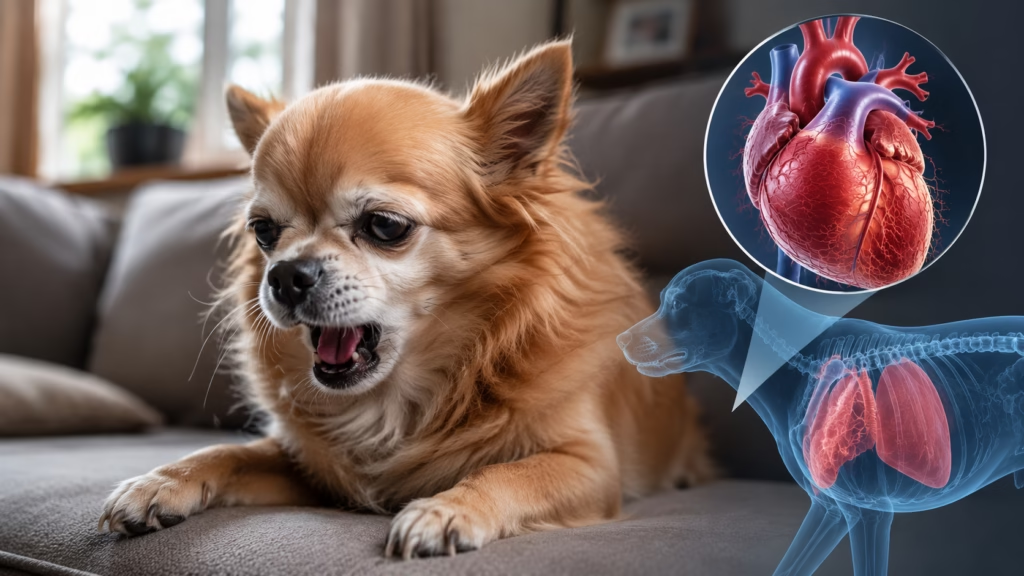
Table of Contents
Quick answer
In dogs, congestive heart failure causes coughing because fluid builds up in the lungs (pulmonary edema) or an enlarged heart presses on the airways, irritating them. The fluid or pressure triggers cough receptors, leading to a moist, wet cough or a dry, hacking cough that may worsen over time.
Introduction
Hearing your dog cough repeatedly can be concerning, especially when the cough persists or gradually becomes worse over time. While occasional coughing may result from minor issues such as allergies, irritation, or respiratory infections, chronic coughing can sometimes indicate a more serious underlying condition. One of the most significant causes of persistent coughing in dogs, particularly older dogs and certain predisposed breeds, is congestive heart failure (CHF).
Congestive heart failure is a progressive cardiovascular condition that affects a dog’s ability to pump blood efficiently throughout the body. As the disease advances, fluid can accumulate in the lungs and surrounding tissues, leading to respiratory symptoms that often include coughing. Early recognition of these signs can significantly improve a dog’s quality of life and may even extend survival through timely intervention and treatment.
In this comprehensive guide, we will explore why congestive heart failure causes coughing in dogs, discuss the most common symptoms associated with the condition, explain how veterinarians diagnose heart failure, and review the treatment options available to help affected dogs live longer and more comfortably.
Understanding Congestive Heart Failure in Dogs
To understand why congestive heart failure causes coughing, it is important to first understand how the heart normally functions and what happens when heart disease develops.
The heart serves as the body’s central pump, delivering oxygen-rich blood to tissues and organs while returning oxygen-poor blood to the lungs for reoxygenation. When the heart is healthy, it can efficiently meet the body’s demands, even during exercise and periods of excitement.
Congestive heart failure occurs when the heart becomes unable to pump blood effectively. This reduced pumping ability leads to blood backing up within the circulatory system, causing fluid accumulation in various parts of the body. Depending on which side of the heart is affected, fluid may build up in the lungs, abdomen, chest cavity, or limbs.
In dogs, several underlying conditions can eventually lead to congestive heart failure. One of the most common causes is mitral valve disease, particularly in small and toy breeds such as Cavalier King Charles Spaniels, Chihuahuas, Dachshunds, and Miniature Poodles. In this condition, the mitral valve gradually deteriorates and begins leaking blood backward into the heart, increasing cardiac workload and causing enlargement of the heart chambers.
Large and giant breeds are more commonly affected by dilated cardiomyopathy, a disease characterized by weakening and thinning of the heart muscle. This condition is frequently observed in breeds such as Doberman Pinschers, Great Danes, Boxers, and Irish Wolfhounds.
Less commonly, congenital heart defects, chronic hypertension, and certain arrhythmias may also contribute to the development of congestive heart failure.
Why Dogs with Congestive Heart Failure Develop a Cough
Coughing is one of the hallmark signs of congestive heart failure, especially when the left side of the heart is involved. There are two primary mechanisms through which heart failure causes coughing in dogs.
The first and most common mechanism is pulmonary edema. When the left side of the heart cannot efficiently pump blood forward, pressure begins to build within the pulmonary circulation. This increased pressure causes fluid to leak from blood vessels into the tiny air sacs of the lungs, known as alveoli. As fluid accumulates within the lungs, it interferes with normal breathing and stimulates coughing receptors. Dogs experiencing pulmonary edema often develop a moist or wet-sounding cough and may struggle to breathe comfortably.
The second mechanism involves enlargement of the heart itself. As heart disease progresses, certain chambers of the heart may become significantly enlarged. An enlarged left atrium, for example, can press against nearby airways known as the bronchi. This physical compression causes irritation and triggers a chronic dry cough. In these cases, the cough may sound harsh, hacking, or goose-honk-like and may be particularly noticeable during periods of excitement or physical activity.
For example, a middle-aged Golden Retriever with advanced mitral valve disease may initially develop a mild nighttime cough. Over time, as the heart enlarges and fluid begins accumulating in the lungs, the cough may become more frequent and severe, eventually occurring even during rest.
Recognizing the Signs Beyond Coughing
Although coughing is often the symptom that first draws an owner’s attention, congestive heart failure usually produces several additional signs. Recognizing these symptoms early can lead to faster diagnosis and more effective treatment.
One of the earliest indicators is exercise intolerance. Dogs that once eagerly participated in walks, games, or outdoor activities may begin slowing down, stopping frequently, or refusing exercise altogether. Owners often notice that their dog tires more quickly than usual or struggles to keep pace with family members.
Breathing changes are also common. Dogs with congestive heart failure frequently develop rapid breathing, increased respiratory effort, or shortness of breath. These signs may initially appear only after exercise but often progress to occur during rest.
Lethargy and generalized weakness are frequently observed as the heart becomes less effective at delivering oxygen-rich blood to tissues. Dogs may spend more time sleeping, show less interest in social interactions, and appear less energetic overall.
In advanced cases, fluid accumulation may extend beyond the lungs. Some dogs develop ascites, which is fluid buildup within the abdomen. This causes noticeable abdominal enlargement and discomfort. Others may develop swelling in the limbs due to poor circulation and fluid retention.
Changes in appetite and weight are also common. While some dogs experience weight gain due to fluid accumulation, others may lose weight as heart disease progresses and muscle wasting develops.
Owners should also pay attention to gum color. Pale, gray, or bluish gums may indicate inadequate oxygenation and require immediate veterinary attention.
Diagnosing Congestive Heart Failure
A veterinary evaluation is essential whenever persistent coughing or breathing abnormalities are observed. Because many respiratory diseases can mimic heart failure, proper diagnostic testing is necessary to determine the underlying cause.
The diagnostic process typically begins with a thorough physical examination. During the examination, the veterinarian will listen to the heart and lungs using a stethoscope. Heart murmurs, irregular heart rhythms, and abnormal lung sounds often provide important clues regarding the presence of heart disease.
Chest radiographs, commonly known as X-rays, are among the most valuable diagnostic tools. X-rays allow veterinarians to evaluate heart size, identify fluid accumulation within the lungs, and assess the overall condition of the chest cavity.
An echocardiogram, which is an ultrasound examination of the heart, provides detailed information about heart structure and function. This test allows veterinarians to visualize heart valves, measure chamber sizes, evaluate pumping efficiency, and identify specific cardiac abnormalities responsible for heart failure.
Electrocardiography, or ECG, may be performed to detect arrhythmias that can contribute to heart dysfunction.
Blood testing often complements imaging studies. Laboratory tests help assess kidney function, electrolyte balance, and overall health status. Specialized cardiac biomarkers, such as NT-proBNP, may also be measured to evaluate the degree of heart stress and support the diagnosis of heart disease.
Together, these diagnostic tools enable veterinarians to determine the severity of congestive heart failure and develop an appropriate treatment strategy.
Treatment and Management Options
Although congestive heart failure cannot usually be cured, modern veterinary medicine offers numerous treatments that can significantly improve quality of life and extend survival.
Diuretics are among the most commonly prescribed medications for dogs with congestive heart failure. Drugs such as furosemide help remove excess fluid from the lungs and body through increased urine production. By reducing fluid overload, these medications often provide rapid relief from coughing and breathing difficulties.
ACE inhibitors, including enalapril and benazepril, help relax blood vessels and reduce the workload placed on the heart. These medications improve circulation and may slow disease progression.
Pimobendan has become a cornerstone therapy for many dogs with heart failure. This medication improves the strength of heart contractions while simultaneously dilating blood vessels, making it easier for the heart to pump blood effectively.
Some dogs may require antiarrhythmic medications if abnormal heart rhythms are present. Oxygen therapy may also be necessary during episodes of severe respiratory distress.
Nutritional management plays an important role as well. Veterinarians often recommend diets that are lower in sodium to help minimize fluid retention. Maintaining adequate caloric and protein intake is also essential for preserving muscle mass and overall health.
Home Care and Quality of Life Management
Successful management of congestive heart failure extends beyond medications. Daily monitoring and supportive care at home can significantly improve a dog’s comfort and well-being.
Owners should monitor their dog’s resting respiratory rate regularly. A normal sleeping respiratory rate is typically below 30 breaths per minute. Consistently elevated rates may indicate worsening heart failure and should be reported to the veterinarian promptly.
Daily weight monitoring can also be valuable. Sudden increases in weight often reflect fluid retention rather than true weight gain and may signal the need for medication adjustments.
Providing a calm, comfortable environment is equally important. Dogs with congestive heart failure benefit from soft bedding, moderate temperatures, and reduced stress. Excessive excitement and strenuous exercise should be avoided, although gentle walks and light activity are often encouraged when tolerated.
Medication schedules should be followed precisely. Missing doses can result in rapid worsening of symptoms and may increase the risk of hospitalization.
Regular veterinary rechecks are essential for evaluating treatment effectiveness and making necessary adjustments. Depending on disease severity, follow-up visits may occur every three to six months or more frequently.
Preventive Measures and Prognosis
While not all cases of congestive heart failure can be prevented, early detection of heart disease can significantly improve outcomes.
Dogs belonging to high-risk breeds should undergo regular cardiac evaluations, even if they appear healthy. Routine veterinary examinations can identify heart murmurs and other abnormalities before clinical signs develop.
Maintaining a healthy body weight, feeding a balanced diet, and providing regular exercise can help support cardiovascular health throughout a dog’s life.
The prognosis for dogs with congestive heart failure varies considerably depending on the underlying cause, stage of disease, and response to treatment. Some dogs survive only a few months following diagnosis, while others live comfortably for several years with appropriate medical management.
Advances in veterinary cardiology continue to improve outcomes, allowing many dogs to enjoy a good quality of life despite a diagnosis of heart failure.
Conclusion
A chronic cough should never be ignored, particularly in older dogs or breeds known to be prone to heart disease. While coughing can result from many different conditions, congestive heart failure remains one of the most important causes to consider. Understanding how heart failure affects the lungs and airways can help owners recognize warning signs and seek veterinary care before the disease progresses.
With early diagnosis, appropriate medications, lifestyle adjustments, and diligent monitoring, many dogs with congestive heart failure can continue to enjoy meaningful, comfortable lives. If your dog has developed a persistent cough, changes in breathing, decreased energy, or exercise intolerance, consult your veterinarian as soon as possible. Prompt evaluation may not only improve your dog’s comfort but could also significantly extend both lifespan and quality of life.
Disclaimer
This article is for educational purposes only and does not replace professional medical advice, diagnosis, or treatment. Seizures, severe headache, confusion, visual changes, or blood pressure readings in the hypertensive crisis range require urgent medical evaluation.
When to see a vet
- Cough becomes frequent, louder or wet‑sounding
- Rapid breathing or difficulty breathing at rest
- Exercise intolerance or sudden fatigue
- Visible swelling of abdomen or limbs
- Loss of appetite, weight loss or sudden weight gain from fluid
- Call emergency services if the dog collapses or struggles to breathe
If your pet collapses, struggles to breathe or is in severe pain, contact an emergency vet straight away.
Frequently asked questions
Can a mild cough be ignored in an older dog?
A mild cough may be due to a minor issue, but in older dogs it can also be an early sign of heart disease. Monitor the cough for changes in frequency or sound and have a veterinarian evaluate it, especially if other signs appear.
How is congestive heart failure diagnosed in dogs?
Veterinarians use a combination of physical exam, chest X‑rays, echocardiography, and blood tests (including NT‑proBNP) to assess heart size, function, and fluid accumulation. These tests help confirm CHF and identify the underlying cause.
What treatments help reduce coughing from heart failure?
Treatment typically includes diuretics to remove excess fluid, ACE inhibitors or pimobendan to improve heart function, and cough suppressants if needed. Managing diet, limiting sodium, and regular monitoring are also important parts of care.
Will my dog’s cough go away completely with treatment?
Cough may improve significantly, but many dogs with chronic heart disease continue to have occasional coughing, especially during activity or stress. Ongoing veterinary care aims to minimise symptoms and maintain quality of life.
Sources and further reading
Was this page helpful?
Thanks for your feedback! What could we improve?
Thank you! Your feedback helps us improve our articles.
Veterinary reviewed by
Dr. Hannah Silvanus, DVMDoctor of Veterinary Medicine (DVM) who reviews the pet and animal health articles on True Impact Health.
True Impact Health articles are written by our editorial team and based on reliable sources such as public health agencies, clinical guidelines and peer-reviewed research. This article has been checked by a veterinarian on our review panel. Read our editorial process.
This content is for general information and is not a substitute for professional medical advice, diagnosis or treatment.