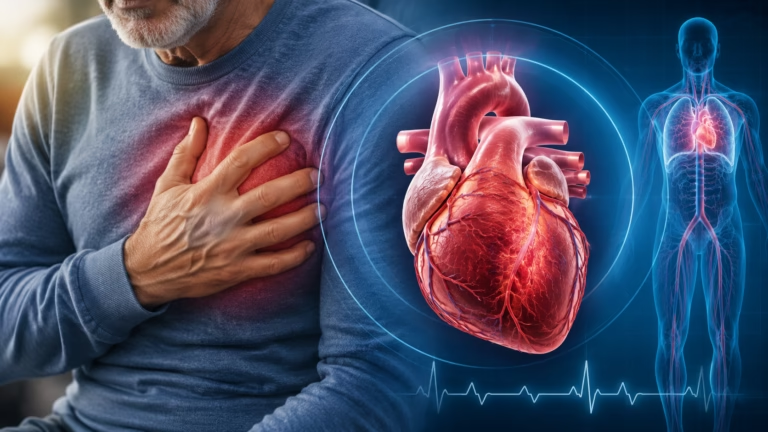
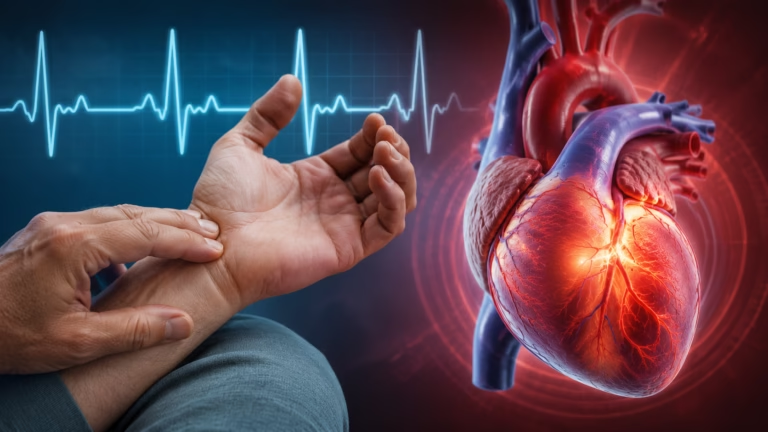
Congestive heart failure (CHF) is one of the most common cardiovascular conditions affecting millions of people worldwide. Despite its name, heart failure...
Congestive heart failure (CHF) is one of the most common cardiovascular conditions affecting millions of people worldwide. Despite its name, heart failure does not mean that the heart has completely stopped working. Instead, it means that the heart is no longer able to pump blood as effectively as the body requires. As a result, blood flow slows down, fluid begins to accumulate in various parts of the body, and important organs may not receive enough oxygen and nutrients to function optimally.
Key takeaways
Recognize common symptoms: progressive shortness of breath, persistent cough, leg or abdominal swelling, fatigue, rapid or irregular heartbeats, or sudden weight gain.
Diagnosis relies on history, exam, BNP blood testing, ECG, echocardiogram, chest X-ray, and additional imaging or catheterization as needed.
Treatment combines medications, device therapies, surgery when required, and tailored lifestyle changes including low sodium diet, exercise, weight and symptom monitoring.
A diagnosis of congestive heart failure can be frightening for patients and their families. However, modern advances in medicine have significantly improved the outlook for individuals living with this condition. Many people with CHF continue to lead active and fulfilling lives through a combination of medications, lifestyle changes, medical monitoring, and specialized treatments.
Understanding congestive heart failure is the first step toward effective management. Learning about the causes, symptoms, treatment options, and preventive measures can help patients make informed decisions and work closely with their healthcare team to achieve the best possible outcomes.
What Is Congestive Heart Failure?
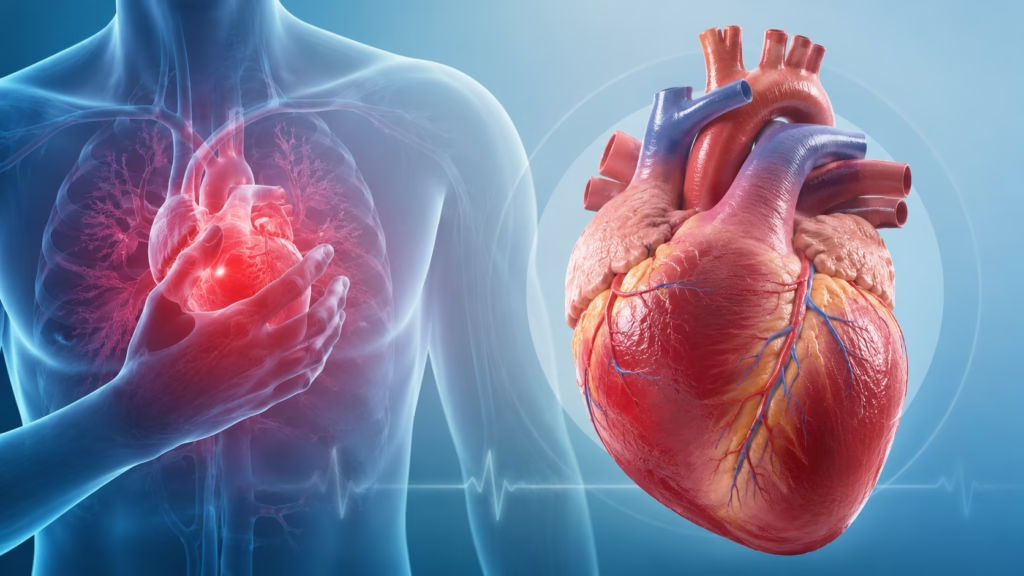
Congestive heart failure is a chronic medical condition that develops when the heart becomes unable to pump blood efficiently enough to meet the body’s needs. Because the heart’s pumping function is impaired, blood may begin to back up in the circulation, leading to fluid accumulation in the lungs, legs, feet, abdomen, and other tissues. This buildup of fluid is what gives the condition its name, “congestive” heart failure.
The heart functions as a powerful pump that continuously circulates oxygen-rich blood throughout the body. When the heart muscle becomes weakened, damaged, or stiff, its ability to perform this essential function declines. As circulation becomes less efficient, the body attempts to compensate through a variety of hormonal and physiological mechanisms. Although these compensatory responses may provide temporary support, they often worsen heart failure over time.
Congestive heart failure is generally classified according to how the heart’s pumping chambers function.
Systolic Heart Failure
Systolic heart failure occurs when the heart muscle loses its ability to contract effectively. During each heartbeat, the left ventricle should squeeze forcefully to pump blood into the circulation. In systolic heart failure, the weakened heart muscle cannot generate enough force, resulting in reduced blood flow to the body’s organs and tissues.
This type of heart failure is commonly associated with a reduced ejection fraction, which refers to the percentage of blood pumped out of the left ventricle during each contraction.
Diastolic Heart Failure
Diastolic heart failure occurs when the heart muscle becomes stiff and loses its ability to relax properly between heartbeats. Although the pumping strength may remain relatively normal, the ventricles cannot fill adequately with blood. This results in increased pressure inside the heart and reduced blood delivery to the body.
Diastolic heart failure is particularly common among older adults and individuals with long-standing hypertension, diabetes, or obesity.
Left-Sided Heart Failure
Left-sided heart failure affects the left side of the heart, which is responsible for pumping oxygen-rich blood to the body. When the left ventricle cannot function properly, blood backs up into the lungs. This often causes symptoms such as shortness of breath, coughing, and difficulty exercising.
Right-Sided Heart Failure
Right-sided heart failure affects the right side of the heart, which pumps blood to the lungs. When the right ventricle weakens, blood backs up into the veins, leading to fluid accumulation in the legs, ankles, feet, abdomen, and sometimes the liver.
Many patients eventually develop heart failure affecting both sides of the heart.
Causes and Risk Factors
Congestive heart failure usually develops as a result of other medical conditions that place excessive strain on the heart over time.
One of the most common causes is coronary artery disease. This condition occurs when fatty deposits known as plaques accumulate inside the coronary arteries, reducing blood flow to the heart muscle. Over time, restricted blood supply can weaken the heart and impair its ability to pump effectively.
High blood pressure is another major contributor to heart failure. When blood pressure remains elevated for years, the heart must work harder to circulate blood throughout the body. This extra workload causes the heart muscle to thicken and eventually weaken, increasing the risk of heart failure.
Diabetes also increases the likelihood of developing CHF. Elevated blood sugar levels can damage blood vessels and heart tissue, accelerating cardiovascular disease and impairing heart function.
Heart valve disorders may contribute as well. Valves regulate blood flow through the heart’s chambers, and damaged valves can force the heart to work harder than normal. Over time, this increased strain may result in heart failure.
Obesity and metabolic syndrome significantly increase cardiovascular risk. Excess body weight forces the heart to pump more blood to support additional tissue, while associated conditions such as high cholesterol, diabetes, and hypertension further increase the burden on the cardiovascular system.
Lifestyle factors also play an important role. Smoking damages blood vessels and reduces oxygen delivery throughout the body. Excessive alcohol consumption can weaken the heart muscle directly, while physical inactivity contributes to obesity, hypertension, and poor cardiovascular fitness.
Recognizing the Signs and Symptoms
The symptoms of congestive heart failure often develop gradually and may worsen over time.
One of the most common symptoms is shortness of breath. Initially, breathing difficulties may occur only during physical activity. As heart failure progresses, individuals may become breathless during routine activities or even while resting. Many patients find it difficult to lie flat because fluid accumulates in the lungs when they recline.
Persistent coughing or wheezing is another common symptom. Some individuals produce pink, frothy mucus as fluid accumulates within the lungs.
Swelling in the legs, ankles, feet, or abdomen frequently develops as the body retains excess fluid. Shoes may feel tighter, rings may become difficult to remove, and clothing may feel restrictive around the waist.
Fatigue and weakness often occur because muscles and organs receive less oxygen-rich blood. Tasks that were once simple may become exhausting, and exercise tolerance may decline significantly.
Rapid or irregular heartbeats may also develop as the heart attempts to compensate for reduced pumping efficiency. Patients often describe sensations of fluttering, racing, or pounding in the chest.
Sudden weight gain is another important warning sign. A gain of several pounds over a short period often indicates fluid retention rather than an increase in body fat.
Diagnosis and Assessment
Diagnosing congestive heart failure requires a combination of medical history, physical examination, and specialized diagnostic tests.
Healthcare providers typically begin by discussing symptoms, medical history, medications, and risk factors. During the physical examination, they listen for abnormal heart sounds, evaluate lung congestion, and assess swelling throughout the body.
Blood tests often include measurement of B-type natriuretic peptide (BNP) or N-terminal pro-BNP (NT-proBNP). These substances increase when the heart experiences excessive pressure and stress, making them useful indicators of heart failure.
An electrocardiogram (ECG or EKG) evaluates the heart’s electrical activity and can identify abnormal rhythms, previous heart attacks, or signs of heart enlargement.
An echocardiogram is one of the most important tests used in heart failure evaluation. This ultrasound examination provides detailed images of the heart’s structure and function, allowing physicians to assess ejection fraction, valve performance, and chamber size.
Chest X-rays help identify fluid accumulation in the lungs and enlargement of the heart.
Additional tests such as stress testing, cardiac catheterization, CT scans, or MRI studies may be recommended depending on the individual’s condition and suspected underlying causes.
Treatment and Management Options
Although congestive heart failure cannot always be cured, effective treatment can significantly reduce symptoms, improve quality of life, and prolong survival.
Medications
Several medications play critical roles in managing CHF.
ACE inhibitors and ARBs help relax blood vessels, lower blood pressure, and reduce the workload on the heart. These medications can also slow disease progression.
Beta-blockers reduce heart rate and decrease the heart’s oxygen demand, helping the heart function more efficiently.
Diuretics, commonly known as water pills, help eliminate excess fluid from the body. By reducing fluid accumulation, these medications improve breathing and decrease swelling.
Aldosterone antagonists provide additional fluid control and may improve long-term outcomes in selected patients.
In advanced cases, inotropic medications may be used to strengthen heart contractions and improve circulation.
Device Therapy
Certain patients benefit from specialized cardiac devices.
Implantable cardioverter-defibrillators (ICDs) continuously monitor heart rhythms and deliver life-saving shocks when dangerous arrhythmias occur.
Cardiac resynchronization therapy (CRT) helps coordinate the contractions of different heart chambers, improving pumping efficiency.
Pacemakers may be necessary when abnormal electrical signals cause excessively slow heart rhythms.
Surgical Interventions
When heart failure is caused by blocked arteries or damaged valves, surgery may be required.
Valve repair or replacement can improve circulation and reduce stress on the heart.
For patients with severe end-stage heart failure, ventricular assist devices or heart transplantation may be considered.
Lifestyle and Self-Care Strategies
Lifestyle modifications are essential components of heart failure management.
Patients are often advised to follow a low-sodium diet because excess sodium promotes fluid retention and increases blood pressure. Most heart failure specialists recommend limiting sodium intake to approximately 1,500 to 2,000 milligrams per day.
A heart-healthy eating pattern emphasizing fruits, vegetables, whole grains, lean proteins, and healthy fats can improve cardiovascular health and overall well-being.
Physical activity remains important, but exercise should be tailored to each patient’s abilities. Walking, cycling, and supervised cardiac rehabilitation programs can improve endurance, strength, and quality of life.
Daily weight monitoring helps detect fluid retention early. A sudden increase in weight may indicate worsening heart failure and should be reported to a healthcare provider.
Patients should also monitor blood pressure, heart rate, and symptoms regularly while maintaining close communication with their medical team.
Mental and emotional health should not be overlooked. Living with a chronic condition can lead to anxiety, depression, and stress. Support groups, counseling, and relaxation techniques may provide valuable assistance.
Preventing Congestive Heart Failure
While not all cases of heart failure can be prevented, many risk factors can be modified.
Maintaining healthy blood pressure levels is one of the most effective preventive strategies. Regular monitoring and adherence to prescribed medications are essential.
Managing diabetes effectively helps protect blood vessels and heart tissue from long-term damage.
Maintaining a healthy weight reduces strain on the heart and lowers the risk of numerous cardiovascular diseases.
Avoiding tobacco products and limiting alcohol intake provide significant benefits for heart health.
Routine medical checkups allow healthcare providers to identify and manage cardiovascular risk factors before they lead to serious complications.
Conclusion
Congestive heart failure is a serious but manageable condition that affects millions of individuals worldwide. Although the diagnosis can initially feel overwhelming, advances in medical treatment, lifestyle management, and supportive care have dramatically improved outcomes for many patients.
Understanding the causes, recognizing the symptoms, pursuing early diagnosis, and following a comprehensive treatment plan can help individuals maintain independence, reduce hospitalizations, and enjoy a better quality of life. Through close collaboration with healthcare providers and consistent self-care, people living with congestive heart failure can take meaningful steps toward protecting their heart health and achieving long-term wellness.
Remember that every positive choice, from taking medications correctly to eating healthier foods and staying physically active, contributes to a stronger heart and a healthier future.
Disclaimer
This article is for educational purposes only and does not replace professional medical advice, diagnosis, or treatment. Seizures, severe headache, confusion, visual changes, or blood pressure readings in the hypertensive crisis range require urgent medical evaluation.
Thank you! Your feedback helps us improve our articles.
True Impact Health articles are written by our editorial team and based on reliable sources such as public health agencies, clinical guidelines and peer-reviewed research. This article has not yet been medically reviewed. Read our editorial process.
This content is for general information and is not a substitute for professional medical advice, diagnosis or treatment.