













Kittens Eye Infection
Learn about the causes, symptoms, and treatments for kitten eye infections. Discover how to identify warning signs and when to seek professional veterinary c…
By True Impact Health Editorial Team

Doctor of Veterinary Medicine (DVM) who reviews the pet and animal health articles on True Impact Health.
Reviewed this article on October 10, 2026.
View profile How we reviewUpdated on October 10, 2026 7 min read
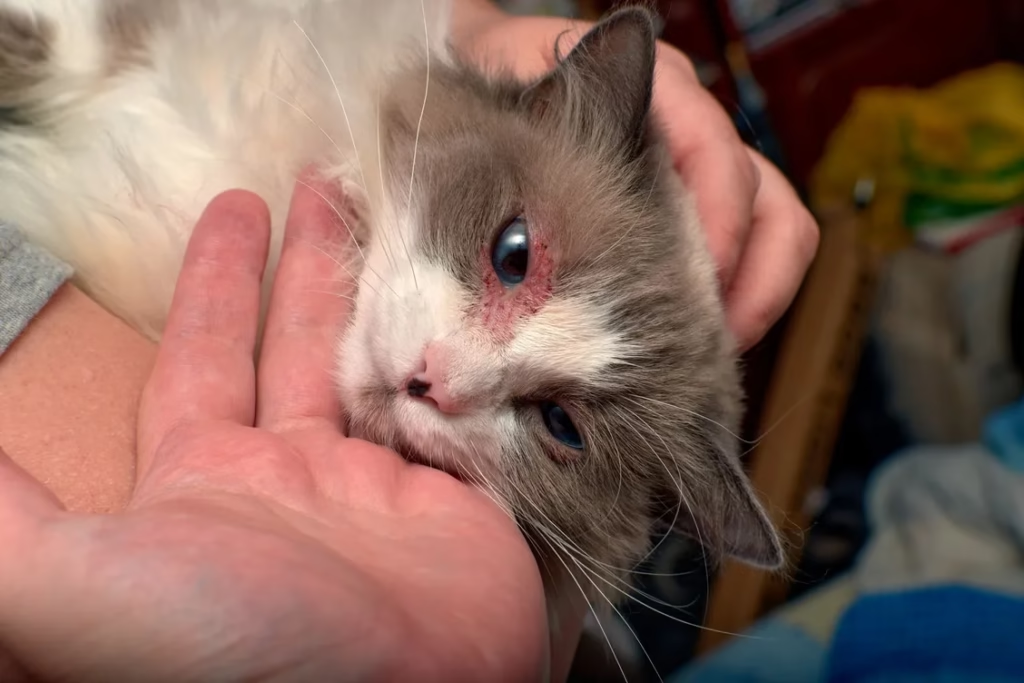
Table of Contents
Quick answer
- Watch for redness, discharge, excessive tearing, or squinting and seek veterinary diagnosis promptly to prevent complications.
- Follow your veterinarian’s treatment plan fully, use prescribed eye medications, and gently clean the eyes to manage discharge and discomfort.
- Prevent infections with good hygiene, regular vet checkups, indoor care, and isolating sick kittens to reduce spread.
Eye infections in kittens are common inflammatory conditions often caused by viruses, bacteria, or environmental irritants. Because these infections can progress rapidly and potentially threaten a kitten's vision, they require a professional veterinary examination to determine the underlying cause and receive appropriate, safe treatment. Prompt care is essential to ensure your kitten recovers fully without long-term complications.
Kittens are delightful creatures that bring joy and warmth into our homes. However, like any animal, they can experience health problems. One issue that cat owners should be aware of is eye infections in kittens. These infections, while often minor, can lead to serious complications if not addressed promptly. In this blog post, we will explore the causes, symptoms, treatment, and prevention of eye infections in kittens. Understanding these aspects will help pet owners ensure their furry friends stay happy and healthy.
Understanding Eye Infections in Kittens
Eye infections in kittens, also known as conjunctivitis or feline conjunctivitis, can occur when the tissues of the eye become inflamed due to bacteria, viruses, or allergies. Kittens are particularly susceptible to eye infections because their immune systems are still developing. The signs of an eye infection can range from mild irritation to severe discharge and redness. Common causes include upper respiratory infections, trauma, or even environmental factors. Therefore, recognizing early symptoms is vital for prevention and treatment.
Causes of Eye Infections in Kittens
Infections are typically categorized as bacterial or viral. Feline herpesvirus, chlamydia, and calicivirus are three of the most common infectious agents that cause eye problems in kittens. An upper respiratory infection often accompanies viral infections, leading to subsequent eye issues. Environmental factors, such as dust, pollen, and smoke, can also irritate a kitten’s eyes and lead to infections. Poor hygiene, such as dirty litter boxes or unclean living spaces, can exacerbate these conditions. As such, awareness of these triggers can help in creating a safeguarded environment for kittens.
Symptoms of Eye Infections in Kittens
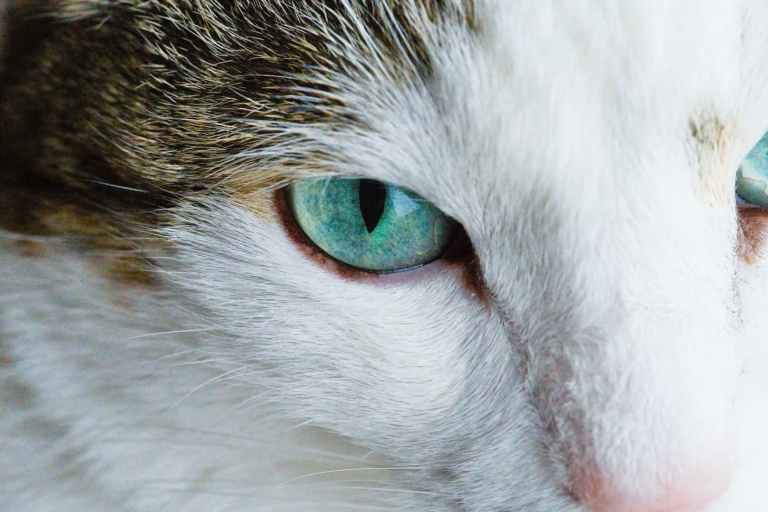
The symptoms of eye infections in kittens can vary, but common signs include excessive tearing, redness of the eye, swelling of the eyelids, and discharge that may be watery or thick. Kittens may also squint or keep their affected eye closed. Additionally, you may notice behavioral changes, such as increased irritability or lethargy. Identifying these symptoms early can lead to prompt veterinary attention, which is crucial for effective treatment and recovery.
Diagnosis of Eye Infections in Kittens
When a kitten exhibits symptoms of an eye infection, a visit to the veterinarian is necessary for an accurate diagnosis. The vet will begin with a thorough physical examination and may also perform specific tests to determine the underlying cause. This may include a fluorescein stain test if there’s suspicion of a corneal injury, or laboratory tests to identify bacterial or viral infections. Understanding the precise nature of the infection is essential in determining the appropriate treatment approach.
Treatment Options for Eye Infections in Kittens
Treatment for eye infections in kittens typically involves the use of topical medications such as antibiotic or antiviral eye drops. In more severe cases, oral medications may also be required. It is crucial for pet owners to follow their veterinarian’s instructions closely and complete the full course of any prescribed medication to ensure total recovery. Additionally, cleaning the kitten’s eyes gently with a warm, damp cloth can be beneficial in managing discharge and discomfort.
Home Care and Management
Alongside veterinary care, there are ways to support the recovery of a kitten with an eye infection at home. Maintaining cleanliness is essential; ensure that the kitten’s environment is free from irritants and allergens. Regularly clean the litter box and avoid overcrowded spaces. Wiping the eyes with a sterile moistened cloth can alleviate some discomfort and prevent further irritation. Additionally, ensure that the kitten is well-hydrated and receiving proper nutrition to boost their immune system.
Prevention of Eye Infections in Kittens
Preventing eye infections in kittens starts with responsible pet ownership. Regular veterinary check-ups can help detect any early signs of health issues. Keeping your kitten indoors can also reduce their exposure to infectious agents. Additionally, practicing good hygiene by regularly cleaning the kitten’s bedding, litter box, and feeding areas can significantly decrease the likelihood of infection. Introduce new pets slowly and ensure they are healthy before mingling with your kitten to prevent the spread of disease.
When to Seek Veterinary Care
Pet owners should monitor their kittens closely and seek veterinary care if symptoms persist or worsen over time. Signs such as significant discharge, persistent redness, or swelling that doesn’t improve after treatments warrant immediate attention. Additionally, if a kitten exhibits extreme lethargy or appears to be in pain, these symptoms should not be ignored. Early intervention can lead to better outcomes and minimize the risk of complications.
Long-term Effects of Eye Infections
If left untreated, a kitten’s eye infection can lead to more severe complications, such as chronic issues or even loss of vision. Some viral infections may also leave behind long-term effects on the kitten’s overall health. Therefore, prompt treatment and proper management are crucial to prevent these potential complications. Additionally, following up with your veterinarian can provide insights into your kitten’s recovery and future health.
Conclusion
In summary, eye infections in kittens are a common issue that can range from mild to severe. Understanding the causes, symptoms, and treatment options is essential for all pet owners. This knowledge allows for better monitoring of your kitten’s health and swift action when problems arise. Regular veterinary check-ups, maintaining a clean living environment, and practicing good hygiene are key components in preventing eye infections and other health issues. By being proactive and attentive, you can help your kitten maintain optimal eye health and overall well-being. Taking care of your pet’s health not only ensures a happy life for them but also strengthens the bond you share. A healthy kitten leads to a joyful home environment!
Frequently Asked Questions
- How do I know if my kitten has an eye infection?
Look for symptoms such as redness, excessive tearing, discharge, or squinting. If you notice any of these symptoms, consult your veterinarian. - Can I treat my kitten’s eye infection at home?
While you can help manage mild symptoms at home, it’s essential to seek veterinary care for proper diagnosis and treatment. - Are eye infections in kittens contagious?
Yes, some causes of eye infections, such as viral infections, can be contagious to other cats, so it’s crucial to isolate infected pets. - How can I prevent eye infections in my kitten?
Prevent eye infections by maintaining cleanliness, ensuring proper nutrition, and scheduling regular veterinary check-ups. - What happens if I ignore my kitten’s eye infection?
Ignoring an eye infection can lead to severe complications, including potential loss of vision and chronic health issues.
Further Reading
3.5 tog sleeping bag temperature guide
What Type of Psychotherapy Is Best for Anxiety?
post-traumatic stress disorder (PTSD)
When to see a vet
- The kitten is squinting, pawing at the eye, or keeping the eye closed.
- There is thick, yellow, or green discharge coming from one or both eyes.
- The eyeball appears cloudy, ulcerated, or physically damaged.
- The kitten shows signs of systemic illness like lethargy or loss of appetite.
- Symptoms do not show improvement within 24 hours of starting home care.
If your pet collapses, struggles to breathe or is in severe pain, contact an emergency vet straight away.
Frequently asked questions
Can I use human eye drops to treat my kitten's infection?
No, you should never use human eye drops or leftover medications on a kitten. Many human eye products contain ingredients that are toxic to cats or can cause severe damage to a kitten's delicate corneal tissue. Always use only the specific medication prescribed by your veterinarian after a proper diagnosis.
Is a kitten eye infection contagious to other pets?
Yes, many causes of feline eye infections, such as herpesvirus or chlamydia, are highly contagious to other cats. If you have multiple pets, it is best to isolate the affected kitten in a separate room and wash your hands thoroughly after handling them to prevent the spread of the infection.
How do I safely clean discharge from my kitten's eyes?
Use a clean, soft cloth or cotton ball dampened with warm, plain water. Gently wipe away the discharge, moving from the inner corner of the eye outward. Do not apply pressure to the eyeball itself. If the kitten resists or the area is painful, stop immediately and contact your veterinary clinic for guidance.
Will my kitten's eye infection go away on its own?
While some very mild cases of irritation may resolve, most infections require veterinary intervention to prevent permanent damage. Kittens have immature immune systems and can deteriorate quickly. It is safer to have a veterinarian assess the eye to ensure the infection is not a symptom of a more serious underlying health issue.
Sources and further reading
Was this page helpful?
Thanks for your feedback! What could we improve?
Thank you! Your feedback helps us improve our articles.
Veterinary reviewed by
Dr. Hannah Silvanus, DVMDoctor of Veterinary Medicine (DVM) who reviews the pet and animal health articles on True Impact Health.
True Impact Health articles are written by our editorial team and based on reliable sources such as public health agencies, clinical guidelines and peer-reviewed research. This article has been checked by a veterinarian on our review panel. Read our editorial process.
This content is for general information and is not a substitute for professional medical advice, diagnosis or treatment.