













Discharge Cat Eye Infection Pictures
Learn how to recognise cat eye infection signs, understand discharge types, and know when to seek veterinary care for your feline's eye health.
By True Impact Health Editorial Team

Doctor of Veterinary Medicine (DVM) who reviews the pet and animal health articles on True Impact Health.
Reviewed this article on October 10, 2026.
View profile How we reviewUpdated on October 10, 2026 8 min read
Table of Contents
Quick answer
- Recognize symptoms: discharge color, redness, squinting, swelling, behavioral changes indicating pain or vision issues.
- Common causes: feline herpesvirus, bacteria, allergies, and foreign bodies often lead to eye infections.
- Treatment and vet care: antibiotics, anti inflammatories, eye flushing, and prompt veterinary evaluation for severe or persistent symptoms.
- Prevention and home care: regular vet checks, good hygiene, avoid allergens, and support overall health to reduce infection risk.
Cat eye infections often show up as discharge, redness, swelling or squinting. The colour and consistency of the discharge can hint at the cause—clear fluid usually means irritation or allergies, while yellow or green pus suggests a bacterial infection that needs veterinary treatment.
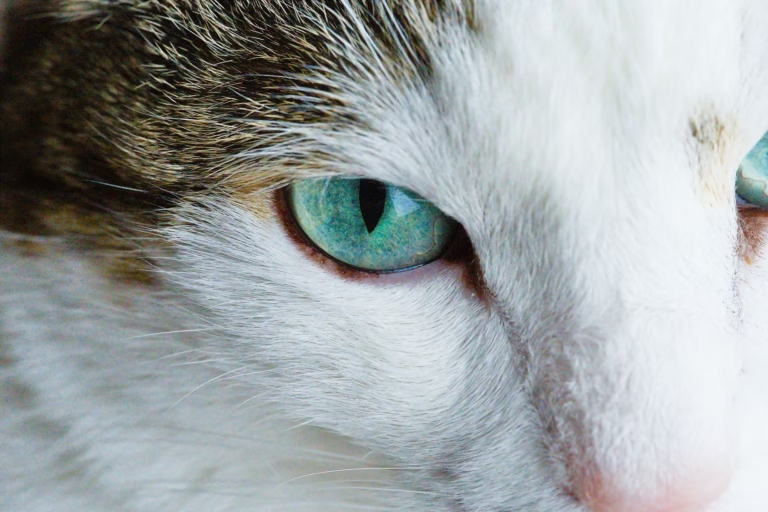
Today we will be discussing cat eye infections, a common yet often concerning issue pet owners may encounter. Cat eye infections can manifest as discharge or other symptoms affecting the eyes and surrounding areas, causing discomfort and possible vision complications. Understanding symptoms, causes, and treatments of eye infections in cats is crucial to ensure the health and well-being of your feline friend. A typical eye infection may result from various factors, including viral or bacterial infections, allergies, or foreign bodies in the eye. It is essential for pet owners to recognize the signs of eye infections to provide timely care. This blog will provide a comprehensive explanation of cat eye infections, focusing on discharge cat eye infection pictures to illustrate the different stages and signs of this condition.
Understanding Cat Eye Infections
Cat eye infections can vary in severity and cause. Generally, they occur when the delicate tissues of the eye become inflamed or infected, leading to potential complications such as loss of vision or chronic discomfort. Several factors can contribute to eye infections in cats, including underlying health conditions such as feline herpesvirus, which may cause persistent eye issues. Understanding the anatomy of a cat’s eye is essential, as it can help pet owners recognize what is normal versus what may indicate an infection. Cats have a more significant number of tear ducts than humans, and their eyes are designed to self-clean and protect themselves from foreign materials. However, when these natural defenses are compromised, it can lead to significant health challenges.
Types of Cat Eye Infections
There are several types of cat eye infections, each presenting unique symptoms and requiring varying treatments. Some common types of eye infections in cats include:
- Conjunctivitis: Also known as “pink eye,” this inflammation occurs in the conjunctiva, the membrane covering the inner eyelid and eyeball. Symptoms include redness, swelling, and discharge from the eye.
- Cataracts: Though primarily associated with aging, cataracts can occur due to diabetes or eye infections. They lead to cloudiness in the lens of the eye, affecting vision.
- Uveitis: This is the inflammation of the uvea, which can be caused by infections or autoimmune conditions. Symptoms include sensitivity to light and changes in the visible appearance of the eye.
- Corneal Ulcers: These painful sores on the cornea often result from trauma or infections. Signs include squinting and excessive tearing.
Signs and Symptoms to Watch For
Recognizing the signs and symptoms of eye infections in cats is crucial for early intervention. Common symptoms include:
- Discharge: This can vary in color and consistency. Clear discharge may indicate allergies, while yellow or green discharge often suggests bacterial infections.
- Redness and Swelling: Inflammation in and around the eye is typically a clear sign of an infection.
- Squinting or Excessive Blinking: This can indicate discomfort or pain in the eye.
- Changes in Behavior: If a cat begins to avoid bright light or attempts to rub its eye, it may signal an issue that must be addressed.
Common Causes of Eye Infections in Cats
Various factors contribute to the onset of eye infections among cats:
- Viral Infections: Viruses like feline herpesvirus are notorious for causing recurrent eye infections.
- Bacterial Infections: Bacteria can enter the eye due to injuries or underlying health issues.
- Allergies: Environmental factors like pollen, dust, or smoke can lead to allergic conjunctivitis, resulting in eye infections.
- Foreign Bodies: Dust, dirt, or foreign materials can irritate the eye and lead to inflammation.
Treatment Options for Cat Eye Infections
Seeking prompt veterinary care is essential for treating eye infections in cats. Treatment methods vary based on the infection’s type and severity:
- Antibiotics: For bacterial infections, veterinarians may prescribe antibiotic eye drops or ointments to eliminate the infection.
- Anti-inflammatory Medications: Reducing inflammation can alleviate discomfort and allow for healing.
- Flushing the Eye: In certain cases, flushing foreign materials or discharge from the eye may be necessary.
- Supportive Care: Providing a calm environment and ensuring the cat’s comfort is critical during recovery.
Home Care and Prevention
Preventive care for eye health in cats is essential. Here are some tips for maintaining healthy eyes:
- Regular Veterinary Check-ups: Annual check-ups can help detect potential issues early.
- Good Hygiene Practices: Regularly cleaning around a cat’s eyes can prevent the build-up of discharge.
- Avoiding Allergens: Minimizing exposure to known allergens can significantly improve a cat’s eye health.
- Maintaining Overall Health: A healthy diet and regular exercise can bolster a cat’s immune system, preventing infections.
When to See a Veterinarian
It’s vital to recognize when eye conditions require a vet’s attention. Seek immediate veterinary care if your cat experiences:
- Severe Redness: Intensified redness in the eye is often a warning sign that should be assessed.
- Persistent Discharge: Continuous discharge, especially if malodorous, may indicate a more serious issue.
- Changes in Vision: Noticeable alterations in vision or behavior should prompt immediate veterinary assessment.
- Persistent Seeming Pain: Cats that persistently squint or avoid bright light should be evaluated as soon as possible.
Understanding Eye Discharge Pictures
Images depicting eye discharge in cats can be valuable in understanding potential problems. Familiarizing yourself with common types of discharge can help you determine the urgency of the situation. Pictures may depict:
- Clear Discharge: Often associated with allergies, this type of discharge may not indicate a severely concerning issue.
- Yellow or Green Discharge: Typically indicating a bacterial infection, this discharge often needs prompt treatment.
- Sticky Discharge: If discharge creates crusty buildup, it’s an immediate sign to consult a veterinarian.
Living with a Cat with Eye Infection
Loving and caring for a cat with an eye infection involves patience and dedication. Providing comfort and medicine as prescribed by a vet are crucial steps in recovery. Ensuring a stress-free environment is also essential to speed up the healing process.
- Medication Adherence: Follow the vet’s instructions thoroughly to ensure full recovery.
- Monitoring Behavior: Observe your cat for changes in behavior, which may signal pain or discomfort.
- Maintaining Hygiene: Ensure your cat’s living area remains clean to avoid aggravating any issues or spreading infections.
Conclusion: Cat eye infections are an all-too-common issue faced by many pet’s guardians. Hence, educating yourself about symptoms, causes, treatment options, and preventive measures is vital. Being attentive to signs of problems, supporting your cat’s needs, and ensuring timely veterinary care can lead to prompt recovery from eye infections, allowing your furry companion to enjoy joyful, healthy days. By establishing regular hygiene practices and keeping an eye on environmental since those factors often contribute to eye infections, owners can mitigate risks significantly.
Frequently Asked Questions
1. What should I do if my cat has eye discharge?
If your cat has eye discharge, monitor the color and consistency. If it is yellow or green, or your cat shows other symptoms such as redness, squinting, or distress, contact a veterinarian for an evaluation.
2. Can I treat my cat’s eye infection at home?
While some mild cases might benefit from home remedies, it’s essential to consult with your veterinarian before beginning any treatment to avoid worsening the condition.
3. How can I prevent my cat from getting an eye infection?
Regular veterinary exams, maintaining good hygiene practices, and minimizing exposure to allergens are effective strategies for preventing eye conditions.
4. Will an eye infection affect my cat’s vision?
If left untreated, eye infections can lead to complications affecting your cat’s vision. Early and appropriate treatment is crucial.
5. When should I take my cat to the vet for an eye issue?
You should schedule a visit if your cat exhibits severe redness, persistent discharge, signs of pain, or changes in vision. Always err on the side of caution when it comes to your pet’s health.
For more information, see the CDC.
When to see a vet
- Persistent yellow or green discharge
- Severe redness or swelling of the eye
- Frequent squinting, pawing at the eye, or light sensitivity
- Sudden loss of vision or cloudiness in the eye
- Bleeding or ulcerated cornea
- If the cat is in severe pain, call the local emergency number
If your pet collapses, struggles to breathe or is in severe pain, contact an emergency vet straight away.
Frequently asked questions
Can I treat my cat's eye infection with over‑the‑counter eye drops?
Over‑the‑counter drops are not formulated for cats and may worsen the problem. Only a veterinarian can diagnose the cause and prescribe safe, appropriate medication.
How long does it take for a cat's eye infection to heal?
Healing time varies; mild bacterial conjunctivitis may improve in 5‑7 days with treatment, while viral or chronic conditions can take weeks and may need ongoing management.
Is it normal for a cat to have a small amount of clear discharge?
A tiny amount of clear tear‑stained fur is normal, but any increase in volume, crusting or change in colour should be checked by a vet.
Can allergies cause eye discharge in cats?
Yes, environmental allergens such as pollen, dust or smoke can cause watery or mucoid discharge and mild redness, but a vet should confirm the cause and recommend appropriate treatment.
Sources and further reading
Was this page helpful?
Thanks for your feedback! What could we improve?
Thank you! Your feedback helps us improve our articles.
Veterinary reviewed by
Dr. Hannah Silvanus, DVMDoctor of Veterinary Medicine (DVM) who reviews the pet and animal health articles on True Impact Health.
True Impact Health articles are written by our editorial team and based on reliable sources such as public health agencies, clinical guidelines and peer-reviewed research. This article has been checked by a veterinarian on our review panel. Read our editorial process.
This content is for general information and is not a substitute for professional medical advice, diagnosis or treatment.