















Treating Congestive Heart Failure Naturally
Congestive heart failure (CHF) is a chronic cardiovascular condition that affects millions of people worldwide. It occurs when the heart becomes unable to...

Table of Contents
Introduction
Congestive heart failure (CHF) is a chronic cardiovascular condition that affects millions of people worldwide. It occurs when the heart becomes unable to pump blood efficiently enough to meet the body’s needs. As a result, fluid can accumulate in the lungs, legs, abdomen, and other tissues, leading to symptoms such as shortness of breath, swelling, fatigue, and reduced exercise tolerance.
Modern medical treatments have significantly improved the outlook for people living with congestive heart failure. Medications such as ACE inhibitors, beta-blockers, angiotensin receptor-neprilysin inhibitors (ARNIs), mineralocorticoid receptor antagonists, and diuretics remain the foundation of treatment and have been proven to reduce hospitalizations and improve survival.
However, many individuals are interested in natural approaches that may complement their prescribed treatment plan. Lifestyle modifications, dietary improvements, stress management techniques, and selected nutritional supplements can help support cardiovascular health and improve quality of life when used appropriately and under medical supervision.
It is important to understand that natural therapies should never replace evidence-based medical treatment for congestive heart failure. Instead, they should be viewed as supportive strategies that work alongside conventional care to help patients achieve the best possible outcomes.
Understanding Congestive Heart Failure
Congestive heart failure develops when the heart’s pumping ability becomes weakened or stiffened. This impairment prevents the heart from effectively circulating oxygen-rich blood throughout the body.
When the heart’s function declines, several compensatory mechanisms become activated. The body releases hormones that increase blood pressure and promote fluid retention in an attempt to maintain circulation. While these responses may provide short-term support, they often worsen heart failure over time by increasing the workload on the heart.
Common symptoms of congestive heart failure include shortness of breath during physical activity or while lying down, swelling in the legs and ankles, persistent fatigue, reduced ability to exercise, chronic coughing, and sudden weight gain caused by fluid accumulation.
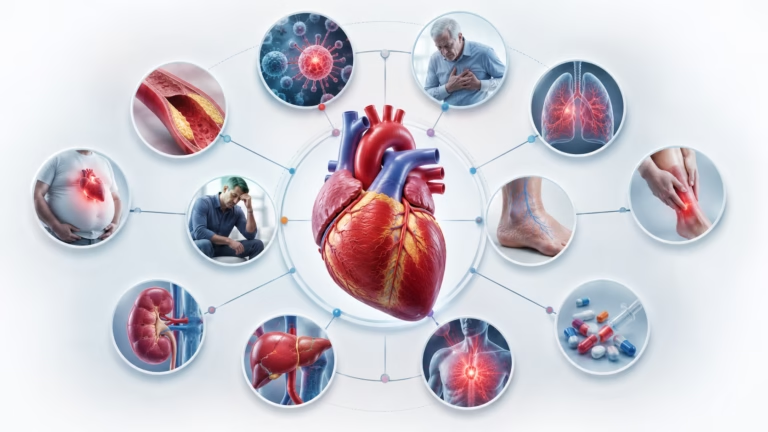
Several conditions increase the risk of developing heart failure, including high blood pressure, coronary artery disease, diabetes, obesity, heart valve disorders, previous heart attacks, and advancing age.
Because heart failure is a progressive condition, ongoing medical supervision remains essential regardless of whether natural therapies are incorporated into the treatment plan.
The Importance of Conventional Medical Treatment
Before exploring natural approaches, it is essential to emphasize the importance of continuing prescribed medical therapy.
Numerous clinical trials have demonstrated that medications used for heart failure significantly improve survival and reduce the risk of hospitalization. Discontinuing these medications in favor of alternative therapies can lead to worsening symptoms, disease progression, and potentially life-threatening complications.
Natural therapies should therefore be considered complementary rather than alternative treatments. Any changes involving diet, supplements, exercise, or lifestyle should be discussed with a healthcare provider to ensure they are safe and compatible with existing medical conditions and medications.
Nutritional Strategies for Supporting Heart Health
Nutrition plays a central role in managing congestive heart failure. A well-balanced diet can help control blood pressure, reduce fluid retention, improve energy levels, and support overall cardiovascular function.
Reducing Sodium Intake
One of the most important dietary modifications for individuals with heart failure is limiting sodium consumption.
Excess sodium causes the body to retain water, which increases blood volume and places additional strain on the heart. Fluid retention can worsen swelling, shortness of breath, and hospitalizations related to heart failure.
Most heart failure specialists recommend limiting sodium intake to approximately 1,500 to 2,000 milligrams per day, although recommendations may vary based on individual circumstances.
Reducing sodium involves more than avoiding table salt. Processed foods, canned soups, packaged meals, restaurant foods, sauces, and snack products often contain surprisingly high levels of sodium. Reading nutrition labels carefully can help patients make more informed dietary choices.
Following a Heart-Healthy Dietary Pattern
The Dietary Approaches to Stop Hypertension (DASH) diet and the Mediterranean diet are two eating patterns frequently recommended for cardiovascular health.
The DASH diet emphasizes fruits, vegetables, whole grains, lean proteins, low-fat dairy products, legumes, and nuts while limiting sodium, saturated fats, and added sugars.
Similarly, the Mediterranean diet focuses on plant-based foods, olive oil, fish, legumes, nuts, and moderate consumption of lean proteins. Numerous studies have linked this dietary pattern to reduced cardiovascular risk and improved heart health.
Both approaches provide important nutrients, antioxidants, and fiber that support healthy blood vessels and overall cardiovascular function.
Consuming Adequate Potassium
Potassium plays an important role in regulating blood pressure and maintaining proper muscle and nerve function, including heart muscle activity.
Foods rich in potassium include bananas, oranges, spinach, sweet potatoes, avocados, beans, and tomatoes.
However, potassium intake should always be discussed with a healthcare provider. Some heart failure medications increase potassium levels, while kidney dysfunction may impair the body’s ability to eliminate excess potassium. In such situations, unrestricted potassium intake may be harmful.
Managing Fluid Intake
Some individuals with congestive heart failure may need to monitor and restrict fluid intake to prevent fluid overload.
Fluid recommendations vary depending on the severity of heart failure, kidney function, and overall clinical status. Patients should follow individualized guidance provided by their healthcare team rather than applying generic recommendations.
Nutritional Supplements and Natural Remedies
Several nutritional supplements have been studied for their potential role in supporting heart function. While some evidence exists, supplements should never be viewed as substitutes for prescribed medications.
Coenzyme Q10
Coenzyme Q10, commonly known as CoQ10, is a naturally occurring antioxidant involved in cellular energy production.
Because the heart requires substantial amounts of energy to function properly, researchers have investigated whether CoQ10 supplementation may benefit heart failure patients.
Several studies suggest that CoQ10 supplementation may improve symptoms, enhance exercise capacity, and potentially support heart pumping function. Some evidence also indicates that supplementation may reduce hospitalization rates in selected patients.
Omega-3 Fatty Acids
Omega-3 fatty acids found in fatty fish, fish oil supplements, and algae-based products possess anti-inflammatory properties that may benefit cardiovascular health.
Research suggests that omega-3 fatty acids may help lower blood pressure, improve vascular function, and reduce inflammation associated with cardiovascular disease.
Including fish such as salmon, sardines, trout, and mackerel in the diet several times per week may provide cardiovascular benefits.
Hawthorn Extract
Hawthorn has been used traditionally for centuries to support cardiovascular health.
Some studies suggest that hawthorn extract may improve exercise tolerance, reduce fatigue, and alleviate mild symptoms of heart failure. However, evidence remains limited, and interactions with prescription medications are possible.
Patients should consult their healthcare provider before using hawthorn or any herbal supplement.
Magnesium
Magnesium plays a vital role in maintaining normal heart rhythm and muscle function.
Low magnesium levels can contribute to arrhythmias and worsen cardiovascular symptoms. Foods rich in magnesium include leafy green vegetables, nuts, seeds, legumes, and whole grains.
Supplementation may be appropriate for some individuals but should be guided by laboratory testing and physician recommendations.
Physical Activity and Exercise
Regular physical activity is one of the most effective natural strategies for improving quality of life in heart failure patients.
Historically, heart failure patients were advised to avoid exercise. Modern research has demonstrated that appropriately supervised exercise can improve cardiovascular fitness, reduce symptoms, and enhance overall well-being.
Walking, cycling, swimming, and low-impact aerobic activities are commonly recommended. Exercise improves circulation, strengthens muscles, increases energy levels, and may reduce depression and anxiety.
Individuals with heart failure should begin gradually and follow exercise recommendations provided by their healthcare team. Cardiac rehabilitation programs offer structured and supervised environments that are particularly beneficial.
Weight Management
Excess body weight places additional demands on the heart and may worsen symptoms of heart failure.
Achieving and maintaining a healthy weight can improve blood pressure, reduce inflammation, enhance mobility, and decrease cardiac workload.
Weight loss should be approached gradually through sustainable dietary improvements and regular physical activity rather than restrictive diets or rapid weight-loss programs.
Daily weight monitoring is also important because sudden weight gain may indicate fluid retention rather than increased body fat. Patients should report unexpected weight increases to their healthcare provider promptly.
Stress Reduction and Emotional Well-Being
Living with congestive heart failure can be physically and emotionally challenging. Chronic stress activates the body’s sympathetic nervous system, increasing heart rate, blood pressure, and hormone levels that can negatively affect cardiovascular health.
Developing effective stress-management strategies can support both emotional well-being and heart function.
Meditation and Mindfulness
Mindfulness meditation encourages individuals to focus on the present moment while reducing stress and anxiety.
Studies have shown that regular meditation may lower blood pressure, improve emotional resilience, and enhance quality of life in individuals with chronic cardiovascular conditions.
Deep Breathing Exercises
Slow, controlled breathing techniques help activate the body’s relaxation response and reduce stress hormone levels.
Practicing deep breathing for just a few minutes each day may help lower heart rate, reduce anxiety, and improve overall relaxation.
Yoga and Tai Chi
Gentle forms of exercise such as yoga and tai chi combine movement, flexibility, breathing, and mindfulness.
Research suggests that these activities may improve balance, reduce stress, enhance physical function, and support cardiovascular health when performed safely and appropriately.
Sleep Optimization
Sleep is often overlooked as a component of heart health.
Poor sleep quality and sleep disorders such as sleep apnea are common among individuals with heart failure and may contribute to worsening symptoms.
Maintaining a consistent sleep schedule, reducing evening screen time, creating a comfortable sleep environment, and addressing sleep disorders can improve both energy levels and cardiovascular health.
Patients who experience loud snoring, frequent nighttime awakenings, or excessive daytime fatigue should discuss potential sleep disorders with their healthcare provider.
Monitoring Progress
Natural approaches are most effective when combined with careful monitoring and regular medical follow-up.
Patients should keep track of daily weights, symptoms, exercise tolerance, blood pressure readings, and any changes in swelling or breathing.
Regular laboratory testing helps monitor kidney function, electrolyte levels, and treatment effectiveness. Echocardiograms and other cardiac imaging studies provide valuable information about heart structure and function over time.
Warning Signs That Require Immediate Medical Attention
While lifestyle changes can support heart health, certain symptoms require urgent medical evaluation.
Patients should seek immediate medical attention if they experience severe shortness of breath at rest, chest pain, fainting, persistent rapid heartbeats, coughing up pink or frothy sputum, sudden confusion, or significant swelling accompanied by rapid weight gain.
Prompt intervention can prevent serious complications and potentially save lives.
Conclusion
Managing congestive heart failure naturally involves far more than taking supplements. A comprehensive approach that includes a heart-healthy diet, sodium reduction, regular physical activity, stress management, quality sleep, and appropriate nutritional support can significantly improve overall well-being and quality of life.
When combined with evidence-based medical treatment and regular healthcare supervision, these natural strategies may help reduce symptoms, support cardiovascular function, and enhance daily living. The most successful heart failure management plans integrate the strengths of modern medicine with sustainable lifestyle practices that promote long-term heart health.
By making gradual, consistent changes and working closely with a healthcare team, individuals living with congestive heart failure can take meaningful steps toward improving their health, maintaining independence, and enjoying a better quality of life.
Disclaimer
This article is for educational purposes only and does not replace professional medical advice, diagnosis, or treatment. Seizures, severe headache, confusion, visual changes, or blood pressure readings in the hypertensive crisis range require urgent medical evaluation.
Was this page helpful?
Thanks for your feedback! What could we improve?
Thank you! Your feedback helps us improve our articles.
True Impact Health articles are written by our editorial team and based on reliable sources such as public health agencies, clinical guidelines and peer-reviewed research. This article has not yet been medically reviewed. Read our editorial process.
This content is for general information and is not a substitute for professional medical advice, diagnosis or treatment.