Introduction
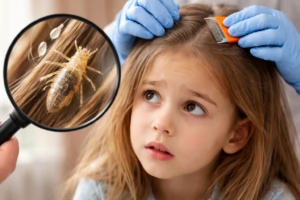
A relaxing day at the beach can quickly become frustrating when an itchy, uncomfortable rash develops shortly after swimming. Many people assume they have been bitten by insects or exposed to an irritating plant, only to discover that they are experiencing a condition commonly known as sea lice rash. Despite the name, sea lice are not actually lice. Instead, they are microscopic marine organisms that can become trapped against the skin while swimming in certain coastal waters.
Sea lice rash, medically known as sea bather’s eruption, occurs when the larval forms of certain jellyfish or sea anemones release tiny stinging cells into the skin. The resulting reaction can cause intense itching, redness, irritation, and discomfort that may last for several days. While the condition is usually not dangerous, it can significantly affect your comfort and enjoyment of outdoor activities.
Fortunately, most cases can be treated effectively with prompt first aid, proper skin care, and simple home remedies. Understanding what sea lice are, how the rash develops, and what treatment options are available can help you recover more quickly and reduce the risk of future episodes.
What Are Sea Lice?
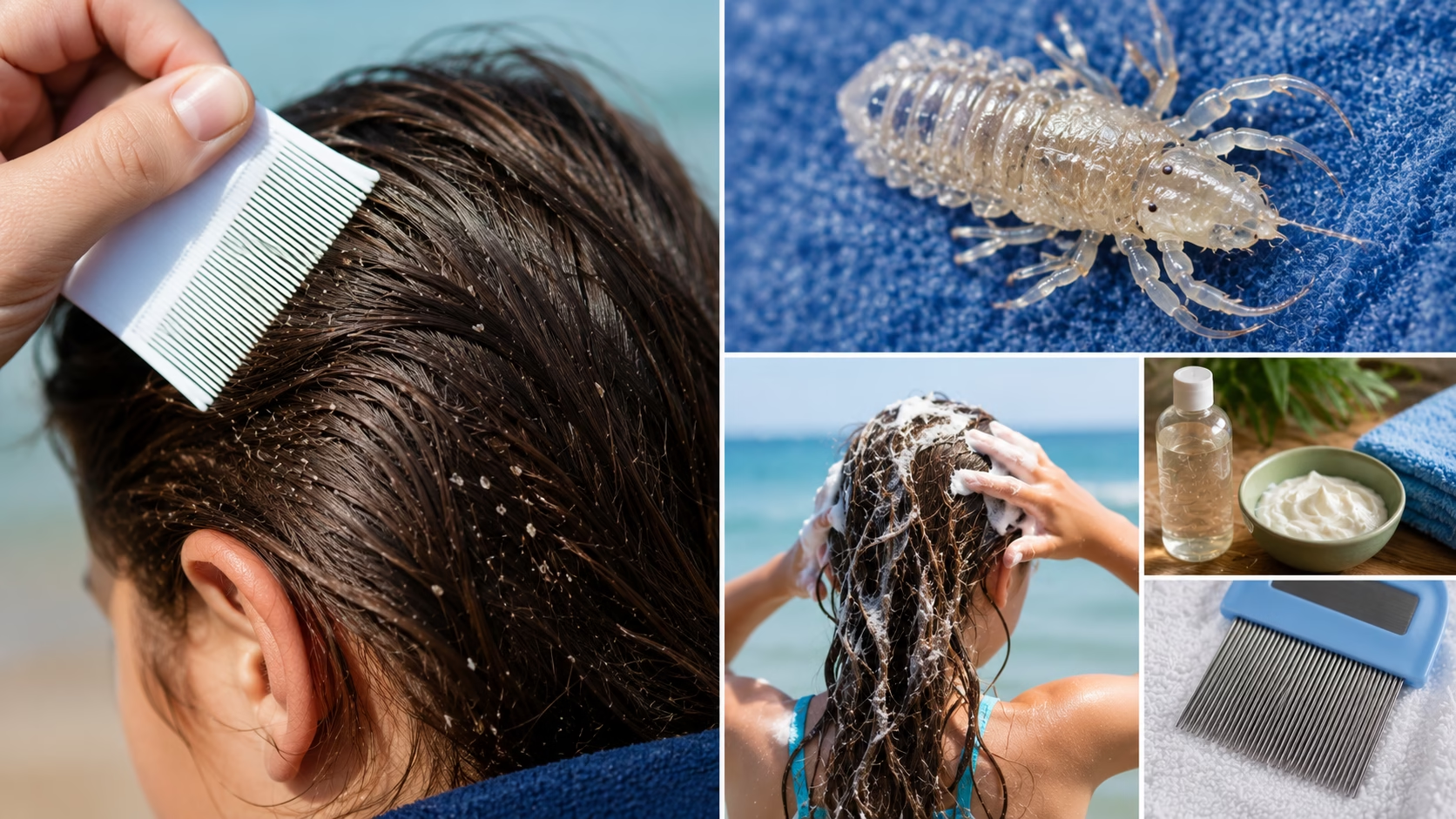
Sea lice are microscopic larvae produced by certain marine creatures, particularly thimble jellyfish and sea anemones. These tiny organisms are almost invisible to the naked eye and often drift through warm ocean waters during certain times of the year. Because they are so small, swimmers may enter affected waters without realizing that the organisms are present.
When sea lice become trapped between the skin and swimwear, they can release microscopic stinging cells called nematocysts. These cells inject a small amount of venom into the skin, triggering an inflammatory reaction. The pressure of a swimsuit, movement against the skin, or even rinsing off after swimming can activate additional stinging cells and worsen symptoms.
Sea lice are most commonly found in tropical and subtropical regions, particularly in areas such as Florida, the Caribbean, the Gulf of Mexico, and portions of the Mediterranean Sea. Outbreaks are generally more common during warmer months when jellyfish populations are higher.
How Sea Lice Cause a Rash
The rash associated with sea lice develops because the body reacts to the venom released by the stinging cells. Unlike a typical jellyfish sting that is felt immediately, sea lice symptoms often develop gradually. Many individuals leave the water feeling normal and only begin noticing itching and irritation several hours later.
The larvae often become trapped under bathing suits, wetsuits, or other tight-fitting clothing. As the skin warms up and friction increases, additional stinging cells may discharge. This explains why symptoms often worsen after leaving the water, taking a shower, exercising, or spending time in the sun.
The body’s immune response to the venom produces inflammation, redness, itching, and swelling. The severity of symptoms varies from person to person depending on the extent of exposure and individual sensitivity.
Common Symptoms of Sea Lice Rash
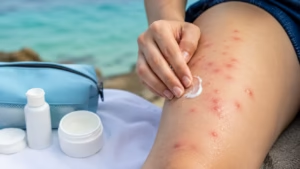
The most noticeable symptom of sea lice exposure is an intensely itchy rash that develops beneath areas covered by swimwear. The rash may begin as small red bumps but can become increasingly irritated over time.
Many people experience clusters of red, raised bumps that resemble insect bites. The affected skin may feel hot, tender, or irritated. Some individuals report a burning or prickling sensation in addition to itching. In more severe cases, small blisters or pustules may develop.
The rash most commonly appears around the waistline, chest, groin, buttocks, shoulders, and other areas where swimwear fits tightly against the body. Areas of skin that were not covered by clothing are often unaffected.
Some individuals may also experience mild systemic symptoms. These can include fatigue, headaches, low-grade fever, nausea, or a general feeling of illness. Children and individuals with more extensive exposure may be more likely to develop these additional symptoms.
Immediate First Aid After Exposure
Taking quick action after suspected sea lice exposure can help reduce discomfort and limit the severity of the reaction.
The first step is to leave the water as soon as possible if you notice unusual itching, tingling, or skin irritation. Remaining in affected waters may increase exposure and allow more larvae to become trapped against the skin.
After exiting the water, carefully remove your swimsuit or wetsuit. It is important to avoid rubbing the fabric against your skin because friction may trigger additional stinging cells. Instead, remove clothing gently and minimize contact with irritated areas.
Once the swimwear has been removed, rinse your body thoroughly with fresh water. Freshwater rinsing helps wash away any remaining organisms on the skin surface. However, avoid scrubbing the skin aggressively, as this may worsen irritation.
After rinsing, gently pat the skin dry with a clean towel rather than rubbing. Excessive rubbing can increase inflammation and discomfort.
Using Cold Compresses for Relief
One of the simplest and most effective ways to reduce symptoms is the application of a cold compress. Cooling the skin helps reduce inflammation, numb irritated nerve endings, and decrease the sensation of itching.
To create a cold compress, wrap an ice pack or a bag of frozen vegetables in a soft towel. Never place ice directly against the skin, as this can cause additional damage.
Apply the cold compress to affected areas for approximately ten to fifteen minutes at a time. This process may be repeated several times throughout the day as needed. Many people notice significant relief shortly after application.
Home Remedies That Can Help
Several home remedies may help soothe irritated skin and promote recovery.
An oatmeal bath is one of the most popular treatments for itchy skin conditions. Colloidal oatmeal contains compounds that help reduce inflammation and moisturize irritated skin. Soaking in a lukewarm oatmeal bath for fifteen to twenty minutes can provide substantial relief from itching and discomfort.
A baking soda paste may also help calm irritated skin. Mixing baking soda with a small amount of water creates a thick paste that can be applied directly to the rash. After allowing it to sit for several minutes, the paste can be rinsed away with cool water.
Aloe vera gel is another excellent option because of its natural anti-inflammatory and cooling properties. Applying pure aloe vera several times daily can soothe irritation, reduce redness, and support healing.
Many people also find relief through the use of calamine lotion. This over-the-counter product creates a cooling sensation and helps dry irritated skin while reducing itching.
Over-the-Counter Treatments
When itching becomes severe, over-the-counter medications can provide additional relief.
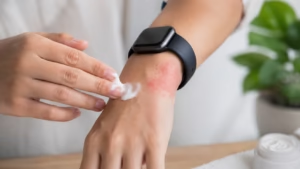
Hydrocortisone cream is often recommended for mild inflammatory skin conditions. A thin layer applied to affected areas can help reduce redness, swelling, and itching. Most people notice improvement within a few days of regular use.
Oral antihistamines may also be beneficial, particularly for individuals who experience intense itching. Medications such as cetirizine, loratadine, or fexofenadine can help reduce the body’s allergic response to the venom. For nighttime relief, sedating antihistamines may help individuals sleep more comfortably despite persistent itching.
It is important to follow package directions carefully and consult a healthcare professional if symptoms are severe or persistent.
How Long Does Sea Lice Rash Last?
The duration of sea lice rash varies depending on the severity of exposure and the individual’s immune response.
In mild cases, symptoms may improve within a few days. Moderate cases often require one to two weeks before complete resolution occurs. In some individuals, residual itching or skin discoloration may persist for several weeks after the initial exposure.
Scratching can significantly prolong healing and increase the risk of infection. Keeping the skin moisturized and following appropriate treatment measures can help accelerate recovery.
Preventing Future Sea Lice Exposure
Although sea lice cannot always be avoided, several preventive measures can significantly reduce risk.
Before visiting the beach, check local advisories for reports of sea lice activity. Many coastal communities monitor conditions and issue warnings during periods of increased risk.
After swimming, rinse your body thoroughly with fresh water as soon as possible. Prompt showering helps remove organisms before they become trapped under clothing.
Changing out of wet swimwear immediately after leaving the water is another important preventive step. Remaining in a wet swimsuit increases the amount of time larvae remain in contact with the skin.
Wearing protective swim shirts, rash guards, or full-body swimwear may reduce skin exposure in areas where sea lice are common. These garments create a protective barrier between the skin and the water.
Swimwear should also be washed thoroughly after use to remove any organisms that may remain trapped within the fabric.
When to Seek Medical Attention
Most sea lice rashes resolve without professional treatment. However, certain symptoms should prompt medical evaluation.
You should seek medical attention if the rash becomes increasingly painful, develops significant swelling, or shows signs of infection such as pus, warmth, or spreading redness. Medical care is also necessary if you develop fever, difficulty breathing, severe allergic reactions, or symptoms that persist despite treatment.
Healthcare providers may prescribe stronger anti-inflammatory medications, prescription antihistamines, or additional therapies depending on the severity of the reaction.
Special Considerations for Children
Children are often more susceptible to severe itching because their skin may be more sensitive and they may scratch affected areas more aggressively. Parents should monitor children carefully and encourage them to avoid scratching whenever possible.
Keeping fingernails trimmed, using appropriate anti-itch treatments, and ensuring proper hydration can help minimize discomfort and prevent complications. If a child develops fever, widespread rash, or significant swelling, prompt medical evaluation is recommended.
Conclusion
Sea lice rash can transform a pleasant day at the beach into an uncomfortable experience, but the condition is generally manageable with prompt treatment and proper care. Understanding that sea lice are actually microscopic jellyfish larvae helps explain why the rash occurs and why preventive measures are so important.
Early intervention through gentle rinsing, removal of swimwear, cold compresses, soothing skin treatments, and appropriate medications can significantly reduce discomfort and accelerate healing. Most individuals recover fully within days or weeks without lasting complications.
By staying informed, checking local beach conditions, practicing good post-swim hygiene, and knowing how to respond if symptoms develop, you can continue enjoying coastal adventures while minimizing the risk of future sea lice encounters. With the right approach, an itchy rash does not have to spoil your time by the ocean.
Disclaimer
This article is for educational purposes only and does not replace professional medical advice, diagnosis, or treatment. Seizures, severe headache, confusion, visual changes, or blood pressure readings in the hypertensive crisis range require urgent medical evaluation.