











Health Coaches for Hypertension Control
High blood pressure, also known as hypertension, is one of the most common chronic health conditions worldwide. Often referred to as the "silent killer,"...

Table of Contents
Introduction
High blood pressure, also known as hypertension, is one of the most common chronic health conditions worldwide. Often referred to as the “silent killer,” hypertension frequently develops without noticeable symptoms while quietly damaging the heart, blood vessels, kidneys, brain, and other vital organs. Left uncontrolled, it significantly increases the risk of heart attacks, strokes, heart failure, kidney disease, and premature death.
Although medications play an important role in blood pressure management, lifestyle changes remain a cornerstone of treatment. Unfortunately, many people find it difficult to maintain healthy habits over the long term. Adopting a nutritious diet, exercising regularly, managing stress, getting adequate sleep, and monitoring blood pressure consistently can feel overwhelming without proper support.
This is where health coaches can make a meaningful difference. A health coach provides personalized guidance, accountability, motivation, and practical strategies designed to help individuals make sustainable lifestyle changes. Rather than simply telling people what they should do, health coaches work collaboratively with clients to identify barriers, set realistic goals, and build healthy habits that support long-term blood pressure control.
In this guide, we will explore the role of health coaches in hypertension management, examine the benefits of personalized coaching, and discuss how to choose the right health coach for your needs.
Understanding Hypertension
Before examining the role of health coaching, it is important to understand why hypertension deserves serious attention.
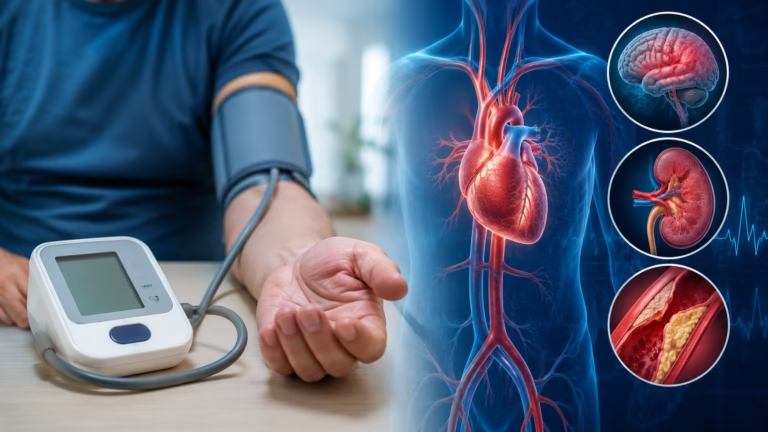
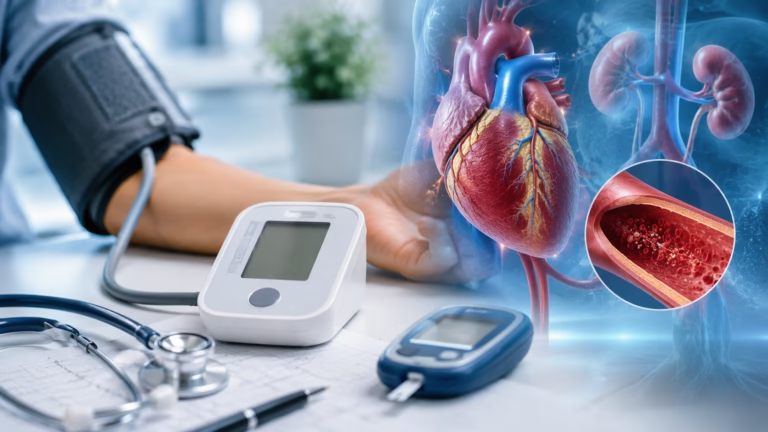
Hypertension occurs when the force of blood pushing against the walls of the arteries remains consistently elevated over time. As pressure increases, blood vessels become damaged and less flexible, forcing the heart to work harder to circulate blood throughout the body.
One of the most concerning aspects of hypertension is that many individuals experience no symptoms for years. A person may feel perfectly healthy while significant damage is occurring internally. This silent progression often leads to delayed diagnosis and treatment.
Several factors contribute to the development of hypertension. Some risk factors, such as age, family history, and genetics, cannot be changed. However, many others are modifiable. Excessive sodium consumption, obesity, physical inactivity, chronic stress, smoking, excessive alcohol use, and poor sleep quality all contribute to elevated blood pressure.
Because lifestyle plays such a critical role in both the development and management of hypertension, ongoing support and behavioral guidance can significantly improve outcomes.
What Is a Health Coach?
A health coach is a trained professional who helps individuals identify health goals, develop action plans, and maintain accountability as they work toward healthier lifestyles.
Unlike physicians who diagnose and treat medical conditions or dietitians who provide specialized nutritional therapy, health coaches primarily focus on behavior change. Their role is to help clients bridge the gap between knowing what they should do and consistently putting those actions into practice.
Health coaches use evidence-based techniques to help clients overcome obstacles, stay motivated, and create sustainable routines. Rather than providing one-size-fits-all recommendations, they tailor strategies to fit each individual’s lifestyle, preferences, schedule, and health status.
Most health coaches work collaboratively with healthcare providers, supporting medical treatment plans rather than replacing them. Their goal is to empower clients to take an active role in managing their health.
Why Health Coaching Works for Hypertension Control
Managing hypertension requires daily decisions regarding food choices, physical activity, medication adherence, sleep habits, and stress management. These ongoing responsibilities can be difficult to maintain without support.
Health coaching addresses this challenge by providing structure, encouragement, and personalized problem-solving. Regular coaching sessions create opportunities to assess progress, identify setbacks, celebrate successes, and adjust strategies when necessary.
Research has consistently shown that individuals who receive coaching support are more likely to achieve meaningful improvements in blood pressure, weight management, physical activity levels, and overall cardiovascular health.
The accountability provided by a health coach often helps individuals remain committed to lifestyle changes long after the initial motivation has faded.
Personalized Nutrition Guidance
One of the most important aspects of hypertension management is dietary modification. Many people know they should “eat healthier,” but translating general advice into practical daily habits can be challenging.
Health coaches help clients create realistic nutrition plans based on their preferences, cultural background, budget, and schedule. Rather than promoting restrictive diets, they focus on sustainable improvements that can be maintained over time.
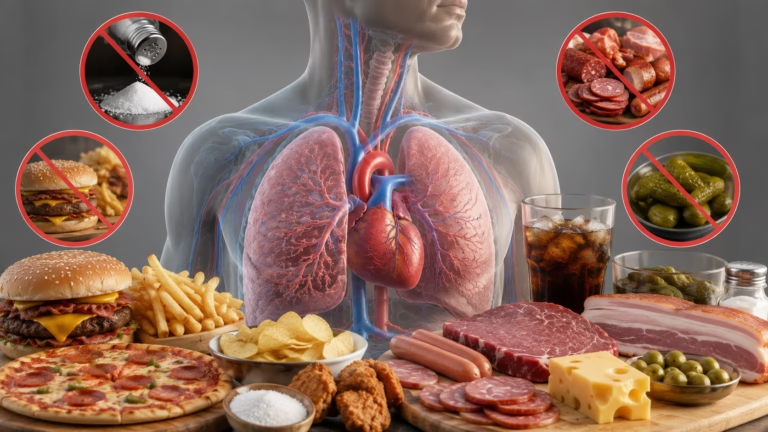
Many coaches encourage adoption of the Dietary Approaches to Stop Hypertension (DASH) eating plan. The DASH diet emphasizes fruits, vegetables, whole grains, lean proteins, legumes, nuts, and low-fat dairy products while limiting sodium, saturated fats, and added sugars.
Health coaches can also help clients learn how to read nutrition labels, prepare healthier meals at home, make smarter restaurant choices, and identify hidden sources of sodium in processed foods.
These practical skills often lead to gradual but meaningful reductions in blood pressure over time.
Developing Customized Exercise Plans
Regular physical activity is one of the most effective non-pharmacological strategies for lowering blood pressure. However, many individuals struggle to maintain consistent exercise routines due to time constraints, lack of motivation, physical limitations, or uncertainty about where to begin.
Health coaches help clients develop personalized exercise plans that align with their fitness levels and preferences. For some individuals, this may involve structured workouts, while for others it may begin with simple daily walks.
Rather than focusing solely on intense exercise programs, coaches emphasize gradual progression and consistency. Small increases in daily movement often lead to sustainable long-term habits.
A health coach may help clients establish achievable goals, track activity levels, overcome barriers, and celebrate progress along the way.
This personalized approach increases the likelihood of long-term adherence and improved cardiovascular health.
Stress Management and Emotional Well-Being
Chronic stress plays a significant role in hypertension. Stress activates the body’s fight-or-flight response, causing temporary increases in blood pressure. When stress becomes persistent, these repeated elevations can contribute to long-term cardiovascular damage.
Health coaches frequently incorporate stress-management techniques into hypertension care plans. They may introduce mindfulness practices, meditation exercises, breathing techniques, journaling, or relaxation strategies designed to calm the nervous system.
Many individuals also benefit from learning time-management skills and setting healthier boundaries in both personal and professional environments.
Reducing stress not only supports blood pressure control but also improves sleep quality, emotional well-being, and overall quality of life.
Improving Sleep and Lifestyle Habits
Sleep is often overlooked in hypertension management, yet poor sleep quality is strongly associated with elevated blood pressure.
Health coaches help clients identify factors that interfere with healthy sleep patterns. Recommendations may include establishing consistent sleep schedules, reducing screen exposure before bedtime, improving the sleep environment, and addressing lifestyle habits that contribute to insomnia.
In addition to sleep improvement, health coaches often focus on other lifestyle factors such as smoking cessation, alcohol moderation, hydration, and weight management.
These interconnected habits work together to support overall cardiovascular health and blood pressure regulation.
A Real-Life Example of Health Coaching Success
Consider the experience of Maria, a 52-year-old professional who had been struggling with hypertension for several years. Despite taking prescribed medication, her blood pressure remained elevated because she found it difficult to maintain healthy habits consistently.
After partnering with a certified health coach, Maria began implementing gradual lifestyle changes. She adopted a DASH-style meal plan, prepared meals in advance each week, and incorporated a daily morning walk into her routine.
Her coach also taught her breathing exercises to manage workplace stress and helped her establish a regular sleep schedule.
Within three months, Maria’s average blood pressure improved from approximately 150/95 mmHg to 130/80 mmHg. Beyond the numbers, she reported increased energy, better sleep, reduced stress, and greater confidence in managing her health.
This example illustrates how personalized guidance and accountability can transform good intentions into lasting results.
Choosing the Right Health Coach
Not all health coaches have the same training or expertise. Selecting the right coach is an important step in achieving success.
Individuals seeking support for hypertension management should look for coaches who hold recognized certifications, such as those accredited by the National Board for Health and Wellness Coaching (NBHWC) or similar professional organizations.
Experience with cardiovascular health, hypertension, weight management, or chronic disease coaching can be particularly valuable.
It is also important to consider coaching style and communication preferences. Some clients prefer frequent accountability check-ins, while others benefit from a more flexible approach. Virtual coaching options have also made support more accessible than ever.
A successful coaching relationship depends on trust, open communication, and a shared commitment to achieving health goals.
Maximizing the Benefits of Health Coaching
To get the most value from health coaching, clients should approach the process with honesty and openness.
Sharing challenges, setbacks, and concerns allows coaches to provide more personalized support. Setting realistic goals and tracking progress consistently also contributes to better outcomes.
It is important to remember that meaningful change rarely happens overnight. Sustainable blood pressure improvement is often the result of small, repeated actions performed consistently over time.
Clients who remain patient, engaged, and willing to try new strategies tend to experience the greatest long-term success.
Conclusion
Managing hypertension involves far more than simply taking medication. It requires ongoing lifestyle changes, consistent motivation, and the ability to navigate everyday challenges that affect blood pressure.
Health coaches provide valuable support by helping individuals develop practical habits, maintain accountability, manage stress, improve nutrition, increase physical activity, and stay focused on long-term goals. Through personalized guidance and behavior-change strategies, they empower people to take control of their health and achieve lasting improvements in blood pressure management.
For individuals struggling to maintain healthy habits or looking for additional support beyond traditional medical care, partnering with a qualified health coach may be one of the most effective investments in long-term cardiovascular health. With the right guidance, commitment, and support system, achieving better blood pressure control becomes not only possible but sustainable for years to come.
Disclaimer
This article is for educational purposes only and does not replace professional medical advice, diagnosis, or treatment. Seizures, severe headache, confusion, visual changes, or blood pressure readings in the hypertensive crisis range require urgent medical evaluation.
Was this page helpful?
Thanks for your feedback! What could we improve?
Thank you! Your feedback helps us improve our articles.
True Impact Health articles are written by our editorial team and based on reliable sources such as public health agencies, clinical guidelines and peer-reviewed research. This article has not yet been medically reviewed. Read our editorial process.
This content is for general information and is not a substitute for professional medical advice, diagnosis or treatment.