















Nursing Diagnosis for Gestational Hypertension
Gestational hypertension is one of the most common hypertensive disorders of pregnancy and remains a significant cause of maternal and fetal complications...
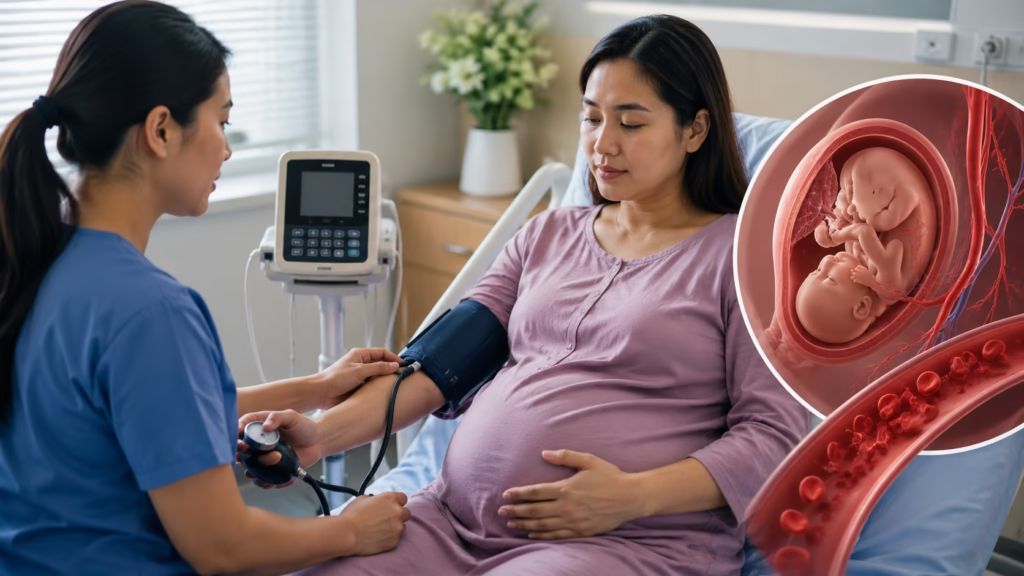
Table of Contents
Introduction
Gestational hypertension is one of the most common hypertensive disorders of pregnancy and remains a significant cause of maternal and fetal complications worldwide. The condition develops when a previously normotensive pregnant woman experiences elevated blood pressure after 20 weeks of gestation without evidence of proteinuria or other signs of preeclampsia. Although gestational hypertension may appear relatively mild at first, it requires close monitoring because it can progress to more serious conditions such as preeclampsia, eclampsia, placental abruption, fetal growth restriction, and preterm birth.
Nurses play a vital role in the identification, assessment, monitoring, and management of gestational hypertension. Through careful evaluation and the use of evidence-based nursing diagnoses, nurses can develop individualized care plans that help protect both maternal and fetal well-being. Accurate nursing diagnoses allow healthcare professionals to prioritize interventions, educate patients effectively, and collaborate with the interdisciplinary team to achieve positive outcomes.
This guide explores the most relevant nursing diagnoses associated with gestational hypertension, assessment techniques, nursing interventions, patient education strategies, and collaborative care approaches that support safe pregnancy outcomes.
Understanding Gestational Hypertension
Gestational hypertension is diagnosed when a pregnant woman develops a systolic blood pressure of 140 mmHg or higher, or a diastolic blood pressure of 90 mmHg or higher, on at least two separate occasions after 20 weeks of pregnancy. Unlike preeclampsia, gestational hypertension occurs without significant proteinuria or evidence of major organ dysfunction.
The exact cause of gestational hypertension remains incompletely understood. However, researchers believe that abnormalities in placental development, endothelial dysfunction, inflammation, and altered immune responses contribute to the condition. These changes can result in widespread vasoconstriction and increased vascular resistance, leading to elevated blood pressure.
Although some women experience only mild elevations in blood pressure, others may develop severe hypertension that compromises blood flow to maternal organs and the placenta. Reduced placental perfusion can negatively affect fetal oxygenation and nutrient delivery, increasing the risk of adverse pregnancy outcomes.
Risk Factors for Gestational Hypertension
Several maternal characteristics and medical conditions increase the likelihood of developing gestational hypertension.
Women experiencing their first pregnancy are at higher risk than those who have had previous pregnancies. Maternal age also plays an important role, with women younger than 20 years and older than 35 years facing greater risk.
Obesity is another major contributor. Excess body weight increases systemic inflammation and cardiovascular strain, making blood pressure regulation more difficult during pregnancy.
Women with pre-existing conditions such as diabetes mellitus, chronic kidney disease, autoimmune disorders, or a history of hypertension are more likely to develop gestational hypertension. Additionally, pregnancies involving twins, triplets, or other multiple gestations place greater demands on the cardiovascular system and increase the likelihood of hypertensive complications.
Understanding these risk factors allows nurses to identify vulnerable patients early and implement appropriate monitoring strategies.
Importance of Nursing Diagnosis in Gestational Hypertension
The nursing diagnosis phase is a critical component of the nursing process. It transforms assessment findings into actionable clinical judgments that guide patient care.
Through nursing diagnoses, nurses can identify actual and potential health problems, establish priorities, develop individualized interventions, and evaluate treatment effectiveness. These diagnoses also facilitate communication among members of the healthcare team, ensuring coordinated and comprehensive care.
In patients with gestational hypertension, nursing diagnoses focus on maintaining maternal cardiovascular stability, preserving uteroplacental circulation, preventing complications, and promoting patient education and emotional well-being.
Common Nursing Diagnoses for Gestational Hypertension
Risk for Decreased Cardiac Output
One of the most important nursing diagnoses in gestational hypertension is the risk for decreased cardiac output.
Elevated blood pressure increases systemic vascular resistance, forcing the heart to work harder to circulate blood throughout the body. Persistent vasospasm and increased afterload may reduce cardiac efficiency and compromise tissue perfusion.
Patients may report symptoms such as headaches, dizziness, fatigue, or visual disturbances. These symptoms may indicate that cardiovascular compensation is becoming less effective.
The nursing goal is to maintain adequate cardiac output and prevent progression to more severe hypertensive disorders.
Ineffective Tissue Perfusion: Uteroplacental
Gestational hypertension can significantly affect blood flow to the placenta.
Vasoconstriction within placental blood vessels may reduce oxygen and nutrient delivery to the fetus. As a result, fetal growth restriction, fetal distress, and preterm delivery may occur.
Patients may report decreased fetal movement, while fetal monitoring may reveal abnormal heart rate patterns. Ultrasound assessments may demonstrate restricted fetal growth or reduced amniotic fluid volume.
The primary nursing objective is to promote optimal uteroplacental circulation and ensure adequate fetal oxygenation.
Risk for Imbalanced Fluid Volume
Pregnant women with gestational hypertension may experience alterations in fluid distribution due to increased capillary permeability and vascular changes.
Fluid can shift from blood vessels into surrounding tissues, leading to edema and weight gain. Although swelling is common during pregnancy, sudden or excessive edema may indicate worsening disease progression.
Nurses should carefully monitor fluid balance, assess daily weight changes, evaluate edema severity, and observe for signs of fluid overload or dehydration.
Maintaining appropriate fluid balance helps prevent maternal complications and supports healthy organ function.
Anxiety
A diagnosis of gestational hypertension often creates significant emotional distress for expectant mothers.
Many women worry about their baby’s health, the possibility of premature delivery, hospitalization, or the development of preeclampsia. These concerns can contribute to anxiety, sleep disturbances, irritability, and emotional exhaustion.
Anxiety may also elevate blood pressure further by stimulating the sympathetic nervous system.
Nurses play a crucial role in providing reassurance, education, emotional support, and opportunities for patients to express concerns and ask questions.
Deficient Knowledge
Many patients diagnosed with gestational hypertension have limited understanding of the condition, its risks, and the importance of monitoring.
Knowledge deficits may involve medication management, dietary recommendations, blood pressure monitoring, warning signs of complications, or fetal surveillance techniques.
Patient education is essential because informed patients are more likely to recognize symptoms early, adhere to treatment plans, and participate actively in their own care.
The goal is to ensure patients understand their condition and can safely manage it outside the healthcare setting.
Comprehensive Nursing Assessment
Accurate nursing diagnoses begin with thorough assessment.
Blood pressure monitoring is one of the most important components of care. Measurements should be obtained regularly using appropriate technique and documented carefully to identify trends.
Physical assessment should include evaluation for edema, particularly in the face, hands, and lower extremities. Nurses should also assess deep tendon reflexes, as hyperreflexia may indicate worsening disease and increased risk of seizures.
Urinalysis is important for detecting proteinuria, which may signal progression to preeclampsia. Laboratory studies should include platelet counts, liver function tests, serum creatinine levels, and other indicators of organ function.
Fetal assessment is equally important. Monitoring fetal movement, performing non-stress tests, and evaluating biophysical profiles help determine fetal well-being and identify early signs of compromise.
Subjective symptoms such as headaches, visual disturbances, epigastric pain, nausea, dizziness, and decreased fetal movement should be documented promptly and communicated to the healthcare provider.
Nursing Interventions and Rationales
Frequent Blood Pressure Monitoring
Regular blood pressure assessment allows early identification of worsening hypertension and provides valuable information about treatment effectiveness.
Consistent monitoring helps clinicians determine whether medication adjustments or additional interventions are needed.
Administer Prescribed Antihypertensive Medications
Medications such as labetalol, methyldopa, and nifedipine are commonly used to manage gestational hypertension.
Nurses should administer medications as prescribed, monitor for side effects, and evaluate therapeutic response. Proper blood pressure control reduces maternal complications while maintaining adequate uteroplacental circulation.
Implement Seizure Precautions
Although gestational hypertension itself does not involve seizures, progression to preeclampsia or eclampsia remains a possibility.
Seizure precautions may include maintaining padded side rails, minimizing environmental stimulation, ensuring emergency equipment is readily available, and monitoring neurological status closely.
These measures help reduce injury risk if seizures occur.
Monitor Fluid Balance
Accurate intake and output records provide valuable information regarding fluid status.
Daily weight measurements, assessment of edema, and evaluation of urine output help detect fluid retention or worsening vascular changes.
Careful monitoring supports early intervention and reduces the risk of complications.
Encourage Left Lateral Positioning
Positioning the patient on her left side improves venous return and reduces pressure on major blood vessels.
This position enhances placental blood flow, improves fetal oxygen delivery, and may contribute to modest reductions in blood pressure.
Many healthcare providers recommend left lateral rest periods throughout the day for women with gestational hypertension.
Provide Emotional Support
Emotional support is a critical component of holistic nursing care.
Nurses should actively listen to patient concerns, answer questions honestly, and provide clear explanations regarding treatment plans and expected outcomes.
Supportive communication helps reduce anxiety and promotes patient confidence in managing the condition.
Patient Education and Self-Management
Patient education empowers women to participate actively in their care and recognize complications early.
Women should be taught how to monitor their blood pressure at home and maintain accurate records of their readings. Understanding target blood pressure ranges helps patients identify abnormal results and seek timely assistance.
Education should emphasize warning signs that require immediate medical attention, including severe headaches, visual changes, upper abdominal pain, sudden swelling, shortness of breath, and decreased fetal movement.
Nutritional counseling should focus on maintaining a balanced diet rich in fruits, vegetables, whole grains, and lean proteins. Patients should follow provider-specific recommendations regarding sodium intake and hydration.
Stress management techniques such as deep breathing exercises, meditation, prenatal yoga, and adequate rest may also support overall maternal well-being.
Most importantly, patients should understand the importance of attending all prenatal appointments and recommended fetal surveillance visits.
Collaborative and Multidisciplinary Care
Successful management of gestational hypertension requires collaboration among multiple healthcare professionals.
Obstetricians oversee medical management, monitor disease progression, and determine the safest timing of delivery. Dietitians provide nutritional guidance tailored to individual patient needs.
Pharmacists assist with medication education and safety monitoring, while social workers help address transportation issues, financial barriers, and support systems.
Nurses serve as the central coordinators of care, ensuring communication among team members and advocating for both maternal and fetal health.
Conclusion
Gestational hypertension presents significant challenges during pregnancy, but early identification and effective nursing management can greatly improve outcomes for both mother and baby. Through accurate nursing diagnoses, comprehensive assessment, evidence-based interventions, and patient-centered education, nurses play a crucial role in preventing complications and promoting healthy pregnancies.
Key nursing diagnoses such as Risk for Decreased Cardiac Output, Ineffective Tissue Perfusion, Risk for Imbalanced Fluid Volume, Anxiety, and Deficient Knowledge provide a framework for individualized care planning. By implementing targeted interventions and collaborating closely with the healthcare team, nurses help ensure maternal stability, optimal fetal development, and timely recognition of worsening disease.
Ultimately, empowering patients through education and supportive care transforms a potentially high-risk pregnancy into a safer and more manageable journey, fostering confidence, resilience, and positive maternal-fetal outcomes.
Disclaimer
This article is for educational purposes only and does not replace professional medical advice, diagnosis, or treatment. Seizures, severe headache, confusion, visual changes, or blood pressure readings in the hypertensive crisis range require urgent medical evaluation.
Was this page helpful?
Thanks for your feedback! What could we improve?
Thank you! Your feedback helps us improve our articles.
True Impact Health articles are written by our editorial team and based on reliable sources such as public health agencies, clinical guidelines and peer-reviewed research. This article has not yet been medically reviewed. Read our editorial process.
This content is for general information and is not a substitute for professional medical advice, diagnosis or treatment.