









Kidney and Hypertension Associates
The relationship between kidney health and blood pressure is one of the most important connections in modern medicine. Millions of people around the world...
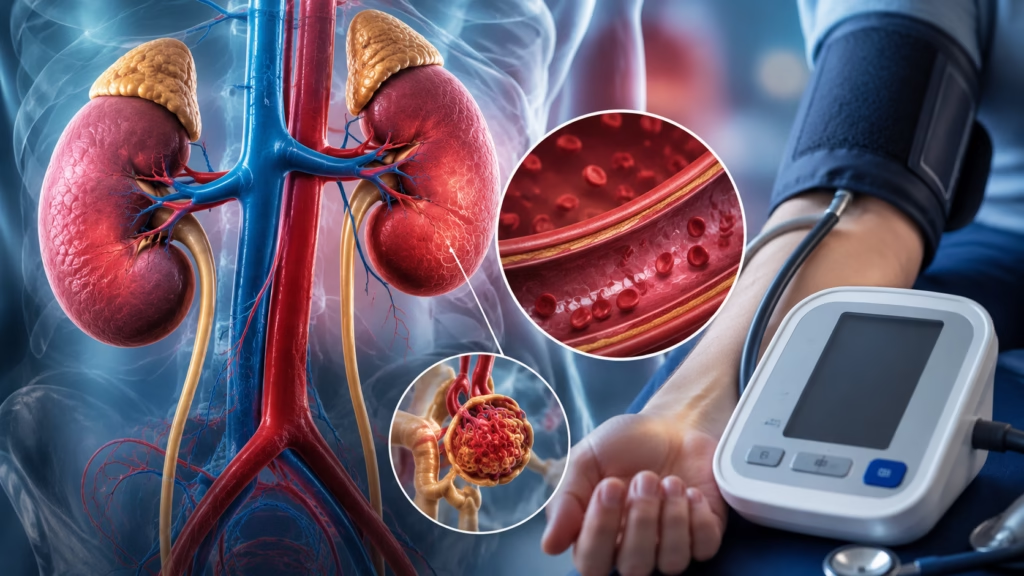
Table of Contents
Introduction
The relationship between kidney health and blood pressure is one of the most important connections in modern medicine. Millions of people around the world live with hypertension, also known as high blood pressure, while many others struggle with chronic kidney disease. What many people do not realize is that these two conditions are closely connected and often influence one another. High blood pressure can damage the kidneys over time, while damaged kidneys can contribute to worsening blood pressure control. This creates a dangerous cycle that can lead to serious health complications if left untreated.
Understanding how the kidneys regulate blood pressure and how hypertension affects kidney function is essential for maintaining long-term health. Early detection, lifestyle modifications, regular monitoring, and appropriate medical treatment can significantly reduce the risk of complications. Whether you have been diagnosed with hypertension, chronic kidney disease, or simply want to protect your overall health, learning about this vital relationship can help you make informed decisions and take proactive steps toward better wellness.
How the Kidneys Regulate Blood Pressure
The kidneys are remarkable organs that perform much more than waste filtration. While their primary function is to remove excess fluids and waste products from the bloodstream, they also play a crucial role in regulating blood pressure and maintaining cardiovascular health.
One of the most important systems involved in blood pressure regulation is the Renin-Angiotensin-Aldosterone System, commonly known as RAAS. When the kidneys detect a decrease in blood flow or blood pressure, they release an enzyme called renin. This enzyme triggers a chain of reactions that ultimately produce angiotensin II, a powerful substance that narrows blood vessels and increases blood pressure. Angiotensin II also stimulates the release of aldosterone, a hormone that encourages the body to retain sodium and water, further increasing blood volume and blood pressure.
The kidneys also regulate blood pressure by controlling fluid and sodium balance. When the body contains excess fluid, blood volume increases, causing blood pressure to rise. Healthy kidneys carefully adjust the amount of sodium and water excreted through urine to maintain a stable blood volume and healthy blood pressure levels.
In addition, the kidneys produce hormones and substances that affect blood vessel function. These compounds help blood vessels either relax or constrict as needed, contributing to the body’s ability to maintain proper circulation and pressure regulation.
Because of these critical functions, even small changes in kidney health can significantly impact blood pressure control.
How Hypertension Damages the Kidneys
While the kidneys help regulate blood pressure, they are also highly vulnerable to damage from uncontrolled hypertension.
The kidneys contain millions of tiny filtering units called nephrons. Within each nephron is a cluster of delicate blood vessels known as glomeruli. These structures are responsible for filtering waste products and excess fluids from the bloodstream. When blood pressure remains elevated over long periods, excessive force is exerted on these fragile blood vessels.
Over time, this constant pressure damages and scars the glomeruli. As scarring increases, the kidneys become less efficient at filtering waste products and maintaining fluid balance. This gradual loss of kidney function is known as chronic kidney disease.
As kidney damage progresses, the body’s ability to regulate blood pressure becomes impaired. The kidneys may retain excess sodium and water, causing further increases in blood pressure. At the same time, activation of the RAAS system may become excessive, creating even more strain on the cardiovascular system.
This creates a vicious cycle in which high blood pressure damages the kidneys, and damaged kidneys contribute to worsening hypertension. Without appropriate treatment, this cycle can eventually lead to kidney failure, cardiovascular disease, and other serious complications.
Key Risk Factors for Kidney Disease and Hypertension
Although anyone can develop hypertension or kidney disease, certain factors significantly increase the risk.
Diabetes is one of the leading causes of chronic kidney disease worldwide. Elevated blood sugar levels damage blood vessels throughout the body, including those within the kidneys. Individuals with diabetes and hypertension face an especially high risk of kidney complications.
Family history also plays an important role. People with close relatives who have hypertension, kidney disease, or cardiovascular disease may have a greater genetic predisposition to developing these conditions themselves.
Obesity and metabolic syndrome are additional risk factors. Excess body weight increases the workload on the heart and kidneys, contributes to inflammation, and often leads to insulin resistance and elevated blood pressure.
Certain ethnic populations, including African Americans, Hispanics, and Native Americans, have higher rates of hypertension and chronic kidney disease. The reasons are complex and may involve genetic, socioeconomic, environmental, and healthcare access factors.
Age is another important consideration. Kidney function naturally declines with age, and the risk of hypertension increases significantly after age 60.
Lifestyle habits such as smoking, excessive alcohol consumption, physical inactivity, and diets high in sodium can further increase the likelihood of developing both hypertension and kidney disease.
Recognizing the Signs and Symptoms
One of the greatest challenges associated with kidney disease and hypertension is that both conditions can progress silently for years without causing noticeable symptoms.
High blood pressure is often called the “silent killer” because many individuals feel completely normal despite dangerously elevated readings. Similarly, early-stage chronic kidney disease may produce few or no symptoms.
As kidney damage progresses, some warning signs may begin to appear. Swelling in the legs, ankles, feet, or around the eyes is common because damaged kidneys struggle to remove excess fluid from the body.
Changes in urination may also occur. Some people notice increased urination, while others experience decreased urine output. Foamy urine may indicate the presence of excess protein, and blood in the urine should always be evaluated promptly.
Fatigue is another common symptom. As kidney function declines, waste products accumulate in the bloodstream, leading to feelings of tiredness, weakness, and reduced concentration.
Some individuals may also experience nausea, loss of appetite, muscle cramps, or unexplained weight changes. Persistent high blood pressure despite multiple medications may be another clue that kidney disease is contributing to the problem.
Diagnostic Tests and Monitoring
Early diagnosis is critical for preventing long-term complications. Healthcare providers use several tests to assess kidney function and monitor blood pressure control.
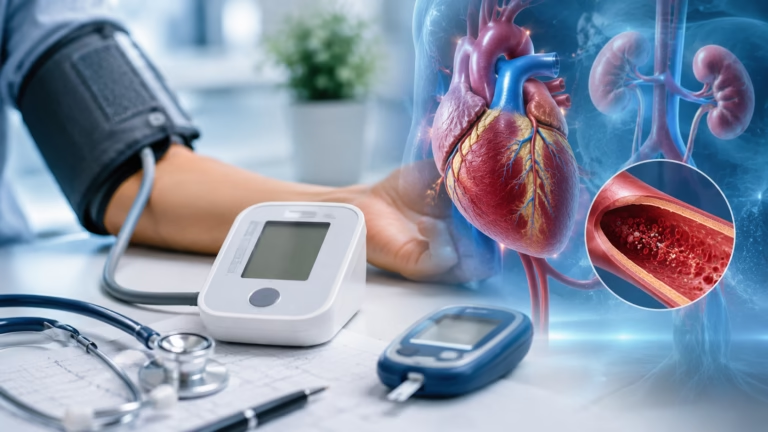
Regular blood pressure measurements remain one of the most important screening tools. Both office-based readings and home monitoring provide valuable information about long-term blood pressure trends.
Blood tests are commonly used to evaluate kidney function. Serum creatinine levels help determine how effectively the kidneys are filtering waste products. These results are used to calculate the estimated glomerular filtration rate (eGFR), which provides an overall assessment of kidney function.
Urine testing is equally important. Protein or albumin in the urine often represents one of the earliest signs of kidney damage. Detecting these abnormalities early allows for prompt intervention before significant kidney function is lost.
Imaging studies such as kidney ultrasound, CT scans, or MRI may be recommended when structural abnormalities or blockages are suspected.
Routine monitoring enables healthcare providers to track disease progression and adjust treatment plans as needed.
Management and Treatment Strategies
Successfully managing hypertension and kidney disease requires a comprehensive approach that combines lifestyle modifications, medications, and ongoing monitoring.
Lifestyle Changes
Lifestyle improvements form the foundation of treatment.
Reducing sodium intake is particularly important because excess sodium contributes to fluid retention and elevated blood pressure. Most experts recommend limiting sodium consumption to less than 2,300 milligrams per day, with lower targets often advised for individuals with kidney disease.
The DASH diet, which stands for Dietary Approaches to Stop Hypertension, has been shown to lower blood pressure and support kidney health. This eating pattern emphasizes fruits, vegetables, whole grains, lean proteins, legumes, nuts, and low-fat dairy products while limiting processed foods and added salt.
Regular physical activity can also significantly improve blood pressure control. Adults should aim for at least 150 minutes of moderate-intensity exercise per week, such as brisk walking, cycling, swimming, or similar activities.
Weight management is equally important. Even modest weight loss can lead to meaningful improvements in blood pressure and kidney function.
Smoking cessation and limiting alcohol intake further reduce cardiovascular and kidney-related risks.
Medications
Medication therapy is often necessary to achieve optimal blood pressure control and protect kidney function.
ACE inhibitors and angiotensin receptor blockers (ARBs) are commonly prescribed because they not only lower blood pressure but also provide direct kidney-protective benefits. These medications are particularly useful for individuals with diabetes or proteinuria.
Diuretics help remove excess fluid and reduce blood pressure. Calcium channel blockers and beta-blockers may also be used depending on individual circumstances and underlying medical conditions.
Medication plans should always be tailored to the patient’s specific needs and monitored regularly by healthcare professionals.
Ongoing Monitoring
Regular follow-up appointments are essential for evaluating treatment effectiveness and identifying complications early.
Patients are often encouraged to maintain home blood pressure logs and bring these records to appointments. Periodic laboratory testing helps monitor kidney function, electrolyte levels, and treatment response.
Individuals with advanced chronic kidney disease may benefit from ongoing care provided by a nephrologist, a physician specializing in kidney disorders.
Preventive Measures for Long-Term Health
Preventing kidney disease and hypertension is often easier than treating advanced complications.
Maintaining adequate hydration supports normal kidney function, although fluid intake recommendations may vary depending on individual health conditions.
Avoiding unnecessary use of nonsteroidal anti-inflammatory drugs (NSAIDs), such as ibuprofen and naproxen, can help protect kidney health. Frequent or excessive use of these medications may contribute to kidney injury in susceptible individuals.
Annual health screenings are highly recommended for people with risk factors such as diabetes, obesity, family history, or advanced age. Early detection allows for intervention before significant damage occurs.
Individuals with diabetes should focus on maintaining excellent blood sugar control because elevated glucose levels accelerate both vascular and kidney damage.
Finally, becoming educated about kidney function tests, blood pressure readings, and overall cardiovascular health empowers patients to participate actively in their own care.
A Real-World Example
Consider Maria, a 55-year-old woman diagnosed with mild hypertension during a routine medical examination. She also had a family history of chronic kidney disease, placing her at increased risk for future complications.
After discussing her risk factors with her healthcare provider, Maria adopted several lifestyle changes. She began following the DASH diet, reduced her sodium intake to approximately 1,800 milligrams daily, and committed to a brisk 30-minute walk every day. Her physician also prescribed an ACE inhibitor to help manage her blood pressure and protect her kidneys.
Six months later, Maria’s blood pressure had improved from 150/95 mmHg to 125/80 mmHg. Follow-up urine testing showed that previously elevated levels of albumin had normalized. Her experience demonstrates how early intervention, combined with lifestyle modifications and appropriate medical therapy, can significantly improve outcomes and reduce the risk of long-term kidney damage.
Conclusion
The relationship between kidney health and blood pressure is both powerful and complex. Healthy kidneys play a central role in regulating blood pressure, while uncontrolled hypertension can gradually damage kidney function. When either system becomes impaired, the resulting cycle can accelerate disease progression and increase the risk of serious health complications.
Fortunately, this cycle can often be interrupted through early detection, healthy lifestyle choices, regular monitoring, and appropriate medical treatment. Maintaining a balanced diet, staying physically active, managing weight, avoiding tobacco, and following prescribed medications can significantly reduce risk and improve long-term outcomes.
If you have high blood pressure, diabetes, or a family history of kidney disease, speak with your healthcare provider about screening and preventive strategies. Taking action today can help preserve both kidney function and cardiovascular health for years to come. Healthy kidneys support healthy blood pressure, and healthy blood pressure protects your kidneys. Together, they form the foundation of lifelong wellness.
Disclaimer
This article is for educational purposes only and does not replace professional medical advice, diagnosis, or treatment. Seizures, severe headache, confusion, visual changes, or blood pressure readings in the hypertensive crisis range require urgent medical evaluation.
Was this page helpful?
Thanks for your feedback! What could we improve?
Thank you! Your feedback helps us improve our articles.
True Impact Health articles are written by our editorial team and based on reliable sources such as public health agencies, clinical guidelines and peer-reviewed research. This article has not yet been medically reviewed. Read our editorial process.
This content is for general information and is not a substitute for professional medical advice, diagnosis or treatment.