
Introduction
Hypertension, commonly known as high blood pressure, is one of the most prevalent chronic health conditions worldwide. It affects more than one billion people and remains a leading cause of heart disease, stroke, kidney failure, and premature death. Despite the availability of effective treatments, many individuals either do not know they have hypertension or struggle to keep their blood pressure within a healthy range.
One of the reasons hypertension is so dangerous is that it often develops silently. Many people experience no symptoms until significant damage has already occurred to the heart, blood vessels, kidneys, or brain. For this reason, healthcare professionals often refer to hypertension as the “silent killer.”
A structured Hypertension Management Program provides a comprehensive and organized approach to controlling blood pressure and reducing the risk of complications. Rather than focusing solely on medication, these programs combine regular monitoring, lifestyle modifications, patient education, medical treatment, and ongoing support. By addressing multiple aspects of health simultaneously, a hypertension management program helps individuals achieve better blood pressure control and maintain long-term cardiovascular health.
Understanding Hypertension
Before exploring how a hypertension management program works, it is important to understand what hypertension is and why controlling it matters.
Blood pressure measures the force exerted by circulating blood against the walls of the arteries. It is recorded using two numbers. The first number, known as systolic pressure, measures the pressure when the heart contracts and pumps blood. The second number, called diastolic pressure, measures the pressure when the heart relaxes between beats.
Current blood pressure classifications include:
- Normal blood pressure: Less than 120/80 mm Hg
- Elevated blood pressure: Systolic pressure between 120 and 129 mm Hg and diastolic pressure below 80 mm Hg
- Stage 1 hypertension: Systolic pressure between 130 and 139 mm Hg or diastolic pressure between 80 and 89 mm Hg
- Stage 2 hypertension: Systolic pressure of 140 mm Hg or higher or diastolic pressure of 90 mm Hg or higher
Hypertension develops due to a combination of genetic, environmental, and lifestyle factors. Some individuals inherit a higher risk through family history, while others develop hypertension because of unhealthy habits or underlying medical conditions.
Common risk factors include advancing age, obesity, physical inactivity, excessive sodium consumption, smoking, excessive alcohol intake, chronic stress, diabetes, and kidney disease.
Controlling blood pressure is critically important because prolonged hypertension damages blood vessels throughout the body. This damage increases the likelihood of heart attacks, strokes, heart failure, kidney disease, vision loss, and cognitive decline. Effective blood pressure management significantly lowers these risks and improves overall quality of life.
The Purpose of a Hypertension Management Program
A hypertension management program is designed to help individuals achieve and maintain healthy blood pressure levels through a structured and personalized approach.
The primary goals of such a program include identifying uncontrolled hypertension, reducing cardiovascular risk factors, improving medication adherence, promoting healthy lifestyle changes, and preventing long-term complications.
Rather than relying on occasional clinic visits, a comprehensive program encourages continuous engagement between patients and healthcare providers. This ongoing support helps individuals stay motivated and make sustainable health improvements.
Successful programs recognize that blood pressure control is not achieved through medication alone. Instead, it requires a combination of medical treatment, behavioral changes, education, and regular monitoring.
Regular Blood Pressure Monitoring
One of the most important components of any hypertension management program is consistent blood pressure monitoring.
Regular monitoring allows both patients and healthcare providers to evaluate treatment effectiveness and identify trends over time. Because blood pressure naturally fluctuates throughout the day, multiple readings provide a more accurate picture than a single measurement obtained during a clinic visit.
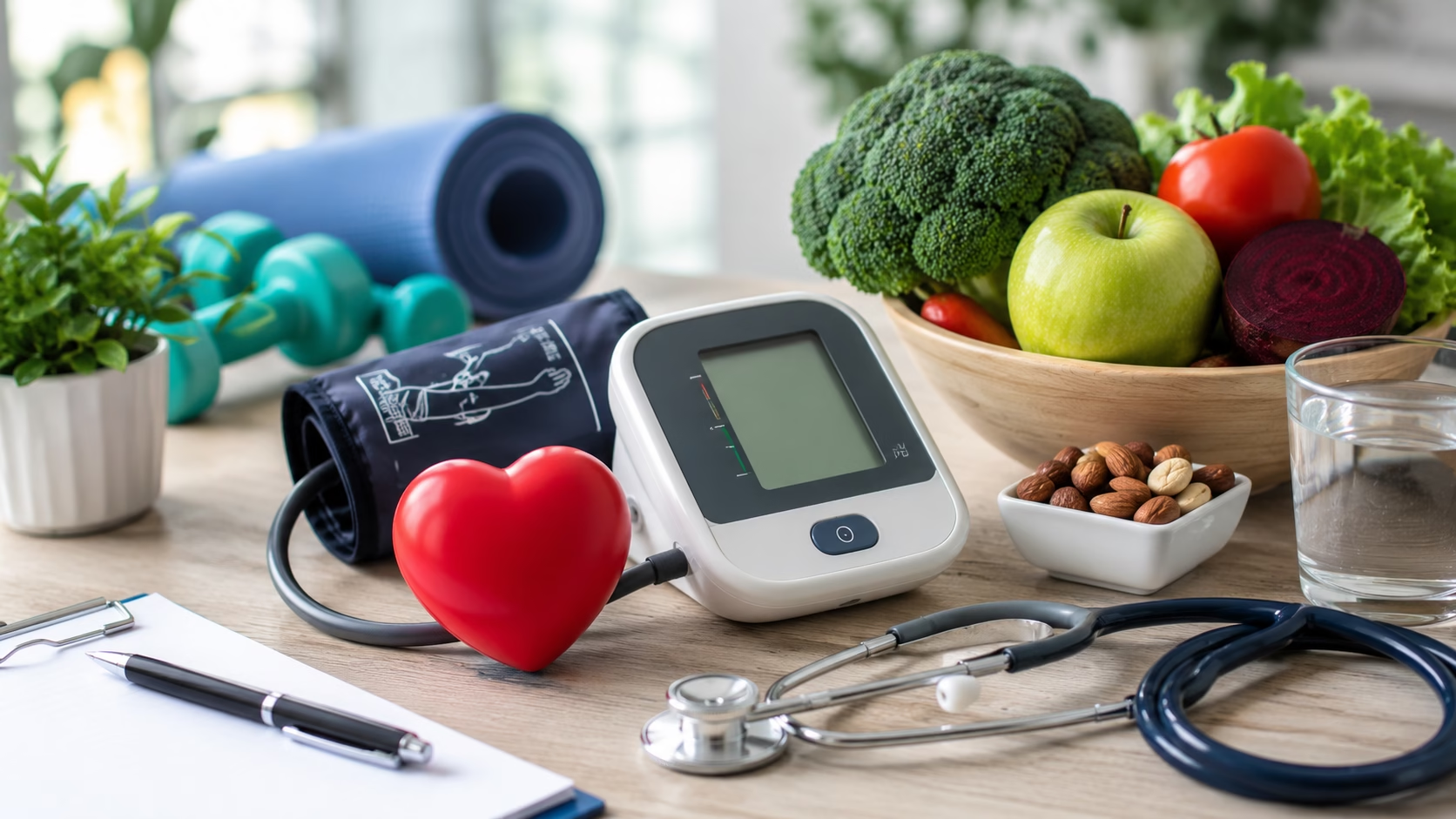
Many programs encourage the use of home blood pressure monitors. These devices allow individuals to track readings in a familiar environment, reducing the influence of stress-related increases that may occur in medical settings.
Patients are typically advised to measure their blood pressure at the same time each day and record the results in a logbook or digital application. Tracking these measurements helps identify patterns and allows healthcare providers to make informed treatment decisions.
Regular clinic visits remain important as well. Depending on individual circumstances, healthcare providers may recommend follow-up appointments every three to six months or more frequently when blood pressure remains uncontrolled.
Digital health platforms and mobile applications further enhance monitoring by automatically storing readings, generating trend reports, and sharing information with healthcare teams.
Lifestyle Modifications: The Foundation of Blood Pressure Control
Lifestyle modifications form the cornerstone of any effective hypertension management program. In many cases, healthy lifestyle changes can significantly reduce blood pressure and may even decrease the need for medication.
Following the DASH Diet
The Dietary Approaches to Stop Hypertension (DASH) diet is one of the most extensively studied nutritional strategies for lowering blood pressure.
This eating plan emphasizes fruits, vegetables, whole grains, lean proteins, legumes, nuts, and low-fat dairy products. At the same time, it limits foods high in saturated fat, added sugars, and processed ingredients.
The DASH diet provides essential nutrients such as potassium, magnesium, calcium, and fiber, all of which support healthy blood vessel function and blood pressure regulation.
Reducing sodium intake is a major component of the DASH diet. Most adults with hypertension are encouraged to limit sodium consumption to between 1,500 and 2,300 milligrams per day. Lower sodium intake helps reduce fluid retention and decreases pressure within the circulatory system.
Increasing Physical Activity
Regular exercise is one of the most effective non-drug treatments for hypertension.
Physical activity strengthens the heart, improves circulation, reduces vascular resistance, and promotes weight management. These effects contribute to lower blood pressure and better cardiovascular health.
Most hypertension management programs recommend at least 150 minutes of moderate-intensity aerobic exercise each week. Activities such as brisk walking, cycling, swimming, dancing, and jogging are excellent options.
Strength training should also be incorporated at least two days per week. Building muscle mass improves metabolic health and supports long-term weight management.
For individuals who find it difficult to exercise continuously, shorter sessions throughout the day can provide similar benefits.
Weight Management
Excess body weight significantly increases the risk of hypertension. Fat tissue places additional demands on the cardiovascular system and contributes to hormonal changes that raise blood pressure.
Even modest weight loss can produce meaningful improvements. Research shows that losing as little as five to ten percent of body weight often results in noticeable reductions in blood pressure.
A hypertension management program typically includes realistic weight-loss goals, dietary guidance, exercise recommendations, and regular progress monitoring.
Managing Stress
Chronic stress contributes to elevated blood pressure through repeated activation of the body’s stress-response systems.
When stress levels remain high, hormones such as cortisol and adrenaline increase heart rate, constrict blood vessels, and elevate blood pressure.
Effective stress-management techniques include meditation, mindfulness practices, deep-breathing exercises, progressive muscle relaxation, yoga, and spending time engaging in enjoyable activities.
Many hypertension programs incorporate stress-reduction training as part of a comprehensive treatment plan.
Avoiding Harmful Habits
Smoking and excessive alcohol consumption are significant contributors to cardiovascular disease.
Smoking damages blood vessels, promotes arterial stiffness, and accelerates atherosclerosis. Quitting smoking provides immediate and long-term cardiovascular benefits.
Alcohol should be consumed in moderation. Excessive alcohol intake can raise blood pressure and interfere with medications used to control hypertension.
Medication Management
While lifestyle modifications are essential, many individuals require medication to achieve adequate blood pressure control.
A hypertension management program ensures that medications are prescribed appropriately, monitored regularly, and adjusted as needed.
Several medication classes are commonly used to treat hypertension.
ACE inhibitors help relax blood vessels and reduce the workload on the heart. ARBs offer similar benefits and may be used when ACE inhibitors are not tolerated.
Diuretics help eliminate excess sodium and fluid from the body, reducing blood volume and lowering blood pressure.
Beta-blockers reduce heart rate and decrease the force of cardiac contractions, making them particularly useful in certain cardiovascular conditions.
Calcium channel blockers help relax blood vessel walls and improve blood flow.
The choice of medication depends on multiple factors, including age, underlying medical conditions, blood pressure severity, and individual response to treatment.
Improving Medication Adherence
Medication effectiveness depends heavily on consistent use.
Unfortunately, many individuals miss doses, discontinue treatment prematurely, or misunderstand medication instructions. These issues can significantly compromise blood pressure control.
Hypertension management programs employ various strategies to improve adherence.
Pill organizers, smartphone reminders, medication calendars, and automated refill systems help patients remember their medications.
Healthcare providers also educate patients about the purpose of each medication, expected benefits, and potential side effects.
Regular medication reviews allow adjustments when side effects occur or when treatment goals are not being achieved.
Ongoing Monitoring and Support
Long-term success requires continuous support and follow-up.
Many hypertension management programs incorporate telehealth services that allow patients to communicate with healthcare providers remotely. Virtual appointments provide convenient opportunities to review blood pressure readings, discuss concerns, and modify treatment plans.
Health coaches, nurses, pharmacists, dietitians, and exercise specialists may all contribute to patient care.
Support groups and community programs also play valuable roles. Sharing experiences with others facing similar challenges often increases motivation and accountability.
Mobile applications and wearable devices provide additional support by tracking blood pressure readings, medication adherence, physical activity, and lifestyle habits.
Measuring Success
An effective hypertension management program includes regular evaluation of outcomes.
The primary measure of success is achieving and maintaining target blood pressure levels. For many adults, the goal is less than 130/80 mm Hg, although individual targets may vary based on age, health status, and physician recommendations.
Additional indicators of success include weight reduction, improved fitness levels, lower cholesterol levels, better blood sugar control, and increased adherence to healthy lifestyle habits.
Quality of life is another important consideration. Many individuals experience improved energy levels, better sleep, reduced stress, and greater confidence in managing their health.
Regular assessment ensures that treatment plans remain effective and allows timely modifications when necessary.
Conclusion
A structured Hypertension Management Program provides a comprehensive roadmap for controlling high blood pressure and reducing the risk of serious cardiovascular complications. By combining regular blood pressure monitoring, healthy lifestyle modifications, personalized medication management, patient education, and ongoing support, these programs address every aspect of hypertension care.
The journey toward better blood pressure control requires commitment, consistency, and collaboration with healthcare professionals. However, the rewards are substantial. Improved cardiovascular health, reduced risk of heart attack and stroke, enhanced kidney function, greater energy, and a longer, healthier life are all achievable outcomes.
If you have hypertension or are at risk of developing it, speak with your healthcare provider about creating a personalized management plan. Taking action today can protect your heart, preserve your health, and improve your quality of life for years to come.
Disclaimer
This article is for educational purposes only and does not replace professional medical advice, diagnosis, or treatment. Seizures, severe headache, confusion, visual changes, or blood pressure readings in the hypertensive crisis range require urgent medical evaluation.