Introduction
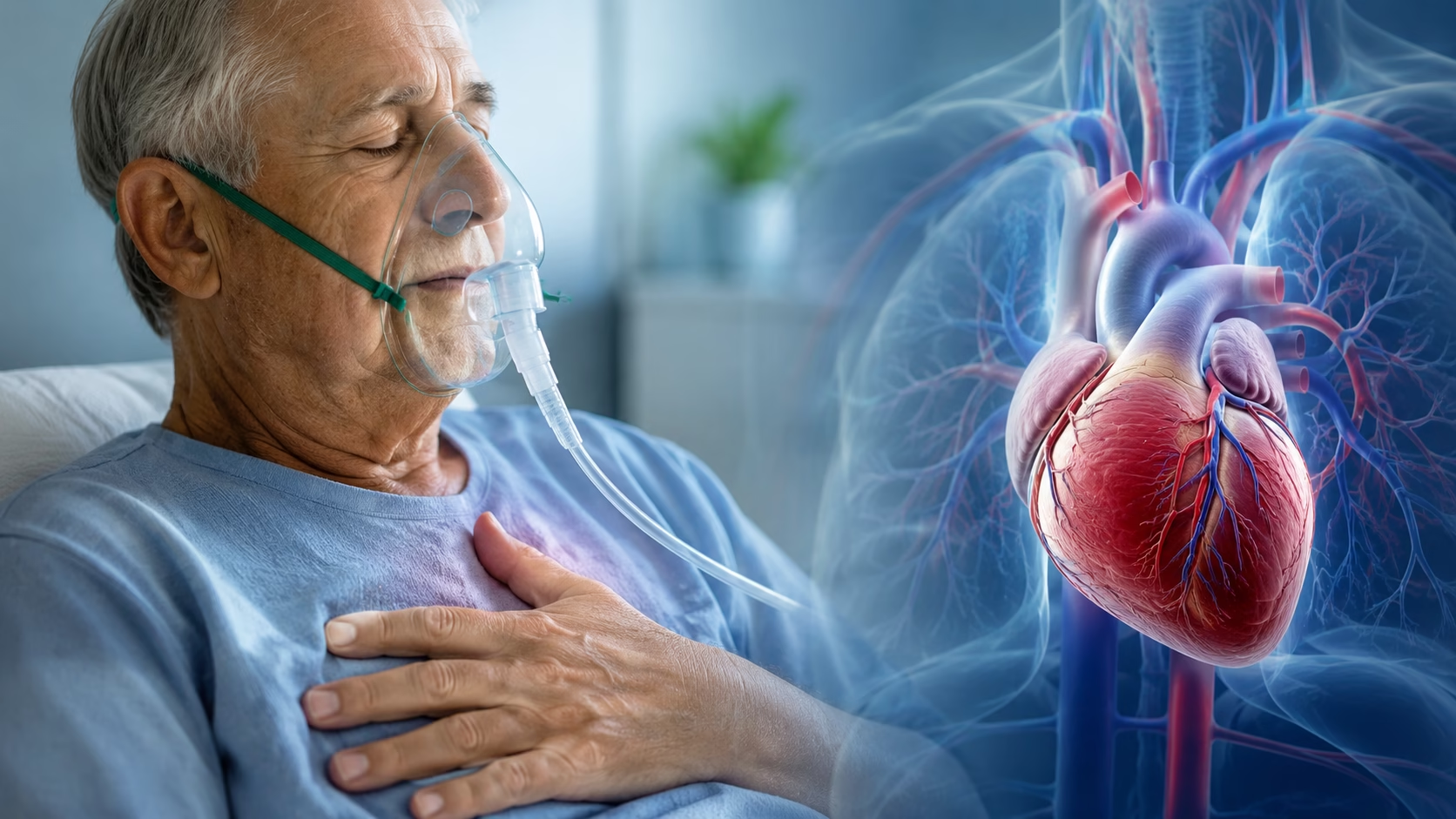
Congestive heart failure (CHF) is a chronic and progressive cardiovascular condition that affects millions of people worldwide. It occurs when the heart becomes unable to pump blood efficiently enough to meet the body’s needs. As a result, blood and fluid can back up into the lungs, legs, abdomen, and other tissues, leading to a variety of symptoms that significantly affect quality of life.
- Supplemental oxygen improves breathlessness, exercise capacity, and sleep for heart failure patients with low blood oxygen but does not cure congestive heart failure.
- Guidelines recommend oxygen when oxygen saturation is 88% or lower or PaO2 is 55 mm Hg or less; benefits unclear for normal oxygen levels.
- Use only as prescribed, monitor saturation, and be aware of risks: oxygen toxicity, carbon dioxide retention, fire hazard, and equipment-related mobility limits.
One of the most common and distressing symptoms experienced by people with congestive heart failure is shortness of breath. Many patients struggle with simple daily activities such as walking, climbing stairs, dressing, or even lying down to sleep. Because oxygen plays such a critical role in sustaining life and supporting organ function, many patients and caregivers naturally wonder whether supplemental oxygen can help relieve symptoms and improve overall health.
The answer is both yes and no. Oxygen therapy can provide significant benefits for certain heart failure patients, particularly those with documented low blood oxygen levels. However, oxygen is not a cure for congestive heart failure, and it is not necessary or beneficial for every patient.
Understanding how oxygen therapy works, who benefits most from it, and how it fits into a broader heart failure treatment plan can help patients make informed decisions alongside their healthcare providers.
In this comprehensive guide, we will explore the relationship between oxygen and congestive heart failure, discuss current medical evidence, explain treatment recommendations, and provide practical tips for safe oxygen use.
Understanding Congestive Heart Failure
What Is Congestive Heart Failure?
Congestive heart failure is a condition in which the heart cannot pump blood effectively enough to supply the body’s tissues with adequate oxygen and nutrients.
The heart functions as a powerful pump that circulates blood throughout the body. When the heart weakens or becomes stiff, it loses its ability to perform this task efficiently.
As blood flow slows, pressure builds up within the circulatory system. This causes fluid to leak from blood vessels and accumulate in surrounding tissues.
The result is congestion, which is why the condition is known as congestive heart failure.
How CHF Affects the Body
When the heart cannot pump efficiently:
- Less oxygen-rich blood reaches organs and muscles.
- Fluid accumulates in the lungs.
- The kidneys retain sodium and water.
- Swelling develops in the lower extremities.
- Physical activity becomes more difficult.
Over time, these changes can significantly affect daily functioning and overall health.
Common Symptoms of Congestive Heart Failure
Shortness of Breath
Shortness of breath is one of the hallmark symptoms of congestive heart failure.
Fluid accumulation within the lungs interferes with oxygen exchange, making breathing more difficult.
Patients may notice breathlessness:
- During physical activity
- While climbing stairs
- During routine household tasks
- While resting in advanced stages
Orthopnea
Orthopnea refers to difficulty breathing while lying flat.
Many patients require multiple pillows or prefer sleeping in a recliner because lying down worsens fluid accumulation in the lungs.
Chronic Cough or Wheezing
Fluid congestion within the lungs can trigger:
- Persistent coughing
- Wheezing
- Chest tightness
Some patients produce frothy or pink-tinged sputum during severe episodes.
Swelling (Edema)
Fluid retention commonly causes swelling in:
- Feet
- Ankles
- Legs
- Abdomen
This swelling may worsen throughout the day.
Fatigue and Weakness
Because tissues receive less oxygen-rich blood, patients often experience:
- Low energy
- Reduced endurance
- Muscle weakness
- Difficulty performing everyday activities
The Role of Oxygen in the Body
Why Oxygen Is Essential
Every cell in the body requires oxygen to produce energy.
Oxygen supports:
- Brain function
- Heart function
- Muscle activity
- Organ performance
- Cellular repair
Without adequate oxygen, cells cannot efficiently generate energy needed for normal function.
The Heart’s Dependence on Oxygen
The heart itself requires a continuous supply of oxygen-rich blood.
When oxygen delivery decreases:
- Cardiac performance may worsen.
- Fatigue increases.
- Exercise capacity declines.
Maintaining adequate oxygen levels is therefore critical in individuals with heart disease.
Why CHF Can Cause Low Oxygen Levels
Fluid Buildup in the Lungs
One of the primary reasons congestive heart failure causes low oxygen levels is pulmonary congestion.
When fluid accumulates inside the lungs:
- Air sacs become partially filled with fluid.
- Oxygen cannot move efficiently into the bloodstream.
- Blood oxygen levels may decline.
This condition is known as hypoxemia.
Reduced Cardiac Output
In heart failure, the weakened heart pumps less blood with each beat.
This reduced cardiac output means:
- Less oxygen is delivered throughout the body.
- Muscles fatigue more quickly.
- Organ function may be impaired.
Impaired Gas Exchange
Fluid accumulation creates a barrier between inhaled oxygen and the bloodstream.
Even if a person breathes normally, oxygen absorption becomes less efficient.
Signs of Low Oxygen Levels (Hypoxemia)
Not every heart failure patient develops hypoxemia, but when oxygen levels fall significantly, certain symptoms may appear.
Cyanosis
Cyanosis causes a bluish discoloration of:
- Lips
- Fingernails
- Toenails
This occurs when oxygen levels in the blood become dangerously low.
Rapid Breathing
The body compensates for reduced oxygen by increasing breathing rate.
Patients may appear to be breathing:
- Faster
- Harder
- More deeply
Confusion
The brain is highly sensitive to oxygen deprivation.
Low oxygen levels can cause:
- Confusion
- Difficulty concentrating
- Poor memory
- Altered mental status
Headaches
Insufficient oxygen delivery may trigger headaches, especially during sleep or physical activity.
What Is Oxygen Therapy?
Definition
Oxygen therapy is a medical treatment that provides supplemental oxygen to increase blood oxygen levels.
Instead of breathing ordinary room air, patients receive oxygen-enriched air through specialized equipment.
The goal is to ensure adequate oxygen reaches vital organs and tissues.
Types of Oxygen Therapy
Continuous Oxygen Therapy
Some patients require oxygen throughout the day and night.
Continuous therapy is often prescribed for individuals with persistent low oxygen levels.
This may involve:
- Home oxygen concentrators
- Portable oxygen systems
- Oxygen cylinders
Intermittent Oxygen Therapy
Some patients need oxygen only during specific situations, such as:
- Physical activity
- Sleep
- Air travel
This approach provides support when oxygen demands increase.
Acute Oxygen Therapy
Hospitalized patients experiencing severe heart failure exacerbations may receive high-flow oxygen through specialized devices.
This therapy helps stabilize oxygen levels during emergencies.
Common Oxygen Delivery Systems
Nasal Cannula
The nasal cannula is the most commonly used oxygen delivery device.
It consists of:
- Lightweight tubing
- Two small prongs placed inside the nostrils
Typical flow rates range from:
1 to 6 liters per minute
Advantages include:
- Comfort
- Portability
- Ease of use
Simple Face Mask
A face mask covers the nose and mouth and delivers higher oxygen concentrations.
Typical flow rates range from:
6 to 10 liters per minute
Non-Rebreather Mask
This device delivers very high oxygen concentrations.
Flow rates may reach:
15 liters per minute
It is commonly used during emergencies.
High-Flow Nasal Cannula
High-flow systems deliver warmed, humidified oxygen at higher flow rates.
These devices improve comfort and oxygen delivery in critically ill patients.
CPAP and BiPAP
These noninvasive ventilation systems assist breathing while delivering oxygen.
They are particularly useful for:
- Sleep apnea
- Pulmonary edema
- Acute heart failure exacerbations
Benefits of Oxygen Therapy for CHF Patients
Relief of Shortness of Breath
One of the most immediate benefits of oxygen therapy is reduced breathlessness.
Supplemental oxygen helps improve oxygen availability throughout the body.
Patients often feel:
- More comfortable
- Less anxious
- Less air hungry
Improved Exercise Capacity
Low oxygen levels can severely limit physical activity.
By improving oxygen delivery, oxygen therapy may help patients:
- Walk farther
- Climb stairs more easily
- Perform daily tasks with less fatigue
Reduced Pulmonary Artery Pressure
Some studies suggest oxygen therapy may help lower pressure within pulmonary arteries.
This reduces strain on the heart and lungs.
Improved Sleep Quality
Nighttime oxygen therapy may benefit patients who experience oxygen desaturation while sleeping.
Improved oxygen levels can lead to:
- Better sleep quality
- Less nighttime awakening
- Improved daytime energy
Real-Life Example
Consider a 68-year-old patient with advanced congestive heart failure.
Before oxygen therapy:
- Walking across the room caused severe breathlessness.
- Daily activities became exhausting.
- Sleep was frequently interrupted.
After beginning oxygen therapy during activity:
- Breathing became easier.
- Physical endurance improved.
- Independence increased.
Although oxygen did not cure heart failure, it significantly improved quality of life.
Clinical Evidence and Guidelines
American Heart Association (AHA)
The American Heart Association recommends supplemental oxygen for patients who demonstrate significant hypoxemia.
This typically includes individuals with:
Oxygen saturation (SpO₂) of 88% or lower
American Thoracic Society (ATS)
The ATS supports long-term oxygen therapy when:
- Arterial oxygen tension (PaO₂) is 55 mm Hg or less
- Oxygen saturation is 88% or less
Research Findings
Several studies have demonstrated:
- Symptom relief
- Improved oxygenation
- Enhanced exercise tolerance
However, oxygen therapy has not consistently shown benefits for heart failure patients who already maintain normal oxygen levels.
Potential Risks and Limitations
Oxygen Toxicity
Excessive oxygen concentrations over prolonged periods may cause lung damage.
This is uncommon with standard home oxygen therapy.
Carbon Dioxide Retention
Certain patients with chronic respiratory disease may retain carbon dioxide if oxygen levels are increased excessively.
Careful monitoring is essential.
Fire Hazard
Oxygen supports combustion.
Patients must:
- Avoid smoking
- Stay away from open flames
- Follow safety guidelines
Reduced Mobility
Some patients find oxygen equipment cumbersome.
Portable systems can help maintain independence.
Integrating Oxygen With Other CHF Treatments
Medications
Oxygen therapy works best when combined with standard heart failure medications.
Common treatments include:
- ACE inhibitors
- ARBs
- Beta-blockers
- Diuretics
- Aldosterone antagonists
- SGLT2 inhibitors
Lifestyle Changes
Lifestyle modifications remain essential.
These include:
- Sodium restriction
- Fluid management
- Daily weight monitoring
- Smoking cessation
Device Therapy
Some patients benefit from:
- Pacemakers
- Implantable defibrillators
- Cardiac resynchronization therapy
Cardiac Rehabilitation
Supervised exercise programs help improve endurance and cardiovascular health.
Practical Tips for Home Oxygen Use
Monitor Oxygen Levels
Use a pulse oximeter regularly to track oxygen saturation.
Follow your healthcare provider’s recommended target range.
Maintain Equipment
Inspect:
- Tubing
- Connectors
- Cannulas
Replace damaged equipment promptly.
Prepare for Emergencies
Have a backup plan for:
- Power outages
- Travel
- Equipment failure
Portable tanks and backup batteries can be lifesaving.
Follow Prescribed Flow Rates
Never adjust oxygen settings without consulting your healthcare provider.
Too much or too little oxygen may be harmful.
Conclusion
Supplemental oxygen can play an important role in the management of congestive heart failure, particularly for patients who develop documented low blood oxygen levels. By improving oxygen delivery throughout the body, oxygen therapy can reduce breathlessness, enhance exercise capacity, improve sleep quality, and increase overall comfort.
However, oxygen therapy is not a cure for congestive heart failure and should not replace proven treatments such as medications, lifestyle modifications, cardiac rehabilitation, and device-based therapies. The greatest benefits occur when oxygen is integrated into a comprehensive treatment plan tailored to the patient’s individual needs.
Patients experiencing persistent shortness of breath, fatigue, or signs of low oxygen levels should discuss oxygen testing and treatment options with their healthcare provider. When prescribed appropriately and used safely, supplemental oxygen can significantly improve quality of life and help individuals with congestive heart failure breathe easier, stay active, and maintain greater independence.
Does Oxygen Help Congestive Heart Failure?
Introduction
Congestive heart failure (CHF) is a chronic and progressive cardiovascular condition that affects millions of people worldwide. It occurs when the heart becomes unable to pump blood efficiently enough to meet the body’s needs. As a result, blood and fluid can back up into the lungs, legs, abdomen, and other tissues, leading to a variety of symptoms that significantly affect quality of life.
One of the most common and distressing symptoms experienced by people with congestive heart failure is shortness of breath. Many patients struggle with simple daily activities such as walking, climbing stairs, dressing, or even lying down to sleep. Because oxygen plays such a critical role in sustaining life and supporting organ function, many patients and caregivers naturally wonder whether supplemental oxygen can help relieve symptoms and improve overall health.
The answer is both yes and no. Oxygen therapy can provide significant benefits for certain heart failure patients, particularly those with documented low blood oxygen levels. However, oxygen is not a cure for congestive heart failure, and it is not necessary or beneficial for every patient.
Understanding how oxygen therapy works, who benefits most from it, and how it fits into a broader heart failure treatment plan can help patients make informed decisions alongside their healthcare providers.
In this comprehensive guide, we will explore the relationship between oxygen and congestive heart failure, discuss current medical evidence, explain treatment recommendations, and provide practical tips for safe oxygen use.
Understanding Congestive Heart Failure
What Is Congestive Heart Failure?
Congestive heart failure is a condition in which the heart cannot pump blood effectively enough to supply the body’s tissues with adequate oxygen and nutrients.
The heart functions as a powerful pump that circulates blood throughout the body. When the heart weakens or becomes stiff, it loses its ability to perform this task efficiently.
As blood flow slows, pressure builds up within the circulatory system. This causes fluid to leak from blood vessels and accumulate in surrounding tissues.
The result is congestion, which is why the condition is known as congestive heart failure.
How CHF Affects the Body
When the heart cannot pump efficiently:
- Less oxygen-rich blood reaches organs and muscles.
- Fluid accumulates in the lungs.
- The kidneys retain sodium and water.
- Swelling develops in the lower extremities.
- Physical activity becomes more difficult.
Over time, these changes can significantly affect daily functioning and overall health.
Common Symptoms of Congestive Heart Failure
Shortness of Breath
Shortness of breath is one of the hallmark symptoms of congestive heart failure.
Fluid accumulation within the lungs interferes with oxygen exchange, making breathing more difficult.
Patients may notice breathlessness:
- During physical activity
- While climbing stairs
- During routine household tasks
- While resting in advanced stages
Orthopnea
Orthopnea refers to difficulty breathing while lying flat.
Many patients require multiple pillows or prefer sleeping in a recliner because lying down worsens fluid accumulation in the lungs.
Chronic Cough or Wheezing
Fluid congestion within the lungs can trigger:
- Persistent coughing
- Wheezing
- Chest tightness
Some patients produce frothy or pink-tinged sputum during severe episodes.
Swelling (Edema)
Fluid retention commonly causes swelling in:
- Feet
- Ankles
- Legs
- Abdomen
This swelling may worsen throughout the day.
Fatigue and Weakness
Because tissues receive less oxygen-rich blood, patients often experience:
- Low energy
- Reduced endurance
- Muscle weakness
- Difficulty performing everyday activities
The Role of Oxygen in the Body
Why Oxygen Is Essential
Every cell in the body requires oxygen to produce energy.
Oxygen supports:
- Brain function
- Heart function
- Muscle activity
- Organ performance
- Cellular repair
Without adequate oxygen, cells cannot efficiently generate energy needed for normal function.
The Heart’s Dependence on Oxygen
The heart itself requires a continuous supply of oxygen-rich blood.
When oxygen delivery decreases:
- Cardiac performance may worsen.
- Fatigue increases.
- Exercise capacity declines.
Maintaining adequate oxygen levels is therefore critical in individuals with heart disease.
Why CHF Can Cause Low Oxygen Levels
Fluid Buildup in the Lungs
One of the primary reasons congestive heart failure causes low oxygen levels is pulmonary congestion.
When fluid accumulates inside the lungs:
- Air sacs become partially filled with fluid.
- Oxygen cannot move efficiently into the bloodstream.
- Blood oxygen levels may decline.
This condition is known as hypoxemia.
Reduced Cardiac Output
In heart failure, the weakened heart pumps less blood with each beat.
This reduced cardiac output means:
- Less oxygen is delivered throughout the body.
- Muscles fatigue more quickly.
- Organ function may be impaired.
Impaired Gas Exchange
Fluid accumulation creates a barrier between inhaled oxygen and the bloodstream.
Even if a person breathes normally, oxygen absorption becomes less efficient.
Signs of Low Oxygen Levels (Hypoxemia)
Not every heart failure patient develops hypoxemia, but when oxygen levels fall significantly, certain symptoms may appear.
Cyanosis
Cyanosis causes a bluish discoloration of:
- Lips
- Fingernails
- Toenails
This occurs when oxygen levels in the blood become dangerously low.
Rapid Breathing
The body compensates for reduced oxygen by increasing breathing rate.
Patients may appear to be breathing:
- Faster
- Harder
- More deeply
Confusion
The brain is highly sensitive to oxygen deprivation.
Low oxygen levels can cause:
- Confusion
- Difficulty concentrating
- Poor memory
- Altered mental status
Headaches
Insufficient oxygen delivery may trigger headaches, especially during sleep or physical activity.
What Is Oxygen Therapy?
Definition
Oxygen therapy is a medical treatment that provides supplemental oxygen to increase blood oxygen levels.
Instead of breathing ordinary room air, patients receive oxygen-enriched air through specialized equipment.
The goal is to ensure adequate oxygen reaches vital organs and tissues.
Types of Oxygen Therapy
Continuous Oxygen Therapy
Some patients require oxygen throughout the day and night.
Continuous therapy is often prescribed for individuals with persistent low oxygen levels.
This may involve:
- Home oxygen concentrators
- Portable oxygen systems
- Oxygen cylinders
Intermittent Oxygen Therapy
Some patients need oxygen only during specific situations, such as:
- Physical activity
- Sleep
- Air travel
This approach provides support when oxygen demands increase.
Acute Oxygen Therapy
Hospitalized patients experiencing severe heart failure exacerbations may receive high-flow oxygen through specialized devices.
This therapy helps stabilize oxygen levels during emergencies.
Common Oxygen Delivery Systems
Nasal Cannula
The nasal cannula is the most commonly used oxygen delivery device.
It consists of:
- Lightweight tubing
- Two small prongs placed inside the nostrils
Typical flow rates range from:
1 to 6 liters per minute
Advantages include:
- Comfort
- Portability
- Ease of use
Simple Face Mask
A face mask covers the nose and mouth and delivers higher oxygen concentrations.
Typical flow rates range from:
6 to 10 liters per minute
Non-Rebreather Mask
This device delivers very high oxygen concentrations.
Flow rates may reach:
15 liters per minute
It is commonly used during emergencies.
High-Flow Nasal Cannula
High-flow systems deliver warmed, humidified oxygen at higher flow rates.
These devices improve comfort and oxygen delivery in critically ill patients.
CPAP and BiPAP
These noninvasive ventilation systems assist breathing while delivering oxygen.
They are particularly useful for:
- Sleep apnea
- Pulmonary edema
- Acute heart failure exacerbations
Benefits of Oxygen Therapy for CHF Patients
Relief of Shortness of Breath
One of the most immediate benefits of oxygen therapy is reduced breathlessness.
Supplemental oxygen helps improve oxygen availability throughout the body.
Patients often feel:
- More comfortable
- Less anxious
- Less air hungry
Improved Exercise Capacity
Low oxygen levels can severely limit physical activity.
By improving oxygen delivery, oxygen therapy may help patients:
- Walk farther
- Climb stairs more easily
- Perform daily tasks with less fatigue
Reduced Pulmonary Artery Pressure
Some studies suggest oxygen therapy may help lower pressure within pulmonary arteries.
This reduces strain on the heart and lungs.
Improved Sleep Quality
Nighttime oxygen therapy may benefit patients who experience oxygen desaturation while sleeping.
Improved oxygen levels can lead to:
- Better sleep quality
- Less nighttime awakening
- Improved daytime energy
Real-Life Example
Consider a 68-year-old patient with advanced congestive heart failure.
Before oxygen therapy:
- Walking across the room caused severe breathlessness.
- Daily activities became exhausting.
- Sleep was frequently interrupted.
After beginning oxygen therapy during activity:
- Breathing became easier.
- Physical endurance improved.
- Independence increased.
Although oxygen did not cure heart failure, it significantly improved quality of life.
Clinical Evidence and Guidelines
American Heart Association (AHA)
The American Heart Association recommends supplemental oxygen for patients who demonstrate significant hypoxemia.
This typically includes individuals with:
Oxygen saturation (SpO₂) of 88% or lower
American Thoracic Society (ATS)
The ATS supports long-term oxygen therapy when:
- Arterial oxygen tension (PaO₂) is 55 mm Hg or less
- Oxygen saturation is 88% or less
Research Findings
Several studies have demonstrated:
- Symptom relief
- Improved oxygenation
- Enhanced exercise tolerance
However, oxygen therapy has not consistently shown benefits for heart failure patients who already maintain normal oxygen levels.
Potential Risks and Limitations
Oxygen Toxicity
Excessive oxygen concentrations over prolonged periods may cause lung damage.
This is uncommon with standard home oxygen therapy.
Carbon Dioxide Retention
Certain patients with chronic respiratory disease may retain carbon dioxide if oxygen levels are increased excessively.
Careful monitoring is essential.
Fire Hazard
Oxygen supports combustion.
Patients must:
- Avoid smoking
- Stay away from open flames
- Follow safety guidelines
Reduced Mobility
Some patients find oxygen equipment cumbersome.
Portable systems can help maintain independence.
Integrating Oxygen With Other CHF Treatments
Medications
Oxygen therapy works best when combined with standard heart failure medications.
Common treatments include:
- ACE inhibitors
- ARBs
- Beta-blockers
- Diuretics
- Aldosterone antagonists
- SGLT2 inhibitors
Lifestyle Changes
Lifestyle modifications remain essential.
These include:
- Sodium restriction
- Fluid management
- Daily weight monitoring
- Smoking cessation
Device Therapy
Some patients benefit from:
- Pacemakers
- Implantable defibrillators
- Cardiac resynchronization therapy
Cardiac Rehabilitation
Supervised exercise programs help improve endurance and cardiovascular health.
Practical Tips for Home Oxygen Use
Monitor Oxygen Levels
Use a pulse oximeter regularly to track oxygen saturation.
Follow your healthcare provider’s recommended target range.
Maintain Equipment
Inspect:
- Tubing
- Connectors
- Cannulas
Replace damaged equipment promptly.
Prepare for Emergencies
Have a backup plan for:
- Power outages
- Travel
- Equipment failure
Portable tanks and backup batteries can be lifesaving.
Follow Prescribed Flow Rates
Never adjust oxygen settings without consulting your healthcare provider.
Too much or too little oxygen may be harmful.
Conclusion
Supplemental oxygen can play an important role in the management of congestive heart failure, particularly for patients who develop documented low blood oxygen levels. By improving oxygen delivery throughout the body, oxygen therapy can reduce breathlessness, enhance exercise capacity, improve sleep quality, and increase overall comfort.
However, oxygen therapy is not a cure for congestive heart failure and should not replace proven treatments such as medications, lifestyle modifications, cardiac rehabilitation, and device-based therapies. The greatest benefits occur when oxygen is integrated into a comprehensive treatment plan tailored to the patient’s individual needs.
Patients experiencing persistent shortness of breath, fatigue, or signs of low oxygen levels should discuss oxygen testing and treatment options with their healthcare provider. When prescribed appropriately and used safely, supplemental oxygen can significantly improve quality of life and help individuals with congestive heart failure breathe easier, stay active, and maintain greater independence.