
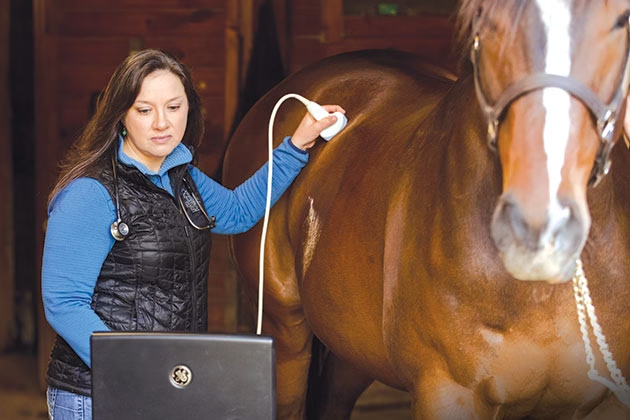
Equine gastric ulcers represent a significant health concern within modern horse management systems. These lesions are particularly prevalent in performance horses, although they may also affect leisure horses and pasture-kept animals. The condition often develops silently and may only become evident when performance declines or behavioral changes emerge.
Effective treatment requires a comprehensive understanding of the underlying causes, clinical presentation, diagnostic procedures, and evidence-based therapeutic strategies. This article provides a detailed and structured explanation of how ulcers in horses develop, how they are identified, and how they can be treated and prevented effectively.
Understanding Equine Gastric Ulcers
What Are Equine Gastric Ulcers?
Equine gastric ulcers are erosions or lesions that form in the lining of the stomach or, in some cases, the upper portion of the small intestine. These lesions arise when the protective mechanisms of the stomach, such as mucus secretion and bicarbonate buffering, are insufficient to counteract the corrosive effects of gastric acid.
Horses naturally produce stomach acid continuously, regardless of whether they are eating. In natural grazing conditions, constant forage intake helps buffer this acid. However, modern feeding and management practices often disrupt this balance, allowing acid to damage the stomach lining and result in ulcer formation.
Risk Factors
High-Grain, Low-Forage Diets
Diets rich in grains and low in fiber reduce chewing time and saliva production. Since saliva contains natural buffering agents, reduced saliva leads to increased gastric acidity and a higher risk of ulcer development.
Intensive Training and Stress
Horses engaged in regular competition or intense training are exposed to physical and psychological stress. Stress hormones can impair gastric blood flow and weaken protective barriers, making the stomach lining more vulnerable to acid injury.
Irregular Feeding Schedules
Long intervals between meals allow gastric acid to accumulate without sufficient buffering from food. This prolonged exposure increases the likelihood of mucosal damage.
Limited Turnout or Grazing
Restricted access to pasture reduces natural grazing behavior. Continuous grazing is essential for maintaining a stable gastric environment, and its absence contributes to acid accumulation.
Medications and Concurrent Illness
Certain medications, particularly non-steroidal anti-inflammatory drugs (NSAIDs), can interfere with prostaglandin production. Prostaglandins play a key role in maintaining the protective lining of the stomach, and their reduction increases susceptibility to ulcers.
Recognizing the Signs and Symptoms
Early identification of ulcers is critical for successful treatment. Clinical signs may vary in severity and are often subtle.
Poor Appetite
Horses with ulcers may eat less or become selective with feed due to discomfort associated with digestion.
Weight Loss and Coat Changes
Reduced nutrient intake and chronic stress can lead to weight loss and a dull or rough coat, reflecting compromised overall health.
Decreased Performance
Performance horses may show reluctance to work, reduced stamina, or behavioral resistance during training sessions.
Girth Sensitivity
Pain in the abdominal region often becomes apparent when tightening the girth, leading to resistance or agitation.
Behavioral Signs
Symptoms such as teeth grinding, pawing, rolling, or signs resembling mild colic may indicate gastrointestinal discomfort.
Veterinary Diagnosis and Assessment
Endoscopic Examination
Gastroscopy remains the most reliable diagnostic tool for equine gastric ulcers. During this procedure, a veterinarian inserts a flexible endoscope through the nasal passage into the stomach to directly visualize the mucosal surface. This allows for precise identification of lesion location and severity.
Scoring and Monitoring
Ulcers are typically graded on a scale ranging from 0 to 4, where 0 indicates a normal stomach lining and 4 represents severe ulceration. This grading system facilitates objective assessment and helps monitor treatment progress through follow-up examinations.
Effective Treatment Strategies
Successful treatment requires a multifaceted approach that integrates pharmacological therapy, dietary management, and environmental modifications.
Medication Options
Proton Pump Inhibitors (PPIs)
Omeprazole is the most widely used medication for treating equine ulcers. It functions by inhibiting the proton pumps responsible for acid secretion in the stomach. By significantly reducing acid production, it creates a favorable environment for ulcer healing.
H2-Receptor Antagonists
Medications such as ranitidine and famotidine reduce acid secretion by blocking histamine receptors in the stomach. Although less potent than PPIs, they can be useful in certain clinical scenarios.
Mucosal Protectants
Sucralfate acts by forming a protective barrier over ulcerated tissue. This barrier shields the lesion from further acid exposure and promotes healing.
Adjunctive Therapies
Misoprostol is particularly effective in cases where ulcers are induced by NSAID use. It helps restore the natural protective mechanisms of the stomach lining.
Dietary Modifications
Increased Forage Intake
Providing continuous access to high-quality forage is fundamental. Forage stimulates saliva production, which helps neutralize stomach acid. Alfalfa hay is especially beneficial due to its higher calcium content and buffering properties.
Reduction of Concentrates
Limiting grain intake reduces starch fermentation and acid production. Substituting with fiber-based feeds supports a more stable gastric environment.
Frequent Feeding
Offering multiple small meals throughout the day helps maintain consistent buffering of gastric acid and prevents prolonged exposure of the stomach lining.
Inclusion of Healthy Fats
Fats such as rice bran or vegetable oils provide additional energy without increasing starch levels, thereby supporting nutritional needs without exacerbating ulcer risk.
Management Practices
Increased Turnout
Allowing horses more time in pasture promotes natural grazing behavior, which is essential for maintaining gastric health.
Consistent Routine
Establishing predictable feeding, training, and turnout schedules reduces stress, which is a key contributing factor to ulcer formation.
Social Interaction
Horses are social animals, and interaction with compatible companions can reduce stress and improve overall well-being.
Adequate Hydration
Ensuring continuous access to clean water supports digestive function and contributes to the integrity of the stomach lining.
Natural Supplements and Probiotics
Probiotics and Prebiotics
These supplements support a healthy balance of gut microorganisms, which may contribute to improved digestive health.
Aloe Vera and Apple Cider Vinegar
Some evidence suggests these may have soothing effects on the gastric lining. However, their use should always be guided by veterinary advice.
L-Glutamine and Slippery Elm
These compounds may support tissue repair and enhance the protective properties of the gastrointestinal lining.
Prevention and Long-Term Care
Maintenance Medication
Gradual reduction of medications such as omeprazole, under veterinary supervision, helps prevent rebound acid production.
Continued Dietary Management
Maintaining a forage-rich, low-starch diet remains essential even after ulcers have healed.
Routine Health Checks
Regular dental examinations ensure effective chewing and proper forage utilization, both of which are important for gastric health.
Workload Management
Gradual increases in training intensity, combined with adequate rest periods, help minimize stress-related ulcer recurrence.
Conclusion
The treatment of equine gastric ulcers requires an integrated and evidence-based approach. Pharmacological interventions, when combined with appropriate dietary adjustments and improved management practices, can lead to effective healing and long-term prevention.
Moreover, early recognition of clinical signs and timely veterinary intervention are critical in minimizing complications. Since each horse presents unique physiological and environmental considerations, treatment strategies should be tailored accordingly. With consistent care and informed management, horses can recover fully and maintain optimal health and performance.