



















Cholesterol Management: Effective Strategies for Better Health
Learn effective cholesterol management strategies to improve your heart health and overall well-being with practical tips and insights.

Table of Contents
Key Takeaways
- Understand the types of cholesterol and their effects.
- Explore dietary changes that support cholesterol management.
- Discover lifestyle modifications to improve heart health.
- Learn the importance of regular health check-ups.
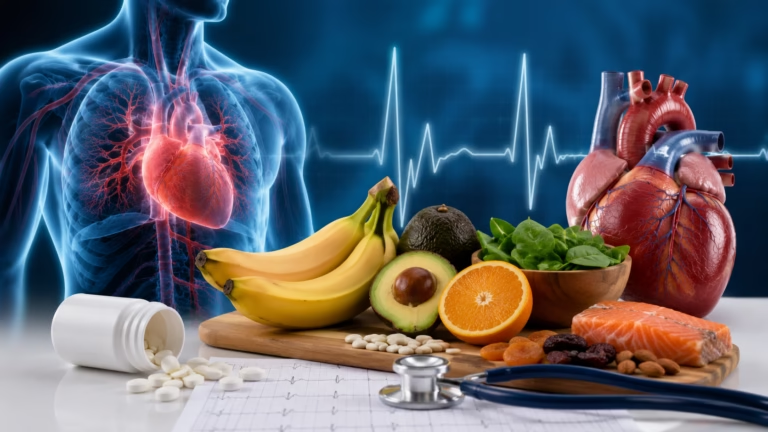
Cholesterol management is crucial for maintaining heart health and preventing cardiovascular diseases. Many people often overlook cholesterol’s role in the body, associating it solely with negative health implications. However, understanding the different types of cholesterol and how they affect your health can empower you to make informed decisions.
This guide provides a comprehensive overview of cholesterol, effective management strategies, and practical tips to improve your heart health. Whether you’re looking to lower your LDL levels or increase your HDL, the following sections will equip you with the knowledge necessary for effective cholesterol management.
Cholesterol can be influenced by various factors, including diet, lifestyle, and genetics. Therefore, it’s important to approach cholesterol management holistically. Here, we’ll explore actionable strategies to help you achieve and maintain healthy cholesterol levels.
Understanding Cholesterol
Cholesterol is a waxy substance found in your blood, essential for various bodily functions, including the production of hormones and vitamin D. The body produces cholesterol, but it can also be obtained from dietary sources. Understanding the two main types of cholesterol is vital for effective management:
- Low-Density Lipoprotein (LDL): Often referred to as “bad” cholesterol, high levels of LDL can lead to plaque buildup in arteries, increasing the risk of heart disease and stroke.
- High-Density Lipoprotein (HDL): Known as “good” cholesterol, HDL helps remove LDL from the bloodstream, transporting it to the liver for removal from the body.
Your body needs a balance of both types of cholesterol, but when LDL levels are too high and HDL levels too low, it can pose serious health risks. Regular check-ups and blood tests can help monitor these levels and guide your cholesterol management efforts.
Dietary Changes for Cholesterol Management
One of the most effective ways to manage cholesterol is through dietary changes. Below are some recommendations to help you improve your cholesterol levels:
- Increase Fiber Intake: Foods high in soluble fiber, such as oats, beans, lentils, fruits, and vegetables, can help lower LDL cholesterol.
- Choose Healthy Fats: Replace saturated fats found in red meat and full-fat dairy products with healthier fats from sources like olive oil, avocados, and nuts.
- Incorporate Omega-3 Fatty Acids: Fatty fish, such as salmon and mackerel, are excellent sources of omega-3s, which can help raise HDL cholesterol and lower triglycerides.
Moreover, it’s beneficial to limit the intake of trans fats found in processed foods, which can significantly raise LDL cholesterol. Reading food labels and being mindful of your choices can lead to better dietary habits.

Foods to Include in Your Diet
Here’s a list of foods that can contribute positively to cholesterol management:
- Oats: A great breakfast option, oats are packed with soluble fiber.
- Barley and Other Whole Grains: Whole grains can improve cholesterol levels and support heart health.
- Beans and Legumes: These are high in fiber and protein, making them excellent substitutes for meat.
- Fruits: Apples, grapes, strawberries, and citrus fruits are known to contain pectin, which can lower cholesterol.
- Nuts: Almonds, walnuts, and pistachios can improve your cholesterol levels when consumed in moderation.
- Fatty Fish: Salmon, sardines, and trout provide omega-3 fatty acids that benefit heart health.
- Olive Oil: A healthy fat choice that can lower LDL cholesterol.
Lifestyle Modifications for Better Cholesterol
In addition to dietary changes, certain lifestyle modifications can significantly impact cholesterol levels. Here are some effective strategies:
- Regular Physical Activity: Aim for at least 150 minutes of moderate aerobic exercise each week. Activities like walking, swimming, or cycling can help raise HDL cholesterol and lower LDL cholesterol.
- Maintain a Healthy Weight: Losing excess weight can help lower LDL cholesterol and improve overall heart health. Even a modest weight loss can have a positive impact.
- Avoid Tobacco Smoke: Smoking cessation can improve HDL levels and lower the risk of heart disease.
Consider setting realistic goals and finding activities you enjoy to make these lifestyle changes more sustainable. For instance, instead of a rigorous gym routine, consider walking with a friend or joining a dance class.
Monitoring Cholesterol Levels
Regular monitoring of cholesterol levels is key to effective management. Here’s how you can stay on top of your cholesterol health:
- Regular Blood Tests: Schedule routine check-ups with your healthcare provider to test your cholesterol levels. Adults should have their cholesterol checked every 4-6 years, but those with risk factors may need more frequent testing.
- Know Your Numbers: Understanding your cholesterol numbers (LDL, HDL, and total cholesterol) can help you make informed decisions about your diet and lifestyle.
- Consult with a Professional: If your cholesterol levels are concerning, consider working with a registered dietitian or healthcare provider to develop a personalized plan.

Real-Life Example: A Journey to Better Cholesterol
Consider the story of Sarah, a 45-year-old woman who discovered she had high cholesterol during a routine check-up. Initially, she felt overwhelmed by the diagnosis, but she was determined to make positive changes. Sarah consulted with a nutritionist, who helped her understand the impact of her diet on her cholesterol levels.
She began incorporating more whole grains, fruits, and vegetables into her meals while reducing her intake of processed foods. Sarah also started walking for 30 minutes each day, which she found enjoyable and manageable. After six months, Sarah returned for a follow-up appointment and was pleased to find her LDL levels had decreased significantly, while her HDL levels had improved.
Sarah’s story illustrates that with commitment and the right information, effective cholesterol management is achievable.
Medications for Cholesterol Management
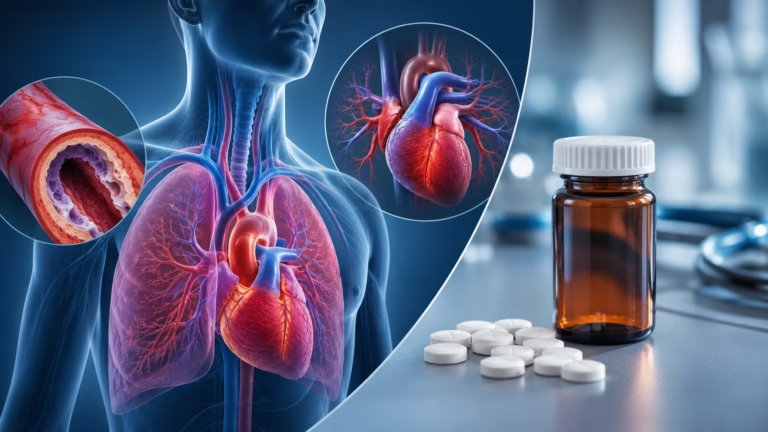
For some individuals, lifestyle changes may not be enough to manage cholesterol levels effectively. In such cases, healthcare providers may recommend medications. Here are some common types:
- Statins: These are the most commonly prescribed medications that lower LDL cholesterol by blocking its production in the liver.
- Bile Acid Sequestrants: These medications help remove cholesterol from your bloodstream by binding to bile acids in the intestines.
- Cholesterol Absorption Inhibitors: These medications reduce the absorption of dietary cholesterol from the intestines.
It’s essential to discuss potential side effects and the appropriateness of these medications with your healthcare provider. Regular follow-ups can help monitor the effectiveness of the treatment plan.
Understanding the Role of Fiber in Cholesterol Management
Types of Dietary Fiber
Fiber is a crucial component in cholesterol management, particularly soluble fiber, which can help lower LDL (bad cholesterol) levels. Soluble fiber dissolves in water and forms a gel-like substance in the gut. This process slows digestion and helps reduce the absorption of cholesterol into the bloodstream. Common sources of soluble fiber include oats, beans, lentils, apples, and citrus fruits.
In contrast, insoluble fiber does not dissolve in water and aids in digestive health by adding bulk to the stool. While it does not directly impact cholesterol levels, it contributes to overall health by promoting regular bowel movements and preventing constipation. Foods rich in insoluble fiber include whole grains, nuts, and the skins of fruits and vegetables.
Incorporating More Fiber into Your Diet
To effectively manage cholesterol levels, it is essential to increase your intake of fiber gradually. Here are some practical tips for incorporating more fiber into your daily meals:
- Start your day with a bowl of oatmeal topped with fruits and nuts.
- Choose whole-grain bread and pasta instead of their refined counterparts.
- Add legumes, such as beans and lentils, to salads, soups, and stews.
- Snack on fresh fruits, vegetables, or whole-grain crackers.
- Experiment with fiber-rich recipes, such as smoothies that incorporate flaxseeds or chia seeds.
By making these simple adjustments, you can increase your fiber intake and subsequently support your cholesterol management efforts.
Fiber Supplements: Pros and Cons
While getting fiber from whole foods is the best approach, fiber supplements can be a convenient option for those struggling to meet their daily requirements. Common forms of fiber supplements include psyllium husk, methylcellulose, and inulin. These supplements can effectively lower cholesterol levels when combined with a balanced diet.
However, it is essential to consider the pros and cons of fiber supplements:
- Pros: They can help bridge the gap for individuals not getting enough fiber from food, are easy to consume, and are often more concentrated in fiber.
- Cons: They may cause digestive discomfort if taken in excess, lack the additional nutrients found in whole foods, and can lead to dependency if relied upon too heavily.
Consulting with a healthcare provider before starting a fiber supplement is advisable to ensure it aligns with your cholesterol management plan.

Impact of Stress on Cholesterol Levels
Understanding the Connection
Stress is often overlooked as a factor in cholesterol management. Chronic stress can lead to unhealthy behaviors, such as overeating and poor dietary choices, which can negatively impact cholesterol levels. Additionally, stress triggers the release of stress hormones, like cortisol, which can influence fat metabolism and increase blood cholesterol levels.
Stress Management Techniques
Incorporating stress management techniques into your daily routine can help mitigate its impact on cholesterol. Here are several effective strategies:
- Meditation: Practicing mindfulness and meditation can help reduce stress and improve emotional well-being.
- Physical Activity: Engaging in regular exercise, such as walking, yoga, or dancing, can elevate mood and reduce stress levels.
- Deep Breathing: Simple deep-breathing exercises can activate the body’s relaxation response and help lower stress.
- Time Management: Organizing tasks and setting realistic goals can alleviate feelings of being overwhelmed.
- Social Support: Connecting with friends and family can provide emotional support and reduce feelings of isolation.
Implementing these techniques can contribute positively to both mental health and cholesterol management.
Seeking Professional Help
If stress becomes overwhelming and challenging to manage, consider seeking help from mental health professionals. Therapy can provide valuable coping strategies, accountability, and support for managing stress and its effects on health. Cognitive-behavioral therapy (CBT) has been shown to be effective in helping individuals develop healthier responses to stress.
In summary, addressing stress is a vital part of a comprehensive approach to managing cholesterol levels and overall health.
The Importance of Regular Physical Activity
Types of Exercise Beneficial for Cholesterol
Regular physical activity is essential for maintaining healthy cholesterol levels. Exercise can help raise HDL (good cholesterol) while lowering LDL (bad cholesterol) and triglycerides. Different types of exercise contribute to these benefits:
- Aerobic Exercise: Activities like walking, running, cycling, or swimming increase heart rate and improve cardiovascular health.
- Resistance Training: Lifting weights or engaging in bodyweight exercises can improve muscle strength and metabolism, contributing to better cholesterol levels.
- Flexibility and Balance Exercises: While these may not directly impact cholesterol, activities like yoga and Pilates can enhance overall fitness and well-being.
Creating an Exercise Routine
Establishing a regular exercise routine is crucial for long-term cholesterol management. Here are some tips for creating a sustainable exercise plan:
- Set realistic goals, such as aiming for at least 150 minutes of moderate aerobic activity each week.
- Incorporate a variety of exercises to keep it engaging and prevent boredom.
- Schedule workouts like appointments to ensure consistency.
- Find a workout buddy or join a class to stay motivated.
By making exercise a priority, you can significantly improve your cholesterol levels and overall health.
Monitoring Progress and Staying Motivated
Tracking your progress can help maintain motivation and ensure that your exercise routine effectively supports your cholesterol management goals. Consider using a fitness app or journal to log workouts and monitor improvements in strength and endurance. Celebrate milestones, such as successfully completing a certain number of workouts or achieving a personal best in cardio activities.
Additionally, staying connected with a support system, whether through social media, fitness groups, or friends and family, can provide encouragement and accountability throughout your fitness journey.
For more information, see MedlinePlus.
Frequently Asked Questions
What are the symptoms of high cholesterol?
High cholesterol typically does not present noticeable symptoms, making regular testing crucial. However, it can lead to serious complications, such as heart disease or stroke.
How often should I check my cholesterol levels?
Adults should have their cholesterol checked every 4-6 years. Those with risk factors may need more frequent tests, as advised by a healthcare provider.
Can cholesterol management improve my overall health?
Yes, managing cholesterol can decrease the risk of heart disease and stroke, leading to improved overall health and well-being.
Are there natural supplements for cholesterol management?
Some natural supplements, like omega-3 fatty acids, psyllium husk, and plant sterols, may help manage cholesterol levels. Always consult a healthcare provider before starting any supplement.
The Bottom Line
Effective cholesterol management is an essential aspect of heart health. By understanding cholesterol types, making dietary changes, adopting a healthier lifestyle, and monitoring your levels, you can take significant steps towards better health. Consult with healthcare professionals for personalized guidance and support on your journey to managing cholesterol effectively.
Was this page helpful?
Thanks for your feedback! What could we improve?
Thank you! Your feedback helps us improve our articles.
True Impact Health articles are written by our editorial team and based on reliable sources such as public health agencies, clinical guidelines and peer-reviewed research. This article has not yet been medically reviewed. Read our editorial process.
This content is for general information and is not a substitute for professional medical advice, diagnosis or treatment.