




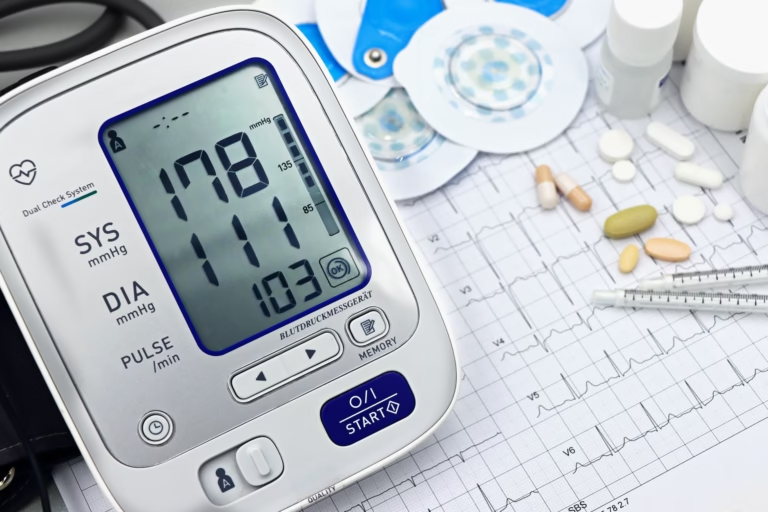










Low Potassium Congestive Heart Failure
Congestive heart failure (CHF) is a chronic and progressive condition that affects the heart's ability to pump blood effectively throughout the body....

Table of Contents
Introduction
Congestive heart failure (CHF) is a chronic and progressive condition that affects the heart’s ability to pump blood effectively throughout the body. Millions of people worldwide live with heart failure, and successful management often requires a careful balance of medications, dietary modifications, fluid control, and regular monitoring. While many patients focus on controlling symptoms such as shortness of breath, swelling, and fatigue, another important aspect of heart failure management is maintaining healthy potassium levels.
Potassium is an essential mineral and electrolyte that plays a critical role in heart function. Even small changes in potassium levels can significantly affect the electrical activity of the heart, potentially leading to dangerous complications. Low potassium, medically known as hypokalemia, is particularly common among patients with congestive heart failure because many of the medications used to treat the condition can increase potassium loss. When potassium levels fall too low, the risk of abnormal heart rhythms, worsening symptoms, hospitalization, and even sudden cardiac death increases substantially.
Understanding why low potassium occurs, recognizing its symptoms, and knowing how it can be prevented and treated are important steps in improving outcomes for individuals living with heart failure. This article explores the relationship between congestive heart failure and hypokalemia, highlighting the causes, consequences, diagnosis, treatment options, and prevention strategies that can help patients maintain optimal heart health.
Understanding the Importance of Potassium
Potassium is one of the body’s most important electrolytes. It is primarily found inside cells and helps regulate numerous physiological processes essential for normal function. Among its many roles, potassium is particularly important for maintaining proper heart rhythm and muscle function.
The heart relies on a carefully coordinated flow of electrical signals to initiate and regulate each heartbeat. Potassium plays a central role in generating and transmitting these electrical impulses across heart muscle cells. It helps control the contraction and relaxation cycle of the heart and contributes to maintaining a stable heartbeat.
In addition to its cardiac functions, potassium is involved in regulating skeletal muscle activity, nerve transmission, fluid balance, and acid-base equilibrium. When potassium levels become too low, these processes can be disrupted, leading to symptoms that range from mild muscle weakness to life-threatening cardiac arrhythmias.
In healthy adults, normal blood potassium levels generally range between 3.5 and 5.0 milliequivalents per liter (mEq/L). Levels below 3.5 mEq/L are considered hypokalemia. Mild hypokalemia typically falls between 3.0 and 3.4 mEq/L, moderate hypokalemia ranges from 2.5 to 2.9 mEq/L, and severe hypokalemia occurs when levels drop below 2.5 mEq/L. The lower the potassium level, the greater the risk of serious complications.
Why Low Potassium Is Common in Congestive Heart Failure
Several factors contribute to the development of hypokalemia in patients with congestive heart failure. In many cases, multiple causes work together to deplete potassium stores and increase vulnerability to complications.
One of the most common causes is the use of diuretic medications. Diuretics, often referred to as “water pills,” are frequently prescribed to reduce fluid retention and relieve symptoms such as swelling and shortness of breath. Loop diuretics such as furosemide and bumetanide, as well as thiazide diuretics, increase urine production and promote the excretion of sodium and water. Unfortunately, these medications also increase potassium loss through the kidneys. Over time, significant potassium depletion can occur, especially if supplementation is not provided.
Heart failure itself also activates a series of hormonal responses that contribute to potassium loss. When cardiac output decreases, the body activates the renin-angiotensin-aldosterone system (RAAS) in an attempt to maintain blood pressure and circulation. Aldosterone, one of the hormones involved in this process, promotes sodium retention while simultaneously increasing potassium excretion by the kidneys. As heart failure progresses, chronic activation of this system can contribute significantly to hypokalemia.
Certain medications commonly used in heart failure management may further complicate the situation. Patients taking digoxin, for example, are particularly vulnerable because low potassium levels increase the drug’s toxicity and the likelihood of dangerous arrhythmias.
Dietary factors also play a role. Many individuals with advanced heart failure experience reduced appetite, early satiety, nausea, or dietary restrictions that may limit their potassium intake. Inadequate consumption of potassium-rich foods can gradually contribute to deficiency.
Additionally, gastrointestinal losses such as vomiting or diarrhea can rapidly deplete potassium stores. These situations may occur due to infections, medication side effects, or other concurrent illnesses and can lead to sudden and significant drops in potassium levels.
The Impact of Low Potassium on Heart Failure
Hypokalemia can have serious consequences for patients with congestive heart failure. Because potassium is so closely involved in cardiac electrical activity, low levels increase the risk of potentially life-threatening arrhythmias.
One of the most concerning effects is the development of ventricular arrhythmias. As potassium levels decline, the electrical stability of heart muscle cells becomes compromised. This instability may lead to premature ventricular contractions, ventricular tachycardia, or ventricular fibrillation, all of which can significantly increase the risk of sudden cardiac death.
Low potassium can also worsen existing heart failure symptoms. Skeletal muscles throughout the body depend on potassium for normal function. As levels decrease, patients may experience increasing fatigue, muscle weakness, and reduced exercise tolerance. These symptoms can make daily activities more difficult and contribute to a decline in overall quality of life.
Some individuals develop orthostatic hypotension, a condition characterized by dizziness or lightheadedness when standing up. This can increase the risk of falls and injuries, particularly among older adults.
Furthermore, hypokalemia may reduce the effectiveness of certain heart failure treatments. When potassium levels are not maintained within an optimal range, achieving stable cardiovascular function becomes more difficult, potentially leading to more frequent hospitalizations and treatment adjustments.
Recognizing Symptoms of Low Potassium
The symptoms of hypokalemia can vary depending on the severity of the deficiency and the individual’s overall health status. Mild cases may produce few noticeable symptoms, while more severe cases can result in significant complications.
Many patients initially experience generalized weakness or unusual fatigue. Activities that were previously manageable may suddenly feel more physically demanding. Muscle cramps, particularly in the legs, are another common complaint.
As potassium levels continue to fall, patients may notice heart palpitations or sensations of an irregular heartbeat. These symptoms should never be ignored because they may indicate the development of potentially dangerous arrhythmias.
Digestive symptoms can also occur. Potassium is necessary for proper muscle contractions throughout the gastrointestinal tract, and deficiency may lead to constipation, abdominal discomfort, or bloating.
Some individuals experience increased thirst and more frequent urination. Others may develop numbness, tingling sensations, or muscle twitching.
Because many of these symptoms overlap with those of heart failure itself, laboratory testing is often required to identify hypokalemia accurately.
Diagnosing and Monitoring Potassium Levels
Routine monitoring of potassium levels is an essential component of heart failure management. Blood tests provide a straightforward and reliable method for assessing serum potassium concentration.
Patients receiving diuretics, digoxin, or other medications that influence electrolyte balance generally require regular laboratory evaluations. These tests allow healthcare providers to detect changes before serious complications develop.
Electrocardiograms (ECGs) also play an important role. Low potassium levels often produce characteristic ECG changes that may serve as early warning signs of cardiac instability.
Common ECG findings associated with hypokalemia include flattened or inverted T waves, prominent U waves, ST-segment depression, and prolonged repolarization. These abnormalities reflect disturbances in the heart’s electrical activity and may precede the development of more serious arrhythmias.
For stable outpatients, potassium monitoring is often performed every three to six months, depending on medication use and overall clinical stability. Patients who have recently started new medications, undergone dosage adjustments, or experienced worsening heart failure symptoms may require more frequent testing.
Hospitalized patients and those with acute decompensated heart failure often undergo daily electrolyte monitoring to ensure safe management.
Dietary Strategies to Support Healthy Potassium Levels
Nutrition plays a vital role in maintaining adequate potassium levels. For many heart failure patients, incorporating potassium-rich foods into the diet can help support electrolyte balance and reduce the risk of deficiency.
Many fruits and vegetables are excellent sources of potassium. Bananas are among the most well-known examples, but oranges, cantaloupe, apricots, avocados, and kiwi also provide substantial amounts. Leafy green vegetables such as spinach and Swiss chard contribute additional potassium while providing valuable vitamins and antioxidants.
Potatoes and sweet potatoes, particularly when consumed with their skins, are rich sources of potassium. Legumes such as beans, lentils, and peas can also contribute significantly to daily intake. Dairy products, including milk and yogurt, offer additional potassium while supplying protein and calcium.
However, dietary recommendations must be individualized. Some heart failure patients also have chronic kidney disease, a condition that may impair the body’s ability to eliminate excess potassium. In such cases, unrestricted potassium intake may be inappropriate. Consultation with a healthcare provider or registered dietitian is essential before making major dietary changes.
Medical Treatment Options
When dietary modifications alone are insufficient, medical interventions may be necessary to correct hypokalemia.
Oral potassium supplements are commonly prescribed. Potassium chloride tablets, capsules, or liquid formulations can effectively restore potassium levels when used appropriately. The dosage depends on the severity of deficiency and the patient’s underlying medical conditions.
Potassium-sparing diuretics represent another important treatment strategy. Medications such as spironolactone and eplerenone not only help manage fluid retention but also reduce potassium loss. These agents have become important components of guideline-directed heart failure therapy because they improve survival while helping preserve potassium balance.
Healthcare providers may also adjust the dosage of loop or thiazide diuretics when potassium depletion becomes problematic. In some cases, alternative medications may be considered to achieve better electrolyte stability.
ACE inhibitors and angiotensin receptor blockers (ARBs), commonly prescribed for heart failure, may help conserve potassium by reducing aldosterone activity. These medications provide cardiovascular benefits while contributing to improved potassium regulation.
Patient Education and Self-Monitoring
Successful prevention of hypokalemia requires active patient participation. Individuals living with heart failure should understand the importance of potassium and recognize symptoms that warrant medical attention.
Daily weight monitoring can provide valuable information about fluid balance and diuretic effectiveness. Sudden weight changes may indicate excessive fluid loss or overdiuresis, both of which can contribute to electrolyte disturbances.
Keeping a symptom diary may also be helpful. Recording episodes of muscle cramps, weakness, palpitations, dizziness, or other concerning symptoms allows healthcare providers to identify trends and make timely treatment adjustments.
Patients should always inform their healthcare providers about all medications, supplements, and herbal products they are taking. Some products can affect potassium levels or interact with prescribed therapies.
Medication adherence remains one of the most important aspects of successful management. Using pill organizers, reminder applications, or written schedules can improve consistency and reduce the likelihood of missed doses.
The Importance of Collaborative Care
Managing congestive heart failure and preventing hypokalemia often requires a multidisciplinary approach. Cardiologists, primary care physicians, pharmacists, nurses, and dietitians each contribute valuable expertise.
Healthcare providers work together to monitor laboratory results, adjust medications, provide dietary counseling, and educate patients about warning signs and preventive measures. This collaborative approach helps reduce complications and improves overall outcomes.
Patient education is equally important. Individuals who understand the relationship between potassium and heart health are better equipped to recognize symptoms early, follow treatment recommendations, and participate actively in their care.
Conclusion
Low potassium is a common and potentially serious complication of congestive heart failure. The combination of diuretic therapy, hormonal changes, dietary limitations, and concurrent medical conditions places many heart failure patients at increased risk for hypokalemia. Left untreated, low potassium can contribute to muscle weakness, worsening heart failure symptoms, dangerous arrhythmias, and increased mortality.
Fortunately, hypokalemia is both detectable and manageable. Regular laboratory monitoring, appropriate medication adjustments, potassium-rich nutrition, and patient education can significantly reduce the risk of complications. Potassium-sparing medications, oral supplements, and careful supervision by healthcare providers further support safe and effective management.
For individuals living with congestive heart failure, maintaining healthy potassium levels is not simply a laboratory goal. It is a critical component of preserving heart rhythm stability, improving quality of life, and reducing the likelihood of hospitalization. By working closely with a healthcare team and remaining attentive to symptoms and monitoring requirements, patients can take an active role in protecting both their potassium balance and their overall cardiovascular health.
Disclaimer
This article is for educational purposes only and does not replace professional medical advice, diagnosis, or treatment. Seizures, severe headache, confusion, visual changes, or blood pressure readings in the hypertensive crisis range require urgent medical evaluation.
Was this page helpful?
Thanks for your feedback! What could we improve?
Thank you! Your feedback helps us improve our articles.
True Impact Health articles are written by our editorial team and based on reliable sources such as public health agencies, clinical guidelines and peer-reviewed research. This article has not yet been medically reviewed. Read our editorial process.
This content is for general information and is not a substitute for professional medical advice, diagnosis or treatment.