






















Understanding Gum Disease: Symptoms, Causes, and Treatments
Explore the causes, symptoms, and treatments of gum disease, empowering you with knowledge to maintain oral health.

Table of Contents
Key Takeaways
- Gum disease affects many adults and can lead to serious health issues.
- Early symptoms include bleeding gums and bad breath.
- Regular dental check-ups are crucial for prevention.
- Treatment options vary from professional cleaning to surgery.
Gum disease, also known as periodontal disease, is an infection of the tissues that surround and support your teeth. This condition is not only a common dental issue but can also lead to serious health complications if left untreated. Understanding gum disease is vital for maintaining good oral health and preventing other health problems.
Gum disease typically starts with gingivitis, which is inflammation of the gums caused by plaque buildup. If not addressed, it can progress to periodontitis, a more severe form of gum disease that can result in tooth loss and other serious health issues. This article will explore the symptoms, causes, treatment options, and preventive measures related to gum disease.
Many people are unaware that they have gum disease until it becomes severe. This highlights the importance of understanding the early signs of gum disease and seeking professional help as soon as possible.
What Is Gum Disease?
Gum disease is a chronic inflammatory condition that affects the gums and supporting structures of the teeth. It is primarily caused by the accumulation of plaque, a sticky film of bacteria that forms on teeth. If plaque is not removed through regular brushing and flossing, it can harden into tartar, making it more difficult to clean and increasing the risk of gum disease.
There are two main stages of gum disease:
- Gingivitis: The earliest stage, characterized by red, swollen gums that may bleed during brushing or flossing.
- Periodontitis: A more severe stage that can lead to the destruction of the supporting bone structure around the teeth, potentially resulting in tooth loss.
Both stages can occur with varying degrees of severity, and early intervention is crucial to prevent progression.
Symptoms of Gum Disease
Identifying the symptoms of gum disease early can make a significant difference in treatment outcomes. Some common symptoms include:
- Swollen, red, or tender gums
- Gums that bleed when brushing or flossing
- Persistent bad breath
- Receding gums or teeth that appear longer than usual
- Pus between your teeth and gums
- Changes in bite or loose teeth
For instance, consider a fictional character named John, who initially dismissed his bleeding gums as a normal part of aging. However, as his symptoms progressed to persistent bad breath and loose teeth, he realized it was crucial to seek dental care. John’s experience illustrates the importance of paying attention to oral health and recognizing when symptoms may indicate a more serious issue.
Causes of Gum Disease
Gum disease is primarily caused by poor oral hygiene, which leads to plaque buildup. However, several other factors can contribute to its development:
- Smoking: Tobacco use significantly increases the risk of gum disease by impairing blood flow to the gums and reducing healing capacity.
- Hormonal changes: Fluctuations in hormone levels during puberty, menstruation, pregnancy, and menopause can make gums more sensitive and susceptible to disease.
- Medical conditions: Certain health issues, such as diabetes, heart disease, and autoimmune disorders, can increase the risk of gum disease.
- Nutritional deficiencies: A diet lacking essential nutrients can weaken the immune system and hinder the body’s ability to fight infections.
- Genetics: Some individuals may be genetically predisposed to gum disease, making it more critical for them to maintain good oral hygiene.
Understanding these risk factors can help individuals take proactive measures to maintain their oral health.
Diagnosis of Gum Disease
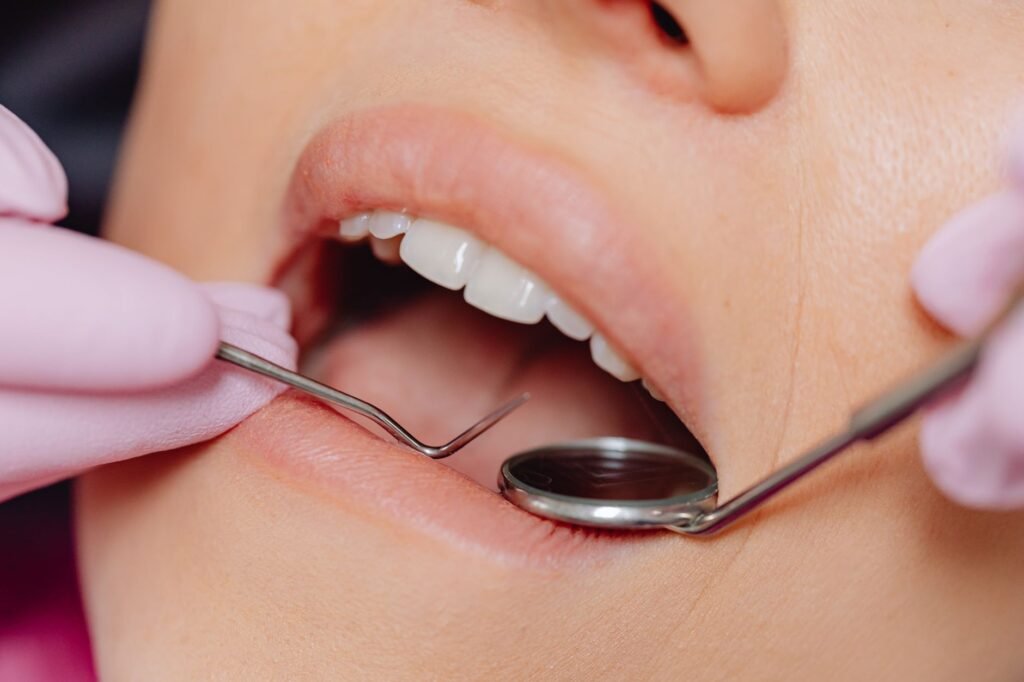
Diagnosing gum disease typically involves a comprehensive dental examination. During this process, a dentist will:
- Review your dental and medical history.
- Conduct a visual examination of the gums and teeth.
- Measure the pockets between your teeth and gums to assess the severity of any inflammation or infection.
- Take X-rays to evaluate the bone support around your teeth.
By identifying gum disease early, it becomes easier to manage and treat effectively.
Treatment Options for Gum Disease
Treatment for gum disease varies based on the severity of the condition. Some common treatment options include:
- Professional dental cleaning: A dental hygienist removes plaque and tartar from your teeth and gums.
- Scaling and root planing: A deeper cleaning technique that involves scraping away plaque and tartar from beneath the gum line and smoothing the tooth roots to help the gums reattach.
- Medications: Antibiotic gels or mouth rinses may be prescribed to help control bacterial infections.
- Surgery: In advanced cases, surgical procedures such as flap surgery or bone grafts may be necessary to restore gum health.
For instance, if John had sought treatment earlier when he noticed bleeding gums, he might have only needed a professional cleaning. Instead, he faced more invasive procedures due to delayed action.
Preventing Gum Disease
Preventing gum disease is achievable through simple yet effective practices:
- Maintain good oral hygiene: Brush teeth at least twice a day and floss daily to remove plaque.
- Regular dental visits: Schedule dental check-ups and cleanings every six months to monitor oral health.
- Healthy diet: Consume a balanced diet rich in vitamins and minerals to support gum health.
- Avoid tobacco: Quitting smoking can significantly reduce the risk of gum disease.
- Manage health conditions: Properly managing conditions like diabetes can help mitigate the risk of gum disease.
By incorporating these preventive measures, individuals can greatly reduce their risk of developing gum disease.

Impact of Gum Disease on Overall Health
Systemic Health Risks
Recent studies have increasingly shown that gum disease does not just affect oral health, but can also have significant implications for overall health. Individuals with chronic gum disease, known as periodontitis, are at a heightened risk for developing various systemic health conditions.
For instance, research has linked gum disease to cardiovascular problems. Inflammation and bacteria from the gums can enter the bloodstream, potentially leading to the formation of arterial plaque, which increases the risk of heart attacks and strokes. Additionally, people with diabetes may experience complications when they have gum disease, as the condition can make it more challenging to control blood sugar levels.
- Heart disease
- Diabetes complications
- Respiratory diseases
- Pregnancy complications
Mental Health Connections
There is also a growing understanding of the connection between gum disease and mental health. Chronic inflammation and the physical discomfort associated with gum disease can lead to stress and anxiety, which can further exacerbate oral health issues. Additionally, the embarrassment and low self-esteem due to the visible effects of gum disease, such as tooth loss or bad breath, can contribute to depression.
Maintaining good oral health, including managing gum disease, is essential for overall mental well-being. Addressing gum disease can lead to improvements not only in physical health but also in a person’s emotional and psychological state.
- Increased stress levels
- Anxiety about oral appearance
- Potential links to depression
Advanced Treatment Options for Gum Disease
Regenerative Procedures
For patients with severe gum disease, traditional treatments may not be sufficient. Advanced regenerative procedures aim to restore lost gum tissue and bone structure. One commonly used technique is guided tissue regeneration (GTR), where a barrier is placed to direct the growth of new tissue, which helps re-establish the attachment of the gums to the teeth.
Another innovative method is the use of platelet-rich plasma (PRP), which utilizes the patient’s own blood components to promote healing and regeneration of periodontal tissues. This technique harnesses growth factors that are crucial for tissue repair and can lead to improved outcomes for patients suffering from significant gum recession and bone loss.
- Guided tissue regeneration (GTR)
- Platelet-rich plasma (PRP) therapy
- Bone grafting techniques
Laser Treatments
Laser technology has revolutionized the treatment of gum disease, offering a less invasive option with quicker recovery times. Laser treatments can effectively remove infected gum tissue while preserving healthy areas, which minimizes the discomfort traditionally associated with surgical procedures.
One of the significant benefits of laser treatment is its precision. Dentists can target specific areas without affecting surrounding tissues, which promotes faster healing and reduces bleeding. Additionally, laser therapy can help in reducing the bacteria present in the mouth, which is crucial for the overall success of gum disease treatment.
- Soft tissue lasers for gum reshaping
- Hard tissue lasers for bone and tooth treatment
- Minimally invasive procedures with reduced recovery time
Home Care Strategies for Gum Disease Management
Effective Oral Hygiene Practices
While professional treatments for gum disease are essential, maintaining a rigorous home care routine is equally vital. Brushing twice a day with fluoride toothpaste is crucial, as it helps remove plaque and prevent tartar buildup. Furthermore, using a soft-bristled toothbrush can prevent damage to the gums while effectively cleaning the teeth.
Flossing daily is another important aspect of oral hygiene that many people overlook. Flossing helps remove food particles and plaque from areas that a toothbrush cannot reach, particularly between the teeth and below the gum line. For individuals with gum disease, using an antimicrobial mouthwash can provide additional benefits by reducing bacteria in the mouth.
- Brush teeth twice daily
- Floss daily
- Use an antimicrobial mouthwash
Dietary Considerations
Your diet plays a crucial role in the prevention and management of gum disease. Consuming a balanced diet rich in vitamins and minerals can strengthen your immune system and improve your oral health. Foods high in vitamin C, such as oranges and strawberries, help maintain healthy gums and support tissue repair.
On the other hand, limiting sugar intake is essential, as sugar can promote the growth of harmful bacteria in the mouth, exacerbating gum disease. Additionally, incorporating foods rich in omega-3 fatty acids, like fish, can help reduce inflammation in the body, including the gums.
- Foods rich in vitamin C
- Omega-3 fatty acids
- Limit sugary foods and beverages
Understanding the Stages of Gum Disease
Gingivitis
Gingivitis is the earliest stage of gum disease, characterized by inflammation of the gums. This condition is often reversible with proper oral hygiene. Common symptoms include redness, swelling, and occasional bleeding during brushing or flossing. If left untreated, gingivitis can progress to more severe forms of gum disease.
Periodontitis
When gingivitis is not addressed, it can develop into periodontitis, where the inflammation extends deeper into the supporting structures of the teeth. This stage may also include symptoms such as persistent bad breath, receding gums, and the formation of pockets between the teeth and gums. Early intervention is crucial, as periodontitis can lead to tooth loss.
Chronic vs. Aggressive Periodontitis
Periodontitis can be categorized into chronic and aggressive types. Chronic periodontitis is more common and typically affects adults, while aggressive periodontitis is often seen in younger individuals and can progress rapidly. The treatment approaches may differ based on the type:
- Chronic Periodontitis: Deep cleanings, scaling and root planing, and possibly surgical interventions.
- Aggressive Periodontitis: Intensive treatment plans that may include antibiotics and more frequent dental visits.

The Role of Nutrition in Gum Health
Essential Nutrients for Gum Health
Your diet plays a significant role in maintaining gum health. Certain nutrients can help reduce inflammation and promote healing. Key nutrients include:
- Vitamin C: Essential for collagen formation and tissue repair.
- Omega-3 Fatty Acids: Known for their anti-inflammatory properties, they can help reduce gum inflammation.
- Calcium and Vitamin D: Important for maintaining strong bones and supporting overall oral health.
Avoiding Harmful Foods
Just as certain foods can promote gum health, others can exacerbate gum disease. It is advisable to limit the intake of sugary snacks and beverages, as they can contribute to plaque buildup. Additionally, acidic foods may irritate already inflamed gums. Focus on a balanced diet rich in fruits, vegetables, whole grains, and lean proteins.
Hydration and Saliva Production
Staying hydrated is vital for maintaining optimal oral health. Saliva plays an important role in neutralizing acids and washing away food particles. Insufficient hydration can lead to dry mouth, increasing the risk of gum disease. Aim to drink plenty of water throughout the day and consider incorporating water-rich foods like cucumbers and oranges into your diet.
Alternative Therapies for Gum Disease
Herbal Remedies
Some individuals find relief from gum disease symptoms through herbal remedies. Herbs like chamomile, green tea, and aloe vera have anti-inflammatory properties that may soothe swollen gums. These can be used in various forms, such as rinses or topical applications. However, it is essential to consult with a dental professional before starting any herbal treatment.
Acupuncture
Acupuncture is another alternative therapy that some people explore for managing gum disease. This ancient practice may help improve blood flow and reduce inflammation in the gums. While scientific evidence on its effectiveness specifically for gum disease is limited, some patients report positive experiences.
Stress Management Techniques
Stress can negatively impact oral health, contributing to habits like teeth grinding, which can aggravate gum disease. Incorporating stress management techniques such as yoga, meditation, or deep breathing exercises can be beneficial. Here are some techniques to consider:
- Mindfulness Meditation: Helps in managing stress and improving overall well-being.
- Breathing Exercises: Simple breathing techniques can promote relaxation.
- Physical Activity: Regular exercise can significantly reduce stress levels.
For more information, see MedlinePlus.
Frequently Asked Questions
What are the early signs of gum disease?
Early signs include swollen gums, bleeding during brushing, and persistent bad breath. Recognizing these symptoms early can help prevent progression.
Can gum disease be reversed?
Gingivitis, the early stage of gum disease, can often be reversed with proper oral hygiene and professional dental care. However, periodontitis may require more extensive treatment.
Is gum disease linked to other health issues?
Yes, gum disease has been linked to various health issues, including heart disease, diabetes, and respiratory conditions, highlighting the importance of maintaining good oral health.
How often should I see a dentist for gum disease concerns?
It’s generally recommended to visit the dentist every six months for routine check-ups and cleanings, but those with gum disease may need more frequent visits.
The Bottom Line
Gum disease is a widespread and serious condition that can lead to significant dental and health problems if not addressed promptly. Understanding the symptoms, causes, and treatment options is crucial for maintaining optimal oral health. By practicing good oral hygiene and seeking regular dental care, individuals can effectively prevent gum disease and ensure healthier gums and teeth for life.
Was this page helpful?
Thanks for your feedback! What could we improve?
Thank you! Your feedback helps us improve our articles.
True Impact Health articles are written by our editorial team and based on reliable sources such as public health agencies, clinical guidelines and peer-reviewed research. This article has not yet been medically reviewed. Read our editorial process.
This content is for general information and is not a substitute for professional medical advice, diagnosis or treatment.