
















Understanding Male Hormone Imbalance: Symptoms and Solutions
Explore male hormone imbalance, its symptoms, causes, and effective treatments to regain balance and improve overall health.

Table of Contents
Key Takeaways
- Male hormone imbalance affects physical and mental health.
- Common symptoms include fatigue, mood changes, and reduced libido.
- Lifestyle changes and medical treatments can help restore balance.
- Consulting a healthcare provider is essential for diagnosis.
Male hormone imbalance is a condition that can significantly impact a man’s physical and emotional well-being. Hormones play a crucial role in regulating various bodily functions, and when there is an imbalance, it can lead to a range of symptoms that affect daily life. Understanding the causes, symptoms, and treatments for male hormone imbalance is essential for maintaining optimal health.
This article delves into the intricacies of male hormone imbalance, providing valuable insights and practical steps that men can take to manage their hormonal health effectively. Whether you are experiencing symptoms or simply looking to educate yourself, this guide aims to empower you with trusted knowledge.
From understanding how hormone levels fluctuate to recognizing the signs of imbalance, we will explore various aspects of male hormone health and the options available for treatment.
What Is Male Hormone Imbalance?
Male hormone imbalance refers to the disruption of the normal levels of hormones in the male body, primarily testosterone. Testosterone is the primary male sex hormone, and it is responsible for a variety of functions, including the development of male reproductive tissues, the promotion of secondary sexual characteristics, and the regulation of metabolism and mood.
As men age, testosterone levels naturally decline, but various factors can lead to an accelerated imbalance. These factors include lifestyle choices, medical conditions, and environmental influences. Understanding what constitutes a hormonal imbalance is crucial for identifying the right treatment strategies.
Common types of hormone imbalances in men include low testosterone (also known as hypogonadism) and elevated estrogen levels. Both can significantly affect a man’s quality of life.
Causes of Male Hormone Imbalance
Several factors contribute to male hormone imbalance. The most common causes include:
- Age: Testosterone levels typically peak in early adulthood and gradually decline with age. This natural decrease can lead to symptoms of hormone imbalance.
- Lifestyle Choices: Poor diet, lack of exercise, alcohol consumption, and smoking can negatively impact hormone levels.
- Medical Conditions: Conditions such as obesity, diabetes, and metabolic syndrome can disrupt hormonal balance.
- Stress: Chronic stress leads to elevated cortisol levels, which can inhibit testosterone production.
- Environmental Factors: Exposure to endocrine-disrupting chemicals found in plastics and pesticides can interfere with hormone levels.
Understanding these causes can help men take proactive steps in managing their hormone health.

Common Symptoms of Male Hormone Imbalance
Identifying the symptoms of male hormone imbalance is the first step toward seeking treatment. Common symptoms include:
- Fatigue: A noticeable decrease in energy levels, often accompanied by a lack of motivation.
- Decreased Libido: A reduction in sexual desire and performance can be a significant indicator of hormonal issues.
- Mood Changes: Increased irritability, anxiety, or depression can be linked to hormone fluctuations.
- Muscle Loss: Difficulty in maintaining muscle mass or strength, often due to low testosterone levels.
- Weight Gain: Unexplained weight gain, particularly around the abdomen, can also signal hormonal imbalance.
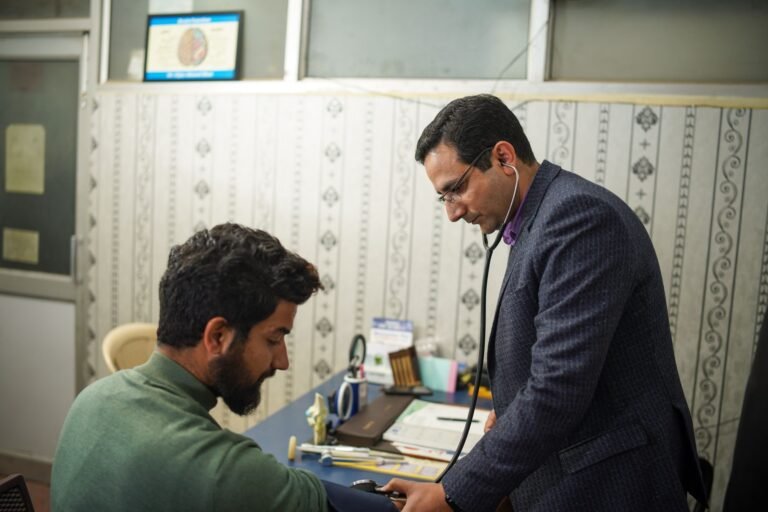
For example, consider John, a 45-year-old man who noticed he was feeling more fatigued than usual. He found it increasingly difficult to concentrate at work and had lost interest in activities he once enjoyed. After consulting with his doctor, he learned that his testosterone levels were lower than normal, indicating a hormone imbalance.
Diagnosis of Male Hormone Imbalance
Diagnosing male hormone imbalance typically involves a comprehensive evaluation that includes a detailed medical history, physical examination, and laboratory testing. Healthcare providers may conduct the following:
- Blood Tests: A blood test is performed to measure testosterone levels, along with other hormones such as luteinizing hormone (LH) and follicle-stimulating hormone (FSH).
- Symptom Assessment: Doctors will evaluate the presence and severity of symptoms to gauge the impact on the patient’s life.
- Physical Examination: A thorough examination can help identify physical signs associated with hormone imbalance, such as changes in body composition.
Based on the results, healthcare professionals can determine the most appropriate treatment plan tailored to individual needs.
Treatment Options for Male Hormone Imbalance
There are various treatment approaches available for male hormone imbalance, depending on the underlying cause and severity of symptoms. Options include:
- Lifestyle Modifications: Engaging in regular exercise, adopting a healthy diet rich in nutrients, and managing stress can significantly impact hormone levels.
- Hormone Replacement Therapy (HRT): For men diagnosed with low testosterone, HRT can help restore hormone levels. This may involve testosterone injections, patches, or gels.
- Medications: Certain medications can help address specific hormonal issues, such as aromatase inhibitors for high estrogen levels.
- Counseling: Psychological support can be beneficial for men experiencing mood changes or emotional distress due to hormonal imbalances.
Consulting a healthcare professional is essential for determining the most effective treatment option based on individual circumstances.

Prevention Strategies for Maintaining Hormonal Balance
While some factors contributing to hormone imbalance cannot be controlled, there are proactive measures that can be taken to maintain hormonal health. Consider the following strategies:
- Regular Exercise: Engaging in both aerobic and strength training exercises can help maintain optimal testosterone levels and overall health.
- Healthy Diet: Consuming a balanced diet rich in whole foods, healthy fats, and lean proteins supports hormonal balance.
- Stress Management: Practicing mindfulness, meditation, or yoga can reduce stress and lower cortisol levels, positively impacting hormone production.
- Adequate Sleep: Quality sleep is crucial for hormone regulation; aim for 7-9 hours per night.
By implementing these strategies, men can help prevent hormone imbalances and support their overall health.
Impact of Lifestyle Choices on Hormonal Balance
Dietary Influences
What we consume plays a crucial role in regulating hormone levels. A diet high in processed foods, sugars, and unhealthy fats can lead to inflammation and hormonal disruption. Conversely, incorporating whole foods, lean proteins, healthy fats, and plenty of fruits and vegetables can support hormonal health. It’s important to focus on nutrient-dense foods that provide essential vitamins and minerals.
Here are some dietary tips to consider for maintaining hormonal balance:
- Include omega-3 fatty acids from sources like fish and flaxseeds.
- Eat a variety of colorful fruits and vegetables to provide antioxidants.
- Limit refined sugars and processed foods to reduce inflammation.
- Incorporate whole grains for sustained energy and fiber.
- Stay hydrated with adequate water intake throughout the day.
Exercise and Physical Activity
Regular physical activity is essential for maintaining healthy hormone levels. Exercise helps regulate insulin sensitivity, boosts testosterone production, and reduces stress levels, all of which contribute to hormonal balance. Incorporating both aerobic exercises and strength training into your routine can yield the best results.
Consider these exercise recommendations to support hormonal health:
- Aim for at least 150 minutes of moderate aerobic exercise, such as walking or cycling, every week.
- Include strength training exercises at least twice a week to build muscle mass.
- Incorporate flexibility and balance exercises, like yoga or tai chi, to reduce stress.
- Find activities you enjoy to stay motivated and engaged.
The Role of Sleep in Hormonal Regulation
Sleep is often overlooked but is a critical factor for maintaining hormonal balance. Poor sleep quality or insufficient sleep can lead to elevated cortisol levels, which can negatively affect testosterone and other hormones. Aiming for 7 to 9 hours of quality sleep each night can significantly impact overall health and hormonal stability.
To improve sleep quality, consider the following strategies:
- Establish a consistent sleep schedule by going to bed and waking up at the same time each day.
- Create a relaxing bedtime routine to signal your body that it’s time to wind down.
- Limit exposure to screens and blue light in the hour leading up to bedtime.
- Ensure your sleeping environment is cool, dark, and quiet.

Understanding the Connection Between Stress and Hormonal Imbalance
Effects of Chronic Stress
Chronic stress is one of the leading contributors to hormonal imbalance in men. When the body is under constant stress, it produces excess cortisol, which can disrupt the production of other hormones like testosterone. This imbalance can lead to various symptoms, including fatigue, weight gain, and mood swings.
Recognizing stress triggers and managing them effectively is vital for maintaining hormonal health. Here are some common stress management techniques:
- Practice mindfulness and meditation to promote relaxation.
- Engage in hobbies and activities that bring joy and fulfillment.
- Limit caffeine and alcohol intake, which can exacerbate stress levels.
- Consider talking to a therapist or counselor for professional support.
Mindfulness and Mental Health
Mindfulness practices can have a profound effect on reducing stress and promoting hormonal balance. Techniques such as meditation, deep breathing exercises, and yoga can help calm the mind and body, decreasing cortisol levels and enhancing overall well-being. Regular practice can lead to improved focus, emotional regulation, and resilience against stress.
To incorporate mindfulness into your daily routine, try:
- Setting aside time each day for meditation or deep breathing exercises.
- Incorporating yoga or tai chi to enhance physical and mental flexibility.
- Using guided meditation apps to help you stay consistent.
- Finding a supportive community or class to deepen your practice.
The Importance of Social Connections
Social support and connections can significantly impact stress levels and overall hormone balance. Positive relationships can serve as a buffer against stress, promoting emotional well-being. Engaging with friends, family, and community provides a sense of belonging and reduces feelings of isolation.
To strengthen social connections, consider these tips:
- Make an effort to connect with friends regularly, whether through calls, texts, or in-person meetings.
- Join clubs or groups that align with your interests to meet new people.
- Volunteer for community service to build relationships while giving back.
- Participate in group activities or sports to foster camaraderie.
Alternative Therapies for Hormonal Balance
Herbal Supplements
Herbal supplements have gained popularity as natural alternatives to support hormonal balance. Certain herbs have been shown to help regulate testosterone levels and alleviate symptoms associated with hormonal imbalance. However, it’s essential to consult with a healthcare provider before starting any supplement regimen.
Some commonly used herbs include:
- Fenugreek: May help increase testosterone levels and improve libido.
- Ashwagandha: Known for its adaptogenic properties, it may help reduce stress and improve hormonal balance.
- Tribulus Terrestris: Often used to enhance libido and support testosterone levels.
- Ginseng: Can improve energy levels and reduce fatigue, promoting overall hormonal health.
Acupuncture and Traditional Chinese Medicine
Acupuncture, a key component of Traditional Chinese Medicine (TCM), has been shown to help restore balance to the body’s systems, including hormonal regulation. By targeting specific acupuncture points, practitioners aim to alleviate stress and promote overall wellness. Some studies suggest acupuncture may positively influence testosterone levels, but more research is needed.
Incorporating TCM practices may involve:
- Regular acupuncture sessions to address specific health concerns.
- Consulting with a TCM practitioner for personalized herbal remedies.
- Incorporating dietary principles from TCM that emphasize balance and harmony.
Mind-Body Practices
Engaging in mind-body practices such as yoga, tai chi, or qigong can offer benefits for hormonal balance. These practices integrate physical movement, breath control, and meditation, which can help reduce stress and promote relaxation. Regular participation can lead to improved hormonal health, emotional regulation, and overall well-being.
To effectively incorporate mind-body practices, you might:
- Join a local class or find online resources to guide your practice.
- Set aside a specific time each week dedicated to mind-body exercises.
- Explore different styles to find what resonates best with you.
For more information, see MedlinePlus.
Frequently Asked Questions
What are the signs of hormone imbalance in men?
Signs of hormone imbalance in men include fatigue, decreased libido, mood changes, muscle loss, and unexplained weight gain.
How can I test for hormone imbalance?
A healthcare provider can conduct blood tests to measure testosterone and other hormone levels to diagnose hormone imbalance.
Can lifestyle changes help with hormone balance?
Yes, lifestyle changes such as regular exercise, a healthy diet, and stress management can significantly improve hormone balance.
When should I see a doctor about hormone imbalance?
Consult a doctor if you experience persistent symptoms associated with hormone imbalance, such as extreme fatigue or mood swings.
The Bottom Line
Male hormone imbalance is a significant health concern that can affect various aspects of life. Understanding the causes, recognizing the symptoms, and seeking appropriate treatment are essential steps in managing this condition. By adopting healthy lifestyle choices and consulting healthcare professionals, men can take control of their hormonal health and improve their overall quality of life.
Was this page helpful?
Thanks for your feedback! What could we improve?
Thank you! Your feedback helps us improve our articles.
True Impact Health articles are written by our editorial team and based on reliable sources such as public health agencies, clinical guidelines and peer-reviewed research. This article has not yet been medically reviewed. Read our editorial process.
This content is for general information and is not a substitute for professional medical advice, diagnosis or treatment.