











Neck pain
Neck pain is common and often treatable; learn causes, self‑care tips, when to see a doctor, and prevention strategies in this comprehensive guide.
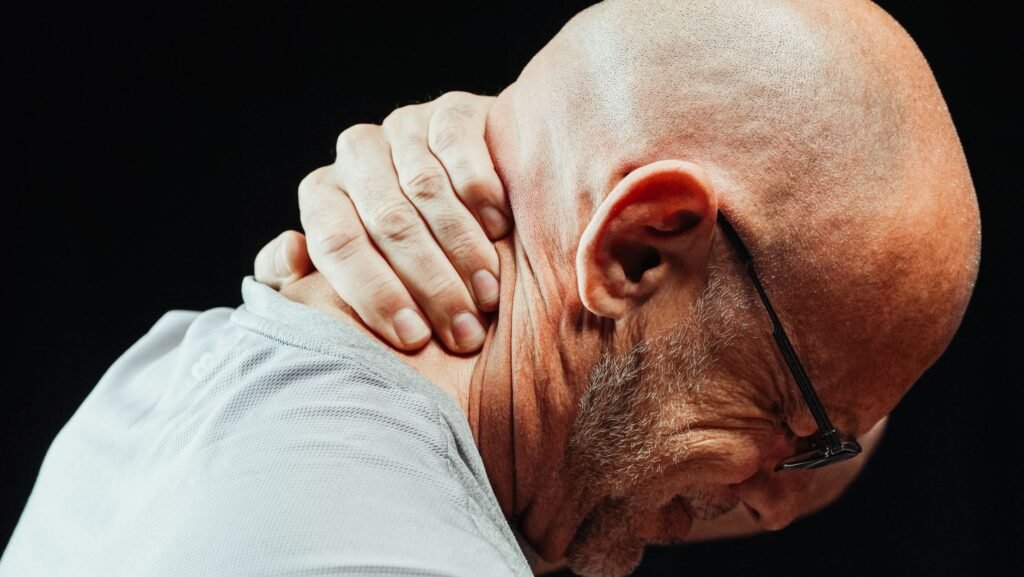
Table of Contents
Key Takeaways
- Neck pain usually stems from muscle strain, posture, or spinal issues.
- Gentle stretching, heat, and good ergonomics can relieve most mild cases.
- Seek medical help for persistent pain, numbness, or loss of function.
- Regular exercise and proper sleep support long‑term neck health.
Neck pain is a frequent complaint that can affect anyone, from office workers to athletes. It often starts as a dull ache but can become sharp or radiate into the shoulders and arms. Understanding why it happens and how to manage it can reduce anxiety and speed recovery.
In this guide we break down the most common reasons for neck pain, practical self‑care steps, when professional help is needed, and lifestyle changes that keep the neck healthy over the long term. All information is based on current public health guidance and is meant for general education.
Understanding Neck Pain
What Is Neck Pain?
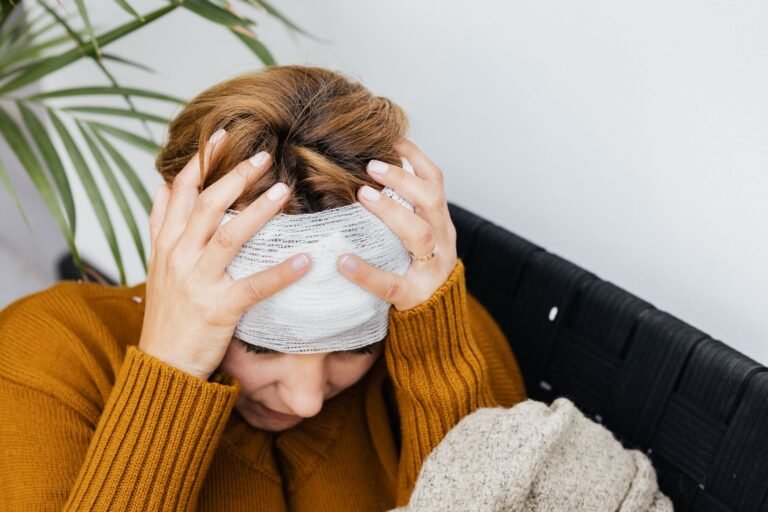
Neck pain refers to discomfort, soreness, or stiffness in the cervical region of the spine, which runs from the base of the skull to the upper back. The pain may be localized to a small spot or spread over a larger area. It can be acute (lasting a few days to weeks) or chronic (persisting for three months or more).
How Common Is It?
Most adults experience neck pain at some point in their lives, especially those who spend long hours at a desk or look down at mobile devices. While exact numbers vary by country, health agencies consistently report that neck discomfort ranks among the top musculoskeletal complaints.
Why It Matters
Even mild neck pain can interfere with daily activities, sleep quality, and overall mood. In rare cases, it signals a more serious condition that requires prompt evaluation. Recognising the pattern of your symptoms helps you decide whether home care is enough or a clinician’s assessment is warranted.
Common Causes
Muscle Strain
Over‑use or sudden movements can stretch or tear the small muscles that support the neck. Common triggers include lifting heavy objects, sleeping in an awkward position, or sudden jerks during sports.
Poor Posture
Modern lifestyles often involve hunching over computers, phones, or tablets. This forward head posture places extra load on the cervical spine, leading to chronic tension and pain.
Cervical Spine Conditions
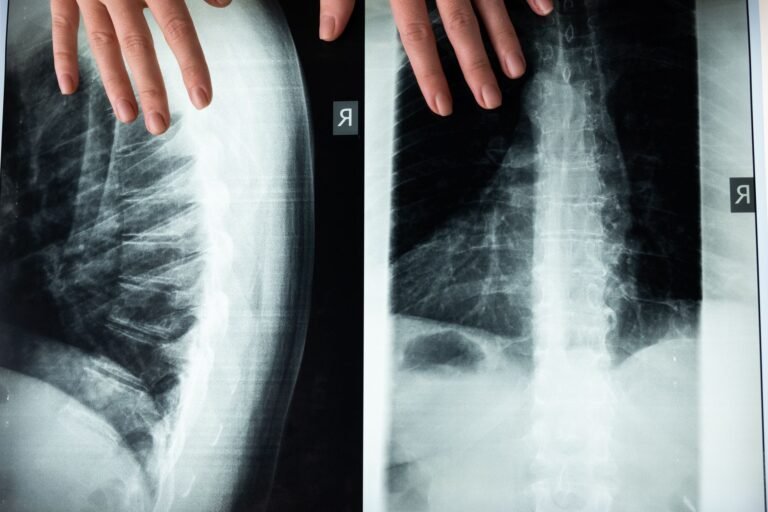
Degenerative changes such as osteoarthritis, herniated discs, or spinal stenosis can compress nerves and cause aching, tingling, or weakness that radiates down the arms.
| Cause | Typical Symptoms | First‑Line Self‑Care |
|---|---|---|
| Muscle strain | Localized soreness, stiffness, pain after activity | Rest, gentle stretching, heat |
| Poor posture | Gradual ache, tension behind ears | Ergonomic adjustments, posture breaks |
| Disc herniation | Pain radiating to shoulder/arm, numbness | Medical evaluation needed |

When to Seek Medical Attention
Most neck discomfort improves with simple home measures, but certain signs indicate a need for professional evaluation. Red‑flag symptoms include:
- Sudden, severe pain after trauma
- Numbness, tingling, or weakness in the arms or hands
- Fever, unexplained weight loss, or night sweats
- Difficulty swallowing or speaking
If any of these occur, contact a healthcare provider promptly. For ongoing pain that lasts more than a few weeks despite self‑care, scheduling a visit is advisable. Trusted resources such as MedlinePlus offer reliable guidance on when to see a doctor.
Self‑Care Strategies
Gentle Stretching
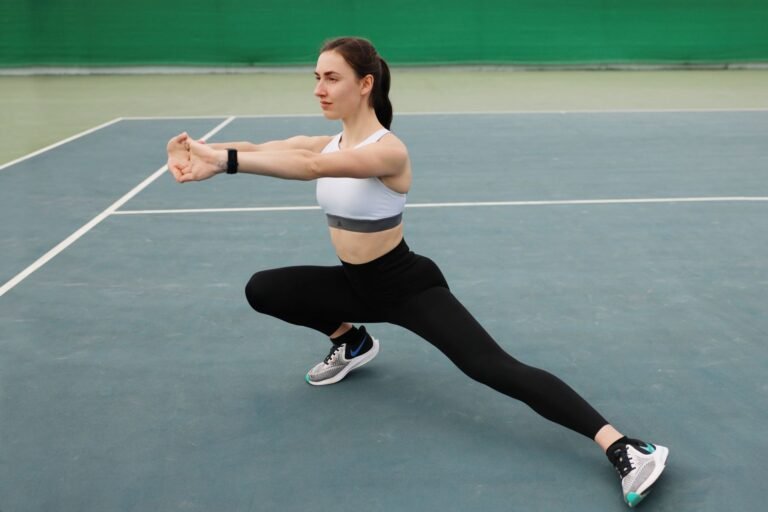
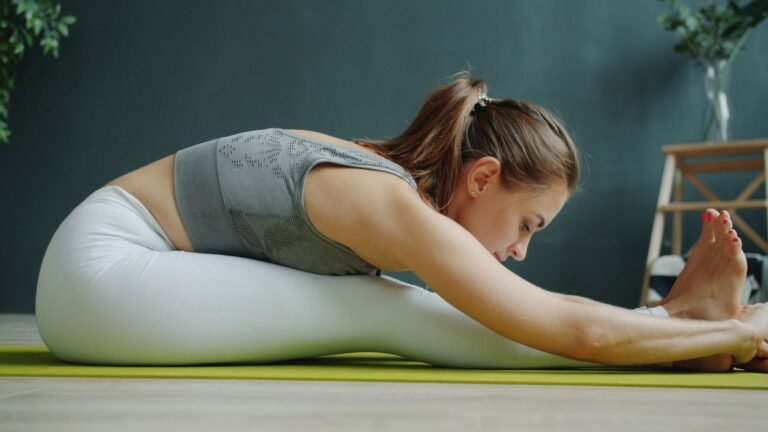
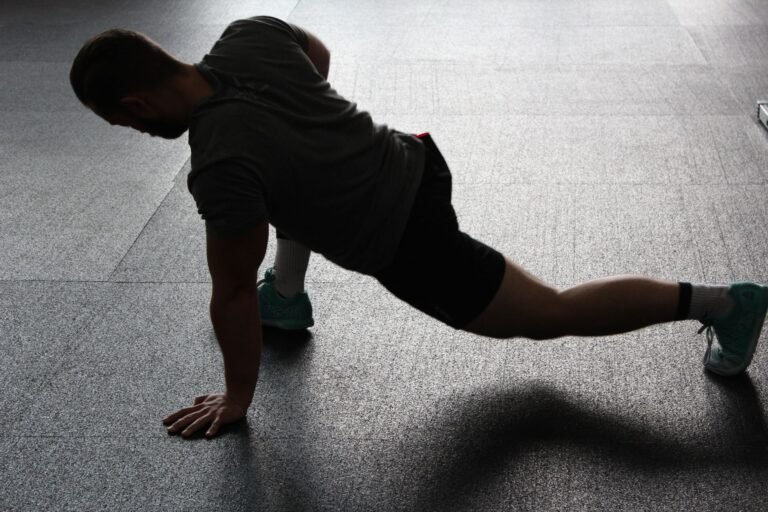
Slow, controlled stretches can improve flexibility and reduce muscle tension. Examples include the chin‑to‑chest stretch, side‑to‑side neck tilt, and upper trapezius stretch. Hold each position for 15‑30 seconds and repeat 3‑5 times, avoiding any movement that causes sharp pain.
Heat and Cold Therapy
Applying a cold pack for the first 24‑48 hours after an injury can lessen inflammation. After that period, switching to a warm compress or heating pad helps relax tight muscles and increase blood flow.
Over‑the‑Counter Options
Non‑prescription pain relievers such as ibuprofen or acetaminophen may ease discomfort, but they should be used according to the label and not exceed recommended doses. Topical analgesic creams can also provide localized relief.
Professional Treatments
Physical Therapy
Licensed physical therapists design individualized programs that combine manual therapy, strengthening exercises, and education on posture. Regular sessions often lead to faster recovery and reduced recurrence.
Medications
For moderate to severe pain, a doctor may prescribe muscle relaxants, short courses of stronger anti‑inflammatories, or nerve‑targeting medications. These are prescribed based on the specific diagnosis and health history.
Injections and Surgery
In cases where nerve compression causes significant weakness or loss of function, corticosteroid injections or surgical decompression may be considered. These options are usually explored only after conservative measures have failed.
Lifestyle Adjustments to Prevent Recurrence
Ergonomic Workspaces
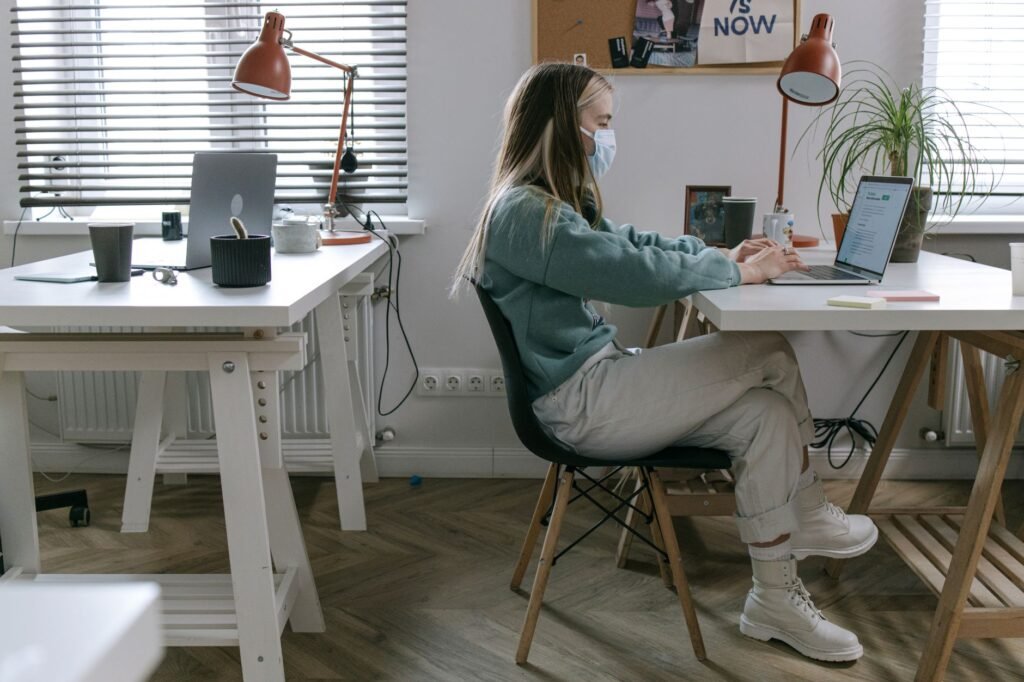
Position computer monitors at eye level, use a chair with lumbar support, and keep the keyboard and mouse close enough to avoid reaching. Taking brief “micro‑breaks” every 20‑30 minutes to stand, stretch, or look away from the screen reduces static loading on neck muscles.
Sleep Hygiene
A supportive pillow that maintains the natural curve of the neck is essential. Side sleepers often benefit from a pillow that fills the space between the head and shoulder, while back sleepers may prefer a thinner pillow.
Exercise and Strengthening
Regular aerobic activity improves overall circulation, while specific neck‑strengthening moves, such as chin tucks, scapular squeezes, and resisted neck extensions, enhance muscular endurance. Aim for at least three sessions per week.
Ergonomic Considerations for Desk Work
Optimizing Monitor Placement
Position the top of the computer screen at or slightly below eye level to maintain a neutral neck posture. This arrangement reduces the need to tilt the head forward, which can increase cervical strain over time. The screen should be about an arm’s length away, allowing the eyes to focus without excessive accommodation. Adjusting the monitor height and distance can be done with a simple monitor riser or a stack of books.
When using multiple monitors, align them so that the primary screen is directly in front and secondary screens are angled minimally. This prevents frequent side‑to‑side head turns that may aggravate neck muscles. If a laptop is the main device, consider a separate keyboard and mouse to keep the screen at the proper height while typing.
- Top of screen at eye level
- Screen ~50‑70 cm away
- Primary monitor directly ahead
Chair and Desk Height Alignment
A chair that supports the natural curve of the spine helps keep the neck in a relaxed position. Adjust the seat height so that feet rest flat on the floor and knees form a 90‑degree angle. The desk surface should allow the elbows to rest close to the body with forearms parallel to the floor.
Using a lumbar roll or a small pillow can fill gaps in lower back support, encouraging an upright posture that reduces forward head carriage. Periodically check that the backrest angle is not too reclined, as excessive recline can cause the shoulders to roll forward, pulling the neck into flexion.
- Seat height: feet flat, knees 90°
- Elbows at desk level
- Lumbar support for upright posture
Micro‑breaks and Movement Strategies
Incorporate brief micro‑breaks every 20‑30 minutes to reset neck muscles and improve circulation. Stand, stretch the neck gently side‑to‑side, and roll the shoulders backward to counteract static loading.
Employ the 20‑20‑20 rule for visual fatigue: after 20 minutes of screen work, look at something 20 feet away for 20 seconds. This habit also encourages subtle head movement, reducing prolonged static positioning.
- Micro‑break every 20‑30 min
- Neck side‑to‑side stretch
- 20‑20‑20 visual rule

Neck Pain in Specific Populations
Older Adults
Age‑related degeneration of cervical discs and facet joints can predispose seniors to chronic neck discomfort. Osteophyte formation and reduced disc hydration limit motion and increase susceptibility to strain during everyday activities.
When prescribing exercises, prioritize low‑impact, controlled movements that emphasize proprioception and gentle strengthening. Activities such as water‑based aerobics or tai chi can improve neck stability without imposing high joint loads.
- Degenerative disc changes
- Gentle strengthening focus
- Low‑impact aerobic options
Children and Adolescents
Heavy backpacks, prolonged handheld device use, and poor posture during school hours contribute to neck pain in younger individuals. The developing cervical spine is more flexible but also more vulnerable to repetitive micro‑trauma.
Educators and parents should enforce backpack weight limits (no more than 10‑15% of body weight) and encourage the use of both straps. Limiting continuous screen time and promoting regular posture checks can prevent early onset discomfort.
- Backpack weight <15% body mass
- Both shoulder straps
- Screen time breaks every 30 min
Pregnant Individuals
Hormonal changes during pregnancy increase ligament laxity, while the growing abdomen shifts the center of gravity forward. These factors place additional load on cervical muscles as the body compensates for altered posture.
Supportive pillows for sleeping, especially a wedge pillow to maintain neutral neck alignment, can reduce nocturnal pain. Prenatal yoga classes that include cervical mobility drills are often safe and beneficial, but any new exercise should be cleared with a health provider.
- Increased ligament laxity
- Forward shift of center of gravity
- Prenatal yoga with cervical focus
Integrative and Complementary Therapies
Therapeutic Massage and Myofascial Release
Targeted soft‑tissue techniques can alleviate muscle tension, improve blood flow, and reduce pain perception in the neck region. Clinical guidelines suggest a series of 30‑ to 60‑minute sessions for moderate acute pain, followed by reassessment.
Practitioners should screen for contraindications such as recent cervical fractures, severe osteoporosis, or active infection before initiating treatment. Combining massage with patient‑guided stretching often yields better functional outcomes.
- 30‑60 min sessions
- Screen for contraindications
- Combine with home stretching
Acupuncture and Dry Needling
Both modalities involve inserting fine needles at specific points to modulate neural pathways and reduce muscle hyperactivity. Systematic reviews indicate modest pain relief for neck pain when performed by licensed professionals.
Patients should be informed about the need for multiple sessions, typically 6‑8 weekly visits, to achieve measurable benefits. Sterile technique and appropriate needle depth are essential to minimize risk.
- Modest pain reduction
- 6‑8 weekly sessions
- Licensed practitioner required
Mind‑Body Approaches
Techniques such as mindfulness‑based stress reduction (MBSR) and guided relaxation can lower perceived pain intensity by altering central pain processing. Regular practice, even 10 minutes per day, has been associated with decreased muscle tension in the cervical area.
Integrating these practices with conventional physical therapy may enhance adherence and overall outcomes. Resources include smartphone apps, community classes, and online guided meditations.
- 10‑min daily practice
- Reduces central pain perception
- Complementary to PT
Frequently Asked Questions
Can I drive with neck pain?
Most mild neck discomfort does not impair driving, but if pain limits head rotation or causes dizziness, it is safest to postpone driving until symptoms improve or you have been cleared by a professional.
Is it normal for neck pain to radiate to the arm?
Radiating pain can occur with nerve irritation from a disc issue or muscle spasm. While occasional mild tingling may be benign, persistent or worsening radiating symptoms warrant medical evaluation.
How long should I rest before returning to activity?
Initial rest for 24‑48 hours is helpful after an acute strain. After that, gradual re‑introduction of normal activities, combined with stretching and strengthening, usually prevents stiffness. Complete avoidance of movement for more than a few days can actually prolong recovery.
Do neck braces help?
Short‑term use of a soft collar may provide comfort after a minor injury, but prolonged reliance can weaken neck muscles. Most clinicians recommend using a brace only under guidance and for limited periods.
The Bottom Line
Neck pain is often caused by simple, reversible factors such as muscle strain or poor posture. Basic self‑care, stretching, heat or cold, and ergonomic adjustments, helps most people recover quickly. However, persistent, severe, or radiating pain should prompt a medical review to rule out serious underlying conditions. By incorporating regular movement, proper sleep support, and mindful workstation setup, you can protect your neck and enjoy everyday activities without discomfort.
Was this page helpful?
Thanks for your feedback! What could we improve?
Thank you! Your feedback helps us improve our articles.
True Impact Health articles are written by our editorial team and based on reliable sources such as public health agencies, clinical guidelines and peer-reviewed research. This article has not yet been medically reviewed. Read our editorial process.
This content is for general information and is not a substitute for professional medical advice, diagnosis or treatment.