




Muscle strain
Muscle strain guide: learn causes, symptoms, first‑aid steps, treatment options and prevention tips for a speedy recovery.
Table of Contents
Key Takeaways
- Muscle strains range from mild overstretching to complete tears.
- RICE (rest, ice, compression, elevation) is the first‑aid cornerstone.
- Physical therapy and gradual loading speed up healing.
- Proper warm‑up, technique and strength training help prevent future strains.
When you feel a sudden tug or sharp pain during activity, you may be dealing with a muscle strain. A muscle strain occurs when fibers in a muscle are stretched beyond their normal limits, sometimes tearing the tissue. Most people experience a strain at some point, whether lifting a grocery bag, playing sports, or simply reaching for an object on a high shelf.
Understanding what a muscle strain is, how it presents, and what steps to take can reduce anxiety and speed up recovery. This guide explains the basics, offers practical first‑aid advice, outlines treatment options, and provides prevention strategies so you can get back to your daily routine safely.
What Is a Muscle Strain?
Definition
A muscle strain, also called a pulled muscle, is damage to muscle fibers caused by excessive tension or a sudden forceful contraction. The injury can involve microscopic tears (grade I), partial tears (grade II), or a complete rupture (grade III). The severity determines pain level, loss of function, and healing time.
Common Causes
Most strains happen during activities that require rapid acceleration, deceleration, or a change in direction. Typical scenarios include:
- Running or sprinting without adequate warm‑up
- Heavy lifting with poor technique
- Sudden twisting or pivoting in sports like soccer or basketball
- Repetitive motions such as typing or playing a musical instrument
Age, fatigue, and previous injuries also increase susceptibility because muscles become less elastic and more prone to tearing.
Grades of Strain
Healthcare professionals classify strains into three grades:
- Grade I: Mild overstretching with few fibers torn. Pain is mild, and strength is largely preserved.
- Grade II: Partial tear with moderate pain, swelling, and noticeable weakness.
- Grade III: Complete rupture of the muscle, causing severe pain, bruising, and loss of function. Surgical repair may be required.
Knowing the grade helps guide treatment and set realistic recovery expectations.
Signs and Symptoms
Symptoms vary with the strain’s severity but typically include:
- Sudden sharp pain at the time of injury
- Muscle stiffness or tightness
- Swelling or bruising around the affected area
- Weakness when trying to use the muscle
- Limited range of motion
- A “popping” or “snapping” sensation (more common in grade III)
Symptoms may not be fully apparent for several hours, especially if adrenaline masks the pain. Monitoring changes over the first 24‑48 hours helps determine whether professional care is needed.
When to Seek Medical Help
Most mild strains can be managed at home, but you should contact a doctor or qualified health professional if you notice any of the following:
- Intense pain that does not improve with rest and ice
- Visible deformity or a gap in the muscle
- Severe swelling or bruising spreading quickly
- Inability to bear weight or move the limb
- Persistent weakness after a few days of self‑care
Professional evaluation may include a physical exam, ultrasound, or MRI to rule out other injuries such as ligament sprains or fractures.
Immediate First‑Aid: The RICE Method
The cornerstone of early care for a muscle strain is the RICE protocol, Rest, Ice, Compression, Elevation. Applying these steps within the first 48 hours reduces inflammation and limits tissue damage.
Rest
Avoid activities that cause pain. Gentle movement is okay if it does not aggravate the injury; however, complete rest of the affected muscle for 24‑48 hours is advisable.
Ice
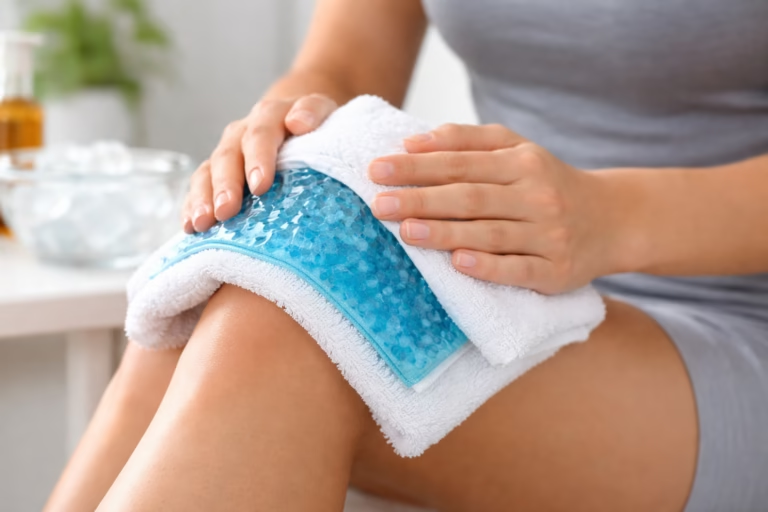
Apply an ice pack wrapped in a thin cloth for 15‑20 minutes every 2‑3 hours. Ice constricts blood vessels, decreasing swelling and numbing pain. Do not apply ice directly to the skin to prevent frostbite.
Compression
Use an elastic bandage or compression sleeve to provide gentle pressure. The bandage should be snug but not so tight that it causes numbness or tingling.
Elevation
Raise the injured limb above heart level when possible. Elevation helps drain excess fluid and reduces swelling.
After the initial 48‑hour window, you can transition to gentle stretching and heat therapy to promote blood flow.
Treatment Options
Rest and Activity Modification
Beyond the first‑aid phase, gradual reintroduction of activity is crucial. Start with low‑impact movements such as walking or stationary cycling, then progress to sport‑specific drills once pain subsides.
Physical Therapy
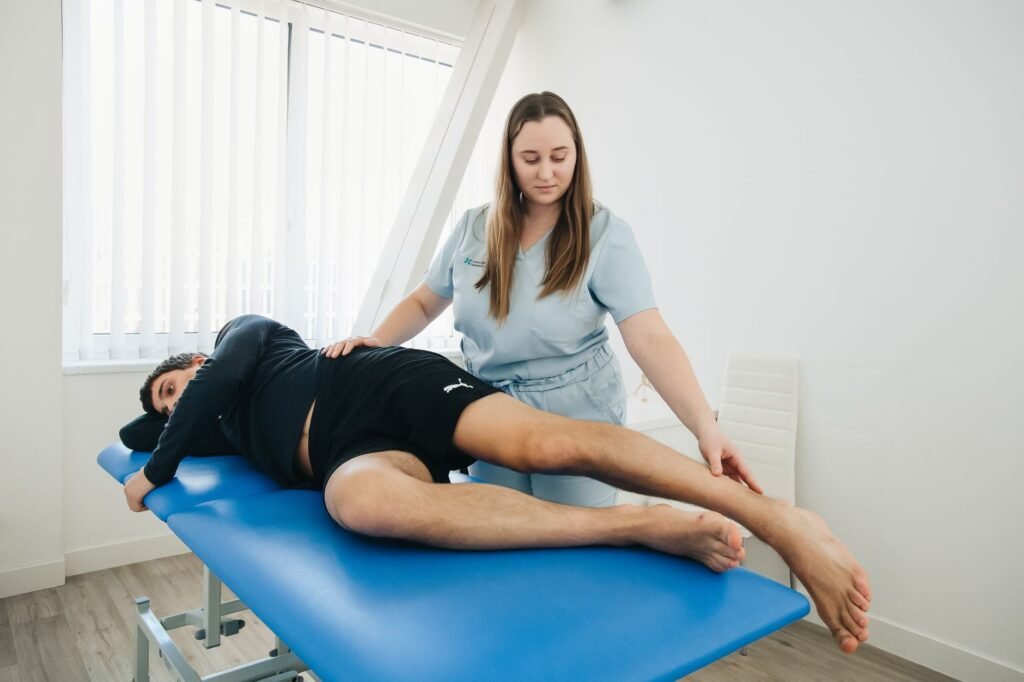
Physical therapists design individualized programs that include:
- Gentle stretching to restore flexibility
- Strengthening exercises targeting the injured muscle and surrounding stabilizers
- Proprioceptive training to improve coordination
- Manual therapy techniques to reduce scar tissue
Consistent therapy accelerates healing and reduces the risk of re‑injury.
Medications and Over‑the‑Counter Options
Non‑prescription pain relievers such as acetaminophen or non‑steroidal anti‑inflammatory drugs (NSAIDs) can help manage pain and inflammation. Use these medications as directed on the label, and consult a pharmacist if you have underlying health conditions.
In some cases, a doctor may prescribe muscle relaxants or recommend a short course of corticosteroid injection for severe inflammation, but these decisions are made on an individual basis.
For reliable, general information on muscle injuries, you can visit the MedlinePlus website.
Recovery Timeline and Rehabilitation
Recovery time varies with strain grade, location, age, and adherence to rehab protocols. The table below offers typical timelines, but individual experiences may differ.
| Grade | Typical Recovery Time | Key Rehab Focus |
|---|---|---|
| Grade I | 1‑2 weeks | Gentle stretching, light strengthening |
| Grade II | 3‑6 weeks | Progressive loading, functional exercises |
| Grade III | 8‑12 weeks or more | Surgical repair (if needed), intensive PT |
Returning to full activity too quickly can cause setbacks. A good rule of thumb is to resume sport‑specific movements only when you can perform them without pain, swelling, or loss of strength.
Prevention Strategies
Most strains are preventable with proper preparation and ongoing care. Consider the following evidence‑based practices:
- Warm‑up adequately: Spend 5‑10 minutes on low‑intensity cardio followed by dynamic stretches that mimic the upcoming activity.
- Strengthen supporting muscles: Balanced strength programs reduce overload on any single muscle group.
- Maintain flexibility: Regular static stretching after workouts helps preserve muscle length.
- Use correct technique: Whether lifting weights or running, proper form minimizes undue stress.
- Gradual progression: Increase intensity, duration, or load by no more than 10 % per week.
- Stay hydrated and nourished: Adequate fluid and electrolyte balance support muscle function.
Incorporating these habits into daily routines builds resilience and lowers the likelihood of future strains.
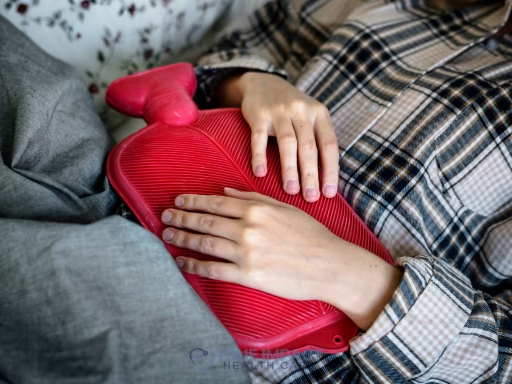
Apply ice for 20 minutes, then switch to gentle heat after 48 hours to promote circulation.
The Biological Phases of Muscle Healing
When a muscle fiber is torn, the body initiates a coordinated repair process that can be divided into three overlapping phases. Understanding these phases helps clinicians and athletes choose interventions that match the tissue’s needs at each stage.
Inflammatory Phase
This phase begins within minutes of injury and typically lasts 24 to 72 hours. Blood vessels rupture, allowing inflammatory cells to flood the area, remove debris, and release cytokines that trigger healing. Swelling and pain are common because chemical mediators increase nerve sensitivity. The goal of treatment during this window is to control excess inflammation while preserving the natural cleaning function.
Proliferation Phase
From about day three to two weeks, fibroblasts proliferate and synthesize collagen to form a temporary scar matrix. New capillaries develop, delivering nutrients needed for tissue remodeling. The scar tissue is initially disorganized, making the muscle vulnerable to re‑injury if stressed too early. Gentle, controlled loading can stimulate alignment of collagen fibers, improving tensile strength.
Remodeling Phase
Starting around the third week and extending for several months, the scar tissue undergoes maturation. Collagen fibers re‑orient along lines of stress, and excess cells undergo apoptosis, reducing bulk. Mechanical loading through progressive exercise is essential to convert the weak scar into functional muscle. Adequate rest, nutrition, and gradual progression are critical to avoid chronic stiffness.
- Inflammatory phase: 0‑3 days, focus on pain control and gentle motion.
- Proliferation phase: 3‑14 days, introduce low‑intensity activation.
- Remodeling phase: 3 weeks‑6 months, advance strength and endurance work.
Nutrition and Supplements to Support Muscle Repair
Dietary intake provides the substrates required for each healing phase. While calories must meet overall energy expenditure, the composition of macronutrients and micronutrients directly influences protein synthesis, inflammation, and collagen formation.
Macronutrients: Protein and Carbohydrates
Protein supplies essential amino acids that drive muscle protein synthesis. Research suggests 1.6‑2.2 g per kilogram of body weight per day for active individuals recovering from strain. Carbohydrates replenish glycogen stores, which fuel fibroblast activity and support the immune response. Pairing protein with a moderate carbohydrate source within the first two hours after activity can enhance anabolic signaling.
Micronutrients and Anti‑Inflammatory Foods
Vitamin C, zinc, and copper act as cofactors in collagen cross‑linking, strengthening the new scar tissue. Omega‑3 fatty acids from fatty fish or flaxseed modulate the inflammatory cascade, potentially reducing excessive swelling. Including colorful fruits, leafy greens, and nuts provides antioxidants that limit oxidative stress during repair.
Supplement Considerations
Creatine monohydrate has been shown to improve muscle power and may aid recovery when combined with resistance training. Branched‑chain amino acids can supplement dietary protein, especially in low‑calorie situations, but whole‑food sources remain preferable. Any supplement should be discussed with a healthcare professional to avoid interactions with medications.
- High‑quality protein sources: lean poultry, eggs, dairy, legumes.
- Complex carbohydrates: whole grains, sweet potatoes, quinoa.
- Anti‑inflammatory foods: salmon, walnuts, berries, olive oil.
Guidelines for Safe Return to Activity
Returning to sport or heavy labor too soon raises the risk of re‑injury and chronic weakness. A structured protocol that combines functional testing, progressive loading, and ongoing monitoring provides the safest pathway back to full performance.
Functional Testing
Before resuming full activity, athletes should pass objective tests that assess strength, flexibility, and neuromuscular control. Examples include single‑leg hop distance, isometric mid‑thigh pull, and dynamic stretching range. Passing criteria typically require at least 90 % of the uninjured side or baseline values measured before injury.
Gradual Loading Progression
Loading should follow a stepwise increase in volume and intensity, often described by the “10 % rule”, no more than a ten‑percent rise in workload per session. Early sessions emphasize low‑impact, high‑repetition movements, while later phases incorporate sport‑specific drills at increasing speed. Rest days are essential to allow tissue adaptation.
Monitoring and Adjustments
Pain, swelling, or loss of strength during a session signals that the load may be excessive. Keeping a training log that records perceived exertion, soreness, and performance metrics helps clinicians spot trends. If setbacks occur, the program should be back‑tracked to the last tolerated step before advancing again.
- Strength benchmark: ≥90 % of pre‑injury unilateral leg press.
- Flexibility benchmark: within 5° of baseline hamstring stretch.
- Endurance benchmark: complete sport‑specific interval without pain.
Frequently Asked Questions
Can I exercise with a mild muscle strain?
Yes, low‑impact activities that do not stress the injured muscle are usually safe. Walking, swimming, or using a stationary bike can maintain cardiovascular fitness while allowing the muscle to heal.
How long will the bruising last?
Bruising may appear within 24‑48 hours and can persist for up to two weeks. It fades as the body reabsorbs blood from the damaged tissue.
Is massage helpful for a strained muscle?
Gentle massage after the acute inflammation phase (typically after 48‑72 hours) can improve blood flow and reduce stiffness. Deep tissue work should be avoided until the muscle has begun to heal.
When is surgery necessary?
Surgery is usually reserved for grade III tears where the muscle is completely ruptured, or for chronic strains that do not improve with conservative treatment after several months.
The Bottom Line
Muscle strain is a common injury that ranges from a mild pull to a complete tear. Prompt first‑aid with RICE, followed by a structured rehabilitation plan, leads to the best outcomes. By understanding the signs, seeking professional care when needed, and adopting preventive habits, you can recover quickly and reduce the risk of future strains.
Was this page helpful?
Thanks for your feedback! What could we improve?
Thank you! Your feedback helps us improve our articles.
True Impact Health articles are written by our editorial team and based on reliable sources such as public health agencies, clinical guidelines and peer-reviewed research. This article has not yet been medically reviewed. Read our editorial process.
This content is for general information and is not a substitute for professional medical advice, diagnosis or treatment.