















The Emt Should Be Most Concerned When a Child Presents with Fever
Fever is one of the most common triggers for parents to call emergency medical services (EMS). In pediatric patients, elevated temperature is usually a...
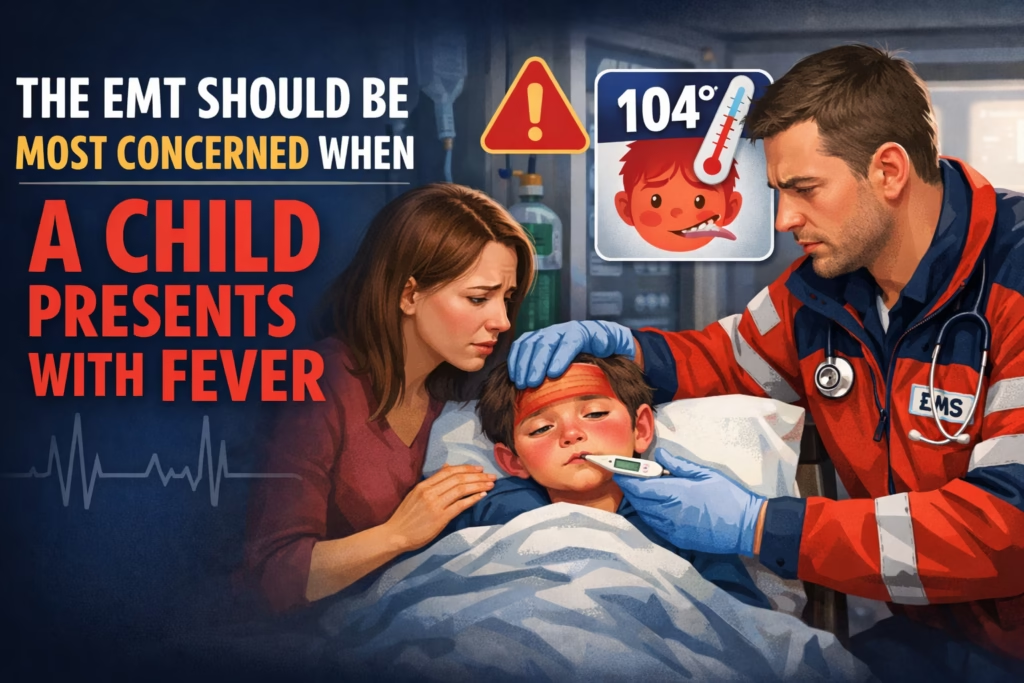
Table of Contents
Introduction
Fever is one of the most common triggers for parents to call emergency medical services (EMS). In pediatric patients, elevated temperature is usually a benign physiological response to infection, most often viral and resolves without complication. However, fever can also be the presenting indicator of severe, time-sensitive pathology.
For the Emergency Medical Technician (EMT), the clinical priority is not the fever itself, but identifying associated red-flag findings that signal systemic compromise or impending deterioration. Early recognition, appropriate stabilization, and rapid transport are critical determinants of outcome.
This article reviews key warning signs, assessment priorities, and management considerations in the prehospital environment.
Why Most Childhood Fevers Are Benign
Fever is part of the immune response and commonly results from:
-
Viral upper respiratory infections
-
Influenza or other seasonal illnesses
-
Mild bacterial infections (e.g., otitis media)
-
Post-vaccination immune response
-
Teething (typically low-grade < 101°F / 38.3°C)
In these situations, children usually present as:
-
Alert and interactive
-
Hydrated
-
Hemodynamically stable
-
Maintaining normal respiratory effort
The presence of reassuring behavior and stable vital signs often indicates low immediate risk, but EMT vigilance remains essential.
Recognizing Red-Flag Signs in Febrile Children
An EMT should be particularly concerned when fever accompanies any of the following:
Altered Mental Status
-
Inconsolable crying or extreme irritability
-
Lethargy or decreased responsiveness
-
Confusion or reduced interaction
These signs may indicate:
-
CNS infection
-
Sepsis
-
Hypoxia
Seizure Activity
-
First-time febrile seizure
-
Seizure lasting > 5 minutes
-
Repeated seizures without recovery
While simple febrile seizures are often benign, prolonged or atypical presentations warrant urgent evaluation.
Signs of Dehydration
-
Dry mucous membranes
-
Sunken eyes or fontanelle
-
Decreased urine output
-
Poor skin turgor
Severe dehydration can lead to circulatory compromise and shock.
Respiratory Distress
-
Tachypnea or labored breathing
-
Nasal flaring or retractions
-
Grunting, wheezing, or stridor
These signs suggest potential:
-
Airway obstruction
-
Bronchiolitis
-
Sepsis-related respiratory compromise
Meningeal Irritation
-
Neck stiffness
-
Photophobia
-
Bulging fontanelle
Possible indicators of:
-
Intracranial pathology
These findings require rapid transport and prearrival notification.
Petechial or Purpuric Rash
-
Non-blanching spots under pressure
Particularly concerning for:
-
Meningococcemia
-
Severe bacterial sepsis
-
Disseminated intravascular coagulation
This presentation should be treated as high acuity.
Case Example
Consider a dispatch to a 2-year-old with a reported fever of 102.8°F (39.3°C):
On arrival:
-
Child appears limp and lethargic
-
Rapid breathing with chest retractions
-
Faint petechial rash present
This constellation of findings indicates potential systemic infection or septic progression. Immediate high-priority transport, oxygen administration, and hospital notification are warranted.
EMT Assessment and Immediate Interventions
Primary Survey — ABCs
-
Airway: Assess patency and obstruction
-
Breathing: Evaluate rate, effort, and lung sounds
-
Circulation: Check pulse quality, skin condition, capillary refill
Vital Monitoring
-
Pulse oximetry
-
Blood glucose assessment if mental status altered
-
Accurate temperature measurement
Initial Management
-
Oxygen support as tolerated
-
IV/IO access if indicated
-
Fluid resuscitation per protocol
-
Antipyretics where authorized
-
Spinal precautions if trauma suspected
The emphasis should remain on stabilization rather than temperature reduction alone.
Communication with Caregivers
Effective caregiver interaction is essential:
-
Explain clinical concerns clearly
-
Provide reassurance while maintaining urgency
-
Offer instructions for safe positioning and comfort
Transparent communication builds cooperation and trust during transport.
Transport Considerations
-
High-priority transport if instability present
-
Early notification of receiving facility
-
Concise handoff report including:
-
Symptom onset
-
Vital trends
-
Interventions performed
-
Patient response
-
Preparation improves continuity of care and reduces treatment delays.
Conclusion
Fever in pediatric patients is common and frequently harmless. However, EMTs must shift focus from temperature alone to the systemic indicators that accompany it.
Particular concern is warranted when fever presents alongside:
-
Altered mental status
-
Seizures
-
Respiratory distress
-
Dehydration
-
Meningeal signs
-
Petechial rash
Prompt identification, decisive intervention, and effective communication are critical in safeguarding pediatric outcomes. The EMT’s ability to recognize these warning signs remains a cornerstone of prehospital pediatric emergency care.
Was this page helpful?
Thanks for your feedback! What could we improve?
Thank you! Your feedback helps us improve our articles.
True Impact Health articles are written by our editorial team and based on reliable sources such as public health agencies, clinical guidelines and peer-reviewed research. This article has not yet been medically reviewed. Read our editorial process.
This content is for general information and is not a substitute for professional medical advice, diagnosis or treatment.