










Stages of Congestive Heart Failure in Cats
Learn the four stages of feline congestive heart failure, their signs, diagnostics, treatment options and when to seek veterinary care.
By True Impact Health Editorial Team

Dr. Hannah Silvanus, DVMVeterinary Reviewer, True Impact Health
Doctor of Veterinary Medicine (DVM) who reviews the pet and animal health articles on True Impact Health.
Reviewed this article on October 10, 2026.
View profile How we reviewUpdated on October 10, 2026 12 min read
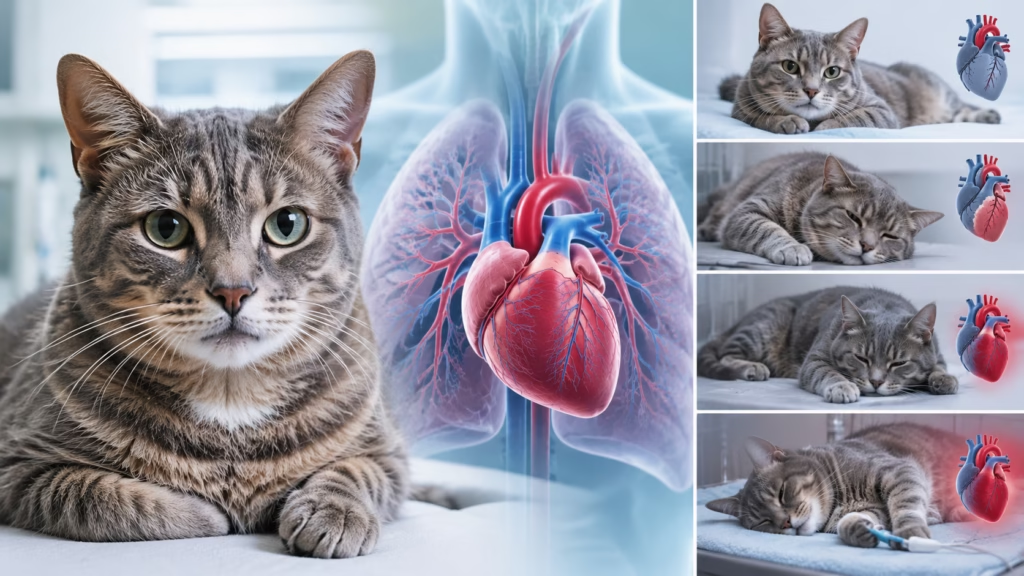
Table of Contents
Quick answer
Congestive heart failure in cats progresses through four stages, from Stage A (at risk but no heart changes) to Stage D (advanced, treatment‑resistant disease). Each stage reflects increasing structural heart changes and clinical signs, guiding monitoring frequency and therapeutic intensity.
Introduction
Learning that a beloved cat has heart disease can be overwhelming for any pet owner. Cats are experts at hiding illness, which means heart problems often go unnoticed until symptoms become more advanced. One of the most serious consequences of feline heart disease is congestive heart failure (CHF), a condition in which the heart can no longer pump blood effectively enough to meet the body’s needs. As the heart struggles to function, fluid begins to accumulate in the lungs, chest cavity, or other parts of the body, leading to potentially life-threatening complications.
Fortunately, advances in veterinary cardiology have significantly improved the diagnosis and management of feline heart disease. Many cats diagnosed with heart conditions can enjoy a good quality of life for months or even years when their condition is detected early and managed appropriately. Understanding the stages of congestive heart failure is an important part of that process. Each stage represents a different level of disease progression and requires a unique approach to monitoring, treatment, and long-term care.
This comprehensive guide explains the four recognized stages of congestive heart failure in cats, including the symptoms, diagnostic procedures, treatment options, and prognosis associated with each stage. Whether you are caring for a cat with heart disease or simply want to learn more about this condition, understanding these stages can help you make informed decisions and provide the best possible care for your feline companion.
Understanding Congestive Heart Failure in Cats
Congestive heart failure is not a disease itself but rather the result of underlying heart disease that has progressed to the point where the heart can no longer function efficiently. When the heart’s pumping ability becomes compromised, blood flow slows and fluid begins to accumulate in tissues and body cavities. In cats, fluid most commonly collects within the lungs, causing pulmonary edema, or around the lungs in the chest cavity, causing pleural effusion.
Several different heart conditions can lead to congestive heart failure in cats. The most common is hypertrophic cardiomyopathy (HCM), a condition characterized by abnormal thickening of the heart muscle. This thickening reduces the heart’s ability to fill properly between beats and eventually impairs circulation.
Other causes include dilated cardiomyopathy, in which the heart muscle becomes weak and enlarged, and restrictive cardiomyopathy, which causes the heart walls to become stiff and less flexible. Congenital heart defects present at birth may also contribute to heart failure later in life.
Certain cats have a higher risk of developing heart disease. Breeds such as Maine Coons, Ragdolls, Persians, and British Shorthairs have known genetic predispositions to specific cardiac disorders. Additional risk factors include advanced age, obesity, hyperthyroidism, high blood pressure, and a family history of heart disease.
Because congestive heart failure develops gradually in most cases, recognizing the disease stage is essential for determining the most appropriate treatment and monitoring plan.
Why Understanding the Stages Matters
Veterinary cardiologists use staging systems to classify the severity of heart disease and congestive heart failure. These stages help veterinarians assess disease progression, estimate prognosis, determine treatment strategies, and establish monitoring schedules.
Understanding the stage of disease allows veterinarians to intervene before symptoms appear, monitor high-risk patients more closely, and adjust medications as the condition evolves. It also helps pet owners understand what to expect and recognize when immediate veterinary attention may be necessary.
The American College of Veterinary Internal Medicine (ACVIM) and other veterinary organizations recognize a four-stage model that ranges from cats at risk of heart disease to those experiencing advanced, treatment-resistant heart failure.
Stage A: At Risk for Heart Disease
What Is Stage A?
Stage A represents cats that do not currently have detectable heart disease but possess factors that increase their likelihood of developing it in the future. These cats show no structural abnormalities on cardiac imaging and have no clinical signs of heart disease or heart failure.
At this stage, the heart is functioning normally, and there is no evidence of enlargement, thickening, or impaired performance. However, certain risk factors place these cats in a category that warrants closer observation.
Which Cats Are Considered Stage A?
Cats with a family history of cardiomyopathy often fall into this category. Certain breeds known for inherited heart disease may also be classified as Stage A, even when no abnormalities are present.
Cats with conditions such as hyperthyroidism or systemic hypertension may also require additional cardiac monitoring because these disorders can contribute to heart disease over time.
Management and Monitoring
Although no specific cardiac treatment is required during Stage A, preventive healthcare plays an important role. Regular veterinary examinations allow early detection of emerging heart abnormalities before clinical signs develop.
Blood pressure monitoring, thyroid testing, kidney function assessment, and maintenance of a healthy body weight are particularly important. Providing balanced nutrition and encouraging appropriate physical activity can also support long-term cardiovascular health.
Routine wellness examinations should typically occur every six to twelve months, depending on the cat’s age and risk profile.
Stage B: Structural Heart Disease Without Symptoms
Understanding Stage B
Stage B includes cats that have developed measurable structural heart disease but have not yet shown signs of congestive heart failure. In other words, heart abnormalities are present, but the cat remains clinically normal.
Many cats diagnosed with heart disease spend months or even years in Stage B before progressing to symptomatic heart failure.
Stage B1: Mild Heart Disease
Cats classified as Stage B1 have mild structural abnormalities without significant enlargement of the heart chambers. These changes are usually detected during diagnostic imaging such as echocardiography.
At this stage, the disease is present but has not significantly altered the heart’s size or function. Most cats appear completely healthy and continue normal daily activities without limitations.
Management primarily focuses on regular monitoring. Echocardiograms may be repeated periodically to assess disease progression, and medications are generally not required unless specific complications arise.
Stage B2: Advanced Structural Changes Without Symptoms
Stage B2 represents a more advanced form of asymptomatic heart disease. Although the cat still shows no outward signs of congestive heart failure, imaging reveals significant structural changes such as chamber enlargement or worsening cardiac muscle abnormalities.
Cats in this stage are at a substantially higher risk of developing congestive heart failure or blood clot formation.
Veterinarians may recommend more frequent evaluations, typically every three to six months. Depending on the specific condition and severity, certain medications may be prescribed to support heart function and potentially delay progression.
Diagnostic Evaluation During Stage B
A comprehensive cardiac evaluation is essential for cats in Stage B. Echocardiography remains the most valuable diagnostic tool because it allows direct visualization of heart structure and function.
Electrocardiography may be used to detect arrhythmias, while thoracic radiographs help evaluate heart size and identify any early fluid accumulation. Blood pressure measurement and laboratory testing provide additional information that helps guide treatment decisions.
Stage C: Clinical Congestive Heart Failure
What Defines Stage C?
Stage C is reached when a cat develops clinical signs of congestive heart failure. At this point, structural heart disease has progressed enough to impair circulation and cause fluid accumulation within the lungs or chest cavity.
This stage often marks the first time many owners realize their cat has a serious heart condition.
Common Symptoms
The most common symptom of congestive heart failure in cats is difficulty breathing. Owners may notice rapid breathing, increased respiratory effort, open-mouth breathing, or panting. Cats may also become less active, lose interest in food, and spend more time hiding or resting.
In some cases, the gums may appear pale or bluish due to inadequate oxygen delivery. Sudden weakness or collapse may also occur.
Unlike dogs, coughing is relatively uncommon in cats with heart failure, although it can occasionally be observed.
Diagnostic Confirmation
When congestive heart failure is suspected, prompt veterinary evaluation is critical. Chest radiographs can reveal pulmonary edema or pleural effusion, confirming fluid accumulation.
Echocardiography helps determine the underlying cause of heart failure and evaluates the severity of cardiac dysfunction. In cases involving pleural effusion, veterinarians may perform thoracocentesis to remove fluid from the chest cavity and improve breathing.
Additional laboratory testing helps assess kidney function, electrolyte levels, and overall health before treatment begins.
Treatment Goals
Treatment during Stage C focuses on stabilizing the patient, relieving symptoms, and improving quality of life. Reducing fluid accumulation is often the most immediate priority.
Diuretics such as furosemide are commonly prescribed to remove excess fluid from the body. Positive inotropic medications may be used to improve cardiac function, while ACE inhibitors can help reduce the workload on the heart.
Because cats with heart disease are at increased risk for blood clot formation, medications such as clopidogrel may also be prescribed to reduce the risk of thromboembolic events.
Supportive Care at Home
Home management plays a vital role during Stage C. Owners are often instructed to monitor resting respiratory rates, appetite, body weight, and activity levels.
A low-sodium diet may help reduce fluid retention, although dietary changes should always be discussed with a veterinarian. Minimizing stress and providing a quiet environment can also reduce cardiac workload.
Regular follow-up visits are necessary to adjust medications and monitor disease progression.
Stage D: Refractory or End-Stage Heart Failure
What Is Stage D?
Stage D represents advanced congestive heart failure that no longer responds adequately to standard treatment protocols. Cats in this stage continue to experience symptoms despite receiving appropriate medications and supportive care.
Unfortunately, Stage D often indicates that the disease has reached its most severe phase.
Clinical Signs
Cats with Stage D heart failure frequently experience recurrent episodes of fluid accumulation. Breathing difficulties may return despite ongoing treatment, and hospitalizations may become more frequent.
Some cats develop severe arrhythmias or suffer from thromboembolic complications, such as blood clots that obstruct circulation to the hind limbs.
Appetite often declines, weight loss becomes more pronounced, and overall activity levels decrease significantly.
Advanced Treatment Options
Managing Stage D requires a highly individualized approach. Veterinarians may increase diuretic dosages or add additional medications such as spironolactone to improve fluid control.
Hospitalization may be necessary for intravenous medications, oxygen therapy, and intensive monitoring. Repeated thoracocentesis procedures may be required in cats with recurrent pleural effusion.
The primary focus often shifts from extending lifespan to maximizing comfort and maintaining the best possible quality of life.
Palliative and End-of-Life Care
For many cats in Stage D, palliative care becomes an important consideration. Maintaining comfort, minimizing respiratory distress, stimulating appetite, and reducing anxiety are central goals.
Veterinarians work closely with owners to evaluate quality of life and determine when humane end-of-life decisions may need to be considered.
Lifelong Monitoring and Long-Term Management
Regardless of disease stage, cats with heart disease benefit from ongoing monitoring throughout their lives. Early recognition of changes often allows veterinarians to adjust treatment before major complications occur.
Home monitoring is especially valuable. Counting resting respiratory rates while a cat sleeps can provide an early warning sign of fluid accumulation. Sudden increases should prompt veterinary evaluation.
Regular echocardiograms, blood pressure checks, laboratory testing, and physical examinations help track disease progression and identify emerging complications.
Nutritional support also plays an important role. Cats with heart disease require balanced diets that maintain muscle mass and support overall health. Some veterinarians may recommend omega-3 fatty acid supplementation because of its potential cardiovascular benefits.
Creating a low-stress environment and avoiding excessive physical exertion can further support long-term well-being.
Prognosis and Life Expectancy
The prognosis for cats with congestive heart failure varies considerably depending on the underlying disease, stage at diagnosis, response to treatment, and presence of complications.
Cats diagnosed during Stage A or Stage B may live for many years before developing symptoms. Those diagnosed during Stage C often respond well to treatment and may enjoy months or even years of good quality life with appropriate management.
Stage D carries a more guarded prognosis, but individualized treatment plans can still provide meaningful improvements in comfort and quality of life.
Because every case is unique, ongoing communication with a veterinary cardiologist is essential for obtaining the most accurate prognosis.
Conclusion
Congestive heart failure in cats is a progressive condition, but understanding its stages provides valuable insight into how the disease develops and how it can be managed. From Stage A, where cats are merely at risk, to Stage D, where advanced heart failure requires intensive care, each stage presents unique challenges and opportunities for intervention.
Early detection remains one of the most important factors influencing outcomes. Regular veterinary examinations, appropriate diagnostic testing, and vigilant monitoring allow heart disease to be identified before severe symptoms develop. Once diagnosed, stage-specific treatment plans can significantly improve both quality of life and longevity.
Although receiving a diagnosis of heart disease can be frightening, many cats continue to enjoy comfortable and fulfilling lives with proper care. By working closely with your veterinarian, monitoring your cat carefully, and responding promptly to changes in condition, you can help your feline companion receive the support and treatment needed at every stage of the disease.
Disclaimer
This article is for educational purposes only and does not replace professional medical advice, diagnosis, or treatment. Seizures, severe headache, confusion, visual changes, or blood pressure readings in the hypertensive crisis range require urgent medical evaluation.
When to see a vet
- Rapid breathing or difficulty catching breath
- Sudden coughing or gagging episodes
- Visible fluid accumulation in the abdomen or chest
- Weakness, collapse or inability to stand
- Blue‑tinged gums or tongue
- Call emergency services if any sign appears suddenly
If your pet collapses, struggles to breathe or is in severe pain, contact an emergency vet straight away.
Frequently asked questions
Can diet help slow the progression of heart disease in cats?
A balanced, low‑sodium diet may reduce fluid retention and support heart health, but it should complement, not replace, veterinary‑prescribed medications. Discuss specific dietary recommendations with your vet.
How often should a cat in Stage B be re‑checked?
Most veterinarians recommend re‑evaluation every 6‑12 months for Stage B cats, with more frequent checks if the disease appears to be progressing or if new symptoms develop.
Is heart murmur always a sign of heart failure?
A murmur indicates turbulent blood flow and can be an early sign of structural disease, but many murmurs are benign. Only a full cardiac work‑up can determine the risk of progression to heart failure.
Can cats live a normal life with Stage C heart failure?
With appropriate medication, regular monitoring and lifestyle adjustments, many cats remain comfortable and active for months to years in Stage C, though the disease will eventually progress.
Sources and further reading
Was this page helpful?
Thanks for your feedback! What could we improve?
Thank you! Your feedback helps us improve our articles.
Veterinary reviewed by
Dr. Hannah Silvanus, DVMDoctor of Veterinary Medicine (DVM) who reviews the pet and animal health articles on True Impact Health.
True Impact Health articles are written by our editorial team and based on reliable sources such as public health agencies, clinical guidelines and peer-reviewed research. This article has been checked by a veterinarian on our review panel. Read our editorial process.
This content is for general information and is not a substitute for professional medical advice, diagnosis or treatment.