How Osteopathic Medicine Supports Natural Blood Pressure Management
Hypertension, commonly known as high blood pressure, is one of the most prevalent chronic health conditions worldwide. It affects more than one billion people globally and remains a leading cause of heart attacks, strokes, heart failure, kidney disease, and premature death. Despite advances in modern medicine and the availability of effective medications, many individuals continue to struggle with blood pressure control due to lifestyle factors, chronic stress, poor sleep, obesity, and other underlying health issues.
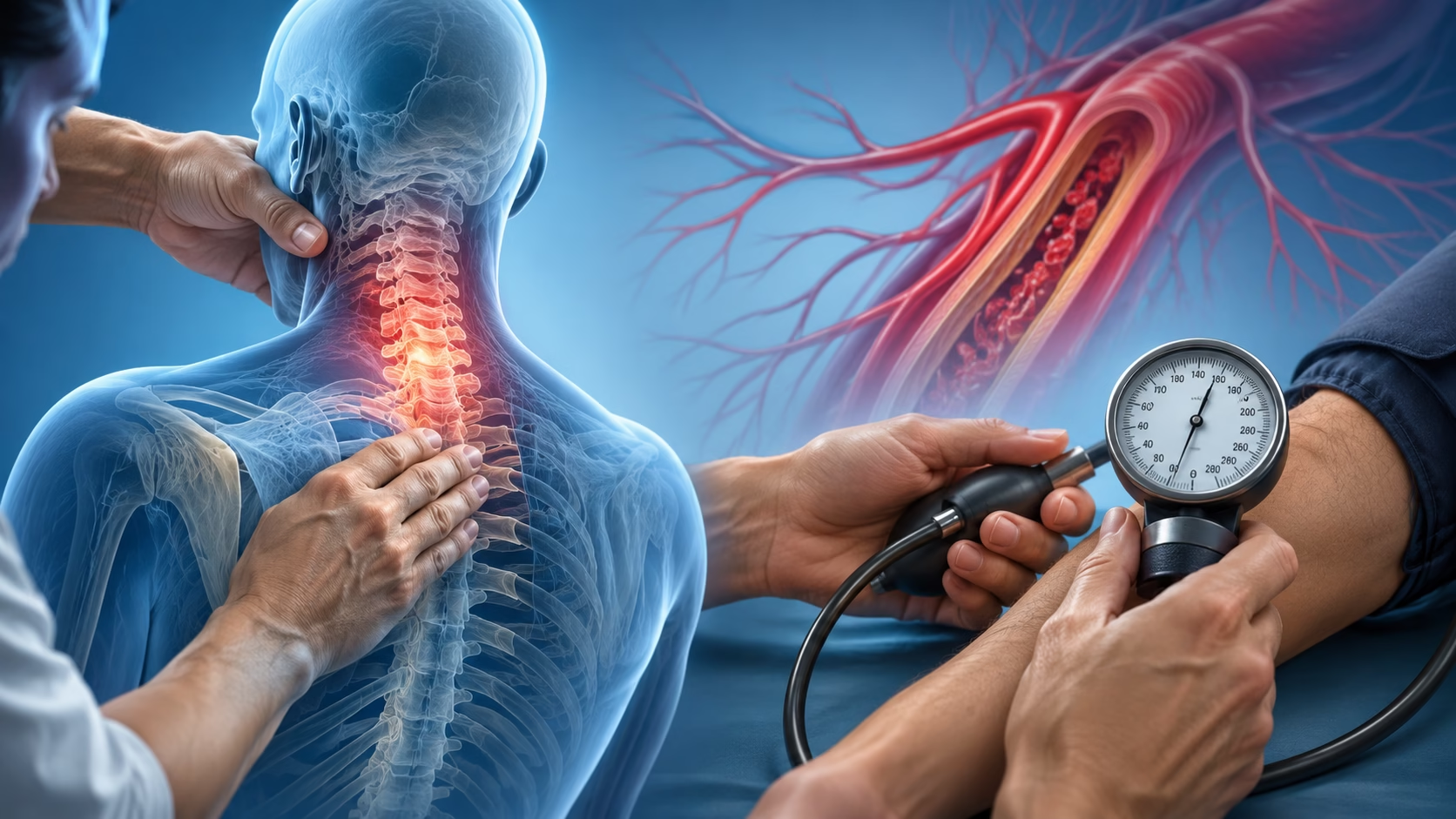
- Osteopathic medicine complements standard hypertension care using OMT to restore structure, improve circulation, and support the body's self-healing.
- OMT techniques such as suboccipital release, rib raising, lymphatic pumps, and myofascial release may reduce sympathetic activity and improve autonomic balance.
- Clinical evidence shows short-term blood pressure reductions, improved heart rate variability, less stress, and better sleep following osteopathic treatment.
- Osteopathy should be integrated with lifestyle measures and medical management; do not stop medications without physician guidance.
Traditional hypertension treatment often focuses on medications that lower blood pressure. While these medications are highly effective and often necessary, many patients seek complementary approaches that address the whole person rather than simply treating elevated blood pressure readings. This growing interest in holistic healthcare has led many individuals to explore osteopathic medicine as part of their hypertension management plan.
Osteopathic medicine is a patient-centered approach that emphasizes the body’s ability to heal itself when proper structure and function are restored. Osteopathic physicians, known as Doctors of Osteopathic Medicine (DOs), combine conventional medical treatment with hands-on techniques called Osteopathic Manipulative Treatment (OMT). These techniques are designed to improve circulation, reduce tension, enhance nervous system balance, and support overall health.
While osteopathic medicine is not a replacement for standard hypertension treatment, it can serve as a valuable complementary therapy that supports cardiovascular health and helps patients achieve better blood pressure control. This comprehensive guide explores the relationship between osteopathy and hypertension, explains how osteopathic techniques may influence blood pressure regulation, and discusses how osteopathic care can be integrated into a broader heart-healthy lifestyle.
Understanding Hypertension
Before exploring the osteopathic approach, it is important to understand what hypertension is and why it poses such a significant health risk.
What Is Hypertension?
Blood pressure refers to the force exerted by blood against the walls of arteries as the heart pumps blood throughout the body.
A blood pressure reading contains two numbers:
Systolic Blood Pressure
The systolic pressure is the top number in a blood pressure reading.
It measures the pressure inside the arteries when the heart contracts and pumps blood.
Diastolic Blood Pressure
The diastolic pressure is the bottom number.
It measures the pressure inside the arteries when the heart relaxes between heartbeats.
For example, a blood pressure reading of 130/80 mmHg means:
- Systolic pressure = 130 mmHg
- Diastolic pressure = 80 mmHg
According to current guidelines, hypertension is generally defined as:
- Systolic blood pressure of 130 mmHg or higher
- Diastolic blood pressure of 80 mmHg or higher
when consistently measured on multiple occasions.
How Common Is Hypertension?
Hypertension is one of the most common chronic diseases in the world.
In the United States alone:
- Nearly 45% of adults have high blood pressure.
- Millions are unaware they have the condition.
- Many individuals have poorly controlled blood pressure despite treatment.
Because hypertension often develops gradually and produces no noticeable symptoms in its early stages, it is frequently referred to as the “silent killer.”
Many people discover they have hypertension only after experiencing serious complications such as a heart attack, stroke, or kidney disease.
Why Hypertension Is Dangerous
Persistent high blood pressure places excessive strain on blood vessels and vital organs.
Over time, hypertension can contribute to:
Heart Disease
The heart must work harder to pump blood against increased pressure.
This can lead to:
- Heart enlargement
- Heart failure
- Coronary artery disease
Stroke
Elevated blood pressure damages blood vessels in the brain and significantly increases the risk of stroke.
Kidney Disease
The kidneys contain delicate blood vessels that filter waste from the bloodstream.
Hypertension can damage these vessels and impair kidney function.
Vision Problems
High blood pressure may damage blood vessels within the eyes, potentially leading to vision loss.
Cognitive Decline
Research suggests long-term hypertension may contribute to memory problems and dementia.
Contributing Factors to Hypertension
Hypertension develops through a complex interaction of genetic, environmental, and lifestyle factors.
Genetics and Age
Family history plays a significant role in blood pressure regulation.
Additionally, blood pressure tends to increase naturally with age as arteries become less flexible.
Poor Diet
Diets high in:
- Sodium
- Processed foods
- Saturated fats
- Added sugars
can contribute to elevated blood pressure.
Sedentary Lifestyle
Lack of physical activity weakens the cardiovascular system and promotes weight gain, both of which increase hypertension risk.
Chronic Stress
Long-term stress activates the body’s fight-or-flight response, increasing heart rate and blood pressure.
Sleep Disturbances
Poor sleep quality and conditions such as sleep apnea are strongly associated with hypertension.
What Is Osteopathic Medicine?
Osteopathic medicine is a distinct branch of healthcare that combines conventional medical practices with a holistic philosophy focused on the interconnectedness of the body’s systems.
Doctors of Osteopathic Medicine (DOs) receive training comparable to Medical Doctors (MDs), including:
- Medical school
- Clinical rotations
- Residency programs
- Specialty training
In addition to standard medical education, DOs receive extensive instruction in the musculoskeletal system and Osteopathic Manipulative Treatment.
Core Principles of Osteopathic Medicine
The Body Is a Unified Whole
Osteopathic medicine recognizes that the body functions as an integrated system.
Problems affecting one area may influence seemingly unrelated regions.
For example:
- Chronic neck tension may influence nervous system activity.
- Restricted rib movement may affect breathing and circulation.
Structure and Function Are Interrelated
The body’s structure directly affects its function.
When muscles, joints, connective tissues, and nerves function properly, organs and physiological systems can operate more efficiently.
The Body Has Self-Healing Mechanisms
Osteopathic philosophy emphasizes the body’s natural ability to maintain health and recover from illness when obstacles to normal function are removed.
Treatment Should Address Root Causes
Rather than focusing solely on symptoms, osteopathic care seeks to identify and address underlying contributors to disease.
What Is Osteopathic Manipulative Treatment (OMT)?
OMT consists of hands-on techniques performed by a trained osteopathic physician.
These techniques involve:
- Gentle pressure
- Stretching
- Joint mobilization
- Soft tissue manipulation
The goals of OMT include:
- Improving circulation
- Enhancing lymphatic drainage
- Reducing muscle tension
- Restoring mobility
- Supporting nervous system balance
The Osteopathic Perspective on Hypertension
From an osteopathic standpoint, elevated blood pressure may be influenced by multiple interconnected factors.
Autonomic Nervous System Imbalance
The autonomic nervous system controls involuntary bodily functions, including blood pressure regulation.
It consists of two primary branches:
Sympathetic Nervous System
Often called the “fight-or-flight” system.
When activated, it:
- Increases heart rate
- Constricts blood vessels
- Raises blood pressure
Chronic sympathetic overactivity is common in individuals with hypertension.
Parasympathetic Nervous System
Often called the “rest-and-digest” system.
It promotes:
- Relaxation
- Lower heart rate
- Reduced blood pressure
- Recovery and healing
Osteopathic treatment often aims to reduce excessive sympathetic activity while enhancing parasympathetic function.
Lymphatic Congestion
The lymphatic system helps remove waste products and excess fluid from tissues.
Restricted lymphatic flow may contribute to:
- Chronic inflammation
- Fluid retention
- Increased vascular resistance
Improving lymphatic circulation is a common goal of osteopathic treatment.
Structural Restrictions
Mechanical restrictions within the body can influence nervous system function.
Examples include:
Cervical Restrictions
Tight neck muscles and restricted cervical joints may affect nerves involved in cardiovascular regulation.
Rib Restrictions
The ribs play an important role in breathing and circulation.
Restricted rib movement may impair respiratory efficiency and autonomic balance.
Thoracic Spine Dysfunction
The thoracic spine houses sympathetic nerve pathways that influence blood pressure regulation.
Restrictions in this area may contribute to sympathetic overactivity.
How OMT May Help Manage Hypertension
Osteopathic Manipulative Treatment aims to support blood pressure regulation through several mechanisms.
Reducing Sympathetic Nervous System Activity
Certain osteopathic techniques help calm the overactive sympathetic nervous system.
This may result in:
- Lower heart rate
- Reduced vascular resistance
- Improved blood pressure control
Enhancing Parasympathetic Activity
Stimulating parasympathetic pathways promotes relaxation and recovery.
Potential effects include:
- Improved heart rate variability
- Reduced stress response
- Better cardiovascular regulation
Improving Circulation
OMT can help optimize blood flow throughout the body.
Improved circulation supports oxygen delivery and vascular health.
Enhancing Lymphatic Drainage
Improved lymphatic flow may reduce inflammation and fluid accumulation.
Because chronic inflammation contributes to hypertension, this effect may indirectly support blood pressure management.
Key Osteopathic Techniques for Hypertension Management
Suboccipital Release
The suboccipital region is located at the base of the skull.
This area contains important structures involved in autonomic nervous system regulation.
During a suboccipital release:
- Gentle pressure is applied beneath the skull.
- Tension is reduced.
- Vagal nerve activity may improve.
Potential benefits include:
- Reduced stress response
- Improved relaxation
- Lower heart rate
Rib-Raising Technique
The sympathetic nervous system travels through nerves located near the thoracic spine and ribs.
Rib-raising techniques involve gentle mobilization of the rib cage.
Potential benefits include:
- Improved lymphatic drainage
- Better respiratory function
- Reduced sympathetic activity
Soft Tissue Stretching and Myofascial Release
Chronic muscle tension contributes to stress and discomfort.
Soft tissue techniques target:
- Neck muscles
- Upper back muscles
- Shoulder muscles
Benefits may include:
- Reduced muscle tension
- Improved circulation
- Enhanced relaxation
Lymphatic Pump Techniques
These techniques use rhythmic movements to encourage lymphatic flow.
Potential benefits include:
- Reduced inflammation
- Improved immune function
- Enhanced fluid balance
Balanced Ligamentous Tension (BLT)
BLT is a gentle technique designed to restore normal tension within ligaments and joints.
Potential effects include:
- Improved joint mobility
- Enhanced nervous system balance
- Reduced musculoskeletal strain
Evidence and Patient Benefits
Although osteopathic medicine should not replace conventional hypertension treatment, research suggests it may offer supportive benefits.
Short-Term Blood Pressure Reduction
Several studies have reported temporary reductions in both systolic and diastolic blood pressure following OMT sessions.
These effects may result from improved autonomic regulation and reduced stress.
Improved Heart Rate Variability
Heart rate variability (HRV) measures the balance between sympathetic and parasympathetic nervous system activity.
Higher HRV generally reflects better cardiovascular health.
OMT has been associated with improvements in HRV.
Stress Reduction
Many patients report:
- Lower stress levels
- Reduced anxiety
- Greater relaxation
Because stress contributes significantly to hypertension, these benefits may support long-term blood pressure control.
Improved Sleep Quality
Better sleep contributes to healthier blood pressure regulation.
Patients often report improved sleep following osteopathic treatment.
Potential Medication Benefits
In some cases, improved lifestyle habits and overall cardiovascular health may allow healthcare providers to adjust medication dosages.
However, patients should never stop or reduce medications without physician supervision.
Integrating Osteopathy with Lifestyle Strategies
Osteopathic care is most effective when combined with healthy lifestyle habits.
Diet
DASH Diet
The DASH Diet (Dietary Approaches to Stop Hypertension) is specifically designed to lower blood pressure.
It emphasizes:
- Fruits
- Vegetables
- Whole grains
- Lean proteins
- Low-fat dairy
Sodium Reduction
Limiting sodium intake helps reduce fluid retention and blood pressure.
Most individuals should aim for:
1,500–2,300 mg of sodium daily.
Physical Activity
Regular exercise strengthens the cardiovascular system.
Recommendations include:
At least 150 minutes of moderate exercise weekly.
Examples include:
- Walking
- Cycling
- Swimming
Stress Management
Stress reduction techniques may include:
- Meditation
- Yoga
- Deep breathing
- Mindfulness practices
These approaches complement osteopathic efforts to improve autonomic balance.
Sleep Hygiene
Adults should aim for:
7–9 hours of quality sleep each night.
Helpful strategies include:
- Maintaining a regular sleep schedule
- Limiting screen exposure before bed
- Creating a relaxing sleep environment
Regular Blood Pressure Monitoring
Tracking blood pressure at home allows patients and healthcare providers to assess treatment effectiveness and identify trends early.
Choosing the Right Osteopathic Practitioner
Verify Credentials
Ensure the practitioner is a licensed Doctor of Osteopathic Medicine (DO).
Ask About OMT Experience
Practitioners with extensive OMT training may offer a broader range of treatment options.
Discuss Your Medical History
Provide information regarding:
- Blood pressure history
- Medications
- Medical conditions
- Lifestyle factors
Expect a Comprehensive Assessment
A thorough osteopathic evaluation may include:
- Postural assessment
- Range of motion testing
- Musculoskeletal examination
- Autonomic function assessment
Conclusion
Hypertension is a complex condition influenced by numerous physical, emotional, and lifestyle factors. While medications remain a cornerstone of treatment, osteopathic medicine offers a valuable complementary approach that focuses on the body’s interconnected systems and natural healing mechanisms.
Through Osteopathic Manipulative Treatment, osteopathic physicians seek to improve nervous system balance, enhance circulation, reduce musculoskeletal tension, and support overall cardiovascular health. When combined with evidence-based lifestyle modifications such as healthy eating, regular exercise, stress management, and adequate sleep, osteopathic care may contribute to improved blood pressure control and enhanced quality of life.
Individuals interested in a holistic approach to hypertension management should consider consulting a qualified osteopathic physician. By addressing both the structural and functional aspects of health, osteopathic medicine provides a unique pathway toward long-term cardiovascular wellness and overall well-being.