












Health A–Z guide
End of Life
End of Life: Understanding Care, Decisions, and Support in the Final Stage of Life
The term end of life refers to the period when a person is living with an advanced, progressive, or terminal illness and is approaching the final phase of life. This…

Table of Contents

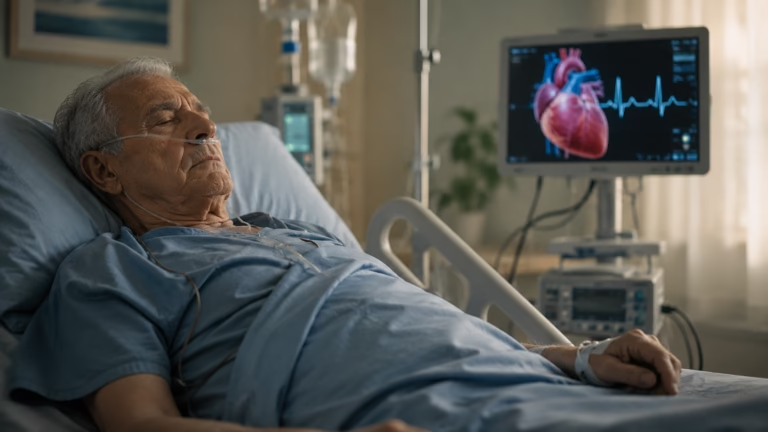
The term end of life refers to the period when a person is living with an advanced, progressive, or terminal illness and is approaching the final phase of life. This stage is not defined by a specific number of days or months, but rather by a gradual decline in health and function, where the focus of care often shifts from curative treatment to comfort, quality of life, and dignity.
Understanding end-of-life care can help patients, families, and caregivers navigate complex medical, emotional, and ethical issues. This article provides a clear, medically accurate overview of what end of life means, how it is recognized, and the approaches used to support individuals during this important time.
Overview / Definition
End-of-life care encompasses the medical, emotional, psychological, and spiritual support provided to individuals who are nearing death due to serious illness or advanced age. The goal is not to hasten or delay death, but to:
- Relieve pain and distressing symptoms
- Support emotional and psychological well-being
- Respect personal values, cultural beliefs, and care preferences
- Provide guidance and support to families and caregivers
End-of-life care may occur in various settings, including hospitals, nursing facilities, hospices, or at home.
Causes or Risk Factors
End-of-life care becomes relevant when a person is experiencing irreversible health decline. Common conditions associated with end-of-life care include:
- Advanced cancers
- End-stage heart failure
- Chronic obstructive pulmonary disease (COPD)
- Advanced neurological diseases (e.g., dementia, Parkinson’s disease, ALS)
- End-stage kidney or liver disease
- Frailty and complications related to advanced aging
Risk factors that may contribute to entering an end-of-life phase include multiple chronic illnesses, frequent hospitalizations, significant functional decline, and decreased response to medical treatments.
Symptoms or Clinical Presentation
Symptoms at the end of life vary depending on the underlying condition, but commonly include:
- Persistent fatigue or weakness
- Reduced appetite and weight loss
- Shortness of breath
- Pain or physical discomfort
- Changes in sleep patterns
- Cognitive changes, such as confusion or reduced awareness
- Emotional symptoms, including anxiety or withdrawal
As death approaches, physical changes such as reduced mobility, minimal oral intake, and altered breathing patterns may occur. These changes are typically managed with supportive and comfort-focused care.
Diagnosis or Screening
There is no single test to determine when a person has entered the end-of-life phase. Instead, healthcare professionals rely on a comprehensive assessment that may include:
- The progression and severity of the underlying illness
- Declining functional status and ability to perform daily activities
- Response (or lack of response) to ongoing treatments
- Clinical judgment based on experience and established guidelines
Tools such as prognostic indicators and palliative care assessments may help guide care planning and discussions.
Treatment or Management Options
Management at the end of life focuses on palliative care, which aims to improve comfort and quality of life. Key components include:
Symptom Management
- Pain control using appropriate medications
- Treatment of breathlessness, nausea, anxiety, or agitation
- Skin care and positioning to prevent discomfort
Emotional and Psychological Support
- Counseling or supportive conversations
- Addressing fears, unresolved concerns, or emotional distress
Advance Care Planning
- Discussing goals of care and treatment preferences
- Documenting wishes through advance directives or living wills
- Identifying a healthcare proxy or decision-maker
Hospice Care
Hospice is a specialized form of end-of-life care typically offered when life expectancy is limited and curative treatments are no longer pursued. Hospice teams provide interdisciplinary support, often in the patient’s home, with a strong emphasis on comfort and family support.
Prevention or Lifestyle Considerations
While death itself is not preventable, thoughtful planning can improve the quality of end-of-life experiences. Considerations include:
- Early conversations about values, goals, and care preferences
- Maintaining social connection and emotional support
- Managing chronic illnesses proactively earlier in life
- Addressing legal and practical matters in advance
These steps can help reduce stress for both individuals and their loved ones when health declines.
Conclusion
End of life is a natural part of the human experience, though it is often surrounded by uncertainty and emotional complexity. Medically, this phase prioritizes comfort, dignity, and respect for individual values rather than aggressive treatment. Understanding the symptoms, care options, and supportive resources available can empower patients and families to make informed, compassionate decisions and experience this stage with greater clarity and peace.
Important Medical Disclaimer
This article is intended for educational purposes only and does not provide personalized medical advice. Individual circumstances vary, and medical decisions should always be made in consultation with qualified healthcare professionals who are familiar with the patient’s condition and needs.
Was this page helpful?
Thanks for your feedback! What could we improve?
Thank you! Your feedback helps us improve our guides.
Our Health A–Z guides are written by the True Impact Health Editorial Team and based on reliable sources such as public health agencies, clinical guidelines and peer-reviewed research. This guide has not yet been medically reviewed. Read our editorial process.
This content is for general information and is not a substitute for professional medical advice, diagnosis or treatment.