














Health A–Z guide
Emphysema
Emphysema: Understanding a Common Chronic Lung Disease
Emphysema is a serious but often misunderstood lung condition that affects millions of people worldwide. It develops gradually and can significantly interfere with breathing and quality of life. While emphysema…
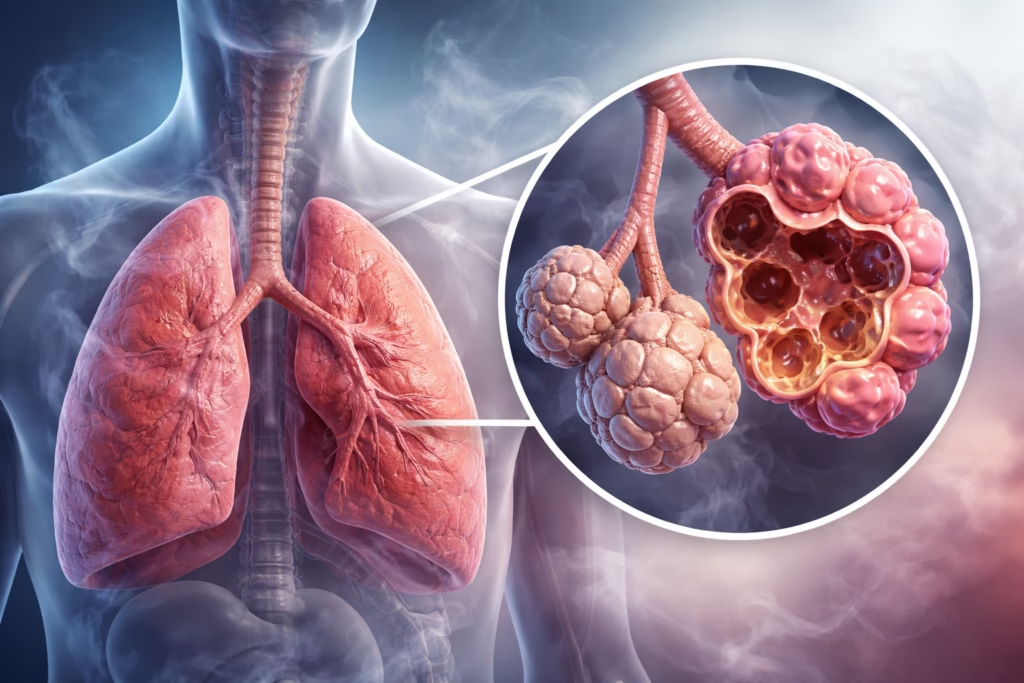
Table of Contents
Emphysema is a serious but often misunderstood lung condition that affects millions of people worldwide. It develops gradually and can significantly interfere with breathing and quality of life. While emphysema is not curable, early recognition and appropriate management can slow disease progression and help individuals maintain better day-to-day function. This article provides a clear, medically accurate overview of emphysema in accessible terms.
Overview / Definition
Emphysema is a chronic lung disease and one of the main conditions included under chronic obstructive pulmonary disease (COPD). It primarily affects the alveoli, the tiny air sacs in the lungs where oxygen exchange occurs.
In emphysema:
- The walls between alveoli are damaged
- The air sacs lose their elasticity
- Trapped air builds up in the lungs
- Less oxygen reaches the bloodstream
Over time, this damage makes breathing increasingly difficult, especially during physical activity.
Causes and Risk Factors
Emphysema develops due to long-term exposure to substances that damage the lungs. The most common causes and risk factors include:
Primary Causes
- Cigarette smoking (the leading cause)
- Long-term exposure to secondhand smoke
Other Risk Factors
- Exposure to air pollution
- Occupational exposure to dust, chemical fumes, or vapors
- Alpha-1 antitrypsin deficiency, a rare inherited genetic disorder
- Increasing age, particularly over 40
- History of frequent lung infections
While not everyone exposed to these factors develops emphysema, the risk increases with the intensity and duration of exposure.
Symptoms or Clinical Presentation
Symptoms of emphysema often develop slowly and may not be noticeable in the early stages. As lung damage progresses, common symptoms include:
- Shortness of breath, especially during physical activity
- Chronic cough
- Wheezing
- Chest tightness
- Fatigue
- Unintended weight loss (in advanced cases)
In later stages, individuals may experience difficulty breathing even at rest, significantly affecting daily activities.
Diagnosis or Screening
Emphysema is typically diagnosed using a combination of clinical evaluation and specialized testing. Common diagnostic tools include:
- Medical history and physical examination
- Pulmonary function tests (PFTs) to measure lung capacity and airflow
- Chest imaging:
- Chest X-ray (may show overinflated lungs)
- CT scan (more detailed and sensitive)
- Blood tests to assess oxygen levels or screen for genetic causes
Early diagnosis is important to slow disease progression and optimize management.
Treatment or Management Options
Although emphysema cannot be reversed, treatments aim to relieve symptoms, improve quality of life, and prevent complications. Management strategies may include:
Medications
- Bronchodilators to relax airway muscles
- Inhaled corticosteroids to reduce inflammation (in selected cases)
Supportive Therapies
- Pulmonary rehabilitation programs
- Oxygen therapy for individuals with low blood oxygen levels
- Vaccinations to reduce the risk of respiratory infections
Advanced Interventions
- Lung volume reduction procedures
- Lung transplantation in carefully selected cases
Treatment plans are individualized and guided by healthcare professionals.
Prevention and Lifestyle Considerations
Preventing emphysema or slowing its progression centers on lung protection and healthy lifestyle choices. Key preventive strategies include:
- Avoiding smoking and exposure to tobacco smoke
- Reducing exposure to air pollution and occupational lung irritants
- Using protective equipment when working around harmful substances
- Staying physically active within tolerance levels
- Keeping vaccinations up to date (e.g., influenza and pneumonia)
Early lifestyle changes can make a meaningful difference in long-term lung health.
Conclusion
Emphysema is a chronic and progressive lung condition that affects breathing by damaging the air sacs in the lungs. While it is most commonly caused by smoking, environmental exposures and genetic factors also play a role. Recognizing symptoms early, obtaining an accurate diagnosis, and pursuing appropriate medical management can help slow disease progression and improve quality of life. Prevention and risk reduction remain essential components of care.
Medical Disclaimer
This article is intended for educational purposes only and does not substitute for professional medical advice, diagnosis, or treatment. Readers are encouraged to consult qualified healthcare professionals with questions or concerns about emphysema or any medical condition.
Was this page helpful?
Thanks for your feedback! What could we improve?
Thank you! Your feedback helps us improve our guides.
Our Health A–Z guides are written by the True Impact Health Editorial Team and based on reliable sources such as public health agencies, clinical guidelines and peer-reviewed research. This guide has not yet been medically reviewed. Read our editorial process.
This content is for general information and is not a substitute for professional medical advice, diagnosis or treatment.