














Congestive Heart Failure Leg Weakness
Congestive heart failure (CHF) is a chronic and progressive cardiovascular condition that affects millions of people worldwide. While many individuals...
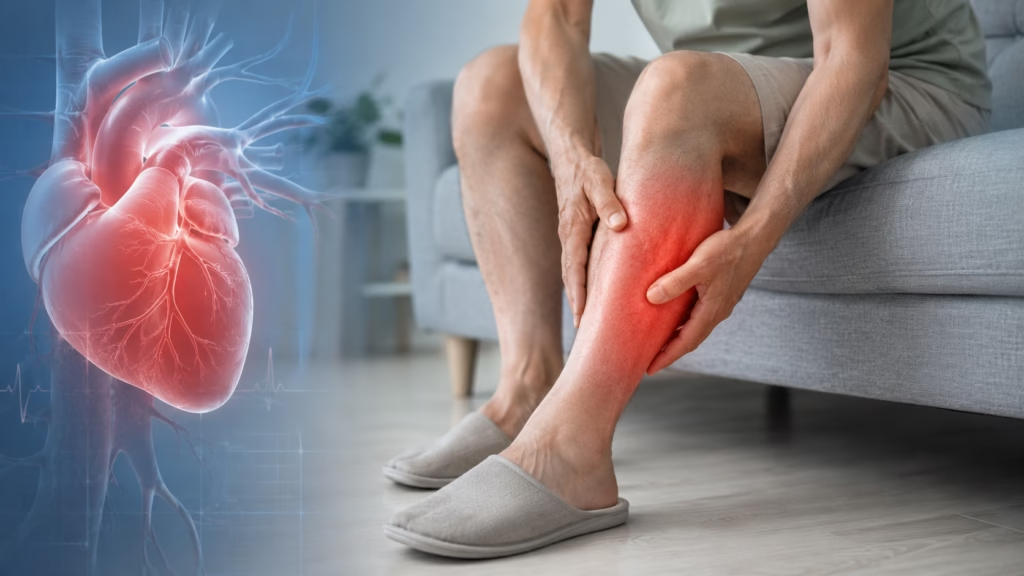
Table of Contents
Introduction
Congestive heart failure (CHF) is a chronic and progressive cardiovascular condition that affects millions of people worldwide. While many individuals associate heart failure primarily with symptoms such as shortness of breath, chest discomfort, and fatigue, the condition can also have a significant impact on muscle strength and physical mobility. One symptom that is frequently reported by people living with congestive heart failure is leg weakness.
Leg weakness can make everyday activities increasingly difficult. Simple tasks such as climbing stairs, walking short distances, standing from a seated position, or maintaining balance may become challenging. For many patients, this symptom reduces independence, limits physical activity, and negatively affects overall quality of life.
Understanding why leg weakness develops in congestive heart failure is an important step toward managing the condition effectively. By identifying the underlying causes and implementing appropriate treatments, patients can often improve their strength, mobility, and confidence. This article explores the relationship between congestive heart failure and leg weakness, explains the symptoms to watch for, and discusses practical strategies for treatment and prevention.
Understanding Congestive Heart Failure
Congestive heart failure occurs when the heart becomes unable to pump blood efficiently enough to meet the body’s needs. Contrary to what the term may suggest, heart failure does not mean that the heart has stopped working completely. Instead, it means that the heart’s pumping ability has become weakened or impaired.
The condition can affect the left side of the heart, the right side, or both sides simultaneously. When the left side of the heart is affected, blood may back up into the lungs, causing shortness of breath and breathing difficulties. When the right side of the heart is affected, fluid often accumulates in the legs, ankles, feet, and abdomen.
As heart failure progresses, the body’s organs and tissues receive less oxygen-rich blood. To compensate, the body activates several hormonal and nervous system responses designed to maintain blood flow and blood pressure. Although these mechanisms may initially help, they often place additional strain on the heart and contribute to worsening symptoms over time.
Because the heart plays a central role in delivering oxygen and nutrients to muscles throughout the body, any reduction in cardiac function can significantly affect muscle strength, endurance, and physical performance.
Why Leg Weakness Occurs in Congestive Heart Failure
Leg weakness in congestive heart failure is often the result of multiple interacting factors rather than a single cause. Understanding these factors can help patients and healthcare providers develop effective management strategies.
Reduced Blood Flow to the Muscles
One of the primary reasons for leg weakness in congestive heart failure is reduced blood flow to the muscles of the lower extremities.
Healthy muscles require a continuous supply of oxygen and nutrients to function properly. When the heart’s pumping ability declines, less oxygen-rich blood reaches the leg muscles. As a result, the muscles become less efficient and tire more quickly during physical activity.
Over time, chronic reductions in blood flow can contribute to muscle wasting and decreased muscle strength. Patients may notice that activities they once performed easily now leave them feeling exhausted or unsteady. Even short walks may become increasingly difficult because the muscles are not receiving adequate oxygen to support sustained movement.
Fluid Retention and Swelling
Fluid retention is another major contributor to leg weakness in people with congestive heart failure.
When the heart cannot pump efficiently, blood flow slows and fluid begins to accumulate in tissues throughout the body. Gravity causes much of this fluid to collect in the feet, ankles, and legs. This condition, known as peripheral edema, is one of the hallmark signs of heart failure.
Swollen legs often feel heavy, tight, and uncomfortable. The extra fluid places additional strain on muscles and joints, making movement more difficult. Patients frequently describe their legs as feeling weighed down or difficult to lift.
Severe swelling can also limit joint flexibility and reduce balance, further contributing to weakness and mobility problems.
Muscle Deconditioning
Physical inactivity is a common consequence of congestive heart failure.
Many patients avoid physical activity because they fear worsening their symptoms or because they become easily fatigued during exercise. Unfortunately, prolonged inactivity causes muscles to weaken over time, a process known as deconditioning.
When muscles are not used regularly, they lose strength, endurance, and mass. This loss of muscle function can occur surprisingly quickly, especially in older adults. As muscle weakness worsens, patients may become even less active, creating a cycle that further accelerates physical decline.
Deconditioning is one of the most treatable causes of leg weakness in heart failure, making exercise and rehabilitation particularly important components of management.
Medication Side Effects
Certain medications commonly used to treat congestive heart failure may contribute to feelings of weakness or fatigue.
Diuretics, often referred to as “water pills,” help remove excess fluid from the body. While these medications are highly effective at reducing swelling and improving breathing, they can sometimes cause electrolyte imbalances.
Low levels of potassium, magnesium, or sodium may lead to muscle weakness, cramping, fatigue, and reduced exercise tolerance. Regular monitoring of blood tests is essential to identify and correct these deficiencies.
Beta-blockers, which are commonly prescribed to reduce the workload on the heart, may also cause fatigue during the early stages of treatment. Although these medications provide significant long-term benefits, some patients experience temporary reductions in energy levels while their bodies adjust.
Nutritional Deficiencies and Muscle Loss
Heart failure can affect appetite, digestion, and nutrient absorption.
Many individuals with advanced CHF experience reduced appetite, early satiety, or dietary restrictions that limit their nutrient intake. Inadequate consumption of protein and essential nutrients can contribute to muscle wasting, a condition known as cardiac cachexia.
Muscle loss associated with heart failure may affect the legs more noticeably because the lower extremities contain some of the body’s largest muscle groups. As muscle mass decreases, patients often experience weakness, poor balance, and difficulty performing daily activities.
Symptoms of Leg Weakness in Congestive Heart Failure
Leg weakness can manifest in different ways depending on the severity of heart failure and the underlying causes involved.
Many patients initially notice difficulty climbing stairs or walking uphill. Activities that require sustained muscle effort may become increasingly challenging. Others report feeling as though their legs are heavy, tired, or unable to support their weight for extended periods.
Common symptoms include:
- Difficulty standing up from a chair without assistance
- Trouble climbing stairs
- Reduced walking endurance
- Feelings of heaviness in the thighs or calves
- Muscle fatigue after minimal activity
- Frequent leg cramps
- Unsteady balance or increased risk of falls
- Slower walking speed
- Difficulty carrying groceries or household items
Some patients may also experience aching muscles, stiffness, or sensations of weakness that worsen throughout the day.
When to Seek Medical Attention
While mild leg weakness can be a common symptom of congestive heart failure, certain warning signs require prompt medical evaluation.
Patients should contact their healthcare provider if they experience sudden or rapidly worsening weakness, especially if it interferes with daily activities. Significant increases in swelling, unexplained weight gain, worsening shortness of breath, or severe fatigue may indicate worsening heart failure.
Medical attention should also be sought if leg weakness is accompanied by numbness, tingling, severe pain, or sudden inability to walk. These symptoms could indicate neurological problems, vascular disease, or other serious conditions that require immediate evaluation.
Rapid weight gain of more than two to three pounds in a day or five pounds within a week may signal worsening fluid retention and should be reported promptly.
Managing and Improving Leg Strength
Successfully addressing leg weakness in congestive heart failure requires a comprehensive approach that combines medical management, exercise, nutrition, and lifestyle modifications.
Optimizing Heart Failure Treatment
The first step in managing leg weakness is ensuring that heart failure itself is being treated effectively.
Healthcare providers may adjust medications to improve cardiac output, reduce fluid retention, and optimize circulation. Proper control of heart failure symptoms often leads to improvements in muscle function and overall energy levels.
Regular monitoring of electrolyte levels is also important, particularly for patients taking diuretics. Correcting deficiencies in potassium or magnesium may help alleviate muscle weakness and cramps.
Participating in Cardiac Rehabilitation
Cardiac rehabilitation programs are among the most effective interventions for improving strength and physical function in heart failure patients.
These supervised programs combine exercise training, education, nutritional counseling, and lifestyle coaching. Exercise plans are tailored to each patient’s abilities and medical condition, ensuring safety while promoting gradual improvement.
Research consistently demonstrates that cardiac rehabilitation improves exercise capacity, muscle strength, quality of life, and overall cardiovascular health.
Engaging in Regular Physical Activity
Appropriate physical activity is essential for rebuilding muscle strength and preventing further deconditioning.
Patients should begin with gentle exercises approved by their healthcare provider. Examples include:
- Seated leg lifts
- Ankle pumps
- Short walks
- Gentle stretching
- Stationary cycling
- Chair exercises
As strength improves, activity levels can gradually increase. Consistency is more important than intensity. Even modest amounts of regular exercise can produce significant benefits over time.
Managing Fluid Retention
Reducing swelling can help alleviate feelings of heaviness and improve mobility.
Patients are often advised to limit sodium intake to approximately 2,000 milligrams per day or less, depending on their healthcare provider’s recommendations. Lower sodium intake reduces fluid retention and decreases strain on the heart.
Elevating the legs several times daily can also help reduce swelling. Raising the legs above heart level for fifteen to twenty minutes may improve circulation and decrease fluid accumulation.
Supporting Muscle Health Through Nutrition
Adequate nutrition plays a vital role in maintaining muscle strength.
A heart-healthy diet rich in lean proteins, fruits, vegetables, whole grains, and healthy fats supports muscle repair and overall cardiovascular function. Protein intake is particularly important because muscles require amino acids for maintenance and growth.
Patients with heart failure should work closely with healthcare providers or dietitians to develop individualized nutrition plans that support both heart health and muscle preservation.
Prevention and Long-Term Monitoring
Preventing worsening leg weakness requires ongoing attention to both heart failure management and overall physical health.
Patients should monitor their weight daily, keep track of swelling, and report any changes in symptoms to their healthcare provider. Maintaining regular follow-up appointments allows healthcare teams to adjust treatment plans before complications develop.
Keeping a symptom diary can also be helpful. Recording levels of fatigue, exercise tolerance, swelling, and mobility provides valuable information for healthcare providers and helps identify patterns that may require intervention.
Building a strong support system is equally important. Family members, caregivers, physical therapists, and healthcare professionals can provide encouragement, accountability, and assistance when needed.
Conclusion
Leg weakness is a common but often underappreciated symptom of congestive heart failure. It develops through a combination of reduced blood flow to the muscles, fluid retention, medication effects, muscle deconditioning, and nutritional challenges. Although it can significantly affect independence and quality of life, it is not something patients simply have to accept.
Through proper heart failure management, regular physical activity, cardiac rehabilitation, nutritional support, and close collaboration with healthcare providers, many individuals can improve their strength, mobility, and overall well-being. Early recognition and proactive treatment are essential for preventing further decline and maintaining an active lifestyle.
If you are experiencing leg weakness while living with congestive heart failure, speak with your healthcare provider. A personalized treatment plan can help identify the underlying causes and provide effective strategies to restore strength, improve function, and enhance your quality of life.
Disclaimer
This article is for educational purposes only and does not replace professional medical advice, diagnosis, or treatment. Seizures, severe headache, confusion, visual changes, or blood pressure readings in the hypertensive crisis range require urgent medical evaluation.
Was this page helpful?
Thanks for your feedback! What could we improve?
Thank you! Your feedback helps us improve our articles.
True Impact Health articles are written by our editorial team and based on reliable sources such as public health agencies, clinical guidelines and peer-reviewed research. This article has not yet been medically reviewed. Read our editorial process.
This content is for general information and is not a substitute for professional medical advice, diagnosis or treatment.