
Introduction
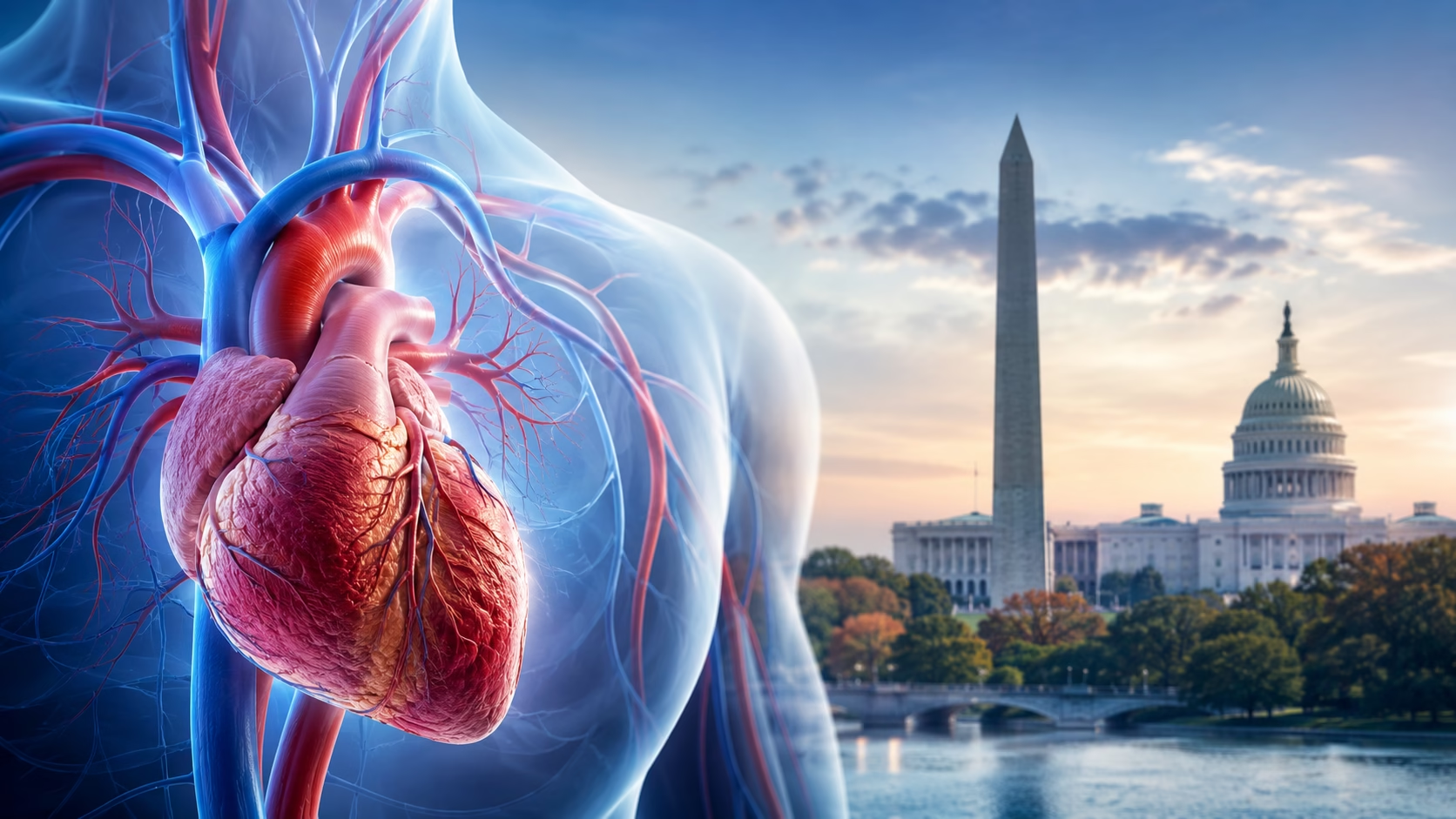
Congestive heart failure (CHF) is one of the most significant cardiovascular conditions affecting millions of people across the United States, including many residents of Washington, DC. Despite its name, congestive heart failure does not mean that the heart has stopped working. Instead, it refers to a condition in which the heart is unable to pump blood efficiently enough to meet the body’s demands. As a result, blood and fluid can accumulate in various parts of the body, leading to symptoms that range from mild fatigue to severe breathing difficulties and life-threatening complications.
- Heart failure includes systolic and diastolic dysfunction and left, right, or biventricular failure causing fluid buildup and impaired pumping.
- Washington, DC faces high rates of hypertension, diabetes, obesity, and unequal access to care, increasing CHF burden in vulnerable communities.
- Common symptoms include shortness of breath, fatigue, leg or abdominal swelling, rapid irregular heartbeat, and sudden weight gain from fluid.
- Prevention focuses on blood pressure and coronary disease control, healthy weight, smoking cessation, regular exercise, low-sodium diet, and stress management.
- Effective care combines medications, advanced devices or transplant when needed, cardiac rehab, telehealth, and DC's specialized hospitals and community clinics.
In Washington, DC, congestive heart failure remains a major public health concern due to the prevalence of conditions such as hypertension, diabetes, obesity, and coronary artery disease. These health issues significantly increase the risk of developing heart failure and contribute to hospital admissions, reduced quality of life, and increased healthcare costs. Fortunately, advances in medical treatment, preventive care, and patient education have made it possible for many individuals living with CHF to enjoy active and productive lives.
Understanding the causes, symptoms, treatment options, and available healthcare resources is essential for anyone seeking to protect their heart health. This guide provides an in-depth overview of congestive heart failure and highlights resources available to residents of Washington, DC.
Understanding Congestive Heart Failure
Congestive heart failure occurs when the heart loses its ability to pump blood effectively throughout the body. The heart continues to beat, but its pumping capacity becomes weakened or impaired. As blood flow slows, fluid may begin to accumulate in the lungs, legs, abdomen, and other tissues. This fluid buildup is responsible for many of the symptoms associated with the condition.
Heart failure is generally categorized according to the specific area of the heart that is affected and the nature of the dysfunction. In systolic heart failure, the heart muscle becomes weakened and cannot contract forcefully enough to pump an adequate amount of blood with each heartbeat. In diastolic heart failure, the heart muscle becomes stiff and loses its ability to relax properly between beats, reducing the amount of blood that enters the heart chambers before pumping occurs.
Congestive heart failure can also be classified as left-sided, right-sided, or biventricular. Left-sided heart failure is the most common form and often results in fluid accumulation within the lungs, causing shortness of breath and difficulty breathing. Right-sided heart failure typically causes fluid buildup in the legs, ankles, feet, and abdomen. Biventricular heart failure involves both sides of the heart and often produces symptoms associated with both forms of the disease.
Related Posts:



Several underlying conditions can damage the heart and eventually lead to heart failure. These include coronary artery disease, long-standing high blood pressure, heart valve disorders, cardiomyopathy, previous heart attacks, and certain congenital heart abnormalities.
The Impact of Congestive Heart Failure in Washington, DC
Congestive heart failure represents a significant health challenge in Washington, DC. The city’s population experiences relatively high rates of cardiovascular risk factors, including hypertension, diabetes, obesity, and chronic kidney disease. These conditions contribute substantially to the development and progression of heart failure.
Certain communities within Washington, DC are disproportionately affected. African American residents, for example, experience higher rates of hypertension and heart disease compared with many other demographic groups. Since uncontrolled high blood pressure is one of the leading causes of heart failure, this contributes to an increased burden of CHF within these communities.
Urban living can also introduce additional challenges. High levels of stress, demanding work schedules, limited opportunities for physical activity, and disparities in access to nutritious foods may all contribute to poor cardiovascular health. Furthermore, socioeconomic factors can influence access to preventive healthcare services, timely diagnosis, and ongoing disease management.
Health authorities have reported that a significant proportion of older adults in Washington, DC live with some form of heart failure. As the population ages and survival rates improve for conditions such as heart attacks and coronary artery disease, the number of individuals living with CHF is expected to continue rising. This makes early detection, prevention, and effective management increasingly important.
Recognizing the Signs and Symptoms of Congestive Heart Failure
Early recognition of congestive heart failure can significantly improve treatment outcomes and reduce the risk of serious complications. Because symptoms often develop gradually, many individuals may initially dismiss them as normal signs of aging or fatigue.
One of the most common symptoms is shortness of breath. Individuals may notice difficulty breathing during physical activity, while climbing stairs, or even while performing routine household tasks. As the condition progresses, breathing difficulties may occur while lying flat or during sleep, causing individuals to wake suddenly feeling breathless.
Fatigue and weakness are also common symptoms. Because the heart is unable to deliver sufficient oxygen-rich blood to the body’s tissues, many people experience reduced energy levels and difficulty performing activities that were once routine.
Fluid retention is another hallmark feature of congestive heart failure. Swelling may develop in the feet, ankles, legs, or abdomen. This occurs because blood returning to the heart backs up in the veins, causing fluid to leak into surrounding tissues.
Some individuals experience a rapid or irregular heartbeat as the heart attempts to compensate for its reduced pumping ability. Others may notice sudden weight gain resulting from fluid accumulation rather than increased body fat.
Additional symptoms can include persistent coughing, wheezing, reduced exercise tolerance, loss of appetite, difficulty concentrating, and increased nighttime urination. Anyone experiencing these symptoms should seek medical evaluation promptly.
Risk Factors and Prevention Strategies
Although some risk factors for congestive heart failure cannot be modified, many can be managed through lifestyle changes and preventive healthcare.
High blood pressure remains one of the most important contributors to heart failure. When blood pressure remains elevated over many years, the heart must work harder to pump blood throughout the body. This increased workload gradually weakens the heart muscle and can eventually lead to heart failure.
Coronary artery disease is another major cause. Blockages within the arteries supplying blood to the heart can deprive heart muscle of oxygen, leading to tissue damage and reduced pumping function.
Obesity increases the workload placed on the heart and is closely linked to hypertension, diabetes, and sleep apnea. Maintaining a healthy body weight can significantly reduce cardiovascular risk.
Smoking damages blood vessels, accelerates plaque buildup, and increases blood pressure. Quitting smoking remains one of the most effective ways to improve heart health and reduce the risk of heart failure.
Regular physical activity is equally important. Exercise strengthens the cardiovascular system, improves circulation, helps control blood pressure, and supports healthy weight management. Health experts generally recommend at least 150 minutes of moderate-intensity exercise each week.
A heart-healthy diet also plays a crucial role. Consuming fruits, vegetables, whole grains, lean proteins, legumes, nuts, and healthy fats while limiting sodium, processed foods, and added sugars can significantly reduce cardiovascular risk.
Stress management should not be overlooked. Chronic stress may contribute to elevated blood pressure and unhealthy coping behaviors. Techniques such as mindfulness, meditation, yoga, and counseling can support overall cardiovascular well-being.
Treatment Options and Healthcare Resources in Washington, DC
Washington, DC is home to several nationally recognized medical institutions that provide comprehensive heart failure care.
Patients diagnosed with CHF often receive a combination of medications designed to improve heart function, control symptoms, and slow disease progression. Common medications include ACE inhibitors, angiotensin receptor blockers, beta-blockers, diuretics, mineralocorticoid receptor antagonists, and newer therapies such as SGLT2 inhibitors.
Advanced treatment options may also be available for individuals with severe heart failure. These include implantable cardioverter-defibrillators, cardiac resynchronization therapy devices, ventricular assist devices, and heart transplantation in carefully selected cases.
Several leading healthcare institutions in Washington, DC provide specialized heart failure services. MedStar Washington Hospital Center offers a comprehensive heart failure program with access to advanced diagnostics and therapies. Georgetown University Hospital provides specialized cardiovascular care, including advanced heart failure management and transplant services. Children’s National Hospital offers expert care for pediatric patients with heart failure and congenital heart disease. Community health centers throughout the city provide preventive services, screenings, and chronic disease management for residents.
Many healthcare providers now incorporate telehealth services into heart failure management. Virtual consultations, remote monitoring devices, and electronic communication platforms allow patients to remain connected with their healthcare teams while reducing unnecessary hospital visits.
Living Successfully with Congestive Heart Failure
Receiving a diagnosis of congestive heart failure does not mean life must come to a halt. With proper treatment and self-care, many individuals continue to enjoy fulfilling and productive lives.
Medication adherence is one of the most important aspects of successful management. Patients should take medications exactly as prescribed and communicate regularly with their healthcare providers regarding side effects or concerns.
Dietary modifications are equally important. Reducing sodium intake helps minimize fluid retention and decreases strain on the heart. Many healthcare providers recommend limiting sodium consumption to approximately 1,500 to 2,000 milligrams per day.
Daily weight monitoring can help identify fluid retention before symptoms worsen. Sudden increases in weight may indicate worsening heart failure and should be reported promptly to a healthcare provider.
Regular follow-up appointments allow healthcare professionals to monitor heart function, adjust treatment plans, and address any emerging concerns. Participation in cardiac rehabilitation programs can also improve physical fitness, symptom control, and overall quality of life.
Support from family members, caregivers, and community organizations can significantly enhance emotional well-being and long-term success in managing the condition.
Conclusion
Congestive heart failure remains a significant health challenge in Washington, DC, but it is a condition that can often be managed effectively through early detection, appropriate medical treatment, and healthy lifestyle choices. Understanding the causes, recognizing the symptoms, and taking proactive steps to protect cardiovascular health are essential for reducing the impact of heart failure on individuals and communities.
Residents of Washington, DC have access to world-class healthcare institutions, experienced cardiovascular specialists, and numerous community resources dedicated to heart health. By working closely with healthcare providers, adopting heart-healthy habits, and remaining vigilant about symptom monitoring, individuals living with congestive heart failure can improve their quality of life and reduce the risk of complications.
Heart failure may be a serious diagnosis, but with knowledge, support, and modern medical care, it is possible to live well and maintain hope for a healthier future.