What is a yeast infection? Alright, let's talk yeast infections. No, we're not discussing the kind of yeast you use to make bread or brew beer. We're...
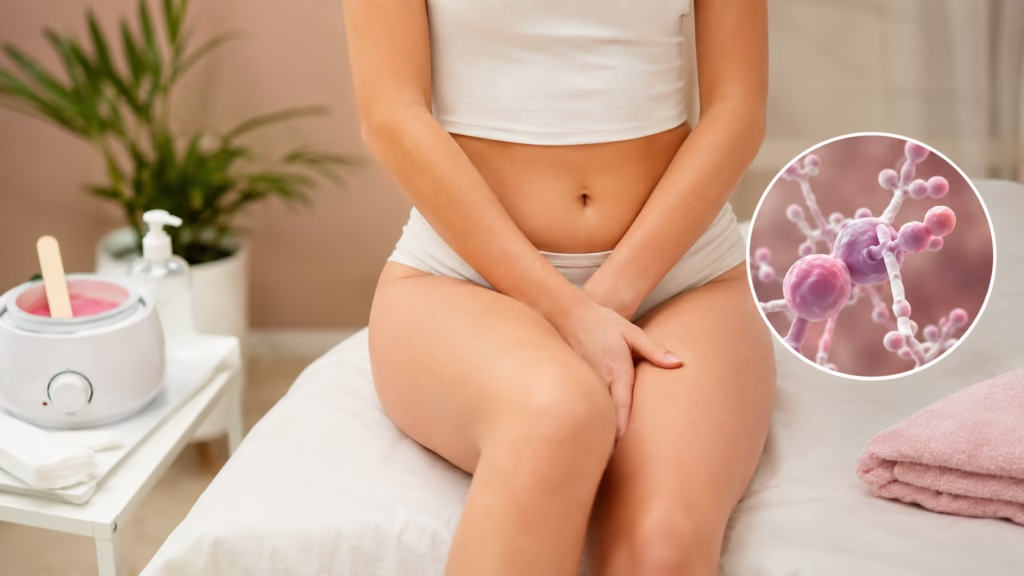
Alright, let’s talk yeast infections. No, we’re not discussing the kind of yeast you use to make bread or brew beer. We’re talking about the pesky fungal infection that can affect various parts of the body, including the vagina.
Key takeaways
It's not recommended to get waxed during a yeast infection; waxing can irritate skin and worsen symptoms.
Wait until the infection clears and consult your healthcare provider for personalized advice before resuming waxing.
Try gentler options like shaving, depilatory creams, trimming, or laser; choose reputable, hygienic salons if you must proceed.
Yeast infections are caused by an overgrowth of a type of fungus called Candida. Normally, this fungus lives in harmony with the other bacteria in our bodies. However, certain factors like a weakened immune system, hormonal changes, antibiotics, or wearing tight clothing can throw off this balance and lead to an overgrowth of Candida, resulting in a yeast infection.
Common symptoms of a yeast infection include itching, burning, redness, and a thick, white discharge. It’s not exactly a fun time, but the good news is that yeast infections are usually easily treatable with over-the-counter antifungal medications.
So, if you’re experiencing any of these symptoms, it’s essential to see a healthcare professional for an accurate diagnosis and proper treatment. Don’t be shy about discussing your concerns with your healthcare provider – they’ve heard it all before!
Now that we’ve covered the basics of yeast infections, let’s dive into whether or not you can get waxed when you’re dealing with one.
Can you get waxed with a yeast infection?
First off, let’s talk about what a yeast infection actually is. Yeast infections are caused by an overgrowth of a type of fungus called Candida. They can cause itching, burning, and discomfort in the vaginal area. It’s important to note that yeast infections are not considered sexually transmitted infections, and can happen to anyone.
Now, onto the main question – can you get waxed with a yeast infection? The short answer is, it’s not recommended. When you have a yeast infection, the skin in the affected area can be sensitive and inflamed. Waxing involves pulling the hair out from the root, which can irritate the skin even more. This can lead to increased discomfort and potential complications.
There are also risks associated with waxing when you have a yeast infection. The pulling and tugging involved in the waxing process can potentially disrupt the delicate balance of bacteria in the vaginal area, leading to further irritation and possibly worsening the infection. In addition, if the waxing strips come into contact with the infected area, there is a risk of spreading the infection to other parts of the body.
It’s important to prioritize your health and well-being, so it’s best to avoid waxing until your yeast infection has cleared up. Your skin needs time to heal and recover, and subjecting it to the stress of waxing may prolong the healing process and cause more discomfort.
So, what can you do instead of waxing with a yeast infection? There are alternatives that are gentler on the skin and less likely to exacerbate the infection. Consider using a gentle hair removal cream specifically formulated for sensitive skin, or opt for shaving with a clean razor to avoid any irritation.
Remember, it’s always a good idea to consult with a healthcare provider if you’re unsure about how to proceed. They can provide you with personalized advice and guidance based on your specific situation.
Ultimately, the most important thing is to listen to your body and prioritize your health. Take care of yourself, be gentle with your skin, and give it the time it needs to heal. Your well-being is worth it!
Risks of Waxing with a Yeast Infection
So, you’re dealing with a yeast infection and thinking about getting waxed. It’s totally normal to want to maintain your grooming routine, but it’s important to understand the risks involved in waxing with a yeast infection.
First off, let’s talk about the potential risks of waxing when you have a yeast infection. When you have a yeast infection, your skin is already irritated and sensitive. Waxing can exacerbate these symptoms and potentially lead to more discomfort and inflammation.
When you wax, you are essentially ripping hair out from the hair follicles, which can cause micro-tears in the skin. If you have a yeast infection, these tears can provide an entry point for the yeast to further infect the skin, leading to more irritation and potential complications.
Additionally, the heat from the wax and the pulling of the skin during the waxing process can further irritate the already sensitive skin affected by the yeast infection. This can result in increased discomfort, redness, and even potential scarring in severe cases.
Furthermore, waxing can disrupt the delicate balance of bacteria and yeast on the skin, potentially worsening the yeast infection or making it harder to treat. The removal of hair can also create an environment that is more conducive to yeast overgrowth, leading to a prolonged or recurrent infection.
It’s also important to consider the hygiene practices of the salon or spa where you plan to get waxed. If proper sanitation protocols are not followed, there is a risk of cross-contamination, which can further exacerbate your yeast infection or even lead to the spread of infection.
What to Do:
Consult with your healthcare provider before getting waxed with a yeast infection to get personalized advice and recommendations.
Avoid waxing in areas where the yeast infection is present to prevent further irritation and complications.
Consider alternative hair removal methods that are gentler on the skin, such as shaving or using depilatory creams.
Ensure that the salon or spa follows strict hygiene practices to minimize the risk of infection.
Remember, your skin’s health should always come first. It’s essential to prioritize your well-being and take the necessary steps to care for your skin, especially when dealing with a yeast infection. By being informed and proactive, you can make the best decision for your skin and overall health.
Precautions for waxing with a yeast infection
So, you’ve got a pesky yeast infection but you still want to get rid of that unwanted hair – what should you do? While it’s not ideal to wax with a yeast infection, there are some precautions you can take to minimize the risks and potential discomfort. Here are some tips to keep in mind before booking your waxing appointment:
Consult with your healthcare provider: Before deciding to go ahead with waxing, it’s always a good idea to consult with your healthcare provider. They can provide you with personalized advice based on your specific situation and help you determine if waxing is safe for you.
Wait until the infection clears up: It’s best to wait until your yeast infection has completely cleared up before getting waxed. Waxing can irritate the skin and potentially worsen the infection, so it’s important to prioritize your health and well-being.
Choose a reputable salon: If you do decide to go ahead with waxing, make sure to choose a reputable salon with trained professionals who follow proper hygiene practices. This can help reduce the risk of infection and ensure a safer waxing experience.
Avoid DIY treatments: While it may be tempting to try DIY waxing at home, it’s best to avoid this when dealing with a yeast infection. Professional waxing technicians have the necessary skills and knowledge to minimize the risks involved, so it’s safer to leave it to the experts.
Communicate with your waxing technician: Be open and honest with your waxing technician about your yeast infection. They can provide guidance on how to proceed and may even offer alternative hair removal options that are safer for you at this time.
Keep the area clean and dry: Before and after your waxing appointment, make sure to keep the infected area clean and dry. This can help prevent the spread of the infection and reduce the likelihood of complications.
Remember, your health should always come first. While waxing with a yeast infection is not recommended, taking these precautions can help minimize the risks involved. If in doubt, it’s always best to err on the side of caution and prioritize your well-being. Stay safe, stay informed, and happy waxing!
Alternatives to waxing with a yeast infection
So, you’ve got a pesky yeast infection but still want to keep up with your grooming routine? No worries, there are plenty of alternatives to waxing that can help you stay hair-free without aggravating the infection. Here are some options to consider:
Shaving: When dealing with a yeast infection, shaving may be a better option than waxing. Make sure to use a clean razor and avoid irritating the skin by using a gentle shaving cream. Just be careful not to nick yourself!
Depilatory creams: Depilatory creams work by breaking down the hair so it can be wiped away. These products are convenient and easy to use, but make sure to do a patch test first to check for any adverse reactions, especially when dealing with a sensitive area.
Trimming: If you’re not keen on shaving or using depilatory creams, trimming the hair with scissors or an electric trimmer can be a safe and effective way to manage hair growth. Just be careful not to trim too closely to the skin to avoid irritation.
Laser hair removal: For a more permanent solution, laser hair removal can be a great option. However, it’s important to consult with a professional to ensure the treatment is safe to undergo while dealing with a yeast infection.
Remember, it’s essential to prioritize your health and comfort when dealing with a yeast infection. Always consult with your healthcare provider before trying any hair removal method to ensure it’s safe and won’t exacerbate the infection. And most importantly, be gentle and kind to yourself during this time – your health comes first!
Remember, a yeast infection is already a sign that your body’s balance is off, and subjecting your skin to the trauma of waxing could exacerbate the situation. It’s always best to listen to your body and give it the care and attention it needs.
But fret not! There are plenty of alternatives to waxing that can still leave you feeling smooth and confident. Whether it’s using a gentle hair removal cream, opting for shaving, or seeking out professional laser hair removal services, there are options out there that can suit your needs and keep your skin happy.
Ultimately, the most important thing is to prioritize your health and well-being. If you’re unsure about whether it’s safe to wax with a yeast infection, it’s always best to consult with a healthcare professional or your esthetician for personalized advice.
So, next time you’re faced with the dilemma of dealing with a yeast infection and wanting to get waxed, remember to take it easy on yourself and explore the various alternatives available. Your skin will thank you!
Disclaimer
This article is for educational purposes only and does not replace professional medical advice, diagnosis, or treatment. Seizures, severe headache, confusion, visual changes, or blood pressure readings in the hypertensive crisis range require urgent medical evaluation.
Medical doctor and clinical researcher focused on preventive medicine, chronic disease and clear, evidence-based health communication.
True Impact Health articles are written by our editorial team and based on reliable sources such as public health agencies, clinical guidelines and peer-reviewed research. This article has been checked by a doctor on our review panel. Read our editorial process.
This content is for general information and is not a substitute for professional medical advice, diagnosis or treatment.