











Can Yeast Infection Cause UTI
Learn the relationship between yeast infections and UTIs. Discover why these conditions are often confused and when you should seek medical advice for symptoms.

Table of Contents
Quick answer
- Yeast infections do not directly cause UTIs but can create conditions that encourage bacterial growth, potentially leading to a UTI.
- Similar symptoms often overlap, causing misdiagnosis; lab tests and clinical evaluation are essential to distinguish between the two.
- Shared risk factors include antibiotic use, hormonal changes, and behaviors that alter vaginal or urinary flora, increasing recurrence risk.
- Prevention and treatment focus on hygiene, hydration, probiotics, appropriate antifungals or antibiotics, and seeking medical care for severe or recurrent infections.
Yeast infections do not directly cause urinary tract infections, as they are caused by different organisms: fungi and bacteria, respectively. However, the inflammation and irritation caused by a yeast infection can make the genital area more sensitive, which may lead to symptoms that mimic a UTI. It is important to seek a professional diagnosis to ensure you receive the correct treatment.
Today we will be talking about whether a yeast infection can cause a urinary tract infection (UTI). Understanding the relationship between these two common conditions can provide important insights into women’s health issues and help individuals manage their symptoms effectively. A yeast infection, often caused by an overgrowth of the fungus Candida albicans, can lead to uncomfortable symptoms such as itching, burning, and discharge. On the other hand, a urinary tract infection is a bacterial infection causing inflammation in the bladder, urethra, or kidneys, leading to symptoms like frequent urination, discomfort, and sometimes fever. This blog will explore their connections, discuss how they affect women’s health, and offer practical tips for prevention and management.
Understanding Yeast Infections
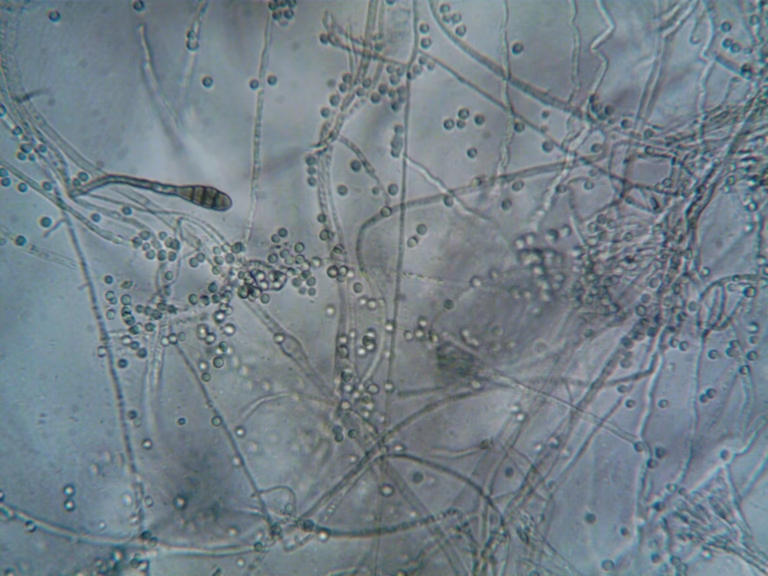
Yeast infections are a common condition affecting many women. These infections are primarily caused by an imbalance of the naturally occurring Candida organisms in the body, which can flourish due to various factors. Symptoms of a yeast infection typically include severe itching, irritation, and a thick, white discharge that resembles cottage cheese. Risk factors include antibiotic use, hormonal changes, diabetes, and a weakened immune system. Understanding these key components helps individuals recognize the causes and symptoms, ensuring timely and effective treatments.
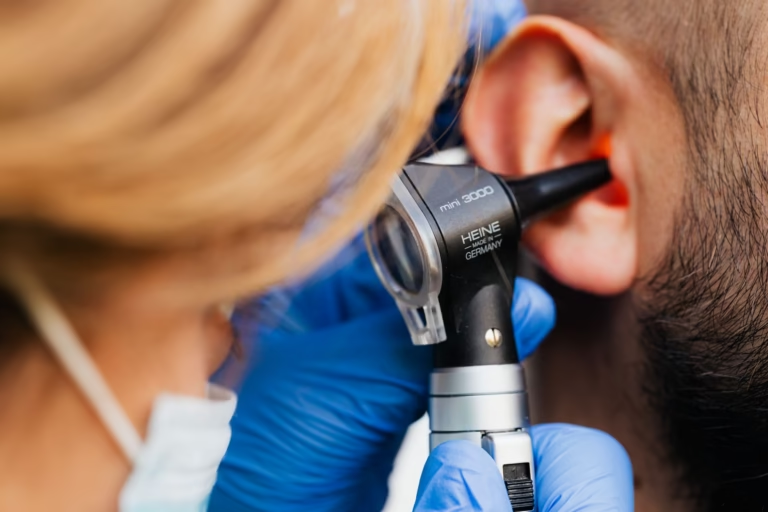
The importance of proper diagnosis and treatment cannot be overstated, as many women may mistakenly believe they have a UTI when they actually have a yeast infection. Misdiagnosis can lead to inappropriate treatments and prolonged discomfort. It’s crucial to consult a healthcare provider for an accurate diagnosis when symptoms arise. Often, a simple physical examination and a few lab tests can confirm the exact nature of the infection, allowing for effective and tailored treatment options.
Understanding Urinary Tract Infections
Urinary tract infections (UTIs) are a common health issue among women, caused primarily by bacterial infections that invade the urinary system. The symptoms often include a burning sensation during urination, frequent urges to urinate even when the bladder is empty, and cloudy or foul-smelling urine. While UTIs can affect anyone, the anatomy of women makes them more prone to these infections. Certain behaviors, such as poor hygiene practices or sexual activity, can increase the risk further.
A critical factor in preventing UTIs lies in understanding their causes. **Bacteria** such as Escherichia coli (E. coli) are often responsible, and these bacteria can enter the urinary tract through various means, including sexual intercourse or improper wiping techniques. When left untreated, a UTI can lead to severe complications such as kidney infections or sepsis. Treatment typically involves antibiotics, and patients are encouraged to drink plenty of fluids to flush out the bacteria.
Can Yeast Infections Cause UTIs?
While yeast infections and UTIs are different, they can share similar symptoms, which can lead to confusion. It is essential to recognize that yeast infections do not directly cause UTIs. However, the irritations and changes in moisture levels from a yeast infection can create an environment conducive to bacterial growth, potentially leading to a UTI.
Women experiencing a yeast infection may have altered urinary flow or a heightened sensitivity in the genital area, which can mimic UTI symptoms. This confusion may lead them to interpret their symptoms incorrectly, emphasizing the need for accurate diagnosis. Consulting with healthcare professionals can help distinguish the two infections, ensuring that proper treatment protocols are established.
Symptoms That Overlap
Common symptoms between yeast infections and UTIs can complicate diagnosis significantly. Both conditions can present with burning sensations, discomfort during urination, and increased urgency to urinate. Recognizing these overlapping symptoms is vital to seeking appropriate medical advice. Therefore, understanding the nuances that differentiate the two is essential.
For example, yeast infections typically involve significant itching and unusual discharge, while UTIs usually present with painful urination and may come with fever or flank pain. Being aware of these differences can aid individuals in identifying their symptoms accurately and seeking timely medical attention.
Factors That Increase Risk for Both Infections
Both yeast infections and UTIs can be exacerbated by similar factors, such as hormonal changes, antibiotic use, and certain lifestyle choices. Notably, the use of antibiotics can disrupt the natural balance of bacteria in a woman’s body, leading to yeast overgrowth and potential UTIs.
Hormonal fluctuations, such as those experienced during menstrual cycles or pregnancy, can influence the incidence of these infections. Understanding one’s body and recognizing these risk factors encourages proactive measures, like improved hygiene practices and regular medical check-ups. Those who are prone to either condition may benefit from lifestyle adjustments to mitigate these risks.
Prevention of Yeast Infections and UTIs
Preventive measures can significantly reduce the risk of both yeast infections and UTIs. Simple practices such as wiping properly after using the restroom, wearing breathable underwear, and avoiding douching can help maintain a healthy balance of bacteria and yeast in the body. Staying properly hydrated is another essential strategy, as drinking adequate water can help flush out bacteria and support urinary tract health.
For women prone to recurrent yeast infections, incorporating probiotic-rich foods or supplements can balance vaginal flora. Additionally, limiting sugar intake can hinder yeast growth, establishing a more favorable environment to prevent infections.
Treatment Options for Yeast Infections and UTIs
In treating yeast infections, various antifungal medications are available. Over-the-counter options can effectively combat mild infections, but persistent or severe cases require prescription interventions. For UTIs, antibiotics are the primary treatment, and it is crucial to complete the entire course even if symptoms dissipate quickly to prevent recurrence or resistance.
For both conditions, consulting healthcare providers can tailor treatment according to individual health needs. In instances of frequent incidents, further investigation may be required to identify underlying issues contributing to recurrent infections.
When to Seek Medical Help
While many cases of yeast infections and UTIs can be managed at home, knowing when to seek medical assistance is vital. Signs of serious complications, such as high fever, severe pain, uncontrollable symptoms, or recurrent infections despite treatment, warrant an urgent consultation.
Nonchalance toward worsening symptoms can lead to critical complications, such as kidney damage in the case of untreated UTIs. Monitoring one’s body and recognizing when something feels off is crucial for optimal health maintenance.
The Importance of Healthy Lifestyle Choices
Maintaining a healthy lifestyle is one of the best ways to prevent bad health outcomes related to infections. Regular exercise, a balanced diet, managing stress, and adequate sleep can help strengthen the immune system and reduce the risk of recurring infections. Incorporating habits like consuming probiotic-rich foods, as well as staying hydrated, can promote healthy body function.
Furthermore, regular check-ups with healthcare providers can help monitor health status and allow for early detection of any potential conditions that may predispose individuals to infections.
Final Thoughts
In summary, while yeast infections do not directly cause urinary tract infections, they can create conditions that lead to UTI onset due to symptom overlap and shared risk factors. Understanding the differences and maintaining vigilant practices regarding health and hygiene can enhance personal wellness and prevent these common infections. Always consult a healthcare provider if uncertainty arises, and aim to follow preventive strategies tailored to individual needs and lifestyles to preserve health and well-being.
Frequently Asked Questions
1. Can a yeast infection turn into a UTI?
No, a yeast infection itself doesn’t turn into a UTI. However, irritation caused by a yeast infection can create an environment that allows bacteria to flourish, potentially leading to a UTI.
2. What are the common symptoms of yeast infections and UTIs?
Yeast infections commonly present with itching, irritation, and thick discharge, while UTIs typically involve a burning sensation during urination and increased urgency to urinate.
3. How can I prevent yeast infections and UTIs?
Preventive measures include good hygiene practices, staying hydrated, wearing breathable clothing, and managing overall health with a balanced diet and routine check-ups.
4. When should I seek medical help for these infections?
Seek medical assistance for severe symptoms, high fever, recurrent infections, or any concerning changes in your body.
5. Are there treatment options for recurring infections?
Yes, healthcare providers can prescribe appropriate antifungal or antibiotic treatments for recurring infections and investigate possible underlying conditions to mitigate future occurrences.
For more information, see the MedlinePlus.
When to see a doctor
- You experience fever, chills, or severe pain in your lower back or side.
- Symptoms do not improve after using over-the-counter antifungal treatments.
- You notice blood in your urine or have unusual, foul-smelling discharge.
- You are pregnant and experiencing symptoms of a vaginal or urinary infection.
- You have recurrent infections that happen more than three times in a year.
If symptoms are severe or come on suddenly, call your local emergency number.
Frequently asked questions
Can I treat a suspected UTI with leftover antibiotics?
No, you should never use leftover antibiotics. Taking the wrong medication or an incomplete course can lead to antibiotic resistance and may not treat the specific bacteria causing your infection. Always consult a healthcare provider to confirm if you have a bacterial UTI before starting any antibiotic treatment.
Are there home remedies that can cure a UTI?
There is no evidence that home remedies can cure a bacterial UTI. While drinking plenty of water may help flush out your urinary tract, a UTI requires medical diagnosis and appropriate antibiotic treatment. Delaying professional care can allow the infection to spread to your kidneys, which is a serious health risk.
Can sexual activity cause both yeast infections and UTIs?
Yes, sexual activity can be a trigger for both. Intercourse can introduce bacteria into the urethra, leading to a UTI, and can also disrupt the natural balance of vaginal flora, potentially triggering a yeast infection. Practicing good hygiene and urinating after intercourse may help reduce the risk of developing a UTI.
How can I tell the difference between a yeast infection and a UTI?
While both cause burning, yeast infections typically feature intense itching and thick, white discharge. UTIs usually cause a frequent, urgent need to urinate and pain specifically during urination. Because symptoms overlap, a physical examination or a simple urine test by a doctor is the only reliable way to distinguish between them.
Sources and further reading
Was this page helpful?
Thanks for your feedback! What could we improve?
Thank you! Your feedback helps us improve our articles.
True Impact Health articles are written by our editorial team and based on reliable sources such as public health agencies, clinical guidelines and peer-reviewed research. This article has not yet been medically reviewed. Read our editorial process.
This content is for general information and is not a substitute for professional medical advice, diagnosis or treatment.