So, you've probably heard about Plan B, the emergency contraceptive that many women turn to when things don't go as planned. But did you know that taking...
So, you’ve probably heard about Plan B, the emergency contraceptive that many women turn to when things don’t go as planned. But did you know that taking Plan B can sometimes lead to yeast infections? Let’s dive into this topic and explore what you need to know about Plan B and yeast infections.
Key takeaways
Yeast infections result from Candida overgrowth when normal bacteria balance is disrupted by antibiotics, hormones, poor hygiene, or uncontrolled diabetes.
Plan B's hormonal changes can sometimes upset vaginal flora, making some people more likely to develop a yeast infection.
Common symptoms include itching, burning, redness, swelling, and thick white discharge; see a provider for accurate diagnosis.
Treat with antifungal creams or oral meds, and prevent recurrences with good hygiene, breathable underwear, probiotics, and medical advice.
Yeast infections are a common occurrence that many people experience at some point in their lives. It’s important to understand what they are, how they happen, and how to treat and prevent them. Let’s dive into the world of yeast infections!
Understanding Yeast Infections
Yeast infections are caused by an overgrowth of a type of fungus called Candida, which is naturally present in our bodies, especially in the genital area. Normally, the good bacteria in our body keep the Candida levels in check. However, certain factors can disrupt this balance, leading to an overgrowth of yeast and causing an infection.
Some common causes of yeast infections include:
Antibiotics: These can kill the good bacteria in your body, allowing yeast to grow more easily.
Pregnancy: Changes in hormone levels can increase the risk of yeast infections.
Poor hygiene: Not keeping the genital area clean and dry can create a breeding ground for yeast.
Uncontrolled diabetes: High blood sugar levels can feed yeast, leading to infections.
Yeast infections can affect anyone, regardless of gender, but they are more common in people with vaginas. Symptoms of a yeast infection can include itching, burning, redness, and swelling in the genital area, as well as a thick, white discharge.
It’s important to note that yeast infections are not considered sexually transmitted infections, although they can be passed between sexual partners. If you suspect you have a yeast infection, it’s best to see a healthcare provider for a proper diagnosis and treatment.
Now that we have a better understanding of what yeast infections are and how they can occur, let’s explore the effects of Plan B on the body in the next section.
Can Plan B Cause Yeast Infections?
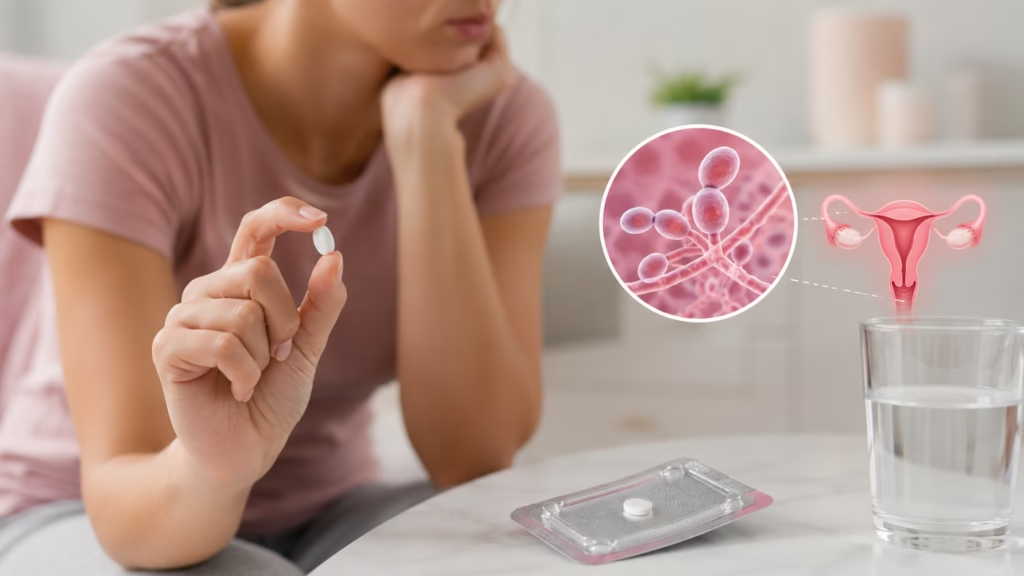
So, you may be wondering – can taking Plan B actually lead to a yeast infection? Well, the short answer is yes, it is possible. Let’s dive into why this can happen.
When you take Plan B, it works by disrupting your body’s hormone levels to prevent pregnancy. This hormonal change can sometimes affect the balance of yeast in your body, leading to an overgrowth of the fungus Candida, which causes yeast infections.
Although not everyone who takes Plan B will experience a yeast infection, some individuals may be more prone to developing one after taking the emergency contraceptive. Factors such as a weakened immune system, certain medications, or pre-existing conditions like diabetes can increase the likelihood of yeast infections.
It’s important to note that while Plan B can potentially trigger a yeast infection, it doesn’t happen to everyone, and not all yeast infections are caused by taking emergency contraception. Yeast infections can also occur due to other reasons, such as antibiotic use, hormonal changes during menstruation, or wearing tight clothing that promotes moisture retention.
If you suspect that your yeast infection is linked to taking Plan B, it’s essential to consult with a healthcare provider for proper diagnosis and treatment. They can help determine the underlying cause of your yeast infection and recommend an effective course of action.
Remember, yeast infections are common occurrences and are easily treatable with over-the-counter or prescription antifungal medications. It’s crucial not to self-diagnose and self-treat a yeast infection, as using the wrong medication can worsen the condition or lead to recurring infections.
To prevent yeast infections after taking Plan B or in general, it’s essential to maintain good hygiene practices, wear breathable cotton underwear, avoid using scented products in the genital area, and practice safe sex to reduce the risk of transmitting infections.
Symptoms of Yeast Infections
Before we dive into treatment options, let’s talk about the symptoms of yeast infections. If you’re experiencing any of the following, you might have a yeast infection:
Itching and irritation in the vaginal area
Burning sensation during urination or sex
Redness and swelling of the vulva
Thick, white vaginal discharge with a cottage cheese-like texture
If you’re experiencing these symptoms, it’s important to see a healthcare provider to get a proper diagnosis. While yeast infections are common, they can sometimes be confused with other conditions, so it’s best to get checked out by a professional.
Treatment for Yeast Infections
Once you’ve been diagnosed with a yeast infection, your healthcare provider will likely recommend treatment options. The most common treatment for yeast infections is antifungal medications, which can come in the form of creams, suppositories, or oral medications.
It’s important to follow your healthcare provider’s instructions carefully when using these medications. Make sure to complete the full course of treatment, even if your symptoms go away before you finish. This will help ensure that the infection is fully cleared up and doesn’t come back.
In addition to medication, there are some other things you can do to help relieve symptoms and prevent future yeast infections:
Avoid wearing tight fitting clothing and opt for breathable fabrics like cotton
Avoid douching, as it can disrupt the natural balance of bacteria and yeast in the vagina
Eat a healthy diet rich in probiotics, which can help maintain a healthy balance of bacteria in the body
Avoid using scented products in the vaginal area, as they can irritate the skin and disrupt the natural pH balance
By following these tips and working closely with your healthcare provider, you can effectively treat yeast infections and prevent them from coming back. Remember, it’s important to seek medical advice if you suspect you have a yeast infection, as self-diagnosis and treatment can sometimes do more harm than good.
Alright, let’s dive into how we can prevent those pesky yeast infections! They can be truly uncomfortable and annoying, but fear not – there are ways to keep them at bay and maintain your vaginal health. Here are some tips to help you prevent yeast infections:
1. Good Hygiene
Keeping your genital area clean and dry is crucial in preventing yeast infections. Make sure to wash with mild, unscented soap and water daily, and always remember to pat the area dry after showering or using the bathroom. Avoid using harsh douches or scented feminine products that can disrupt the natural balance of your vagina.
2. Wear Breathable Clothing
Avoid tight-fitting clothing made of synthetic materials like nylon and spandex, as they can trap moisture and heat, creating a perfect environment for yeast to thrive. Opt for loose-fitting cotton underwear and clothing that allows for airflow to keep your lady parts happy and healthy.
3. Maintain a Balanced Diet
Eating a well-balanced diet rich in fruits, vegetables, whole grains, and lean proteins can help support your immune system and keep your body in tip-top shape. Limiting your intake of sugary and processed foods is also important, as yeast feeds on sugar and can lead to infections.
4. Probiotics
Adding probiotic-rich foods like yogurt, kefir, and kimchi to your diet can help promote the growth of good bacteria in your gut and vagina, which can help prevent yeast infections. You can also take probiotic supplements to maintain a healthy balance of flora in your body.
5. Stay Hydrated
Drinking plenty of water throughout the day can help flush out toxins from your body and keep your vaginal tissues well-hydrated. Aim to drink at least 8 glasses of water a day to support your overall health and prevent infections.
6. Practice Safe Sex
Using condoms during sexual intercourse can help prevent the spread of sexually transmitted infections (STIs) that can lead to yeast infections. Make sure to communicate openly with your partner about your sexual health and get tested regularly to ensure both of you are infection-free.
7. Avoid Harsh Chemicals
Avoid using harsh soaps, scented tampons, and other feminine products that can irritate your vaginal tissues and disrupt the natural pH balance of your vagina. Opt for gentle, fragrance-free products to keep your lady parts happy and healthy.
By following these tips and taking good care of your vaginal health, you can reduce your risk of developing yeast infections and enjoy a happy, healthy downstairs area. Remember, if you do experience symptoms of a yeast infection, don’t hesitate to reach out to your healthcare provider for proper diagnosis and treatment. Your vagina will thank you!
Disclaimer
This article is for educational purposes only and does not replace professional medical advice, diagnosis, or treatment. Seizures, severe headache, confusion, visual changes, or blood pressure readings in the hypertensive crisis range require urgent medical evaluation.
Medical graduate of Girne American University with a focus on patient-centred care, clinical assessment and preventive health.
True Impact Health articles are written by our editorial team and based on reliable sources such as public health agencies, clinical guidelines and peer-reviewed research. This article has been checked by a doctor on our review panel. Read our editorial process.
This content is for general information and is not a substitute for professional medical advice, diagnosis or treatment.