












Tooth Sinus Infection
Today we will be talking about tooth sinus infection. A tooth sinus infection, also known as a maxillary sinusitis, occurs when the tissue lining the...

Table of Contents
Key Takeaways
- Upper tooth infections can spread to the maxillary sinus, causing sinusitis symptoms.
- Common signs include facial pressure, toothache, nasal congestion, and foul‑smelling discharge.
- Diagnosis requires dental exam and imaging such as X‑ray or CT scan.
- Treatment combines antibiotics with dental procedures and may include sinus surgery if needed.
Today we will be talking about tooth sinus infection. A tooth sinus infection, also known as a maxillary sinusitis, occurs when the tissue lining the sinuses becomes inflamed or infected due to a dental issue, such as a tooth abscess or periodontal disease. The connection between the teeth and sinuses arises because the roots of the upper teeth are located near the maxillary sinus cavity. When bacteria from a dental problem invade the sinus area, it can lead to symptoms like pain, pressure in the sinus area, and even nasal congestion. Understanding this condition is crucial for effective treatment and maintaining both dental and respiratory health.
Understanding Tooth Sinus Infections
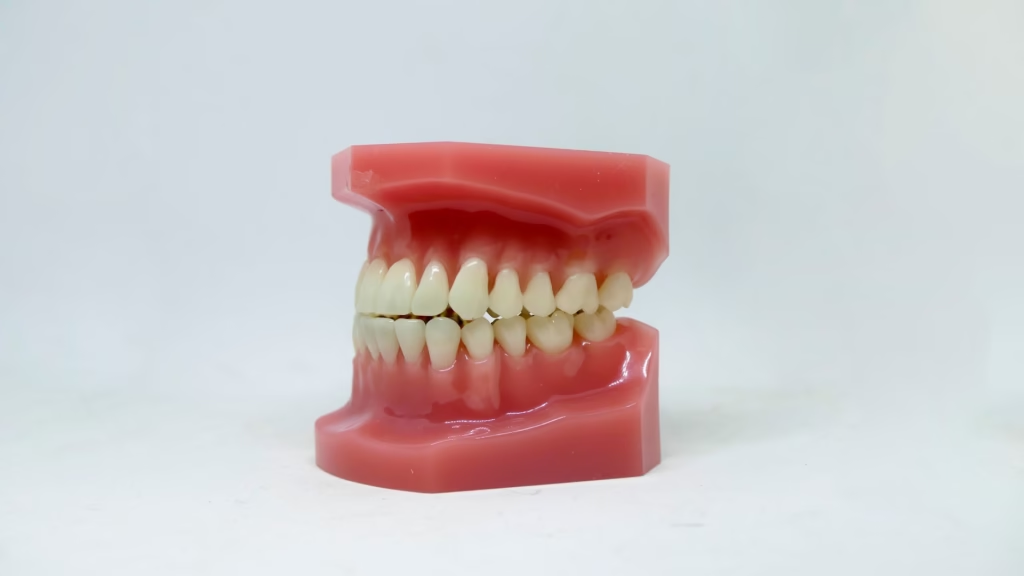
A tooth sinus infection, also known as odontogenic sinusitis, occurs when an infection in the upper teeth spreads to the maxillary sinuses. The maxillary sinuses are cavities located within the cheekbones and are situated just above the upper teeth. When there is an ongoing dental infection, often due to tooth decay, gum disease, or an abscess, the bacteria can travel to the sinuses, leading to inflammation and infection. Symptoms can often resemble other sinusitis forms, such as headaches, pressure, and discomfort, but can also include dental pain. Treatment generally requires addressing both the dental issue and the sinus infection through antibiotics, dental procedures, or both. The interconnected nature of dental and sinus health emphasizes the importance of regular dental check-ups and adequately addressing any oral health concerns promptly.
Symptoms of Tooth Sinus Infection
Recognizing the symptoms of a tooth sinus infection is essential for early diagnosis and treatment. Symptoms can often overlap with other sinus issues or dental problems, but specific signs can help identify the connection between a dental issue and a sinus infection.
- Facial Pain and Pressure: People experiencing a tooth sinus infection may feel pain and pressure in the upper face, particularly around the cheekbones and upper teeth. This discomfort arises from the inflammation in the sinus cavities.
- Toothache: The proximity of the upper teeth to the sinuses means that a tooth infection can manifest as a toothache. This pain may worsen when bending forward or during strenuous activities.
- Nasal Congestion: Blocked sinuses can lead to nasal congestion. Patients may find it challenging to breathe through their noses, and they may experience a reduction in their sense of smell.
- Green or Yellow Nasal Discharge: This symptom may accompany the infection, indicating that the body is fighting an infection. The discharge may be thick and foul-smelling.
- Sore Throat: Postnasal drip from the sinuses can irritate the throat, causing discomfort, soreness, and a cough.
- Bad Breath: The presence of an infection can lead to malodorous breath, especially if there is a dental abscess involved.
- Fever: In some cases, a fever may occur, especially if the body is combating a significant infection.
Causes of Tooth Sinus Infections
Tooth sinus infections can stem from various causes, primarily related to dental health issues, which can lead to inflammation or infection in the maxillary sinuses.
- Dental Abscess: A localized collection of pus caused by a bacterial infection in the tooth or gums can extend into the sinus area.
- Unresolved Tooth Decay: Decayed teeth that are left untreated can lead to bacteria infiltrating surrounding tissues, including the sinuses.
- Periodontal Disease: Gum disease can create pockets of infection near the tooth roots that may reach the sinus cavity.
- Tooth Extraction: After the removal of upper teeth, bacteria can enter the sinus cavity, especially if the extraction process has created a perforation.
- Sinus Infection: Pre-existing sinusitis can sometimes be aggravated by dental issues, which may complicate treatment.
Diagnosing Tooth Sinus Infections
Diagnosing a tooth sinus infection requires a thorough examination and may involve several steps to accurately pinpoint the problem.
- Dental Examination: A dentist will inspect the teeth and gums for signs of decay, abscesses, or gum disease.
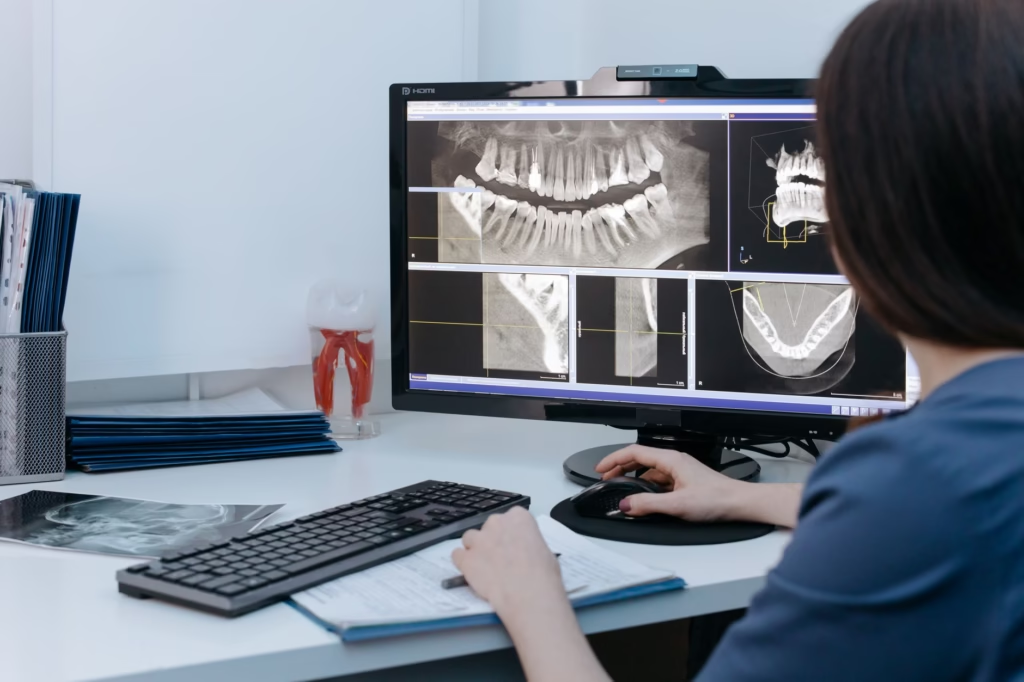
- Imaging Tests: X-rays or CT scans may be necessary to visualize the sinuses and teeth structure, helping to detect infections or abnormalities.
- Symptom Assessment: Physicians may gather details regarding symptoms to determine the likelihood of an infection affecting both the teeth and sinuses.
- Referral to Specialists: If necessary, referrals to an ENT specialist may be required for further investigation of sinus issues.

Treatment Options for Tooth Sinus Infections
Treatment for a tooth sinus infection involves addressing both the underlying dental issue and the infection in the sinuses. The approach may include:
- Antibiotics: These may be prescribed to address the bacterial infection both in the teeth and sinuses.
- Dental Procedures: Treating the infection site may involve drainage of dental abscesses, root canal therapy, or extraction of infected teeth.
- Nasal Decongestants: These can help relieve sinus pressure and congestion along with antihistamines for symptoms related to sinus inflammation.
- Surgical Intervention: In severe cases where there is significant obstruction or damage, surgery may be necessary to improve sinus drainage.
Preventive Measures for Tooth Sinus Infections
Preventing tooth sinus infections largely revolves around maintaining good oral and sinus health.
- Regular Dental Visits: Visiting the dentist every six months can help catch dental issues before they develop into significant problems.
- Good Oral Hygiene: Brushing teeth at least twice a day and flossing daily can minimize the risk of cavities and gum disease.
- Sinus Health: Address allergies or upper respiratory infections promptly to avoid an exacerbation of existing sinus problems.
- Avoiding Tobacco: Smoking or tobacco use can weaken the immune system and contribute to many dental and sinus issues.
When to Seek Medical Attention
While mild symptoms can often be managed at home, certain situations warrant immediate medical attention.
- Severe or Persistent Pain: If pain remains severe or does not improve with over-the-counter medication, it is crucial to consult a healthcare professional.
- Swelling or Redness: Noticeable swelling in the face or gums colors can signify a possible infection that needs attention.
- Fever Over 101°F: Persistent fever often indicates an infection needing treatment beyond home care.
- Difficulty Breathing: If a person experiences significant difficulty in breathing, especially with associated infections, they should seek emergency care.
Living with a Tooth Sinus Infection
Living with a tooth sinus infection can be challenging, requiring adjustments in daily routines and careful attention to overall health.
- Pain Management: Use over-the-counter pain relief and maintain a routine that allows for rest and recovery.
- Hydration: Staying hydrated helps thin mucus and may facilitate drainage from the sinuses.
- Follow-Up Care: Ensure regular follow-up appointments with a dentist or healthcare provider to monitor recovery and prevent recurrence.
Conclusion
In summary, a tooth sinus infection is a condition that highlights the interconnectedness of dental health and sinus health. The inflammation in the maxillary sinuses can often be traced back to dental issues, making it crucial to recognize early symptoms to prevent worsening complications. Awareness of symptoms such as facial pain, toothache, nasal congestion, and other notable signs can lead to timely interventions. Treatment will generally aim to resolve the underlying dental issue, often requiring cooperation between dental and medical professionals for effective care.
To maintain a healthy mouth and sinuses, regular dental checkups, proper hygiene, and management of pre-existing sinus issues are vital. Understanding the causes, symptoms, and treatment options can empower individuals to proactively manage their health. Emphasizing personal health and seeking immediate care when faced with concerning symptoms will not only contribute to relief but can also prevent further issues from developing.
Frequently asked questions about tooth sinus infections include:
- What are the symptoms of a tooth sinus infection? Symptoms commonly include facial pain, toothaches, nasal congestion, fever, and bad breath.
- Can a tooth root cause a sinus infection? Yes, infections from upper teeth can easily spread to the sinuses due to their proximity.
- How is a tooth sinus infection treated? Treatment typically involves antibiotics for infection and addressing the dental problem, sometimes requiring procedures like root canals or extractions.
- Are tooth sinus infections common? They are less common than traditional sinus infections but do occur frequently, particularly in individuals with dental issues.
- What preventive measures can I take? Regular dental visits, good oral hygiene, and managing sinus health can reduce the risk of infection.
For more information, see the CDC.
Frequently Asked Questions
How long does recovery take after treating a tooth sinus infection?
Recovery varies; mild cases improve within one to two weeks with antibiotics and dental care, while severe cases may need several weeks after surgery.
Can a tooth sinus infection recur after treatment?
Yes, if the underlying dental problem isn’t fully resolved or new cavities develop, the infection can return, so follow‑up care is important.
Are over‑the‑counter pain relievers safe for managing tooth sinus infection pain?
OTC analgesics such as ibuprofen or acetaminophen are generally safe for short‑term use, but follow dosing instructions and consult your dentist if pain persists.
Is it possible to prevent a tooth sinus infection without regular dental visits?
Good brushing, flossing, and avoiding tobacco help, but regular dental check‑ups are essential to detect hidden decay or gum disease before they spread to the sinuses.
The Bottom Line
A tooth sinus infection shows how dental problems can affect sinus health. Recognizing facial pain, toothache, and nasal symptoms leads to quicker treatment. Combining antibiotics with dental procedures usually resolves the infection, and preventive oral care reduces future risk. Stay proactive with regular dental visits and good hygiene to keep both your mouth and sinuses healthy.
Was this page helpful?
Thanks for your feedback! What could we improve?
Thank you! Your feedback helps us improve our articles.
True Impact Health articles are written by our editorial team and based on reliable sources such as public health agencies, clinical guidelines and peer-reviewed research. This article has not yet been medically reviewed. Read our editorial process.
This content is for general information and is not a substitute for professional medical advice, diagnosis or treatment.