
















How to Treat Mites on Dogs
Learn how to recognise, diagnose and treat common mite infestations in dogs with safe, evidence‑based veterinary options and home care tips.
By True Impact Health Editorial Team

Dr. Hannah Silvanus, DVMVeterinary Reviewer, True Impact Health
Doctor of Veterinary Medicine (DVM) who reviews the pet and animal health articles on True Impact Health.
Reviewed this article on October 10, 2026.
View profile How we reviewUpdated on October 10, 2026 10 min read
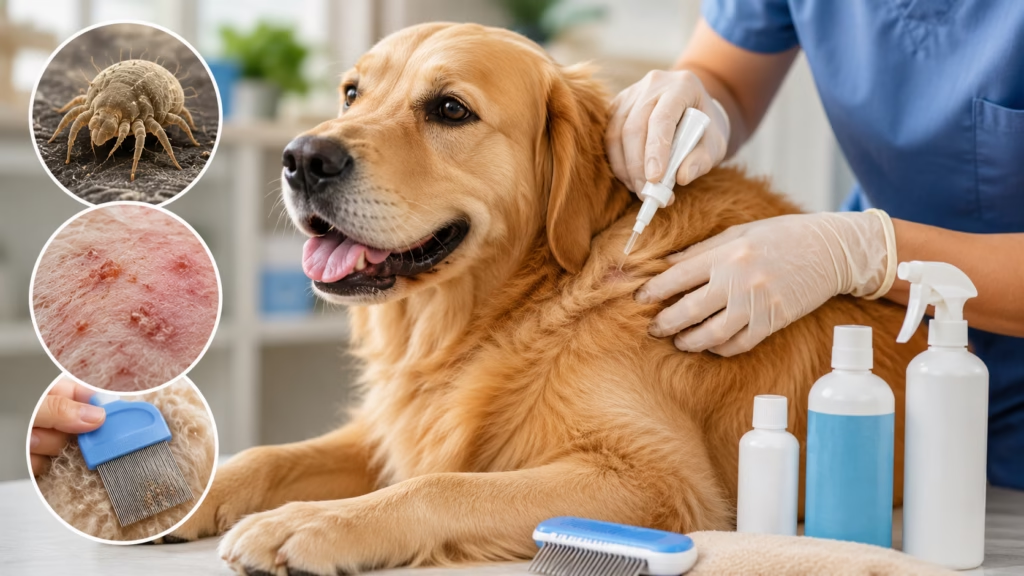
Table of Contents
Quick answer
Treating mites in dogs involves a veterinary diagnosis followed by appropriate medication such as topical dips, spot‑on treatments, oral ivermectin or milbemycin, and thorough cleaning of the environment. Supportive care like medicated shampoos and treating secondary infections helps relieve itching and speed recovery.
Introduction
Few things are more frustrating for dog owners than watching their beloved pet scratch constantly and appear uncomfortable. While occasional itching is normal, persistent scratching, hair loss, skin irritation, or ear problems may indicate a mite infestation. Mites are microscopic parasites that live on or within a dog’s skin and can cause significant discomfort, inflammation, and secondary infections if left untreated.
Although mites are tiny and often invisible to the naked eye, their impact on a dog’s health can be substantial. Some species cause intense itching and skin damage, while others lead to hair loss, crusty lesions, and chronic ear infections. Certain mite infestations can even spread to other animals and, in some cases, humans.
The good news is that most mite infestations can be successfully treated when diagnosed early and managed appropriately. In this comprehensive guide, you will learn about the different types of mites that affect dogs, how to recognize the symptoms, available treatment options, home care strategies, and practical steps to prevent future infestations.
Understanding Mites in Dogs
Mites are tiny arachnids closely related to ticks and spiders. These parasites survive by feeding on skin debris, oils, tissue fluids, or by burrowing into the skin itself. Different species of mites affect dogs in different ways, producing varying degrees of irritation and disease.
One of the most common and highly contagious mites is Sarcoptes scabiei, which causes sarcoptic mange, often referred to as canine scabies. These mites burrow beneath the skin’s surface, triggering an intense allergic reaction that results in severe itching, redness, and crusty skin lesions. Sarcoptic mange spreads easily between dogs and can occasionally affect humans through temporary skin irritation.
Another common species is Demodex canis, which causes demodectic mange. Unlike sarcoptic mites, Demodex mites naturally inhabit the skin of many healthy dogs without causing problems. However, when a dog’s immune system becomes weakened or compromised, these mites can multiply excessively and lead to localized or generalized skin disease. Demodectic mange is not generally considered contagious but often indicates an underlying immune issue.
Ear mites, scientifically known as Otodectes cynotis, live within the ear canal and feed on skin debris and secretions. They are particularly common in puppies and young dogs and frequently cause severe ear irritation and inflammation.
Understanding which type of mite is affecting your dog is essential because treatment approaches differ depending on the species involved.
Recognizing the Signs of a Mite Infestation
Early detection is one of the most important factors in successful treatment. The sooner a mite infestation is identified, the easier it is to control and eliminate before significant skin damage occurs.
One of the earliest and most noticeable signs is persistent scratching. Dogs with mites often scratch continuously, sometimes to the point of causing wounds and bleeding. They may also bite, chew, or lick affected areas in an attempt to relieve the irritation.
Skin changes frequently accompany the itching. Owners may notice red, inflamed patches of skin, particularly around the ears, elbows, chest, abdomen, and legs. As the infestation progresses, the skin may become thickened, crusty, or scaly.
Hair loss is another common symptom. Depending on the type of mite involved, bald patches may appear around the eyes, muzzle, ears, or throughout the body. In severe cases, large areas of fur may be lost.
Dogs suffering from ear mites often display unique symptoms. They may shake their heads repeatedly, scratch at their ears, or rub their heads against furniture and floors. The ears may contain a dark, crumbly discharge that resembles coffee grounds.
Some dogs develop dandruff-like flakes, scabs, or areas of thickened skin. In advanced infestations, secondary bacterial or fungal infections may develop, leading to unpleasant odors, discharge, and additional discomfort.
Owners should also monitor for behavioral changes. Dogs experiencing chronic itching often become restless, irritable, and less interested in normal activities due to constant discomfort.
Diagnosing Mites in Dogs
Although symptoms may strongly suggest a mite infestation, an accurate diagnosis requires veterinary evaluation. Many skin conditions, including allergies, fungal infections, bacterial dermatitis, and autoimmune diseases, can produce symptoms similar to those caused by mites.
Veterinarians typically begin with a thorough physical examination and detailed history. They will assess the pattern of hair loss, skin lesions, and itching behavior to narrow down potential causes.
One of the most common diagnostic procedures is a skin scraping. During this procedure, the veterinarian gently scrapes a small area of affected skin and examines the sample under a microscope. This allows direct visualization of mites, eggs, or mite debris.
For suspected ear mites, an ear swab is usually performed. Debris collected from the ear canal is examined microscopically to identify the parasites.
In some situations, skin scrapings may be negative despite a mite infestation, particularly with sarcoptic mange, where mites can be difficult to locate. In these cases, veterinarians may use additional diagnostic techniques such as tape preparations, skin biopsies, or response-to-treatment trials.
Accurate identification of the mite species is essential because it determines the most effective treatment approach.
Veterinary Treatment Options for Dog Mites
Modern veterinary medicine offers several highly effective treatment options for eliminating mites and relieving symptoms.
Topical treatments have traditionally played an important role in mite management. Lime sulfur dips remain one of the most reliable treatments for certain types of mange. These medicated solutions are applied directly to the skin and coat, helping kill mites while soothing irritated skin. Treatment usually requires weekly applications over several weeks.
Amitraz dips may also be prescribed in specific cases of mange. These treatments require careful handling and must be administered according to veterinary instructions to ensure safety and effectiveness.
Medicated shampoos often complement other therapies. Products containing ingredients such as benzoyl peroxide, sulfur, or chlorhexidine can help remove crusts, reduce bacterial contamination, and improve skin health during recovery.
Oral medications have become increasingly popular because of their convenience and effectiveness. Drugs such as ivermectin and milbemycin oxime have long been used to treat mange under veterinary supervision. However, these medications are not suitable for every breed, as some dogs carry genetic mutations that increase sensitivity to certain drugs.
Newer medications such as fluralaner, afoxolaner, sarolaner, and lotilaner have revolutionized mite treatment. These products are often administered monthly and can effectively eliminate many mite species while simultaneously providing protection against fleas and ticks.
Topical preventive medications such as selamectin and moxidectin may also be prescribed. These products not only treat active infestations but help prevent future outbreaks.
Natural and Home Remedies
Many dog owners seek natural remedies to help soothe their pet’s skin during recovery. While some natural products may provide temporary relief, they should never replace veterinary-prescribed treatment for moderate or severe infestations.
Coconut oil is often used as a natural moisturizer. When applied to dry, irritated skin, it may help reduce inflammation and improve comfort. However, coconut oil alone cannot eliminate mite infestations.
Neem oil contains compounds with natural insecticidal properties and may offer mild supportive benefits. If used, it should always be diluted appropriately and tested on a small area of skin first to avoid irritation.
Oatmeal baths may provide soothing relief for dogs suffering from severe itching and skin inflammation. These baths can help reduce discomfort while medical treatment addresses the underlying infestation.
It is important to remember that natural remedies should only be viewed as supportive care and not as primary treatment.
Environmental Control and Home Cleaning
Treating the dog alone is often insufficient, particularly with contagious mites such as sarcoptic mange. Environmental management plays a critical role in preventing reinfestation.
All bedding, blankets, towels, and washable toys should be laundered frequently in hot water. High temperatures help destroy mites and their eggs.
Vacuuming should be performed regularly throughout the home, especially in areas where the dog spends most of its time. Carpets, upholstery, pet beds, and furniture may harbor mites and debris.
Pet-safe disinfectants can be used on hard surfaces, kennels, crates, and sleeping areas. Maintaining a clean environment reduces the likelihood of ongoing exposure.
Households with multiple pets should consider having all animals evaluated by a veterinarian, as some mite species spread easily between animals.
Step-by-Step Treatment Plan
Successfully treating mites requires a systematic approach.
The first step is scheduling a veterinary appointment to obtain an accurate diagnosis. Self-diagnosis often leads to delays in appropriate treatment and may allow the infestation to worsen.
Once the mite species has been identified, owners should follow the prescribed treatment plan exactly as directed. Medications should be administered consistently, even if symptoms improve quickly. Stopping treatment too early may allow surviving mites to reproduce and restart the infestation.
Home care measures such as medicated baths, skin care, and environmental cleaning should be implemented simultaneously. Combining medical treatment with proper hygiene significantly improves treatment success.
Follow-up appointments are equally important. Repeat skin scrapings or ear examinations help confirm that the mites have been completely eliminated and allow the veterinarian to adjust treatment if necessary.
Preventing Future Mite Infestations
Once a dog has recovered, preventive care becomes the key to avoiding future problems.
Regular grooming sessions provide an excellent opportunity to inspect the skin and coat for early signs of irritation or hair loss. Weekly brushing helps owners identify abnormalities before they become severe.
Monthly parasite preventives recommended by a veterinarian often provide protection against multiple mite species while also controlling fleas and ticks.
Routine cleaning of bedding and living spaces helps minimize exposure to parasites and other environmental irritants.
Regular veterinary checkups are essential for maintaining overall health and identifying skin problems early. Dogs with strong immune systems are generally better equipped to resist certain types of mite infestations.
Proper nutrition also plays an important role. A balanced diet rich in high-quality protein, essential fatty acids, vitamins, and minerals supports skin health and immune function. Omega-3 fatty acid supplements may provide additional benefits by reducing inflammation and improving coat condition.
Conclusion
Mites can cause significant discomfort and skin disease in dogs, but they are highly treatable when addressed promptly. Recognizing the early signs of infestation, obtaining an accurate veterinary diagnosis, and following a comprehensive treatment plan are the keys to successful recovery.
Modern medications are extremely effective at eliminating mites, while supportive care and environmental management help prevent reinfestation and promote healing. Although natural remedies may provide temporary comfort, veterinary-guided treatment remains the safest and most reliable approach for achieving long-term results.
If you suspect that your dog may have mites, do not wait for symptoms to worsen. Early intervention can prevent complications, relieve discomfort, and help your canine companion return to a healthy, happy, and itch-free life.
Disclaimer
This article is for educational purposes only and does not replace professional medical advice, diagnosis, or treatment. Seizures, severe headache, confusion, visual changes, or blood pressure readings in the hypertensive crisis range require urgent medical evaluation.
When to see a vet
- Intense, continuous scratching with skin lesions or bleeding
- Rapid hair loss or thickened, crusty skin patches
- Dark, coffee‑ground like discharge from the ears
- Signs of secondary infection such as foul odor or pus
- Your dog is very young, immunocompromised, or not improving after home care
If your pet collapses, struggles to breathe or is in severe pain, contact an emergency vet straight away.
Frequently asked questions
Can I use over‑the‑counter flea products to treat mites?
Most flea products do not target mites effectively. Only medications specifically approved for sarcoptic, demodectic or ear mites should be used, and they must be prescribed or recommended by a veterinarian.
How long does treatment usually take?
Treatment length varies by mite type; ear mites often clear in 2–3 weeks, while sarcoptic mange may need weekly dips for 4–6 weeks and demodectic mange can require several months of oral therapy.
Is mite infestation contagious to humans?
Sarcoptic mange can cause temporary skin irritation in people who handle an infected dog, but it does not usually spread widely. Ear mites and demodectic mange are not considered zoonotic.
What can I do at home to prevent re‑infestation?
Wash bedding, toys and grooming tools in hot water, vacuum regularly, and keep your dog’s environment clean. Routine veterinary check‑ups and maintaining overall health reduce the risk of mite outbreaks.
Was this page helpful?
Thanks for your feedback! What could we improve?
Thank you! Your feedback helps us improve our articles.
Veterinary reviewed by
Dr. Hannah Silvanus, DVMDoctor of Veterinary Medicine (DVM) who reviews the pet and animal health articles on True Impact Health.
True Impact Health articles are written by our editorial team and based on reliable sources such as public health agencies, clinical guidelines and peer-reviewed research. This article has been checked by a veterinarian on our review panel. Read our editorial process.
This content is for general information and is not a substitute for professional medical advice, diagnosis or treatment.