










How to Treat an Egg Bound Chicken
Learn how to identify and treat an egg bound chicken with safe, evidence-based supportive care techniques and understand when to seek urgent veterinary help.
By True Impact Health Editorial Team

Dr. Hannah Silvanus, DVMVeterinary Reviewer, True Impact Health
Doctor of Veterinary Medicine (DVM) who reviews the pet and animal health articles on True Impact Health.
Reviewed this article on October 10, 2026.
View profile How we reviewUpdated on October 10, 2026 10 min read
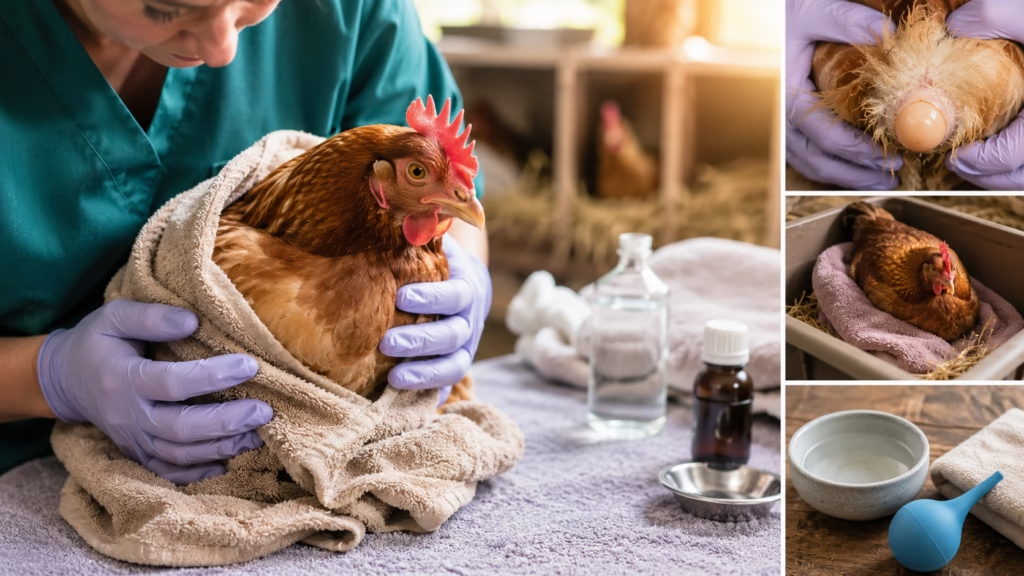
Table of Contents
Quick answer
Egg binding is a medical emergency where a hen cannot pass an egg, requiring immediate supportive care or veterinary intervention. Treatment focuses on relaxing the reproductive tract through warmth, hydration, and calcium supplementation to assist natural passage. If the hen remains unable to lay the egg after initial supportive efforts, professional veterinary assistance is essential to prevent severe complications or death.
Introduction
Egg binding is one of the most serious reproductive emergencies that can affect laying hens. It occurs when a hen is unable to pass an egg through her reproductive tract, causing the egg to become lodged within the oviduct. Although backyard chicken keepers may encounter this condition only occasionally, it requires immediate attention because a prolonged blockage can lead to severe complications, including infection, internal organ damage, and death.
A healthy hen typically lays eggs without difficulty. However, factors such as nutritional deficiencies, obesity, stress, illness, or unusually large eggs can interfere with the normal laying process. When an egg becomes stuck, the hen may become weak, uncomfortable, and increasingly distressed as time passes.
Fortunately, many mild cases of egg binding can be managed successfully when recognized early and treated appropriately. Understanding the warning signs, knowing how to provide immediate supportive care, and recognizing when veterinary intervention is necessary can significantly improve a hen’s chances of recovery.
This guide explains everything poultry owners need to know about identifying, treating, and preventing egg binding in chickens.
Understanding Egg Binding
Egg binding occurs when a hen forms an egg but cannot successfully pass it through her reproductive tract. Instead of being laid normally, the egg becomes trapped within the oviduct.
Several factors can contribute to this condition. One of the most common causes is the production of unusually large eggs. Young hens laying their first eggs and older hens experiencing reproductive changes are particularly susceptible to this problem.
Calcium deficiency is another significant risk factor. Calcium plays a crucial role in muscle contractions and eggshell formation. When calcium levels are inadequate, the muscles involved in laying may not contract strongly enough to expel the egg.
Obesity can also increase the likelihood of egg binding. Excess body fat around the reproductive organs may interfere with normal egg passage and reduce physical activity that helps maintain reproductive health.
Environmental stressors such as cold temperatures, sudden weather changes, transportation, predator attacks, or changes in flock hierarchy can contribute to laying difficulties.
Certain diseases, infections, tumors, or anatomical abnormalities affecting the reproductive tract may also increase the risk of egg binding.
Regardless of the underlying cause, a trapped egg can place pressure on nearby organs, impair circulation, and create an environment where bacterial infections may develop. Prompt treatment is therefore essential.
Recognizing the Signs and Symptoms
Early recognition of egg binding greatly improves the likelihood of a successful outcome.
One of the most noticeable signs is persistent straining. Affected hens often repeatedly attempt to lay an egg without success. They may squat frequently or remain in the nesting box longer than usual.
Many egg-bound hens adopt a distinctive crouched posture with their tails lowered. Some appear as though they are constantly preparing to lay an egg but never complete the process.
Tail bobbing and abdominal pumping are also common. These movements occur as the hen repeatedly attempts to push the egg through the reproductive tract.
As discomfort increases, the hen may become lethargic and withdrawn. She may spend more time sitting, avoid interacting with other birds, and show little interest in food or water.
Loss of appetite is another important warning sign. Because the trapped egg causes pain and pressure within the abdomen, affected hens often stop eating normally.
Physical examination may reveal swelling around the vent area. In some cases, mild discharge may also be present.
Additional symptoms can include drooping wings, ruffled feathers, labored breathing, weakness, and decreased activity.
Keeping a daily health log for your flock can help you notice changes in behavior, egg production, appetite, and activity levels before a condition becomes severe.
Immediate Home Treatment
If you suspect that your hen is egg bound, immediate supportive care can sometimes help her pass the egg naturally.
Create a Warm and Humid Environment
Warmth is one of the most effective initial treatments for egg binding because it helps relax the muscles of the reproductive tract.
Move the hen to a quiet, draft-free location away from the rest of the flock. A pet carrier, recovery crate, or small enclosure lined with clean towels works well.
Provide supplemental warmth using a heating pad set on low or a warm water bottle wrapped in a towel. The heat source should occupy only part of the enclosure so the hen can move away if she becomes too warm.
Increasing humidity may also help relax tissues and facilitate egg passage. Some poultry keepers place the hen in a warm bathroom while a hot shower runs nearby, creating a humid environment without directly wetting the bird.
The goal is to create a comfortable, calm setting that encourages relaxation and reduces stress.
Encourage Hydration
Dehydration can worsen muscle weakness and reduce the effectiveness of contractions needed to expel the egg.
Offer fresh, warm water and encourage drinking whenever possible. Adding poultry electrolytes may help support hydration and recovery.
Some keepers add a small amount of apple juice, honey, or sugar to the water to make it more appealing.
Monitor water intake closely and ensure the hen remains adequately hydrated throughout treatment.
Provide Calcium Support
Calcium plays a critical role in muscle contractions and eggshell formation.
If calcium deficiency is suspected, supplemental calcium may help strengthen the contractions needed to pass the egg.
Many poultry keepers use calcium carbonate tablets, such as plain antacid tablets, crushed and mixed into water or feed. Liquid calcium supplements designed for poultry are also available and may be easier to administer.
Because excessive calcium supplementation can create other health issues, it is important to follow veterinary recommendations whenever possible.
Gentle Massage Techniques
After the hen has spent some time in a warm environment and has received fluids, gentle massage may help encourage egg movement.
Wash your hands thoroughly and wear disposable gloves.
Carefully hold the hen in a comfortable position and gently support her abdomen. Using light pressure, massage the lower abdomen in a downward direction toward the vent.
The movement should be slow, gentle, and controlled. Excessive pressure can rupture the egg inside the reproductive tract, potentially leading to severe infection and internal injury.
If the hen shows signs of pain, vocalizes excessively, or resists handling, stop immediately.
Massage should never be forceful and should only be attempted when the hen appears relatively stable.
Lubrication
Some poultry keepers use lubrication to facilitate egg passage.
A water-based lubricant may be carefully applied around the vent opening to reduce friction.
However, internal manipulation should be avoided unless performed by a qualified veterinarian, as improper techniques can cause serious injuries.
When Veterinary Care Is Necessary
While some mild cases respond to supportive home care, many egg-bound hens require professional veterinary treatment.
Seek immediate veterinary assistance if the hen shows no improvement after several hours of supportive care.
Emergency veterinary attention is particularly important if you observe:
Persistent straining without results
Rapid breathing or signs of respiratory distress
Cold feet or pale comb indicating shock
Bloody discharge
Foul-smelling discharge
Severe weakness or inability to stand
Signs of extreme pain
A veterinarian can safely perform procedures that are not appropriate for home treatment.
Veterinary Treatment Options
Veterinarians have several options for managing severe egg binding.
Medical Therapy
Calcium injections may be administered to stimulate stronger muscle contractions.
Vitamin D supplementation may also be provided to improve calcium utilization.
Pain medications and anti-inflammatory drugs can help improve comfort and reduce stress.
Manual Extraction
In some cases, a veterinarian may manually remove the egg under sedation or anesthesia.
Professional extraction minimizes the risk of internal injury and reduces discomfort.
Antibiotic Therapy
If infection is present or suspected, antibiotics may be prescribed to prevent complications such as egg yolk peritonitis.
Surgical Intervention
Severe cases involving reproductive tract abnormalities, ruptured eggs, or recurrent egg binding may require surgery.
Although surgery is generally considered a last resort, it can be life-saving in certain situations.
Recovery and Follow-Up Care
Passing the egg is only the beginning of recovery.
Following treatment, the hen should remain in a warm, quiet recovery area for at least twenty-four to forty-eight hours.
Fresh water, electrolytes, and a balanced diet should be readily available.
Many poultry keepers provide additional calcium sources during recovery, such as oyster shell or commercial calcium supplements.
Monitor the hen’s appetite, activity level, droppings, and behavior closely. Most hens gradually regain strength within a few days if no complications develop.
Avoid unnecessary handling during recovery, as excessive stress can delay healing.
Preventing Future Egg Binding
Prevention is far easier than treatment.
Ensure Adequate Calcium Intake
Provide free-choice oyster shell, crushed eggshells, or commercial calcium supplements designed for laying hens.
A high-quality layer feed containing appropriate calcium levels should form the foundation of the flock’s diet.
Maintain Proper Nutrition
Balanced nutrition supports reproductive health and normal egg production.
Ensure hens receive adequate protein, vitamins, minerals, and energy to meet their physiological needs.
Encourage Regular Exercise
Physical activity helps maintain healthy body weight and supports normal muscle function.
Provide sufficient space for hens to walk, scratch, forage, and explore.
Perches of varying heights encourage movement and strengthen abdominal muscles.
Control Obesity
Overweight hens are more likely to experience reproductive problems.
Limit excessive treats and monitor body condition regularly.
Manage Environmental Stress
Maintain consistent temperatures within the coop and minimize sudden environmental changes whenever possible.
Adequate ventilation, predator protection, and proper flock management all contribute to healthier laying hens.
Consider Laying Breaks
High-production breeds may benefit from periodic reproductive rest.
Reducing artificial lighting during certain times of the year can help slow egg production and reduce strain on the reproductive system.
Conclusion
Egg binding is a potentially life-threatening condition that requires prompt recognition and immediate action. A hen that is unable to pass an egg may quickly become weak, stressed, and vulnerable to serious complications. Early intervention through warmth, hydration, calcium support, and gentle care can often help resolve mild cases before they become emergencies.
However, poultry keepers should never hesitate to seek veterinary assistance when a hen fails to improve or shows signs of severe distress. Professional treatment can prevent complications and dramatically improve survival rates.
By providing proper nutrition, maintaining healthy body weight, encouraging exercise, and creating a low-stress environment, flock owners can significantly reduce the risk of future egg-binding episodes. With attentive care and proactive management, hens can remain healthy, productive, and comfortable throughout their laying years.
Disclaimer
This article is for educational purposes only and does not replace professional medical advice, diagnosis, or treatment. Seizures, severe headache, confusion, visual changes, or blood pressure readings in the hypertensive crisis range require urgent medical evaluation.
When to see a vet
- The hen remains unable to pass the egg after 30 to 60 minutes of supportive care.
- The hen appears severely lethargic, unresponsive, or is struggling to breathe.
- There is visible evidence of a prolapsed oviduct or tissue protruding from the vent.
- The egg is broken inside the hen, which requires immediate professional extraction.
- The hen shows signs of extreme distress, such as constant, violent straining or collapse.
If your pet collapses, struggles to breathe or is in severe pain, contact an emergency vet straight away.
Frequently asked questions
Should I try to manually break the egg inside the hen?
No, you should never attempt to break or crush an egg inside a hen. This is extremely dangerous and can cause internal trauma, severe infection, or fatal injury to the reproductive tract. If the egg is broken, the sharp shell fragments can lacerate the oviduct, leading to peritonitis or death. Always seek professional veterinary assistance for manual extraction.
How long can a hen survive while egg bound?
Egg binding is a progressive condition that can become life-threatening within hours. While some hens may survive for a day or two, the pressure on internal organs and the risk of infection increase rapidly. If a hen shows signs of distress and cannot pass the egg, she requires immediate intervention to improve her chances of a full recovery.
Can I use lubricant to help the egg pass?
Applying a small amount of a water-based, non-toxic lubricant to the vent area may help reduce friction. However, be extremely gentle to avoid causing further stress or internal damage. Do not insert objects into the vent to force the egg out, as this can easily rupture the delicate tissues of the oviduct and cause permanent harm or fatal internal injury.
What is the best way to prevent egg binding?
Prevention focuses on maintaining overall flock health through a balanced diet rich in calcium and vitamin D, which are vital for proper shell formation and muscle function. Ensure hens have access to clean water, adequate space for exercise to prevent obesity, and a low-stress environment. Regular health checks and monitoring for early signs of reproductive issues are also essential for long-term health.
Was this page helpful?
Thanks for your feedback! What could we improve?
Thank you! Your feedback helps us improve our articles.
Veterinary reviewed by
Dr. Hannah Silvanus, DVMDoctor of Veterinary Medicine (DVM) who reviews the pet and animal health articles on True Impact Health.
True Impact Health articles are written by our editorial team and based on reliable sources such as public health agencies, clinical guidelines and peer-reviewed research. This article has been checked by a veterinarian on our review panel. Read our editorial process.
This content is for general information and is not a substitute for professional medical advice, diagnosis or treatment.