










How to Treat Mites in Chickens
Learn how to effectively identify and treat common mite infestations in your backyard chicken flock to restore their health and improve egg production.
By True Impact Health Editorial Team

Dr. Hannah Silvanus, DVMVeterinary Reviewer, True Impact Health
Doctor of Veterinary Medicine (DVM) who reviews the pet and animal health articles on True Impact Health.
Reviewed this article on October 10, 2026.
View profile How we reviewUpdated on October 10, 2026 10 min read
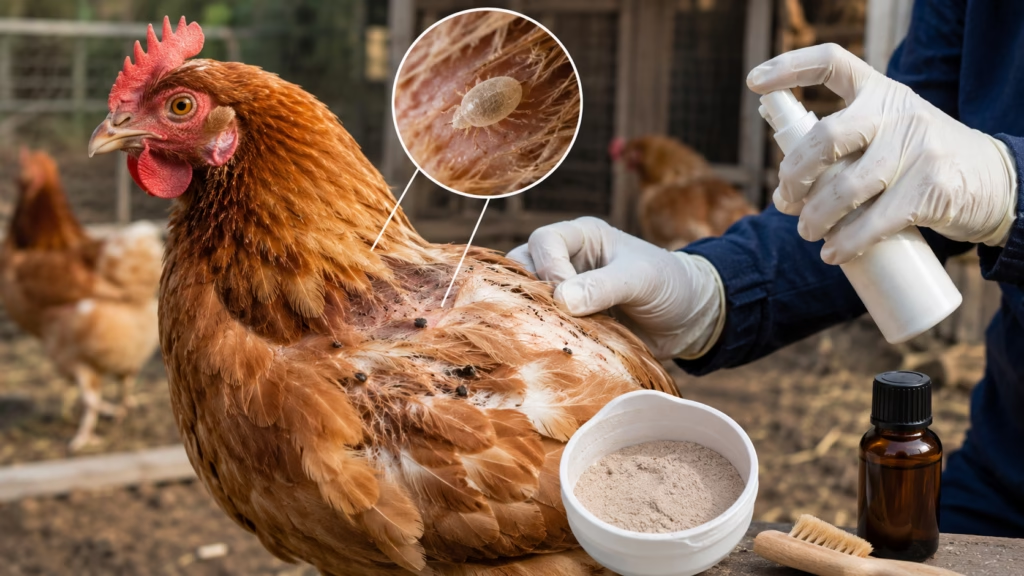
Table of Contents
Quick answer
Treating mites involves a combination of direct bird treatment and thorough environmental sanitation. You must apply veterinarian-approved miticides to the birds while simultaneously cleaning and treating the coop to eliminate hidden parasites. Because mites reproduce rapidly, consistent monitoring and repeated treatment cycles are essential to ensure the entire flock remains free from these persistent external pests.
Introduction
Keeping chickens healthy requires more than simply providing food, water, and shelter. One of the most common health challenges faced by poultry owners is mite infestation. These tiny external parasites can quickly become a serious problem if they are not identified and treated promptly. Mites feed on a chicken’s blood, skin, or feathers, causing irritation, stress, feather loss, reduced egg production, and, in severe cases, life-threatening anemia.
Unfortunately, mites are highly contagious and can spread rapidly throughout a flock. A few unnoticed parasites can multiply into thousands within a matter of weeks, making early detection and immediate treatment essential. Understanding how to identify different types of mites, properly treat affected birds, thoroughly clean the coop, and implement preventive measures can help keep your flock healthy and productive.
This comprehensive guide explains everything you need to know about treating mites in chickens, including recognizing the signs of infestation, selecting appropriate treatment options, and preventing future outbreaks.
Understanding Chicken Mites
Before beginning treatment, it is important to understand the different types of mites that commonly affect chickens. Each species behaves differently and may require specific management approaches.
Northern Fowl Mites
Northern fowl mites are among the most common parasites affecting backyard and commercial poultry flocks. Unlike some other mite species, these mites spend most of their lives directly on the bird rather than in the surrounding environment.
They are commonly found around the vent area, under the wings, and on the breast feathers. Because they feed frequently on blood, heavily infested birds often develop irritated skin, scabs, feather damage, and pale combs. Infestations are particularly common during cooler months and can spread rapidly throughout a flock if left untreated.
Red Mites
Red mites, sometimes called chicken mites, behave differently from northern fowl mites. These parasites hide in cracks, crevices, nesting boxes, and roosting areas during the day and emerge at night to feed on chickens.
Because they spend most of their time off the bird, red mite infestations can be more difficult to detect. Poultry owners may notice tiny red or gray mites on roosts, blood spots on eggs, or black specks of mite waste around the coop. Severe infestations can cause significant blood loss, weakness, and reduced egg production.
Scaly Leg Mites
Scaly leg mites are microscopic parasites that burrow beneath the scales on a chicken’s legs and feet. As they tunnel through the skin, they cause inflammation and stimulate excessive scale growth.
Affected birds often develop thick, crusty, raised leg scales that may eventually lead to discomfort, difficulty walking, and lameness. Without treatment, the condition can progressively worsen and permanently damage the legs.
Identifying a Mite Infestation
Early detection is one of the most important factors in successfully treating mites. Regular flock inspections allow poultry owners to identify problems before they become severe.
One of the first signs of a mite infestation is unusual behavior. Chickens may appear restless, spend excessive time preening, scratch frequently, or flap their wings repeatedly. These behaviors occur because the mites cause constant irritation and discomfort.
Feather loss is another common sign. Areas around the vent, under the wings, and near the tail may show thinning feathers or bare patches. The skin underneath may appear red, irritated, or scabby.
Birds suffering from blood-feeding mites often develop pale combs and wattles due to anemia. They may appear lethargic, weak, and less interested in food or social interactions.
Egg production frequently declines during infestations because chickens redirect energy toward coping with stress and blood loss rather than egg formation.
For birds with scaly leg mites, the most noticeable symptom is the appearance of thickened, crusty, and raised leg scales.
A simple weekly vent inspection can help detect infestations early. Carefully part the feathers around the vent area and look for tiny moving black, gray, or reddish dots. Checking birds after dark can also help identify red mites, which are most active at night.
Immediate Treatment Steps
Once mites have been identified, prompt action is necessary to prevent the infestation from spreading further.
Isolate Affected Birds
If only a few birds appear affected, temporarily separating them from the rest of the flock can help reduce transmission while treatment begins.
Place affected chickens in a clean, dry, and well-ventilated area. Although complete isolation may not always be practical, especially if multiple birds are involved, it can be beneficial during the initial stages of treatment.
Thoroughly Clean the Coop
Treating the birds alone is rarely sufficient because many mites spend a significant portion of their life cycle in the coop environment.
Begin by removing all bedding, nesting material, manure, feathers, and debris from the coop. Dispose of contaminated materials away from poultry areas.
Next, thoroughly scrub all surfaces, including walls, floors, nesting boxes, perches, and corners. A solution of diluted bleach or white vinegar can help remove dirt and organic material. Pay special attention to cracks and crevices where mites often hide.
Allow the coop to dry completely before adding fresh bedding. Dry conditions help reduce mite survival and reproduction.
Apply Appropriate Miticides
Several products are available for controlling poultry mites.
Permethrin-based sprays and powders are among the most commonly used and effective treatments. These products kill mites on contact and provide residual protection against newly emerging parasites.
When using any chemical treatment, carefully follow the manufacturer’s instructions regarding dosage, application frequency, and egg withdrawal periods if applicable.
Treat the Birds
Apply approved mite treatment products directly to affected birds. Focus on areas where mites commonly congregate, including the vent region, under the wings, around the neck, and along the breast.
Most treatments require repeated applications approximately seven to ten days apart. This schedule is important because newly hatched mites may emerge after the initial treatment. Multiple applications help break the parasite’s life cycle and ensure complete elimination.
Natural Treatment Options
Many poultry owners prefer natural alternatives, particularly for small backyard flocks. While these methods may be less potent than commercial miticides, they can be useful when combined with good management practices.
Diatomaceous Earth
Food-grade diatomaceous earth is a popular natural treatment for mites. It consists of microscopic fossilized algae that damage the protective outer coating of mites, causing them to dehydrate and die.
Lightly dust chickens, especially around the vent and under the wings. Additionally, sprinkle diatomaceous earth in nesting boxes, dust baths, and other areas where mites may hide.
Care should be taken to avoid inhaling excessive dust, as it can irritate both humans and birds.
Neem Oil
Neem oil possesses natural insecticidal properties and may help reduce mite populations. Diluted neem oil sprays can be applied to affected areas and used as part of a broader treatment program.
Herbal Approaches
Some poultry keepers incorporate herbs such as garlic, rosemary, mint, lavender, or cedar into nesting boxes and coop bedding. Although scientific evidence is limited, these herbs may help discourage parasites and contribute to a healthier coop environment.
Long-Term Prevention Strategies
Successful treatment is only half the battle. Preventing reinfestation requires ongoing attention and regular management.
Maintain a Consistent Cleaning Schedule
Regular coop maintenance is one of the most effective ways to prevent mite outbreaks.
Remove soiled bedding routinely and perform deep cleaning at least once per month. Thorough cleaning eliminates many of the hiding places mites depend on for survival.
Provide Dust Bathing Areas
Dust bathing is a natural behavior that helps chickens control external parasites.
Provide a designated dust bath area containing sand, dry soil, wood ash, and food-grade diatomaceous earth. Chickens will instinctively use the bath to remove parasites from their feathers and skin.
Conduct Regular Health Checks
Inspect birds weekly for early signs of mites. Examine the vent area, under the wings, and the legs for any unusual changes.
Routine inspections allow problems to be detected before they escalate into severe infestations.
Quarantine New Birds
Newly purchased chickens are a common source of mite introductions.
Always quarantine new birds for at least two to four weeks before introducing them to the main flock. During this period, carefully inspect and treat them if necessary.
Monitoring Recovery
After treatment begins, continue monitoring both the birds and the coop environment.
Inspect chickens approximately one week after treatment and again after each follow-up application. Look for improvements in feather condition, skin appearance, activity levels, and egg production.
Continue checking roosts, nesting boxes, and cracks in the coop for signs of surviving mites.
Keeping a written record of treatment dates, products used, and observations can help track progress and identify recurring problems.
When to Seek Veterinary Assistance
Most mite infestations can be successfully managed at home. However, veterinary assistance may be necessary if birds show severe anemia, significant weight loss, persistent skin infections, or fail to improve despite treatment.
A veterinarian can confirm the specific type of mite involved, recommend stronger prescription treatments, and address any secondary health problems resulting from the infestation.
Conclusion
Mites are one of the most common and frustrating parasites affecting backyard chickens, but they can be successfully controlled with prompt action and consistent management. Identifying infestations early, treating both the birds and their environment, and maintaining strict coop hygiene are essential steps in breaking the mite life cycle.
Whether you choose commercial miticides, natural remedies, or a combination of both, consistency is the key to success. Regular inspections, proper cleaning practices, dust bathing opportunities, and careful quarantine procedures can dramatically reduce the risk of future infestations.
By staying vigilant and proactive, poultry owners can protect their flocks from mites, improve bird welfare, maintain healthy egg production, and enjoy the benefits of a thriving, parasite-free chicken coop for years to come.
Disclaimer
This article is for educational purposes only and does not replace professional medical advice, diagnosis, or treatment. Seizures, severe headache, confusion, visual changes, or blood pressure readings in the hypertensive crisis range require urgent medical evaluation.
When to see a vet
- Birds showing extreme lethargy or inability to stand.
- Combs and wattles that appear stark white or grey.
- Severe feather loss accompanied by open sores or bleeding.
- Sudden, unexplained death of multiple birds in the flock.
- If the flock shows no improvement after following label directions.
If your pet collapses, struggles to breathe or is in severe pain, contact an emergency vet straight away.
Frequently asked questions
Can chicken mites spread to humans?
While chicken mites are host-specific and prefer birds, they may occasionally bite humans if they come into close contact with an infested flock. These bites can cause mild skin irritation or itching, but the mites cannot complete their life cycle on human skin. Thorough handwashing and changing clothes after handling infested birds can help minimize this risk.
How often should I treat my coop for mites?
Treatment frequency depends on the severity of the infestation and the product used. Generally, you should repeat treatments every 7 to 14 days to kill newly hatched mites that were in the egg stage during the first application. Always follow the specific instructions on your chosen product label regarding the timing of repeat applications.
Are there natural ways to get rid of mites?
While some owners use diatomaceous earth or essential oils, these methods often lack the efficacy of approved miticides for severe infestations. Environmental management, such as keeping the coop dry and providing dust baths with wood ash or sand, can help prevent outbreaks. Consult your veterinarian before relying solely on natural remedies for an active, heavy infestation.
What is an egg withdrawal period?
An egg withdrawal period is the mandatory time you must wait after applying a chemical treatment before you can safely eat the eggs produced by your hens. This ensures that no harmful chemical residues remain in the eggs. Always check the product label for the specific withdrawal period, as it varies by chemical.
Sources and further reading
Was this page helpful?
Thanks for your feedback! What could we improve?
Thank you! Your feedback helps us improve our articles.
Veterinary reviewed by
Dr. Hannah Silvanus, DVMDoctor of Veterinary Medicine (DVM) who reviews the pet and animal health articles on True Impact Health.
True Impact Health articles are written by our editorial team and based on reliable sources such as public health agencies, clinical guidelines and peer-reviewed research. This article has been checked by a veterinarian on our review panel. Read our editorial process.
This content is for general information and is not a substitute for professional medical advice, diagnosis or treatment.